Feral Hogs Across Indiana
There's nothing quite like the sight of a perfect food plot, the promise of a bountiful harvest, or the tranquil quiet of an untouched woodlot. Then you come across it: churned-up earth, rooted-out plants, damaged fences, and muddy tracks that speak of a destructive force. Feral hogs are a scourge on Indiana's landscape, causing untold damage to our natural ecosystems, agricultural lands, and even posing a threat to our native wildlife and livestock. For landowners and hunters alike, dealing with these intelligent, prolific invaders can feel like an endless, frustrating battle. This comprehensive guide is here to shed light on everything you need to know about feral hogs in Indiana, from their biology and destructive habits to the regulations surrounding them and the most effective methods for control.
Understanding Indiana's Feral Hog Challenge
Feral hogs are far more than just wild pigs; they represent a significant ecological and agricultural threat. These aren't just farm escapees; they are a tenacious, rapidly multiplying invasive species that can quickly establish a foothold and cause widespread devastation. For those of us who cherish Indiana's outdoor spaces, understanding the nature of this threat is the first step toward effective management.
Defining the Feral Hog Threat
When we talk about feral hogs in Indiana, we're referring to any pig that is not domesticated and is roaming freely in the wild. This includes domestic pigs that have escaped and reverted to a wild state, as well as European wild boar and hybrids of the two. These animals are often characterized by their coarse hair, longer snouts, prominent tusks, and lean, muscular builds – a stark contrast to their domestic cousins. They thrive in various habitats, from dense forests and river bottoms to agricultural fields and even suburban fringes, making them incredibly adaptable and difficult to contain once established. The term "feral swine" is often used by wildlife agencies, including the Indiana Department of Natural Resources (DNR), to emphasize their wild and undomesticated nature, distinguishing them from traditional livestock.
The real problem isn't just their presence, but their incredible capacity for survival and reproduction. Feral hogs are highly intelligent and can learn to avoid traps and hunters, making eradication a constant challenge. They establish social groups, called sounders, that can range from a few individuals to dozens, and they communicate effectively, making them highly organized in their destructive endeavors. It’s not just an occasional pig you might see; it’s an entire, self-sustaining population that multiplies at an alarming rate, quickly overwhelming local resources and management efforts.
Why They're a Problem for Hoosiers
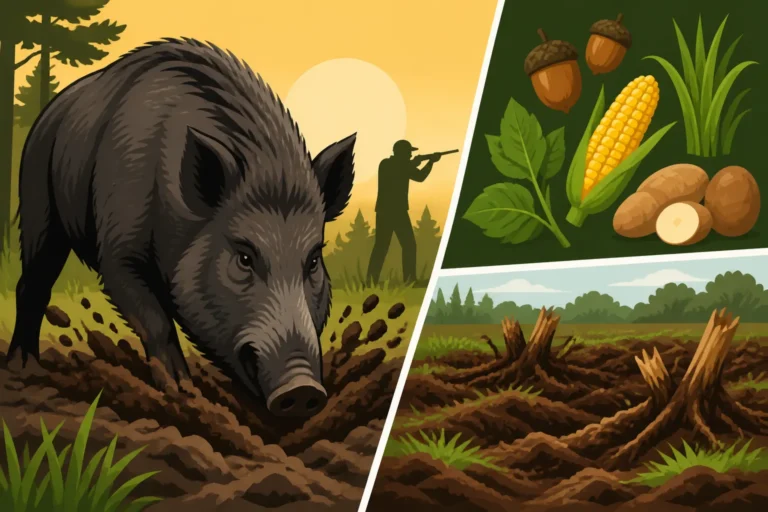
The impact of feral hogs on Indiana is multifaceted and severe, hitting our wildlife, farmers, and even our wallets. For farmers, the sight of a freshly rooted field is heart-wrenching. They dig up vast tracts of land, searching for roots, tubers, and invertebrates, destroying crops like corn, soybeans, and even specialty crops like melons and pumpkins. This directly translates to significant financial losses for agricultural producers who are already battling unpredictable weather and market fluctuations. They'll root up planted fields, knock down corn stalks, and consume valuable forage, leaving behind a wasteland of disturbed soil and destroyed potential.
Beyond agriculture, feral hogs pose a grave danger to Indiana's natural heritage. They are omnivores with voracious appetites, consuming native plants, acorns, and even preying on ground-nesting birds, their eggs, and fawns. Imagine a sounder moving through a critical nesting area for wild turkeys or pheasants, wiping out an entire season's hatch. Their rooting behavior also disturbs delicate wetland ecosystems, disrupts soil structure, and spreads invasive plant seeds, further degrading habitats for our native species. The spread of diseases, which we'll discuss later, is another major concern that affects both livestock and wildlife populations, potentially impacting the health of our deer herd or even domestic pigs. It’s a vicious cycle where their presence leads to environmental degradation, economic loss, and a constant battle for those committed to protecting Indiana's natural beauty.
Where Feral Hogs Roam in Indiana
Pinpointing the exact locations of feral hogs can be tricky because their populations can be transient, and they often try to stay hidden. However, through diligent reporting and tracking, wildlife agencies have identified certain areas where these destructive animals tend to establish themselves. Understanding their movements and preferred habitats is crucial for anyone looking to help control their spread.
Geographic Hotspots and Spread
While feral hog populations in Indiana are considered localized and scattered, rather than widespread across every county, there have been confirmed sightings and captures in several southern Indiana counties, particularly along the Ohio River corridor. Counties like Posey, Vanderburgh, Warrick, Gibson, Pike, Dubois, Spencer, and Harrison have seen activity, often related to movement across the river from Kentucky, where populations are more established. However, isolated sightings can and do occur further north, often from escaped domestic pigs or individuals released illegally. For instance, Feral Swine Sightings in Southern Indiana highlights that these areas, with their mix of dense forests, agricultural fields, and river bottoms, provide ideal conditions for hogs to thrive.
The movement of feral hogs is a critical factor in their spread. While they can travel significant distances on their own, human actions, both intentional and unintentional, often contribute to their dispersal. The illegal release of hogs for hunting purposes, often referred to as "pig dropping," is a grave concern and a serious offense. Additionally, accidental escapes from domestic operations can contribute to new feral populations. The Indiana DNR and the USDA Wildlife Services work tirelessly to monitor and respond to these sightings, aiming for rapid detection and elimination to prevent established populations from taking hold. This aggressive approach is essential because once a sounder establishes itself, eradication becomes exponentially more difficult and expensive.
Preferred Habitats and Hideouts
Feral hogs are incredibly adaptable, but they do tend to favor certain types of terrain that offer them food, water, and cover. In Indiana, this often means a mosaic of dense, brushy forests, particularly those found in the southern hill country, interspersed with agricultural fields. River bottoms, creek drainages, and swamps are also prime real estate for hogs. These areas provide soft, moist earth for rooting, abundant food sources like acorns and various plant roots, and critical water access. The thick undergrowth and dense timber offer excellent cover, allowing them to evade detection by hunters and predators.
Consider a typical southern Indiana landscape: steep, wooded ridges descending into narrow creek bottoms, often bordered by fertile agricultural fields. Hogs will bed down in the thickest parts of the woods during the day, perhaps in a cedar thicket or a dense patch of multiflora rose, then emerge at night or during low-light hours to feed in the fields. They'll use these dense covers for farrowing (giving birth) and raising their young, making it incredibly challenging to locate and remove them. Their ability to travel quietly through dense cover and their nocturnal tendencies mean they can be present in an area for quite some time before their destructive rooting or tracks give away their presence. Understanding these habitat preferences is key when Scouting Indiana Public Land Before Season or private properties for signs of hog activity.
The Biology and Behavior of Invasive Swine
To effectively combat feral hogs, you need to understand your adversary. These aren't just big, dumb pigs; they are intelligent, resilient, and possess a suite of biological traits that make them incredibly successful invaders. Their life cycle and behaviors are precisely why they're such a challenge to manage.
Reproductive Powerhouses
One of the most concerning aspects of feral hogs is their astonishing reproductive capacity. Female hogs, called sows, can become sexually mature as early as 6-8 months of age, though typically it's closer to 8-10 months. They can breed year-round, often having two litters a year, sometimes even three if conditions are ideal. Each litter, or "farrowing," can consist of 4 to 12 piglets, with an average of 5-6. Do the math: if a sow has two litters of six piglets a year, and half of those are females who also start reproducing within a year, the population explodes. This rapid turnover and high birth rate mean that even if you remove a significant number of hogs from an area, their population can quickly rebound if even a few individuals are left behind.
The gestation period is short, around 115 days (three months, three weeks, and three days), further contributing to their rapid population growth. Piglets are precocial, meaning they are relatively mature and mobile at birth, and they grow quickly. This reproductive efficiency is a primary reason why aggressive, consistent management is absolutely necessary. It's not enough to simply reduce numbers; the goal must be complete eradication in any given area to prevent a resurgence. This challenge underscores why How Many Feral Hogs Indiana Has can fluctuate dramatically, even with active management.
Intelligence, Diet, and Destructive Habits
Feral hogs are incredibly intelligent animals, capable of learning and adapting quickly. They can learn to avoid traps, become nocturnal in response to hunting pressure, and remember locations of food and water. This intelligence makes them notoriously difficult to trap or hunt consistently, as they quickly become wary of human activity. They communicate within their sounders, sharing information about danger or new food sources, further increasing their collective survival instincts. This is why a single hunting method often isn't enough; a combination of strategies is usually required.
Their diet is another major factor in their destructiveness. As omnivores, they will eat almost anything. This includes plant material like roots, tubers, acorns, nuts, fruits, and cultivated crops. But they are also opportunistic predators, feasting on insects, worms, eggs of ground-nesting birds, snakes, frogs, and even small mammals, including deer fawns. This varied diet allows them to thrive in almost any environment and directly contributes to their immense ecological impact. When they root, they turn over large areas of soil, similar to a rototiller, searching for food. This not only destroys vegetation but also damages critical soil structure, increases erosion, and can introduce invasive plant species by disturbing the native seed bank.
Their destructive habits aren't limited to rooting. They also create "wallows" – muddy depressions where they cool themselves and remove parasites. These wallows can contaminate water sources and spread disease. They rub against trees, fences, and utility poles to scratch and mark their territory, causing further damage. Their tusks, which can grow quite large, are used for fighting and digging, but also for tearing into crops or damaging trees. Understanding these behaviors is key to recognizing their presence and strategizing their removal.
Environmental and Economic Havoc Caused by Hogs
The phrase "destroy everything in their path" might sound dramatic, but when it comes to feral hogs, it's often a grim reality. The cumulative damage these animals inflict on Indiana's environment and economy is staggering, making them one of the most destructive invasive species we face.
Destroying Native Ecosystems
Imagine pristine woodlands, fragile wetlands, or sensitive riparian zones. Now picture a sounder of feral hogs moving through, turning over every inch of soil, uprooting native plants, and devouring everything in their path. Their rooting behavior is perhaps the most visible form of environmental destruction. They literally plow through the landscape, seeking out roots and invertebrates, leaving behind a scarred, barren terrain. This destroys native plant communities, alters soil composition, and accelerates erosion, especially along streambanks and in sloped areas. This disturbance creates opportunities for invasive plant species to take hold, further outcompeting native flora and reducing biodiversity.
Furthermore, feral hogs are direct predators of ground-nesting birds, their eggs, and critically, young fawns. Indiana's wild turkey populations, already facing challenges, are particularly vulnerable. A single sounder can wipe out nests in an entire area, significantly impacting annual recruitment. They also compete directly with native wildlife, such as white-tailed deer and squirrels, for crucial food sources like acorns. When hogs consume massive quantities of acorns, it leaves less food for species that depend on them, forcing deer and other animals to expend more energy seeking sustenance, potentially affecting their health and reproductive success. The long-term effects of this habitat degradation and predation can lead to significant declines in native wildlife populations, disrupting the delicate balance of our ecosystems.
Threatening Agriculture and Livestock
For Indiana's agricultural community, feral hogs are a constant nightmare. The sheer scale of Crop Damage Hogs Cause in Indiana can be immense, leading to substantial financial losses for farmers. They will root up newly planted fields, consume standing crops like corn and soybeans, trample forage fields, and damage irrigation systems. A field that looks healthy one day can be completely devastated by a sounder overnight. Beyond the direct consumption of crops, their rooting can make fields impassable for farm machinery, requiring costly repairs to equipment or extensive re-tilling. Fences, designed to contain livestock or delineate property lines, are no match for a determined hog sounder, leading to further expenses for repairs.
The threat extends to livestock as well. Feral hogs can stress domestic animals, compete for feed, and even directly attack young or vulnerable livestock. This is especially true for piglets, lambs, or calves. The psychological stress on domestic animals can reduce weight gain and overall productivity. Farmers are constantly on edge, knowing that their livelihood can be compromised by these destructive intruders. The economic burden falls heavily on rural communities, affecting individual farmers and, in turn, local economies that rely on agricultural output.
Disease Risks and Public Health
Perhaps one of the most insidious threats posed by feral hogs is their role as vectors for diseases that can impact both wildlife and domestic livestock, and even potentially humans. Feral hogs are known carriers of at least 30 diseases and 37 parasites. Some of the most concerning diseases include:
- Brucellosis: This bacterial disease can cause abortions in livestock (especially cattle and swine) and can lead to undulant fever in humans, a debilitating illness.
- Pseudorabies (Aujeszky's disease): While often non-fatal in hogs, it is lethal to most other mammals, including domestic pigs, cattle, dogs, and cats. It can cause severe neurological symptoms and has significant economic impacts on the pork industry.
- Leptospirosis: This bacterial disease can affect a wide range of mammals, including humans, causing flu-like symptoms, and in severe cases, liver and kidney damage.
- E. coli and Salmonella: These common bacterial pathogens can be transmitted through hog feces, contaminating water sources and posing a risk to both wildlife and human health.
The presence of a Chronic Wasting Disease in Indiana Deer positive area in certain Indiana counties means that minimizing any potential disease vector is paramount. While CWD isn't typically transmitted by hogs, the general principle of limiting disease spread across species remains vital. The close proximity of feral hogs to domestic livestock and wildlife creates a "bridge" for disease transmission, making it incredibly difficult to contain outbreaks. This poses a significant biosecurity risk, potentially devastating Indiana's agricultural economy and impacting the health of our deer and other game species. The Indiana DNR actively monitors for these diseases and educates the public on safe handling practices when encountering or harvesting feral hogs.
Indiana's Strategy for Feral Hog Control
Indiana takes the threat of feral hogs very seriously, understanding that proactive and aggressive management is the only way to prevent widespread establishment. Unlike many game species, the goal with feral hogs is not population management, but complete eradication. This strategy is reflected in both their legal status and the coordinated efforts of state and federal agencies.
The "Unprotected Wild Animal" Status
In Indiana, feral hogs are not considered game animals. Instead, they are classified as an "unprotected wild animal." This distinction is critical because it means there are no closed seasons, no bag limits, and no specific hunting license required if you are a landowner on your own property, or if you have permission from a landowner to hunt their property. Essentially, if you encounter a feral hog in Indiana, you are legally permitted to harvest it. This unrestricted status reflects the state's aggressive stance on eradication; every hog removed is a step toward protecting Indiana's resources. Indiana Feral Hog Regulations clearly outline these rules, emphasizing the state's desire for public assistance in their removal.
However, there are important caveats. While you don't need a hunting license to kill a feral hog on private land with permission, if you are also hunting other game (like deer or turkeys) that do require a license, then you must possess the appropriate license for those species. Additionally, the use of certain hunting methods, such as night hunting with artificial lights, is often permissible on private land with landowner consent, but rules can vary, so always double-check. The most crucial aspect of this "unprotected" status is that it empowers landowners and hunters to act immediately upon discovering these animals, without needing to wait for a specific season or permit. This flexibility is vital in the ongoing fight against a species that reproduces so quickly.
Coordinated Eradication Efforts
Indiana's approach to feral hog management is not solely reliant on individual hunters; it's a comprehensive, coordinated effort led by the Indiana DNR and supported by federal partners like the USDA Wildlife Services. The strategy is built on early detection and rapid response. When a sighting or report of feral hog activity comes in, a rapid response team is deployed to confirm the presence of hogs and assess the situation. The primary method for eradication is usually strategic trapping, followed by euthanasia. Large, corral traps are often used, designed to capture an entire sounder at once, as removing only a few individuals often leads to the remaining hogs becoming trap-shy and more difficult to catch. Trapping Indiana Feral Hogs is considered one of the most effective methods due to their social structure.
Aerial gunning can also be employed in specific circumstances, particularly in remote or heavily wooded areas where trapping might be less effective, or to quickly reduce numbers when an extensive population is discovered. The Indiana DNR emphasizes that recreational hunting alone is rarely effective at eradicating feral hog populations, as it often disperses sounders, making them harder to manage, and only removes a small percentage of the population. Therefore, while individual hunters can certainly help, the systematic, science-based approach of the DNR and USDA Wildlife Services is the backbone of Indiana's eradication strategy. The public's role in reporting sightings (more on that later) is absolutely vital to the success of these coordinated efforts.
Effective Tactics for Hunting Indiana Feral Hogs
While state agencies focus on large-scale eradication through trapping, individual hunters and landowners still play a crucial role in removing feral hogs from our landscapes. Hunting these intelligent animals requires patience, persistence, and a good understanding of their habits. It's a different game than deer or turkey hunting, often requiring a more opportunistic and aggressive approach.
Scouting and Identifying Hog Sign
Before you can effectively hunt feral hogs, you need to know where they are. This means diligent scouting, both in person and with technology. The most obvious sign of feral hog presence is their destructive rooting. Look for areas of disturbed soil where the ground has been torn up, sometimes resembling a rototiller has passed through. These rooted areas can range from small patches to vast sections of a field or forest floor. Beyond rooting, keep an eye out for wallows – muddy depressions, often near water sources, where hogs cool off and cover themselves in mud. Trees or fence posts with mud rubbed on them are also strong indicators.
Tracks are another key sign. Hog tracks resemble deer tracks but are typically rounder and wider, with the dewclaws (side toes) often visible, especially in soft ground, unlike deer tracks where dewclaws are usually only visible when the animal is running or sinking deeply. Droppings can also be found, often resembling dog droppings but can vary greatly depending on their diet. If you’re utilizing mapping tools, a service like GoHunt can provide satellite imagery to identify areas of dense cover, river bottoms, or agricultural fields adjacent to timber, which are prime hog habitat. These tools can help you narrow down your physical scouting efforts. Reading Indiana Mud for Fresh Deer Movement also applies to hog sign, as fresh tracks are crucial. Look for areas where these signs are fresh, indicating recent activity. Trail cameras can be invaluable for confirming presence, identifying travel patterns, and determining the size of sounders, especially if you set them up over fresh rooting or near suspected wallows.
Hunting Methods and Equipment Considerations
Because feral hogs are an unprotected species and the goal is eradication, a variety of hunting methods are permissible, though always check local ordinances and landowner permissions. The key is often persistence and opportunism.
Still-Hunting and Stalking: This can be effective in areas with dense cover where hogs might be bedded during the day. Moving slowly and silently, paying close attention to wind direction, can lead to encounters. Hogs have a keen sense of smell, so playing the wind is paramount.
Ambush Hunting: Setting up in a stand or blind overlooking a known travel corridor between bedding and feeding areas, or near a consistent food source (like a good acorn crop or a vulnerable agricultural field), can be productive. This is similar to deer hunting, but you need to be ready for multiple shots as a sounder might appear. Using a Ground Blind on Indiana Public Land could be a viable strategy in thicker areas.
Night Hunting: On private land with permission, night hunting with artificial lights is often allowed for feral hogs. Thermal imaging or night vision optics can be incredibly effective, giving hunters a significant advantage over these often-nocturnal animals. However, you must verify specific rules and local laws. Night Hunting Hogs With Lights on Private Land is a highly specialized tactic but can be very successful.
Trapping: As mentioned, trapping is often the most effective method for eradicating entire sounders. While often conducted by state agencies, landowners can also employ various trap designs. This requires a dedicated effort, pre-baiting, and careful placement.
When it comes to equipment, reliability and stopping power are key. For firearms, many centerfire rifle calibers are suitable, from a .223 to larger deer calibers like a .308 or 6.5 Creedmoor. A good quality scope with decent low-light capabilities is always beneficial. Shotguns loaded with slugs are also effective at closer ranges, especially in thick cover. Archery equipment, including bows and crossbows, can also be used, but shot placement is critical due to a hog's tough hide and dense bone structure (particularly the "shield" over their shoulders). Fixed-blade broadheads are generally preferred for their penetration. Given their destructive nature and status, ethical hunters often prioritize a clean, quick kill.
Ethical Harvest and Carcass Disposal
Harvesting a feral hog, while aimed at eradication, still demands ethical considerations and responsible actions. The goal is to dispatch the animal humanely and efficiently. Once harvested, proper carcass disposal is not just good practice, it's vital for preventing disease spread and reducing future problems.
Ethical Shot Placement: Hogs have a reputation for being tough, and their anatomy can be deceiving. Unlike deer, their vitals are positioned more forward and lower in the chest. A shot directly behind the shoulder, slightly lower than you might aim for a deer, is often ideal for hitting the heart and lungs. A head shot can also be effective but offers a smaller target. Always aim for a quick, humane kill.
Field Dressing and Processing: Many hunters enjoy the meat from feral hogs, which can be quite good, especially from younger animals. Field dressing promptly is crucial, particularly in warmer weather. Be aware that feral hogs can carry diseases, so wear gloves, avoid contact with blood and internal organs with open wounds, and thoroughly wash your hands and tools afterward. Cook meat thoroughly to an internal temperature of at least 160°F (71°C) to kill any potential parasites or bacteria. If you have any doubts about the health of an animal or notice unusual lesions, it's best not to consume the meat.
Responsible Carcass Disposal: This is perhaps the most critical step after the harvest. You absolutely cannot leave hog carcasses where they might attract other hogs or spread disease. The Indiana DNR recommends burying carcasses at least three feet deep or taking them to an approved landfill. Never dump carcasses in waterways or on public land. This practice is not only illegal but can facilitate the spread of diseases like pseudorabies or brucellosis to other wildlife or domestic animals. If you're utilizing GoHunt for property boundaries and access, you can use similar mapping features to identify appropriate disposal sites on private land, far from water sources or public access points.
Reporting and Community Involvement
The fight against feral hogs in Indiana is a community effort. Individual landowners and hunters are the eyes and ears on the ground, and their involvement in reporting sightings and cooperating with wildlife agencies is absolutely critical to the state's eradication success.
Why Reporting is Crucial
Every single sighting of a feral hog in Indiana needs to be reported to the Indiana DNR. This isn't just about curiosity; it's about enabling a rapid, coordinated response that could prevent a small, manageable problem from becoming an entrenched, devastating population. Unreported hogs can quickly establish themselves and begin their rapid reproductive cycle, making future eradication exponentially harder and more costly. Think of it like catching a wildfire when it's just a spark versus trying to extinguish a raging inferno. Early detection is key.
When you report a sighting, you're providing vital intelligence to the experts. You're helping the DNR understand Which Indiana Counties Have the Most Hogs and where new incursions are occurring. This allows them to allocate resources effectively, deploy trapping teams, and track the spread (or successful containment) of these animals. Even if you've harvested a hog, reporting the kill provides valuable data on population dynamics and distribution. This isn't a "shame and blame" game; it's about collaborative conservation.
Working with the Indiana DNR
The Indiana DNR works closely with USDA Wildlife Services to manage and eradicate feral hog populations. If you encounter feral hog activity or harvest an animal, contact the Indiana DNR immediately. You can reach out to your district wildlife biologist or the DNR Division of Fish & Wildlife. They will want to know the location of the sighting or harvest, the number of animals seen, and any specific signs of activity (e.g., rooting, tracks, wallows). If you harvested an animal, they might ask for samples for disease testing, which is a vital part of their surveillance program. They might also offer guidance on proper carcass disposal.
Remember, the DNR's primary goal is eradication, and they have the expertise and resources to implement effective trapping strategies that often succeed where individual hunting efforts might fall short. While hunting is permitted, uncontrolled hunting can sometimes scatter sounders, making them more difficult to manage systematically. Therefore, coordinating with the DNR ensures that your efforts contribute to the broader, science-based eradication strategy. Their team can help you understand Indiana's Year-Round Hog Rule on Private Land and other nuanced regulations, ensuring you're always operating legally and effectively.
The Path Forward: Prevention and Persistence
Eradicating feral hogs in Indiana is not a one-time fix; it's an ongoing commitment that requires vigilance, adaptability, and sustained effort. The stakes are high, and ensuring the long-term health of our ecosystems and agricultural industries depends on our collective persistence.
Containment and Future Challenges
The primary goal of Indiana's feral hog management strategy remains prevention and eradication. Because established, self-sustaining populations are so difficult to remove, the focus is always on stopping them from gaining a foothold in the first place. This means aggressive pursuit of any new sightings and swift action to remove all individuals from an area. However, several factors make this a perpetual challenge.
First, the proximity to states with established feral hog populations, particularly Kentucky, means that new incursions are always a possibility. Hogs can swim rivers and travel long distances, making border control a constant concern. Second, the illegal release of hogs, whether for private hunting purposes or out of misguided attempts to "reintroduce" them, remains a threat. Educating the public about the severe consequences of such actions is crucial. Third, the sheer adaptability and reproductive capacity of these animals mean that even if a population is reduced to a single breeding pair, they can rapidly bounce back. This requires continuous monitoring and a zero-tolerance approach. Indiana is committed to not becoming like other states where feral hogs are now an unmanageable, permanent fixture.
Long-Term Solutions and Landowner Responsibility
Long-term solutions for managing feral hogs in Indiana hinge on a combination of strong policy, scientific management, and active landowner participation.
Policy and Law Enforcement: Maintaining strict laws against the possession, transport, or release of live feral hogs is paramount. Robust enforcement of these laws, with severe penalties for violations, is essential to deter illegal activities that contribute to their spread.
Integrated Management: The continued collaboration between the Indiana DNR, USDA Wildlife Services, and local communities is vital. This integrated approach, combining scientific research, systematic trapping, and rapid response, offers the best chance for successful eradication.
Landowner Education and Participation: Landowners are the front line in this battle. Educating them on how to identify hog sign, the importance of immediate reporting, and best practices for preventing hog access (e.g., fencing, securing feed) is critical. While GoHunt can assist with identifying potential habitats on properties, understanding how to manage current hog issues is even more crucial. Landowners also have a role in allowing agencies access for trapping operations.
Public Awareness: Broader public awareness campaigns can help inform residents about the dangers of feral hogs and encourage responsible actions, such as not releasing unwanted domestic pigs into the wild.
Ultimately, the long-term success of Indiana's feral hog eradication efforts depends on a unified and persistent approach. Every report, every hog removed, and every informed landowner contributes to safeguarding Indiana's valuable natural resources and agricultural economy from this formidable invasive species.
Disclaimer
The information provided in this guide is for general informational purposes only and is not intended as legal advice or a substitute for consulting with the Indiana Department of Natural Resources (DNR) or other relevant authorities. Hunting regulations, species classifications, and disease information can change. Always consult the most current Indiana hunting regulations and contact the Indiana DNR directly for specific questions related to feral hog management, reporting, and legal hunting practices before engaging in any hunting or control activities. Safety and ethical hunting practices should always be your top priority.