Feral Swine Sightings in Southern Indiana
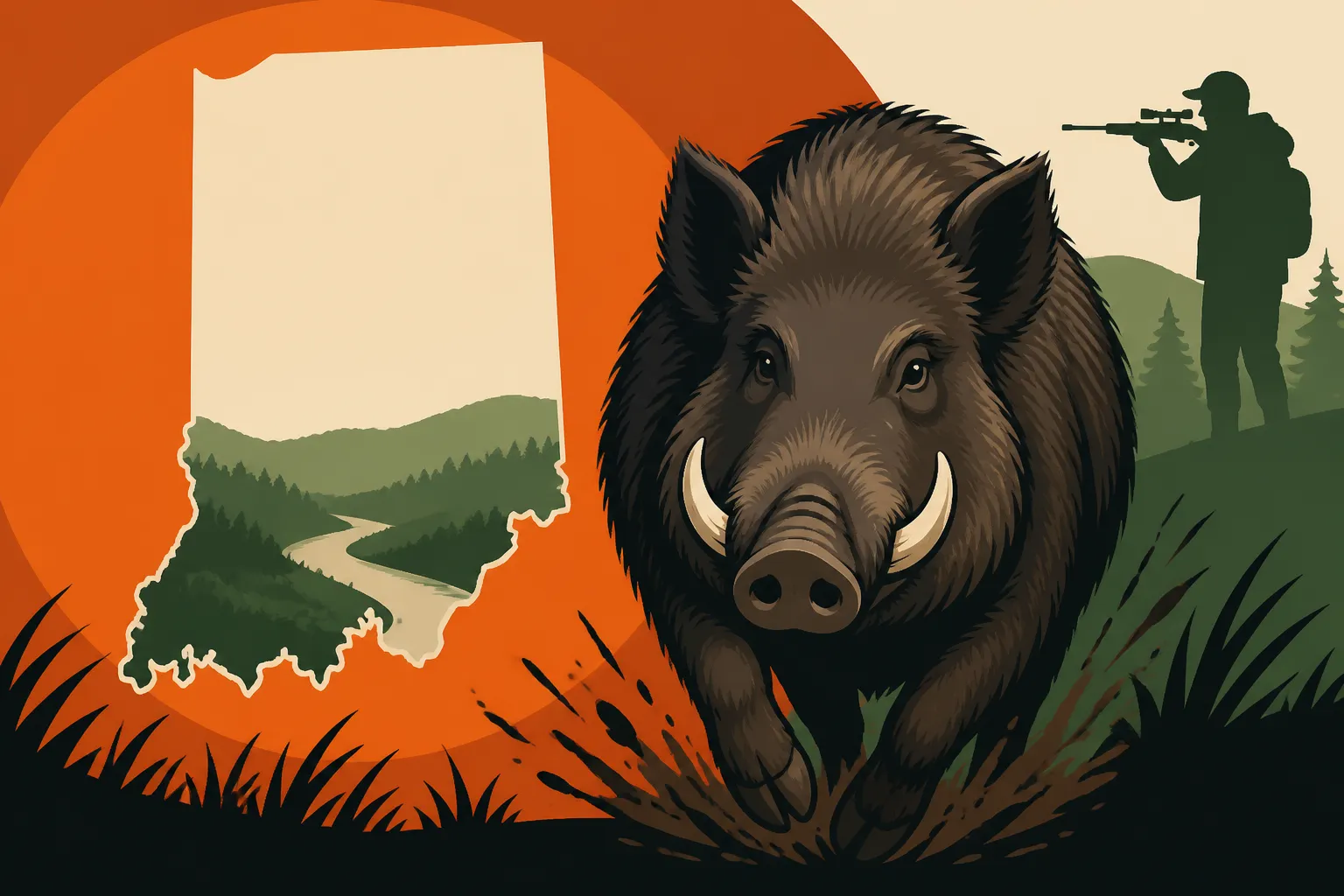
There's nothing quite like the feeling of spotting a creature you've been pursuing, but when that creature turns out to be a destructive feral hog in Southern Indiana, that feeling quickly shifts from excitement to concern. These invasive animals are a growing problem, tearing up prime habitat and farmland, and knowing how to identify and report their presence is crucial for all Hoosier outdoorsmen and landowners. This guide will help you understand where to look for feral swine, what signs they leave behind, and what steps to take if you encounter them in Southern Indiana.
Understanding Feral Swine in Southern Indiana
For those of us who cherish Indiana's natural beauty and agricultural bounty, the sight of a feral hog is a unwelcome one. These aren't native animals, and their presence causes significant damage. They’re a true wild card, disrupting everything from delicate ecosystems to farmer's livelihoods.
What are Feral Swine and Why Are They a Problem
Feral swine, often called wild hogs or wild pigs, are essentially domestic pigs that have escaped captivity and adapted to life in the wild, or they are descendants of such escapes. Sometimes, they are also a hybrid of domestic pigs and true wild boars, which can make them incredibly resilient and adaptable. Here in Southern Indiana, their existence is a serious concern. They breed at an alarming rate, often having multiple litters a year with many piglets, which means their numbers can explode quickly if left unchecked.
The problems they cause are extensive and deeply frustrating for anyone who has witnessed them firsthand. Their primary method of feeding, known as "rooting," involves using their powerful snouts to dig up soil in search of roots, tubers, and insects. This isn't just a minor disturbance; it can look like a rototiller went through a field, ruining crops, pastures, and even sensitive forest floors. Imagine a farmer's cornfield or a beautiful section of native wildflowers after a sounder of hogs has passed through – it’s a devastating sight. Beyond the immediate destruction, their rooting can also lead to soil erosion and water quality issues, especially in riparian areas.
The Spread and Impact on Southern Indiana
The encroachment of feral swine into Southern Indiana is primarily a story of human action, both intentional and unintentional. Escaped domestic pigs have always been a possibility, but illegal introductions for hunting purposes have unfortunately exacerbated the problem in some areas. Once they establish a foothold, often in secluded, dense cover near water sources, they are incredibly difficult to dislodge.
In Southern Indiana, areas like the Hoosier National Forest and the sprawling river bottomlands along the Ohio River or the lower Wabash offer prime habitat for these adaptable animals. These regions provide ample food, water, and thick cover, allowing them to evade detection. The impact is felt by everyone. Hunters might notice fewer deer or turkey signs in an area once hog activity picks up, as these omnivores compete for food sources and disrupt natural habitats. Landowners, of course, bear the brunt of crop damage and pasture destruction. The frustration is palpable when you've invested time and money into a piece of property, only to have it torn up by these invaders. This isn't just about losing a few plants; it's about the financial strain and the psychological toll of fighting a battle against a resilient and intelligent adversary. You can learn more about their presence across the state in Feral Hogs Across Indiana.
Where to Expect Feral Swine Sightings in Southern Indiana
Knowing where these destructive animals prefer to live is your first step in understanding the problem and potentially encountering them. Southern Indiana's diverse landscape offers them a variety of hideouts.
Prime Habitats and Hotspots
Feral swine are masters of stealth and survival, always seeking out areas that offer the best combination of food, water, and cover. In Southern Indiana, this often means specific types of terrain and vegetation. River bottoms, creek drainages, and other lowland areas are particularly attractive to them. These locations typically provide abundant water for drinking and wallowing, as well as lush vegetation and a rich supply of roots and invertebrates to eat. Think about the deep, often swampy sections along the Wabash River or the various creeks feeding into the Ohio; these are textbook hog hideouts. Hunting the Wabash River Valley often involves navigating such terrain, and it's precisely where you might stumble upon hog sign.
Beyond the lowlands, dense timber and thickets within areas like the Hoosier National Forest also serve as excellent cover. They'll use dense briar patches, honeysuckle thickets, or areas of regenerating clear-cuts to bed down, especially during daylight hours. Access to food sources like acorns in oak forests or agricultural fields (corn, soybeans, wheat) nearby is a huge draw. If you're Hunting Southern Indiana Hill Country, especially ridges that funnel down into creek beds or small bottomland pockets, you're in prime territory to spot their activity. They are incredibly opportunistic and will exploit any food source they find, including carrion.
Identifying Feral Swine Sign
Even if you don't see a feral hog directly, these animals leave behind unmistakable calling cards. Learning to read these signs is crucial for understanding their presence and movement patterns. The most obvious sign is "rooting," where they dig up the ground with their snouts. This can range from shallow furrows to deep excavations, making a field look like it's been plowed.
Another common sign is "wallows" – muddy depressions where hogs roll to cool down and remove parasites. These can be particularly noticeable near water sources or in damp areas. They'll also rub against trees, fence posts, or rocks, leaving mud, hair, and sometimes tusk marks. Tracks are another key indicator; hog tracks resemble deer tracks but are typically rounder, with toes that often splay more widely, and dewclaws that are usually more prominent and often register in the print, unlike deer unless they are running hard or in deep mud. Scat, or droppings, can vary greatly depending on their diet but will often contain plant matter and be dark and cylindrical.
Understanding these signs, perhaps even using a mapping tool like GoHunt to mark potential areas of activity, can help you scout more effectively. For instance, if you're out Scouting Indiana Public Land Before Season and come across significant rooting near a creek bottom, you've just found a potential hog hotspot.
Here's a quick reference for common hog signs:
| Sign Type | Description | Typical Location | Impact |
|---|---|---|---|
| Rooting | Disturbed soil, looks like plowing or digging, ranging from shallow to deep. | Crop fields, forest floors, pastures, food plots. | Crop destruction, soil erosion, habitat degradation. |
| Wallows | Muddy depressions, often round or oval, where hogs have rolled. | Near water sources (creeks, ponds), damp areas, low spots. | Contamination of water sources, disruption of sensitive wetlands. |
| Rubs | Mud, hair, or tusk marks on trees, posts, or rocks. | Along travel corridors, near wallows or bedding areas. | Damage to trees, potential vector for disease transfer. |
| Tracks | Roundish hoof prints, often with prominent dewclaw marks. | Soft soil, muddy creek banks, trail edges. | Indicates presence and direction of travel. |
| Scat/Droppings | Variable in size and consistency; often dark, cylindrical, containing plant matter. | Along trails, near feeding or bedding areas. | Indicates presence, can spread seeds of invasive plants. |
| Trails | Distinct paths through dense vegetation, often well-worn. | Between bedding and feeding areas, along creek banks. | Can be mistaken for deer trails, but often wider and more direct. |
Reporting Feral Swine and Your Role
Encountering feral swine or their sign might leave you wondering what to do next. Your actions play a critical role in managing this invasive species. It's not just about the individual hog; it's about protecting the broader ecosystem and agricultural community.
Why Reporting is Critical
Reporting feral swine sightings isn't just a suggestion; it's a vital part of Indiana's strategy to contain and, hopefully, reduce their numbers. These animals pose several serious threats. Ecologically, they outcompete native wildlife for food, destroy habitat crucial for ground-nesting birds like turkeys, and can even prey on fawns and other small animals. Financially, the damage to agricultural crops and pastures can be staggering, leading to significant losses for farmers.
Perhaps less obvious, but equally concerning, is their potential to carry and spread diseases. Feral swine can host diseases like pseudorabies, brucellosis, leptospirosis, and even contribute to the spread of Chronic Wasting Disease (CWD) in deer, though they don't contract CWD themselves, they can move infected carcasses or soil. This isn't just a threat to wildlife; some of these diseases can be transmitted to livestock and even humans. By promptly reporting sightings, you're not just helping to track their spread, you're contributing to public health and the health of Indiana's diverse wildlife populations.
The Reporting Process
So, you've seen a feral hog, or come across definitive signs of their activity. What's next? The most effective action you can take is to report it to the Indiana Department of Natural Resources (DNR). The DNR actively monitors feral swine populations and coordinates removal efforts.
Here's generally what to do:
- Document everything: If safe to do so, take photos or videos of the hogs or their sign (rooting, tracks, wallows).
- Note the location: Be as specific as possible. GPS coordinates are ideal, but a detailed description including county, nearest town, specific landmarks, or property addresses is also very helpful. Using a reliable mapping app like GoHunt on your phone can make this step quick and accurate.
- Note the date and time: This helps establish a timeline of activity.
- Estimate numbers: If you saw actual hogs, try to get a count, even an approximate one (e.g., "a sounder of about 8-10 hogs, including some juveniles").
- Contact the DNR: Reach out to the Indiana DNR through their official channels. They usually have a dedicated phone number or online reporting form for invasive species or wildlife observations. Explain what you saw, where, and when.
This information is invaluable for the DNR to target their efforts and manage the problem more effectively.
Legal Aspects of Hunting Feral Swine in Indiana
Indiana has a very specific stance on feral hogs, largely due to their invasive and destructive nature. Unlike native game animals, feral swine are classified as an exotic, invasive species and are not protected game animals. This means there is no closed season, no bag limit, and no specific license required to hunt them. Essentially, they can be taken year-round, day or night. Indiana Feral Hog Regulations clarify these rules, but there's a critical caveat: you must have landowner permission to hunt them on private property. This is paramount. Even if they are considered a nuisance, trespassing to hunt them is illegal.
On public land, the rules can be a bit trickier, as specific properties might have their own regulations or managed hunts for feral swine. Always check with the specific public land property manager (e.g., Hoosier National Forest, State Fish and Wildlife Area) before planning a hunt, as their primary goal is eradication, and uncontrolled hunting can sometimes make that harder by dispersing sounders. Many times, the DNR prefers to manage removal themselves through trapping or targeted lethal control, as simply shooting a few hogs might scatter the rest of the sounder, making them harder to catch in the future. Indiana's Year-Round Hog Rule on Private Land outlines some of these permissions and guidelines. While the idea of a year-round hunt is appealing to many, the strategic approach to their removal often involves more coordinated efforts than casual hunting. If you are interested in Trapping Indiana Feral Hogs, always ensure you understand the legalities and best practices for that as well.
Mitigating Feral Swine Damage and Future Outlook
Dealing with feral swine is a long-term challenge, but there are steps that can be taken to protect land and contribute to the larger goal of managing their populations. It's a team effort, and every responsible outdoorsman and landowner plays a part.
Protecting Your Property
If you're a landowner in Southern Indiana and suspect or have confirmed feral swine activity, protecting your property becomes a top priority. The initial reaction might be to grab a rifle, but a comprehensive approach is often more effective.
One of the most immediate concerns is fencing. While costly, robust fencing can deter hogs from entering crop fields or sensitive pastures. Electric fences, particularly those with multiple strands set low to the ground, can be very effective. Regularly inspecting fence lines is crucial, as hogs are incredibly persistent and intelligent, often finding weak points.
Beyond physical barriers, habitat management can play a role. Reducing dense thickets or brushy areas that provide prime bedding cover near valuable crops can make your property less attractive. However, this must be balanced with providing habitat for native wildlife.
Another strategy is to cooperate with local wildlife agencies. Often, the DNR or USDA Wildlife Services can provide assistance with trapping programs. Trapping is frequently cited as the most effective method for removing entire sounders, especially when coupled with baiting strategies that habituate hogs to a particular spot before setting the trap. This can be more efficient than hunting, which as mentioned, can scatter a group and make future eradication harder. Using scouting tools like GoHunt to pinpoint where hogs are consistently entering your property or where their core areas of activity are can help place traps strategically.
The Long Game for Indiana's Ecosystem
The presence of feral swine represents a significant threat to Indiana's natural heritage. They are a continuous drain on resources, from destroying agricultural lands to competing with native species for food and habitat. The long-term outlook for managing these animals involves persistent effort from various stakeholders.
Indiana DNR, in collaboration with federal agencies and local landowners, continues to monitor populations and implement control measures. This includes aerial surveys, ground trapping, and educating the public on identification and reporting. The goal isn't just to reduce numbers, but to prevent their further spread and protect the state's biodiversity.
For us, the outdoorsmen and stewards of Indiana's lands, continued vigilance and responsible action are paramount. Reporting sightings, understanding the specific Indiana Feral Hog Regulations, and supporting organized control efforts are how we contribute to keeping our woods and fields healthy. It’s a marathon, not a sprint, but with collective effort, we can mitigate the impact of these destructive invaders on Southern Indiana's cherished landscapes and wildlife, ensuring future generations can enjoy the same natural beauty we do today.
Disclaimer
This article is for general informational purposes only and does not constitute professional advice. Laws, prices and regulations vary by location and change over time. Consult a qualified professional for guidance on your specific situation.