Mange in Indiana Coyotes and Foxes
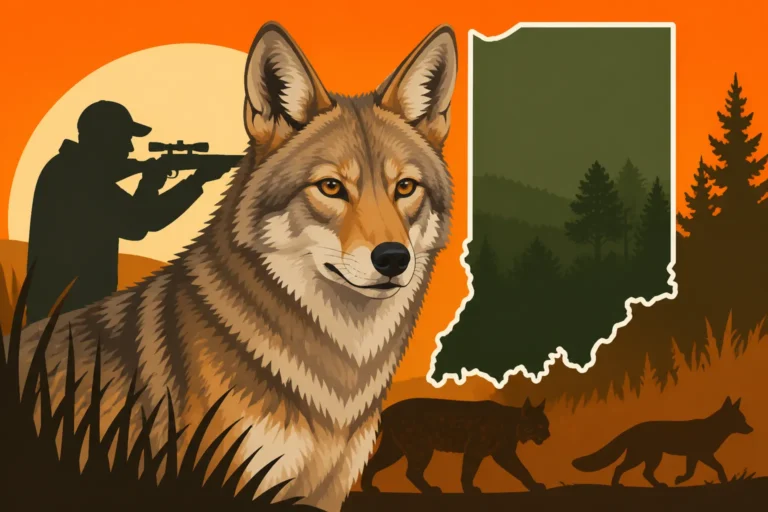
It can be incredibly disheartening to be out in the woods, enjoying the peace and quiet, only to spot a coyote or fox that looks… well, wrong. You see patches of missing fur, crusty skin, and an animal that seems almost disoriented or lethargic. You wonder what’s going on with it, if it’s suffering, and if whatever it has could spread to other wildlife or even your own beloved hunting dog. This guide is going to walk you through understanding mange in Indiana's coyotes and foxes, how to identify it, what risks it poses, and how you, as a responsible hunter and outdoors person, can play a part in monitoring and managing it.
Understanding Mange: What It Is and How It Affects Indiana Wildlife
When we talk about "mange" in wildlife, especially coyotes and foxes here in Indiana, we're usually referring to sarcoptic mange. It's a nasty condition, and unfortunately, it's something that occasionally pops up in our wild canid populations. It's not just a minor irritation; it can be truly devastating for the individual animals affected.
The Culprit: Sarcoptic Mange Mites
At its core, sarcoptic mange is caused by a microscopic mite called Sarcoptes scabiei. Yes, the same type of mite that causes scabies in humans, though usually a species-specific variant. These tiny, eight-legged invaders don't just hang out on the surface; they burrow into the animal's skin. Once under the surface, they feed and reproduce, causing an intense allergic reaction in the host. Imagine having thousands of nearly invisible bugs constantly tunneling and irritating your skin – it's a nightmare for these animals.
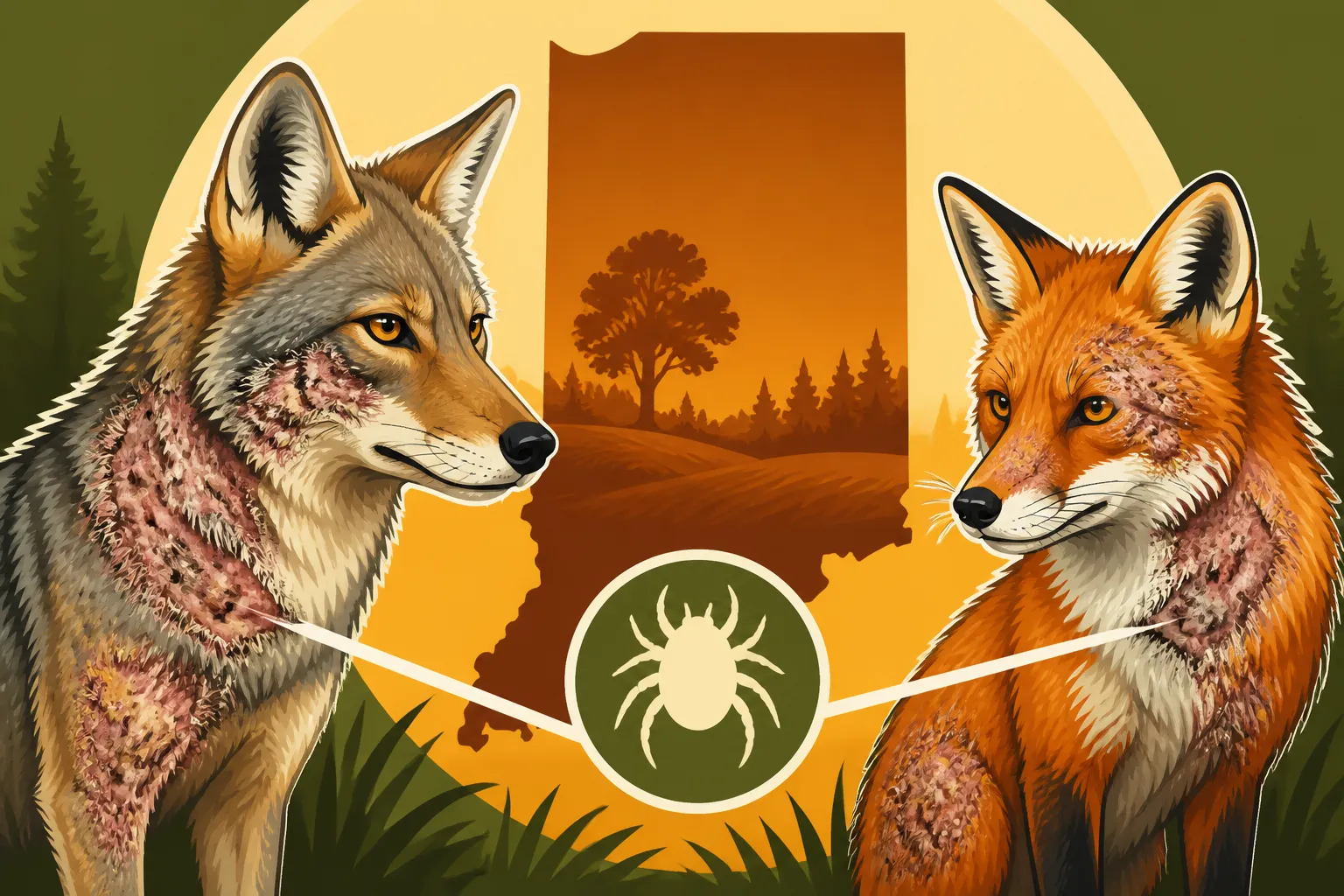
The initial symptoms are usually subtle: an animal might start scratching more than usual. But as the mites multiply and spread, the symptoms become far more pronounced. You'll start to see patches of hair loss, often around the ears, muzzle, flanks, and tail. The skin underneath will become red, inflamed, and can develop crusty scabs. For a coyote or fox, this isn't just uncomfortable; it directly impacts their ability to survive, especially as the condition worsens. Both red and grey foxes, and our ubiquitous Coyotes and Predators in Indiana, are susceptible.
The Impact on Individual Animals and Populations
The progression of mange in an affected animal can be brutal. As the irritation intensifies, the constant scratching and biting to relieve the itch can lead to open wounds, which are then highly susceptible to secondary bacterial infections. These infections can make the animal even sicker, leading to fever and further weakening. The severe hair loss, especially in colder months, can make it impossible for the animal to regulate its body temperature, leading to hypothermia and frostbite.
Beyond the immediate physical suffering, mange makes an animal incredibly vulnerable. An animal spending all its energy scratching and fighting infection isn't spending that energy hunting or avoiding predators. They become lethargic, emaciated, and often lose their natural fear of humans as they become desperate for food and too weak to flee. From a hunting perspective, this means seeing fewer healthy, active animals, and unfortunately, more sick ones. While it's generally a severe individual animal health crisis, if local populations are already stressed, a widespread mange outbreak can contribute to declines, particularly in species like foxes, which tend to have smaller, more localized populations than the adaptable coyote.
Identifying Mange in Indiana's Coyotes and Foxes
Spotting a mangy animal isn't always obvious at first glance, especially if the infestation is in its early stages. However, as the disease progresses, the signs become quite clear. Knowing what to look for can help you identify these sick animals in the field and potentially assist in reporting them to wildlife authorities.
Visual Cues and Behavioral Changes
The most prominent visual cue of mange is progressive hair loss. It often starts subtly, perhaps a thinning coat or small bald spots, but it can quickly escalate. You'll typically see severe hair loss on the animal's tail, flanks, legs, and around the eyes and ears. The skin in these areas will appear thickened, leathery, and often gray or reddish. Crusty scabs and open sores from constant scratching are also common. Imagine an animal with a patchy, ragged coat, looking much thinner than it should, even in peak season.
Beyond physical appearance, pay attention to their behavior. A healthy coyote or fox is typically alert, cautious, and quick to avoid human contact. An animal suffering from advanced mange might appear lethargic, moving slowly or with difficulty. They might not react to your presence as quickly, or even seem to ignore you. The intense itching can also lead to obsessive scratching, biting, and rubbing, which you might observe even from a distance. Sometimes, these animals may appear to wander aimlessly during daylight hours when they would normally be more reclusive.
How Hunters Can Help Report Sightings
If you encounter what you suspect is a mangy coyote or fox in Indiana, the best thing you can do is to not approach the animal. While heartbreaking to see, direct intervention by the public is rarely safe or effective. Your primary role as a responsible outdoors person is to report the sighting to the Indiana Department of Natural Resources (DNR). These reports are crucial for wildlife biologists to monitor disease prevalence and identify potential problem areas.
When reporting, try to gather as much detail as possible without endangering yourself or the animal. This includes:
- Exact location: Note the county, nearest road, GPS coordinates, or distinctive landmarks. Using a mapping app like GoHunt to mark the precise spot can be incredibly helpful.
- Species: Was it definitely a coyote, a red fox, or a gray fox?
- Description: Detail the extent of hair loss, skin condition, and any unusual behaviors you observed. Photos or videos taken from a safe distance can be very valuable.
- Date and Time: When did you see the animal?
Even if the DNR can't intervene in every individual case, consistent reporting helps them track patterns, understand disease distribution, and respond strategically if larger outbreaks occur. Your observations from the field provide valuable intelligence that wildlife agencies might not otherwise get.
Is Mange a Threat to Other Animals or Pets?
This is a critical concern for many hunters and outdoor enthusiasts, especially those who hunt with dogs or have pets at home. The thought of a sick wild animal passing something along to your companion can be alarming.
Cross-Species Transmission Concerns
The good news is that while sarcoptic mange is highly contagious among canids, the Sarcoptes scabiei mite tends to be somewhat species-specific. This means the variety of mite that infests coyotes and foxes isn't typically keen on burrowing into a human or, say, a deer. However, it can cause a temporary, itchy rash in humans (known as "scabies" or "canine scabies" if from a dog), and more importantly, it can definitely spread to domestic dogs. This is why caution is paramount.
If your hunting dog comes into direct, prolonged contact with an infected wild canid or even spends time in an area where an infected animal has recently rested, they could potentially pick up the mites. Other wildlife species, like raccoons or even bobcats, are generally less susceptible to the canid specific mites, but it's not impossible for them to harbor mites or develop symptoms, albeit less commonly for sarcoptic mange. The main concern, realistically, lies with domestic dogs and, to a lesser extent, humans experiencing temporary skin irritation. When you're out Scouting Indiana Public Land Before Season or even during a hunt, be mindful of any signs of sick animals.
Protecting Your Hunting Dogs and Pets
Preventative measures are your best defense against your pets contracting mange from wildlife. Here are some key considerations:
- Limit Contact: The most obvious step is to prevent your domestic dogs from interacting with wild animals, living or deceased. If you harvest a coyote or fox, handle the carcass carefully and wear gloves.
- Flea and Tick Prevention: Many broad-spectrum parasite preventatives prescribed by veterinarians offer protection against mites, including Sarcoptes. Talk to your vet about the best option for your hunting dog. This is a baseline for protecting your dog from many outdoor parasites, not just mange.
- Monitor for Symptoms: Be vigilant for any signs of excessive scratching, skin irritation, or hair loss in your own dogs. Early detection by a veterinarian means quicker, more effective treatment.
- Disinfect Gear: If you've been in an area where you suspect mange, consider thoroughly cleaning and disinfecting your dog's bedding, collars, leashes, and any other gear that might have come into contact with mites. A hot wash and thorough drying are often effective.
- Veterinary Care: Regular vet check-ups are always a good idea. If you ever suspect your dog has come into contact with a mangy animal or starts showing symptoms, get them to the vet promptly. Mange is treatable in domestic animals, but early intervention prevents prolonged suffering.
It's about being aware and taking reasonable precautions, not about panicking. Enjoy your time out Coyote Calling in Indiana Farm Country or in Predator Calling Southern Indiana Ridgelines, but keep a watchful eye.
Management and Mitigation in Indiana
Dealing with wildlife diseases like mange in a large, free-ranging population is a complex challenge. Unlike domestic animals, you can't simply round up all the wild coyotes and foxes for treatment. So, how does Indiana approach this, and what role do hunters play?
The DNR's Approach to Wildlife Disease
The Indiana Department of Natural Resources (DNR) takes wildlife health seriously, but their approach to diseases like mange is primarily focused on monitoring and understanding, rather than direct intervention to treat individual wild animals. Treating a widespread mange outbreak in wild populations is simply not practical or feasible from a logistical or financial standpoint. Imagine trying to catch every affected fox or coyote in Hunting Northern Indiana Farmland or the Hoosier National Forest Hunting to give them medication – it's an impossible task.
Instead, the DNR relies heavily on reports from the public, including hunters, to gather data on where diseases are occurring and at what frequency. This helps them track trends, identify potential hot spots, and understand the overall health of the state's wildlife populations. They may also collect samples from harvested animals or deceased individuals for further diagnostic testing, which helps confirm the presence of specific diseases and track their spread. This information is vital for informed wildlife management decisions. They aim to keep a pulse on the health of the White-Tailed Deer Across Indiana herd and other species, understanding that animal health is an ecosystem-wide concern.
The Role of Hunters in Controlling Disease Spread
Hunters are often the first line of defense when it comes to observing wildlife health issues, simply because you spend so much time in the field. Your observations are invaluable. Beyond reporting sightings, there are several ways hunters can contribute to managing mange and other wildlife diseases:
- Ethical Harvesting: If you encounter a severely mangy animal during an open hunting season (such as for Predator Hunting in Indiana), and you have a valid license, ethically harvesting it can be an act of mercy. It removes a suffering animal from the population, potentially reducing the local spread of mites to other healthy individuals. This is a personal decision, but it's one way to mitigate suffering. Always be sure you're within all hunting regulations for the species and location. Before heading out, checking mapping tools like GoHunt can help confirm you're on public land or have appropriate private land permission.
- Proper Carcass Disposal: If you harvest a mangy animal, or find a deceased one, proper disposal is key. Do not simply leave the carcass where other animals or pets can interact with it. Burying it deeply (at least 2-3 feet) or taking it to a landfill are the best options to prevent further spread of mites or other pathogens.
- Hygiene and Biosecurity: Practice good hygiene after handling any wild animal, especially one suspected of being ill. Wear gloves, wash your hands thoroughly, and clean any tools or clothing that came into contact with the animal. This goes back to protecting your pets and yourself. If you’re processing game, always be meticulous, particularly in areas like Indiana's Chronic Wasting Disease Positive Area, where disease monitoring is heightened.
- Knowledge is Power: Stay informed about wildlife diseases in Indiana. The more you know, the better equipped you are to make responsible decisions in the field. Understanding regulations, like Indiana Feral Hog Regulations or general hunting seasons covered in Indiana Deer Season Structure Explained, helps ensure you're always operating within the law.
By being observant, reporting findings, and practicing responsible hunting and carcass management, Indiana's hunting community plays a crucial role in supporting the health of our state's wild canid populations.
| Symptom Category | What to Look For | Potential Impact on Animal | Recommended Hunter Action |
|---|---|---|---|
| Coat/Skin | Patchy hair loss (tail, flanks, eyes, ears) | Poor insulation, increased susceptibility to elements | Observe from distance, note severity |
| Thickened, crusty, red, or gray skin; open sores | Pain, discomfort, secondary bacterial infections | Document with photos/video if safe | |
| Behavioral | Excessive scratching, biting, rubbing | Distraction from hunting/avoiding predators | Note frequency and intensity of scratching |
| Lethargy, disorientation, lack of fear of humans | Increased vulnerability to predators, vehicles; emaciation | Do NOT approach, maintain distance | |
| Body Condition | Noticeably thin or emaciated | Weakness, susceptibility to other illnesses | Report severe cases to Indiana DNR |
| Hunter Action | Report sightings (location, species, description) to Indiana DNR. | ||
| Consider ethical harvest in season if severely ill. | |||
| Dispose of carcasses properly (deep burial or landfill). | |||
| Practice good hygiene (gloves, hand washing) after contact. | |||
| Protect pets with preventative measures and vet care. |
Disclaimer
This article is for general informational purposes only and does not constitute professional advice. Laws, prices and regulations vary by location and change over time. Consult a qualified professional for guidance on your specific situation.