Finding a Deer Reduction Zone Near You
It can be incredibly frustrating to navigate Indiana's deer hunting regulations, especially when you hear about "deer reduction zones" and aren't quite sure what they mean for your hunt. You're trying to plan your season, understand where you can harvest extra deer, and make sure you're doing everything by the book. This guide is here to untangle the complexities of Indiana's deer reduction zones, helping you understand their purpose, find out exactly where they are, and equip you with the knowledge to make the most of the expanded hunting opportunities they offer.
Understanding Indiana's Deer Reduction Zones
When the Indiana DNR talks about "deer reduction zones," they're not just throwing around bureaucratic jargon. These zones are a critical component of their wildlife management strategy, designed to address specific challenges posed by localized deer overpopulation. It's about finding that balance between a healthy deer herd, thriving ecosystems, and minimizing negative impacts on human communities.
What Drives the Need for Reduction Zones?
Imagine living in an area where deer seem to be everywhere – in your garden, darting across busy roads, and causing significant damage to agricultural crops. This isn't just an inconvenience; it can be a serious economic burden for farmers and a public safety hazard for drivers. The primary driver behind establishing deer reduction zones is to actively manage deer populations that have grown too dense in specific areas. These high densities can lead to a cascade of issues:
- Ecological Damage: Too many deer can overbrowse native vegetation, especially young trees and undergrowth, altering forest structure and negatively impacting other wildlife species that rely on those plants for food and cover. Think about a woodland where the "browse line" is so evident, all the succulent plants are gone up to a deer's reach.
- Agricultural Crop Damage: Farmers often bear the brunt of overpopulation, losing significant portions of their crops to deer. This can range from corn and soybeans to specialty crops, directly impacting their livelihoods. It's a real issue that pits wildlife against the needs of local communities.
- Increased Deer-Vehicle Collisions: More deer often mean more accidents on our roads. This is a significant public safety concern, leading to vehicle damage, injuries, and tragically, sometimes fatalities. Anyone who drives Indiana's rural roads, or even suburban ones, knows the anxiety of a deer suddenly appearing in the headlights.
- Disease Management: While not the primary driver in every zone, high deer densities can increase the risk of disease transmission within the herd, like EHD (Epizootic Hemorrhagic Disease), and complicate efforts to monitor and contain diseases such as Chronic Wasting Disease (CWD). Understanding the health of the herd and its population is crucial, as highlighted in our deeper dive into the Indiana Deer Population Estimate.
The Core Purpose: More Antlerless Harvest
At its heart, a deer reduction zone is about increasing the harvest of antlerless deer – does and fawns. Why? Because harvesting does is the most effective way to manage and reduce overall deer numbers. Taking an antlerless deer removes not just one animal, but potentially several future deer that it would have produced.
In most of Indiana, the DNR aims for a balanced harvest. However, in reduction zones, the goal shifts to actively reducing the herd. This means hunters in these specific areas are given more opportunities to harvest antlerless deer through extended seasons, special tag opportunities, and often, less restrictive bag limits. It's a targeted approach to bring local populations back into balance. While the general Indiana Deer Season Structure Explained provides the overarching framework, reduction zones often have their own unique carve-outs within those dates, specifically designed to encourage this increased antlerless take.
Identifying Reduction Zones on Official Maps
Okay, so you understand why these zones exist. Now the crucial question: where are they? Figuring out if your hunting spot, or a public land area you're interested in, falls within a reduction zone is paramount to hunting legally and effectively. The good news is that the Indiana DNR has tools to help, and several modern mapping applications can make this process even smoother.
Navigating the Indiana DNR Website and Maps
The first and most authoritative source for reduction zone information will always be the Indiana Department of Natural Resources (DNR) website. They publish an annual hunting and trapping guide that details all regulations, including maps and lists of designated reduction zones.
Here's how you can typically find this information:
- Start with the Current Hunting & Trapping Guide: Head to the official Indiana DNR website and look for the most current edition of the Indiana Hunting & Trapping Guide. This PDF document is your bible for all things regulation-related.
- Locate the Deer Reduction Zone Section: Within the guide, there will be a specific section dedicated to deer hunting regulations. Look for a subheading or chapter specifically mentioning "Deer Reduction Zones" or "Special Antlerless Regulations."
- Review the List of Counties/Areas: The guide will typically list the counties or specific geographic areas that are designated as deer reduction zones for the current hunting season. Pay close attention, as these can change from year to year based on deer population assessments and management needs.
- Examine Accompanying Maps: Often, the guide will include visual maps highlighting these zones. While these maps can be a bit general, they provide a good overview.
Remember, always consult the current guide, as regulations can change. What was a reduction zone last year might not be this year, and vice-versa. It's a dynamic system based on ongoing wildlife surveys and biological data.
Utilizing Modern Mapping Apps
While the DNR guide is essential, modern technology has made identifying and navigating reduction zones incredibly easy. Mapping applications like onX Hunt, BaseMap, and even specialized platforms like GoHunt can overlay these boundaries directly onto satellite imagery and topographical maps. This is where the real power of digital mapping comes in, letting you see exactly where the lines are drawn relative to specific parcels of land, woodlots, or field edges.
Here’s how these apps can be a game-changer:
- Boundary Overlays: Most premium hunting apps offer layers that show public land boundaries, private property lines (crucial for getting permission!), and often, specific game management units or zones like reduction areas. When you're standing on the ground, or scouting from your couch, being able to see that red line delineating a reduction zone is invaluable. For a deeper dive into using these tools, check out Using the Indiana OnX and DNR Map Tools.
- GPS Tracking: With your phone or a dedicated GPS unit, these apps can track your exact location in real-time, showing you whether you're inside or outside a reduction zone boundary. This eliminates any guesswork and ensures you're always compliant with the rules.
- Offline Access: Many apps allow you to download maps for offline use, which is critical in rural Indiana areas where cell service can be spotty at best. There's nothing worse than needing to verify a boundary and losing signal.
- Scouting Integration: You can mark waypoints for potential stand locations, food sources, or deer trails, all while being fully aware of the zone boundaries. This allows for truly strategic planning, especially if you're hunting an area that straddles a zone line.
By combining the official DNR guide with the precision of a mapping app, you'll be well-equipped to confidently identify and hunt in any of Indiana's deer reduction zones.
Key Regulations and Opportunities in Reduction Zones
Hunting in a deer reduction zone isn't just about finding where they are; it's about understanding the unique set of rules and exciting opportunities that come with them. These zones are specifically designed to encourage a higher antlerless harvest, so the regulations often reflect that goal. Failing to understand these nuances can lead to confusion or, worse, unintended violations, so let's break down what makes hunting in these zones different.
Expanded Seasons and Bag Limits
One of the most appealing aspects of reduction zones for hunters is the extended hunting opportunities. The Indiana DNR frequently extends the archery season in these areas, often beginning well before the statewide archery opener. This early start can provide fantastic opportunities to encounter deer that haven't yet felt the pressure of hunting season. Moreover, the firearm and muzzleloader seasons might also see extensions or special provisions within these zones.
Crucially, the bag limits are almost always more generous. In many reduction zones, hunters are allowed to take multiple antlerless deer, often above and beyond the statewide limits. This is a direct incentive to help meet the population reduction goals. For instance, while a standard license might only allow one antlerless deer in most of the state, a reduction zone could permit two, three, or even more, as long as you have the appropriate tags. It’s important to remember that these specifics vary year to year, so always check the current Indiana Hunting and Trapping Guide. We cover some of these details more generally in How Reduction Zone Bag Limits Differ.
Specific Tag Requirements and Use
With expanded bag limits come specific tag requirements. In reduction zones, you'll almost certainly be utilizing bonus antlerless tags. These are additional antlerless tags that can only be used in designated reduction zones. They are typically available for purchase after your initial antlerless tag (which might come with your deer bundle or be purchased separately). The key is that these bonus tags are specifically tied to reduction zone regulations and cannot be used outside of them.
Here's a quick rundown of how tags typically work:
- Deer Licenses: You'll need a valid deer license (e.g., archery, firearm, muzzleloader) for the season you're hunting.
- Any-Sex vs. Antlerless Tags: Your primary deer license often includes an "any-sex" tag (meaning you can harvest a buck or a doe) and/or an antlerless-only tag. In reduction zones, the focus is on antlerless harvest.
- Bonus Antlerless Tags: These are the special tags for reduction zones. You'll purchase these specifically for use in a designated reduction area, allowing you to fill your expanded bag limit. They are designed to encourage hunters to take additional does. For a more detailed look at filling these, see Filling an Antlerless Tag in a Reduction Zone.
It’s vital to understand the difference between your regular antlerless tags and bonus antlerless tags, and where each can legally be used. Always double-check the current regulations to ensure you have the correct tags for the animals you plan to harvest in a reduction zone.
Important Reporting Procedures
Just like any other deer harvested in Indiana, any deer taken in a reduction zone must be properly reported. This isn't just a formality; it's a crucial part of the DNR's data collection efforts. Every reported harvest provides valuable information on deer populations, hunter success, and the overall effectiveness of management strategies, including the reduction zone program itself.
Reporting is usually done online via the Indiana DNR's Go Outdoors Indiana website or through the Indiana DNR mobile app. You'll need to report your harvest within 48 hours of the kill, providing details like the county of harvest, the date, and whether it was an antlered or antlerless deer. This data helps wildlife biologists make informed decisions about future seasons and management plans. Without accurate reporting, the DNR loses a key piece of the puzzle. Understanding Reporting a Deer Through Indiana's App is a must for any Hoosier hunter, especially in areas with specific management goals like reduction zones. Your participation directly contributes to sound wildlife management.
Key Differences in Reduction Zones
| Feature | Standard Indiana Zone | Deer Reduction Zone |
|---|---|---|
| Primary Goal | Maintain stable, healthy deer population | Actively reduce deer population due to overabundance/damage |
| Season Length | Standard archery, firearm, muzzleloader dates | Often extended archery, and potentially extended firearm/muzzleloader seasons |
| Bag Limits | General statewide limits (e.g., 1 antlered, 1-2 antlerless) | Expanded antlerless bag limits (e.g., 2, 3+ antlerless deer possible) |
| Tag Types | Any-sex, antlerless tags | Any-sex, antlerless, plus specific Bonus Antlerless Tags for reduction zone use |
| Location | Most of Indiana | Specific, designated areas (often urban fringes, high crop damage areas) |
Where to Find Indiana's Deer Reduction Zones
Now that you're familiar with the "why" and "what" of reduction zones, let's talk about the "where." Indiana's deer reduction zones aren't randomly scattered; they're strategically placed in areas where deer populations have reached levels that cause significant human-wildlife conflict or ecological imbalance. Understanding the characteristics of these areas can help you anticipate where to look and even where new zones might emerge in the future.
Common Geographic Locations and Characteristics
You'll typically find Indiana's deer reduction zones concentrated in a few distinct types of geographic areas, each with its own set of challenges and hunting opportunities:
- Urban and Suburban Fringes: This is perhaps the most common place to find reduction zones. Areas around cities like Indianapolis, Fort Wayne, and Evansville, or even smaller towns, often experience high deer densities due to abundant food (landscaping, gardens, parks) and limited hunting pressure. Deer thrive in these "edge" environments, leading to increased vehicle collisions and property damage. Hunting in these areas often requires extra diligence in safety and public relations, as well as securing Hunting Small Woodlots Near Suburban Indianapolis.
- Agricultural Heartlands with High Crop Damage: In Indiana's rich agricultural counties, deer can cause devastating damage to corn, soybean, and other cash crops. When farmers report significant losses, the DNR may designate these areas as reduction zones to alleviate economic pressure on the agricultural community. These zones often include vast private farmland with interspersed woodlots.
- Specific Public Land Parcels: While many reduction zones cover a mix of private and public land, some specific state properties might be designated as reduction zones or operate under similar managed hunt guidelines. This could be due to particular habitat management goals or simply because deer numbers on that specific property are too high.
- Counties with High Deer-Vehicle Collisions: Public safety is a major concern. Counties consistently reporting a high number of deer-vehicle accidents are prime candidates for reduction zone designation, aiming to bring deer populations down to safer levels.
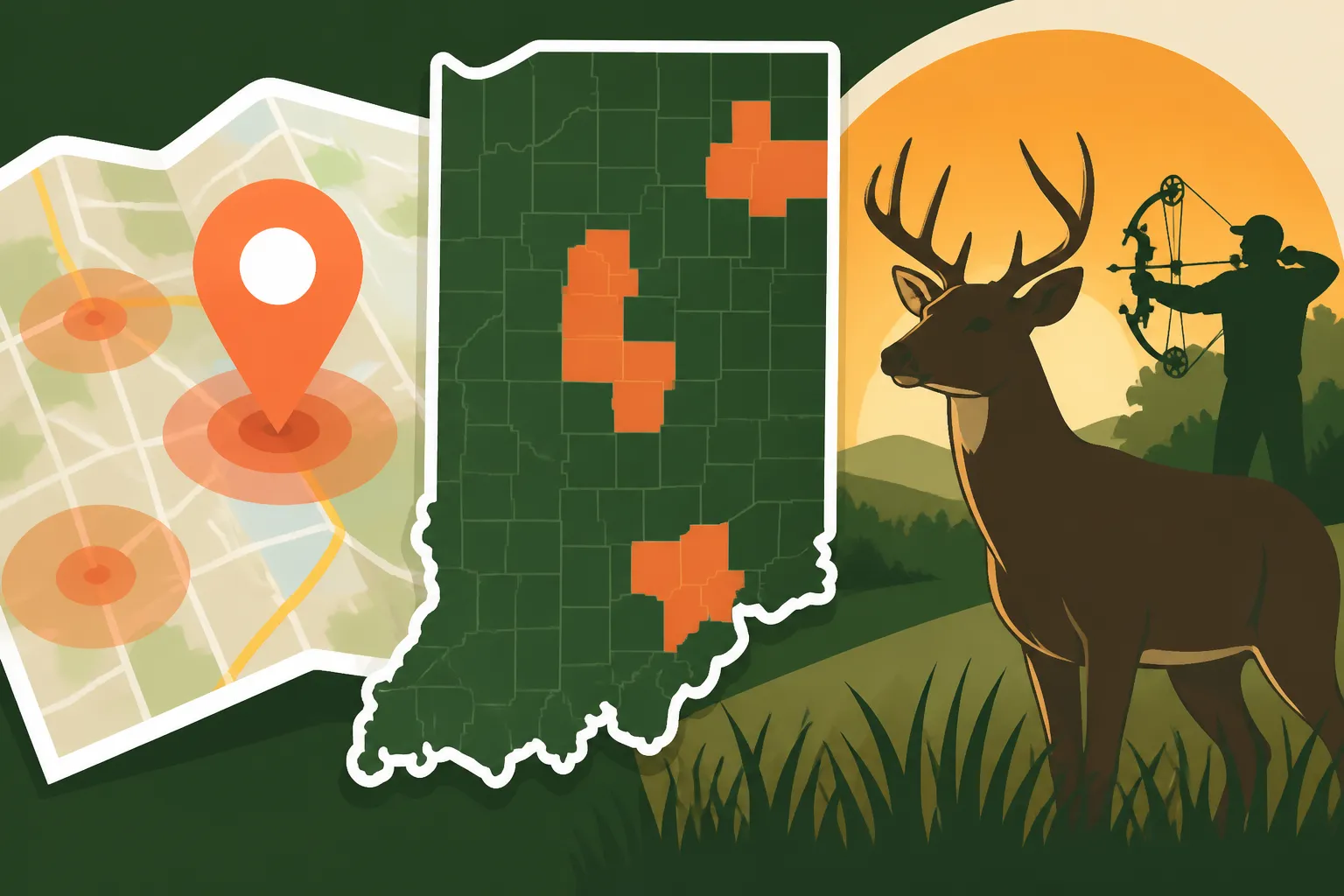
The Indiana DNR provides a list of counties and specific land areas designated as reduction zones each year. This is usually published in the annual hunting guide and can be found on their website. For a direct reference, you can look up Where Indiana's Deer Reduction Zones Are Located in the official DNR resources.
Overlap with Public and Private Lands
It's crucial to understand that deer reduction zones are not exclusively public land initiatives. In fact, many, if not most, reduction zones encompass a significant amount of private land. This means that while the regulations regarding seasons and bag limits apply to the entire designated zone, the access to hunt is still governed by land ownership.
- Hunting Private Land within a Reduction Zone: If you plan to hunt on private land within a reduction zone, you absolutely must obtain permission from the landowner. This is non-negotiable and legally required. The expanded opportunities in reduction zones can be a great selling point when asking for permission, as you're helping the landowner manage a deer population that might be causing them issues. Building these relationships is key, and our guide on Getting Private Land Permission in Indiana offers great tips. Sometimes, landowners are desperate for help with deer control and will welcome responsible hunters.
- Hunting Public Land within a Reduction Zone: Many of Indiana's Indiana Fish and Wildlife Areas (FWAs) or state forests, like those within Hoosier National Forest Hunting, might fall within or adjacent to designated reduction zones. While the general rules of the reduction zone apply, you still need to adhere to all specific FWA or state forest regulations, which can include sign-in requirements, specific hunting hours, or limitations on stand types. Always check the individual property rules in addition to the statewide reduction zone regulations. The DNR often has special hunts or rules for specific FWAs that align with reduction zone goals.
Knowing the blend of public and private land within these zones helps you strategize where to focus your efforts. A good strategy might involve scouting both public options and contacting landowners in prime private areas. Using mapping tools like GoHunt can make it much easier to identify private landowners and visualize boundaries, streamlining the process of asking for permission.
Strategic Hunting in a Reduction Zone
Hunting in a deer reduction zone presents unique opportunities, but it also requires a shift in strategy. These areas often have higher deer densities but also more complexities, whether it's dealing with proximity to suburban areas or the sheer amount of agricultural land. To make the most of your reduction zone hunt, you need to scout smart, adapt your tactics, and be prepared for extended seasons.
Scouting Smart for Pressured Deer
Even in areas with high deer numbers, the deer can become pressured quickly, especially if the zone is well-known to hunters. Deer in these areas are still wild animals and will adapt to evade human activity. Therefore, thorough and intelligent scouting is paramount:
- Focus on Neglected Cover: In zones close to human habitation or with high hunter traffic, deer will seek out the thickest, nastiest cover available. This might be small, brushy creek bottoms, overlooked briar patches, abandoned homesteads with dense overgrown areas, or even tiny pockets of timber surrounded by fields. Don't be afraid to get into the places others might avoid.
- Identify Remote Food Sources: While deer might hit obvious food plots or crop fields at night, during daylight hours, they'll often rely on less accessible food sources deep within cover. Look for mast crops (acorns, persimmons), browsed saplings, or even hidden pockets of green browse that offer both sustenance and security. Remember, Late-Season Food Sources for Indiana Whitetails become even more critical as the season progresses.
- Observe Entry and Exit Routes: Deer in pressured areas are masters of covert movement. Pay close attention to subtle funnels, pinch points, and secluded trails that connect bedding areas to feeding grounds. These might be along property lines, behind houses, or through dense fencerows.
- Use Trail Cameras Strategically: Place trail cameras in these less obvious travel corridors or deep cover areas. Intelligent camera placement can reveal deer patterns that ground scouting alone might miss, especially when deer are mostly moving at night. For tips, consider our detailed guide on Scouting Indiana Public Land Before Season.
Adapting Tactics for Urban and Agricultural Settings
The environment within reduction zones often dictates a more adaptable hunting approach than you might use in vast, unbroken forests.
- Ground Blinds are Your Friend: In suburban areas or on small private parcels, a well-brushed-in ground blind can be incredibly effective. They offer concealment, reduce your silhouette, and are less intrusive than a treestand in certain settings, especially where trees might be sparse or not ideal for a stand. They're also great for Hunting a Standing Soybean Field or Hunting a Standing Milo Field for Deer which are common in reduction zones.
- Focus on Small Woodlots and Fencerows: Many reduction zones consist of a patchwork of small woodlots and extensive agricultural fields. These smaller woodlots, even those that seem insignificant, can hold a surprising number of deer, especially if they offer thick cover. Fencerows, especially those with significant brush or mature trees, act as natural travel corridors and can be excellent ambush points. Our advice on Working a Fencerow for Late-Season Deer is particularly relevant here.
- Patience and Persistence: Extended seasons mean you have more time to hunt, but it also means deer can become even more nocturnal. Don't get discouraged if daytime activity is slow. Be patient, sit longer, and be prepared to hunt during marginal weather conditions when other hunters might stay home. Using specific digital tools like GoHunt can also provide property boundary details and landowner information which is vital for hunting the often-patchy lands in these zones.
- Consider Deer Drives on Private Land: On larger private land tracts within a reduction zone, small, organized deer drives can be an incredibly effective way to push deer out of dense cover and provide shot opportunities, particularly for antlerless deer. This requires careful planning, communication, and strict adherence to safety protocols. A useful resource is Deer Drives With Three or Four Hunters.
Making the Most of Extended Opportunities
The longer seasons in reduction zones are a gift, allowing you to hunt when deer patterns change due to weather or breeding cycles.
- Hunt the "January Lull": After the rut and the primary firearm seasons, many hunters hang up their gear. However, the extended archery and muzzleloader seasons in reduction zones offer excellent opportunities in December and January. Deer are focused almost entirely on food and bedding, making them more predictable if you can locate their preferred late-season food sources.
- Adapt to Cold Weather: As winter sets in, deer need to conserve energy. Look for them in sunny, south-facing slopes or thick conifer stands that offer thermal cover. Focus your efforts during the warmest parts of the day, as deer will often move to feed then. Preparing for Cold-Weather Sitting Strategy in Indiana will improve your chances dramatically.
- Target Specific Food Sources: In late season, deer become highly reliant on specific food sources that remain available. This might be standing corn or soybeans, brassicas, or leftover mast crops. Scouting for these critical food sources becomes your number one priority.
By being adaptable, patient, and leveraging the extended opportunities, you can have a highly successful and rewarding hunt in an Indiana deer reduction zone.
Hunter's Role in Deer Management and Community Impact
Hunting in deer reduction zones is more than just an opportunity to fill your freezer with extra venison; it's a direct contribution to Indiana's wildlife management efforts and plays a significant role in mitigating human-wildlife conflicts. As hunters, we have a responsibility to not only follow the rules but also to uphold the ethical standards that preserve our hunting heritage and foster positive community relations.
Ethical Considerations and Public Perception
In reduction zones, particularly those bordering or within suburban areas, hunters are often more visible to non-hunting members of the public. This increased visibility means our actions are under greater scrutiny, and it's essential to present hunting in a positive, respectful light.
- Practice Discrete Hunting: While hunting, aim to be as discreet as possible. Wear appropriate blaze orange or pink during firearm seasons, but consider your approach and exit routes to minimize public alarm. This might mean walking a longer path to your stand to avoid visible residential areas.
- Respect Property and Privacy: When hunting on private land, be hyper-aware of property lines and respectful of the landowner's wishes, as well as their neighbors' privacy. Never trespass, and ensure your actions cannot be misconstrued as dangerous or irresponsible.
- Responsible Harvest and Retrieval: Taking an ethical shot and making every effort to Tracking a Deer in Fresh Indiana Snow or blood trailing it, even Blood Trailing After Dark in Indiana until it's recovered, is always critical. But in a reduction zone, especially near populated areas, quick and efficient retrieval is even more important to avoid any negative public encounters. Field dressing should ideally be done discreetly or out of public view.
- Communicate Clearly: If you have permission to hunt on private land, it can be helpful for the landowner to inform close neighbors of your presence. This transparency can prevent misunderstandings and reduce calls to law enforcement.
- Educate and Advocate (Respectfully): If approached by non-hunters with questions, take the opportunity to respectfully explain the purpose of reduction zones – how hunting helps manage deer populations, reduce crop damage, enhance public safety, and contribute to herd health, especially concerning diseases like Indiana's Chronic Wasting Disease Positive Area.
By adhering to the highest ethical standards, hunters in reduction zones can be ambassadors for the sport, demonstrating responsible wildlife stewardship and helping to maintain positive public perception.
Supporting DNR Goals and Data Collection
Every deer harvested in a reduction zone, and indeed across the state, provides vital data to the Indiana DNR. Your participation as a hunter in these special zones directly supports the DNR's mission to manage and conserve Indiana's wildlife resources.
- Accurate Reporting is Key: As mentioned earlier, accurately and promptly Reporting a Deer Through Indiana's App is not just a legal requirement but a crucial contribution. The data collected from reported harvests helps wildlife biologists:
- Assess Population Trends: Understanding how many deer are harvested in specific areas helps them track population changes and determine if reduction efforts are effective.
- Evaluate Management Strategies: The data informs whether current reduction zone boundaries and regulations are achieving the desired outcomes (e.g., reducing crop damage, decreasing deer-vehicle collisions).
- Inform Future Decisions: This year's harvest data directly influences next year's season dates, bag limits, and reduction zone designations. Without it, the DNR is making decisions in the dark.
- Compliance with All Regulations: Following all rules – from tag usage to season dates and legal equipment – ensures the integrity of the data and the fairness of the hunting system. This includes specific antlerless requirements for reduction zones.
- Be a Steward of the Land: Beyond the harvest, consider yourself a partner with the DNR in managing wildlife. Report any unusual deer behavior, sick animals, or significant changes in habitat you observe. Your eyes and ears in the field are invaluable to wildlife professionals.
By embracing the role of an informed and responsible hunter, you become an active participant in Indiana's wildlife conservation efforts, helping to maintain healthy deer populations and reduce conflicts with human interests. Hunting in a reduction zone is a unique opportunity to directly contribute to these important goals while enjoying the pursuit of whitetails.
Disclaimer
The information provided in this guide is for general informational purposes only and is not intended as legal advice. Hunting regulations, including those pertaining to deer reduction zones, can change annually and may vary by specific location within Indiana. Always consult the most current official Indiana Department of Natural Resources (DNR) Hunting & Trapping Guide and local ordinances before engaging in any hunting activities. It is the hunter's sole responsibility to know and comply with all applicable laws and regulations.