Hunting Small Woodlots Near Suburban Indianapolis
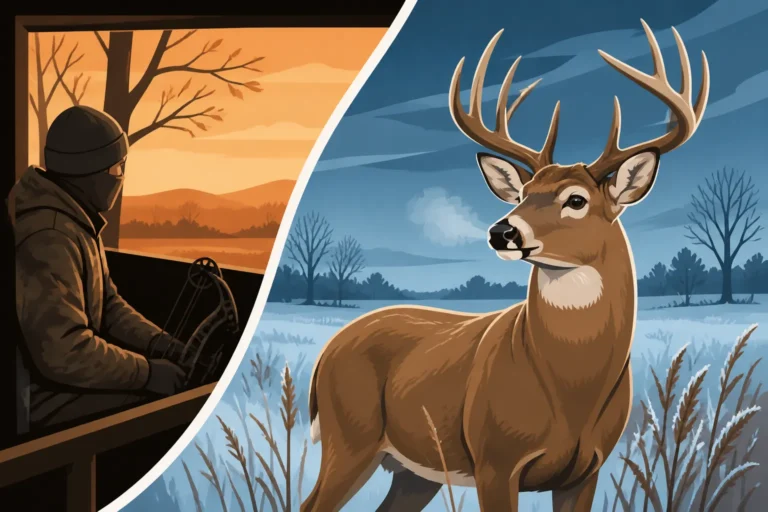
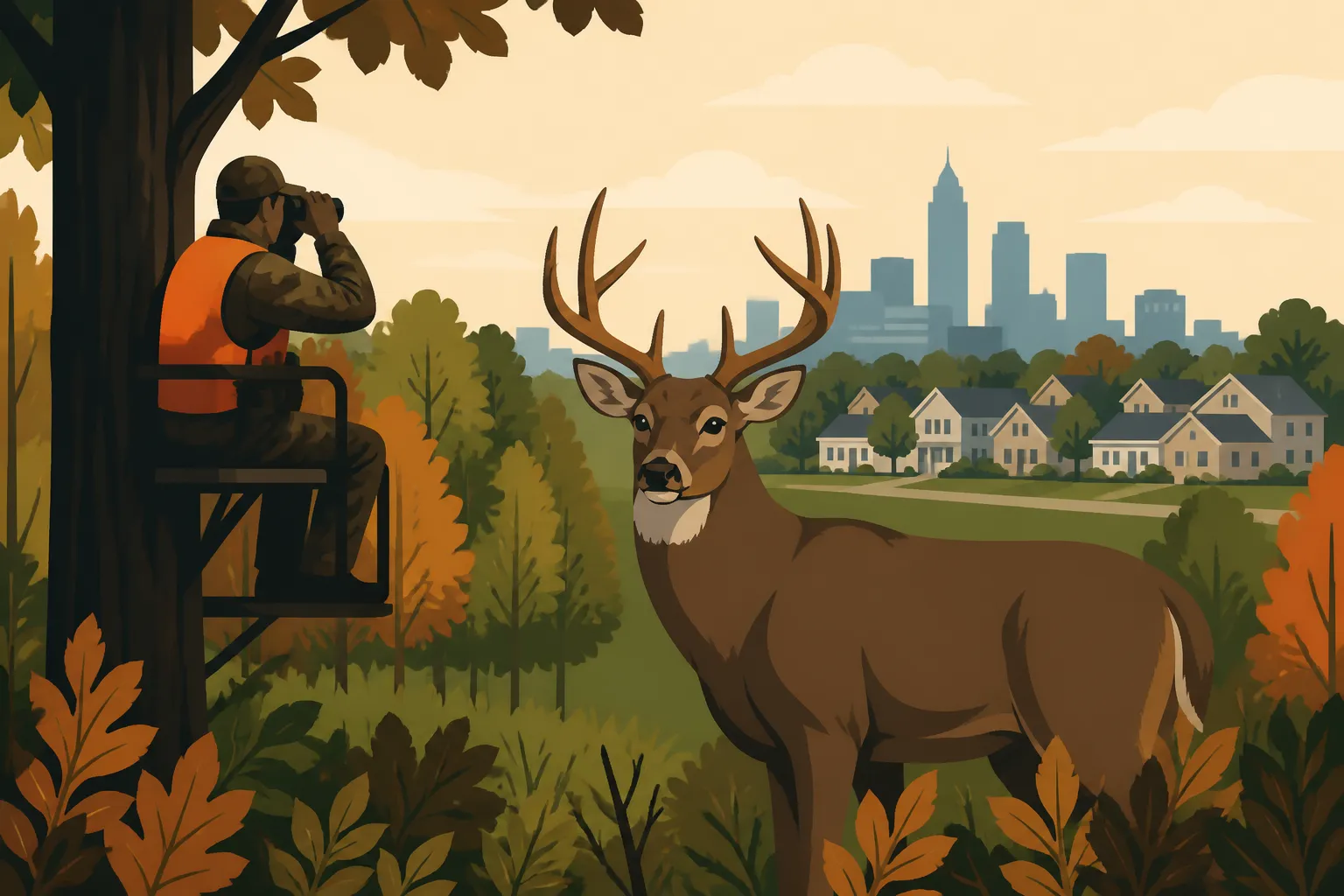
Hunting small woodlots near suburban Indianapolis can feel like you're trying to find a needle in a haystack, or worse, trying to hunt with an entire marching band behind you. The truth is, it's a real challenge to find deer, much less hunt them successfully, when you're dealing with limited space, nearby houses, and constant human activity. But don't despair – with the right mindset and tactics, these overlooked pockets of timber can absolutely hold mature whitetails. This guide is all about helping you understand, scout, and hunt these unique, often pressured, suburban environments effectively.
Understanding the Unique Challenges of Suburban Woodlots
Let's face it, hunting the fringe of Indianapolis isn't like heading deep into the Hoosier National Forest. The deer are different, the land is different, and your approach has to be too. It’s a completely different ballgame, and recognizing that is your first step to success.
Increased Pressure and Human Activity
One of the biggest hurdles in suburban woodlots is the sheer amount of human presence. You're not just competing with other hunters, but also dog walkers, joggers, kids on ATVs, and even just folks enjoying their backyard fire pit. This constant human scent and noise push deer into incredibly secretive patterns. They become nocturnal, move through the tightest cover imaginable, and are hyper-aware of any perceived threat. It's a frustrating reality for many hunters, as a deer that might walk by your stand at noon in a remote area will only step out under the cover of darkness here.
This pressure also means that the deer that do stick around are often the most cunning. They've learned to adapt, to recognize human patterns, and to use the landscape in ways that minimize their exposure. So, when you're out there, you're not just hunting a deer; you're hunting a deer that has a master's degree in evasion tactics.
Limited Space and Deer Movement Patterns
Another significant challenge is the size of these woodlots. Often, they're only a few acres, sometimes just a narrow strip of trees between housing developments or agricultural fields. This means deer don't have vast tracts to roam, and their travel corridors become incredibly predictable, yet also highly sensitive. You might have deer bedding in a thicket just a hundred yards from a playground, and moving to a small soybean field only after dark.
Understanding how deer use these limited spaces is crucial. They'll often stick to thick edges, drainage ditches, and any linear cover that offers concealment, however minimal. These narrow strips become high-traffic highways, but only at specific times. Your ability to read these micro-movements, often over just a few hundred yards, will dictate your success. It’s not about finding the biggest acorn flat, but about identifying that one hidden pinch point where deer feel secure enough to pass through during legal shooting hours.
Navigating Access and Regulations
Gaining access to these small private woodlots is often a matter of knocking on doors and building trust with landowners. Many landowners are dealing with deer eating their landscaping or becoming a nuisance, so offering to help manage the herd can be a compelling proposition. However, this also means you need to be acutely aware of property boundaries and local ordinances. Some suburban areas around Indianapolis might have archery-only rules, or strict firearm discharge setbacks from occupied dwellings. You absolutely need to know the specific rules for the area you're hunting. Misunderstandings can lead to lost hunting privileges, fines, or worse. Using tools like the Indiana DNR app or a mapping service like GoHunt can be invaluable for understanding property lines and public land snippets, even when primarily focusing on private tracts. Check out "Finding Indiana Property Lines" for more in-depth advice on this.
Scouting and Strategy for Small Suburban Tracts
Effective scouting is always important, but when you're dealing with tiny, pressured woodlots, it becomes the absolute cornerstone of your strategy. You need to be a detective, piecing together subtle clues that a deer has been there, not just that it might be there.
Interpreting Minimal Sign and Travel Corridors
In suburban woodlots, deer sign can be sparse and spread out. You might not find widespread rub lines or massive scrapes like you would in a sprawling forest. Instead, you'll be looking for subtle indications: a faint trail leading into a homeowner's flower bed, small rubs on saplings, or perhaps a few droppings along a creek bank. These small pieces of evidence are gold. They tell you where deer are feeling comfortable enough to move, even if it's just for a brief nocturnal visit. Focus on areas where cover is densest, or where natural funnels exist. Think about places deer might cross a small creek, duck under a fencerow, or skirt the back edge of someone's property. Even a single, fresh track can give you critical insight into recent movement.
Don't overlook the impact of human structures. A row of overgrown bushes along a property line, a discarded pile of brush, or even the space under a large cedar tree can serve as a bedding area or a momentary safe haven. The deer here aren't looking for pristine wilderness; they're looking for obscurity and escape.
Leveraging Aerial Maps and Local Knowledge
Before you even step foot in a woodlot, spend significant time studying aerial maps. Services like GoHunt are fantastic for this, allowing you to zoom in and identify potential bedding areas, travel corridors, and access points without disturbing the woods. Look for changes in vegetation, subtle elevation shifts, and pinch points created by human development like fences, roads, or buildings. You're trying to find the path of least resistance for a deer trying to avoid detection. Reading aerial photos for deer movement is a skill that translates across all regions, from "Reading Aerial Photos for Southern Indiana Deer" to the suburban fringes.
Local knowledge is also incredibly valuable. Talk to landowners, neighbors, and even local gardeners. They might unintentionally provide clues about where deer are crossing roads, what plants they're eating, or when they tend to show up. Often, the deer activity they complain about is precisely what you're trying to hunt. Remember, discretion is key when gathering this information – you want to build rapport, not announce your hunting plans to the whole neighborhood.
Low-Impact Entry and Exit Routes
This might be the most critical aspect of hunting small, pressured woodlots. Your entry and exit to and from your stand or blind must be undetectable. Even a single wrong move can spook every deer in a small tract for days. Plan your routes meticulously, using natural features like drainage ditches, creek beds, or dense fencerows to hide your approach. Always hunt with the wind in your favor, and if possible, approach from a direction that doesn't push scent across known bedding or travel areas.
Consider what time of day you'll enter and exit. If deer are highly nocturnal, you might need to get in well before dawn and stay well after dark to catch them moving during legal hours. Be absolutely silent, avoid snapping twigs, and watch every step. This stealthy approach is just as important as the stand itself. Think of it like a special forces operation: get in, accomplish the mission, and get out without leaving a trace. For more tips on stealthy approaches, consider reading about "Scouting Indiana Public Land Before Season" as many of the same principles apply.
Gear and Tactics for Close-Quarters Hunting
Hunting these small, suburban woodlots demands a specific set of gear and tactics. You can't just throw up a stand and expect success; you need equipment and a strategy that prioritizes stealth, efficiency, and ethical considerations.
Choosing the Right Weapon and Stand Setup
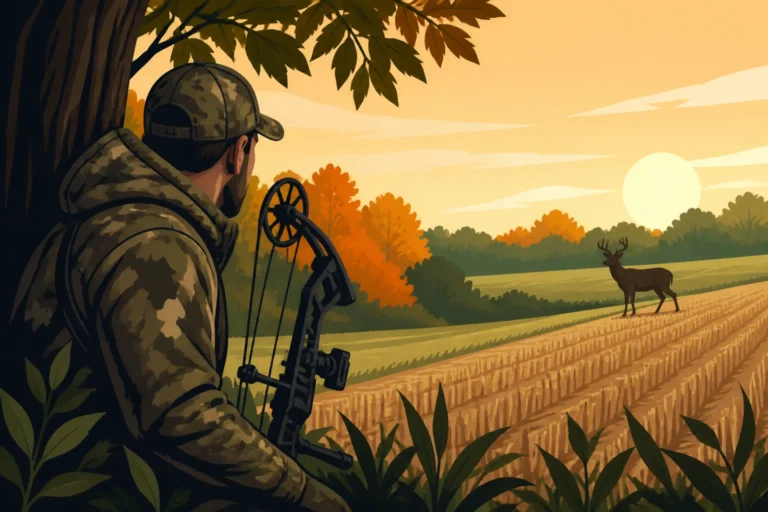
For close-quarters hunting, particularly where houses are nearby, archery equipment (bows and crossbows) is often the best choice, and sometimes the only legal option. It offers a quieter, more controlled shot with less risk of over-penetration beyond your target. Ensure your bow is perfectly tuned, and you're confident in your ethical shot placement at short distances. If allowed, a suppressed firearm could be considered, but always double-check local ordinances.
When it comes to stand setups, mobility and concealment are paramount. A climbing stand or a saddle hunting setup is often ideal because you can quickly adapt to changing deer patterns or wind directions. A portable treestand allows you to move to where the deer are, rather than hoping they walk past a permanent setup. Consider reading about "Portable Treestands Worth Packing In" or "Saddle Hunting in Indiana Hardwoods" for ideas. If a tree isn't suitable, a ground blind can be incredibly effective, especially if brushed in properly. Deer in these areas are used to seeing man-made objects like sheds or fences, so a well-placed and camouflaged ground blind can blend in surprisingly well. Learn more about effective ground blind use by checking out "Using a Ground Blind on Indiana Public Land."
Here's a quick comparison of popular options for small woodlots:
| Method | Pros | Cons | Best Use Case |
|---|---|---|---|
| Treestand | Elevates scent, broad view, good for narrow corridors. | Can be noisy to set up, limited by suitable trees. | Spot with clear lanes, good cover, and specific deer travel. |
| Ground Blind | Excellent concealment, good for multiple hunters, mobile. | Scent at ground level, limited visibility, can be hot. | Field edges, thickets, where trees are sparse or unsuitable. |
| Saddle Hunting | Extremely mobile, lightweight, 360-degree shooting. | Steep learning curve, requires suitable trees, less comfortable. | Adapting to changing patterns, deep entry/exit, quiet setup. |
| Still-Hunting | Highly adaptive, covers more ground quietly. | Requires immense patience and skill, hard in thick cover. | Sparse timber, scouting on the fly, stalking known bedding areas. |
Minimizing Scent and Sound
Because deer in suburban areas are so sensitive, scent control isn't just a recommendation; it's a requirement. This means full scent-elimination routines: showering with scent-free soap, washing clothes in scent-free detergent, and storing them in airtight bags or containers. Wear rubber boots to minimize ground scent. Even your breath can spook deer, so consider using scent-reducing sprays on your face and headwear.
Sound is equally critical. Every rustle, every squeak, every unnatural noise will put deer on high alert. Take your time getting to your stand, avoid talking, and ensure your gear is quiet. Lubricate any squeaky parts on your stand, keep calls and other items from clanking together, and use a silent release if bowhunting. This level of meticulousness might seem excessive, but it's what differentiates a successful hunt from an empty stand in these challenging environments.
Ethical Shot Placement and Quick Recovery
Given the proximity to homes and potential for public interaction, ethical shot placement and quick recovery are paramount. You want a clean, humane kill, and a deer that doesn't run far. This means only taking high-percentage shots at distances you're absolutely comfortable with. Practice shooting from your stand setup, focusing on tight groups. Pass on questionable shots, even if it means going home empty-handed.
If you do make a shot, give the deer enough time before tracking, especially if it's a marginal hit. Have a clear plan for recovery. This might involve calling in a tracking dog if legal, or having a trusted friend help with the search. Be prepared to field dress the animal quickly and efficiently, perhaps using the gutless method to reduce scent and mess, and to get the meat cooled as soon as possible, especially during warmer early archery seasons. See "Field Dressing a Deer in Cold Weather" for general field dressing tips, many of which can be adapted. Being able to retrieve and transport your deer discreetly and respectfully is part of the challenge and responsibility of suburban hunting.
Building Relationships and Maintaining Access
Hunting small woodlots near Indianapolis isn't just about deer; it's also about people. Your long-term success often hinges on how well you manage relationships and represent hunters in the community.
Respecting Property Owners and Neighbors
This cannot be stressed enough: treat every landowner and neighbor with the utmost respect. You are a guest on their property, and their goodwill is essential. Always ask for permission, and communicate clearly about when and where you'll be hunting. Share your success, perhaps offering some venison, and always go above and beyond to clean up any trash or even help with small chores on their property.
Neighbors are also crucial. They might not be directly involved, but their perception of hunting can impact your access. Be considerate of their privacy and peace. Avoid loud noises, park respectfully, and ensure any harvested game is transported discreetly. A simple conversation with a concerned neighbor can often clear up misconceptions and prevent issues. Remember, your actions reflect on all hunters. Read more about gaining access with "Knocking on Doors in Indiana Farm Country" – many of the principles apply even in suburban settings.
Handling Public Perception and Non-Hunters
In suburban areas, you're likely to encounter non-hunters, some of whom may have negative views about hunting. It's your responsibility to be a good ambassador. Always display proper blaze orange during firearms seasons as per "How Much Blaze Orange Indiana Requires", even if you're only carrying archery equipment. Be courteous, answer questions politely, and try to educate rather than confront. Explain the role hunting plays in wildlife management, especially in controlling deer populations that might otherwise cause property damage or increase deer-vehicle collisions.
Your gear, your appearance, and your demeanor all contribute to public perception. Present yourself as a responsible, ethical outdoors person. This might mean carrying a discreet game bag for transport, or simply being mindful of how you're perceived when entering and exiting the woods. By being a good neighbor and a responsible hunter, you not only secure your own hunting future but also help improve the image of hunting for everyone. The "Indiana Deer Season Structure Explained" is always a good read to ensure you're up-to-date on all regulations that might apply.
Disclaimer
Please remember that hunting regulations and property laws can change. Always consult the most current Indiana Department of Natural Resources (DNR) regulations and local ordinances before heading afield. This guide provides general advice and should not be considered a substitute for official legal or regulatory guidance.