Where Indiana’s Deer Reduction Zones Are Located
For many Indiana hunters, especially those of us trying to put venison in the freezer or help manage local deer populations, the term "Deer Reduction Zone" can sometimes feel a bit murky. It's not always clear where these zones are, why they exist, or how the rules might be different from your typical deer season. This guide is here to untangle all that confusion, giving you a clear roadmap to understanding and effectively hunting in Indiana's special deer reduction zones.
What Exactly Are Indiana's Deer Reduction Zones?
Deer Reduction Zones (DRZs) aren't just arbitrary lines on a map; they're a critical tool the Indiana Department of Natural Resources (DNR) uses to manage localized deer populations in areas where deer-human conflicts are particularly high. Think of them as designated problem areas where the goal isn't just recreational hunting, but active population management to reduce negative impacts.
Understanding the "Why" Behind Reduction Zones
The creation of a Deer Reduction Zone is almost always a response to significant problems caused by an overabundance of deer in a specific locality. This isn't usually about the total deer population across the entire state, but rather concentrated issues in certain areas. One of the most common reasons is severe agricultural damage. Farmers in certain counties can face devastating crop losses due to deer browsing, impacting their livelihoods. In these situations, allowing hunters more opportunities to harvest deer can provide crucial relief.
Beyond agriculture, urban and suburban areas often experience increased deer-vehicle collisions. While deer are beautiful animals, a spike in accidents on roadways can pose serious safety risks and economic burdens. Similarly, significant damage to residential landscaping, gardens, and even certain tree nurseries or commercial properties can lead to calls for more aggressive deer management. The DNR aims to strike a balance between a healthy deer herd and minimizing these negative interactions, and DRZs are a key part of that strategy. They recognize that what works for a remote stretch of the Hoosier National Forest might not be appropriate for the outskirts of a growing town.
How Reduction Zones Are Designated and Reviewed
The process for establishing a Deer Reduction Zone is a pretty thoughtful one, involving careful analysis and, sometimes, local input. The DNR doesn't just wake up one morning and decide to make a new zone; it's typically data-driven. They look at things like deer-vehicle collision statistics, reports of agricultural damage, and input from landowners and local government entities. It's a localized assessment, not a blanket decision.
These zones are not permanent fixtures, either. They are typically reviewed annually or periodically to see if they're still needed or if the situation has changed. This adaptive management approach ensures that the zones are serving their intended purpose effectively. It means that while many reduction zones are in consistent locations year after year, it's always wise to double-check the latest regulations and maps from the Indiana DNR to confirm the current boundaries and rules before planning your hunt. The boundaries can sometimes be subtle, following county lines, major roadways, or even specific property boundaries, making a detailed map essential.
Locating the Current Deer Reduction Zones Across Indiana
Finding the precise locations of Indiana's Deer Reduction Zones is absolutely critical before you head out into the woods. These aren't always sprawling, easily identifiable regions, and their boundaries can sometimes be quite specific. Relying on outdated information could lead to confusion or, worse, unintended violations.
Official Resources for Identification
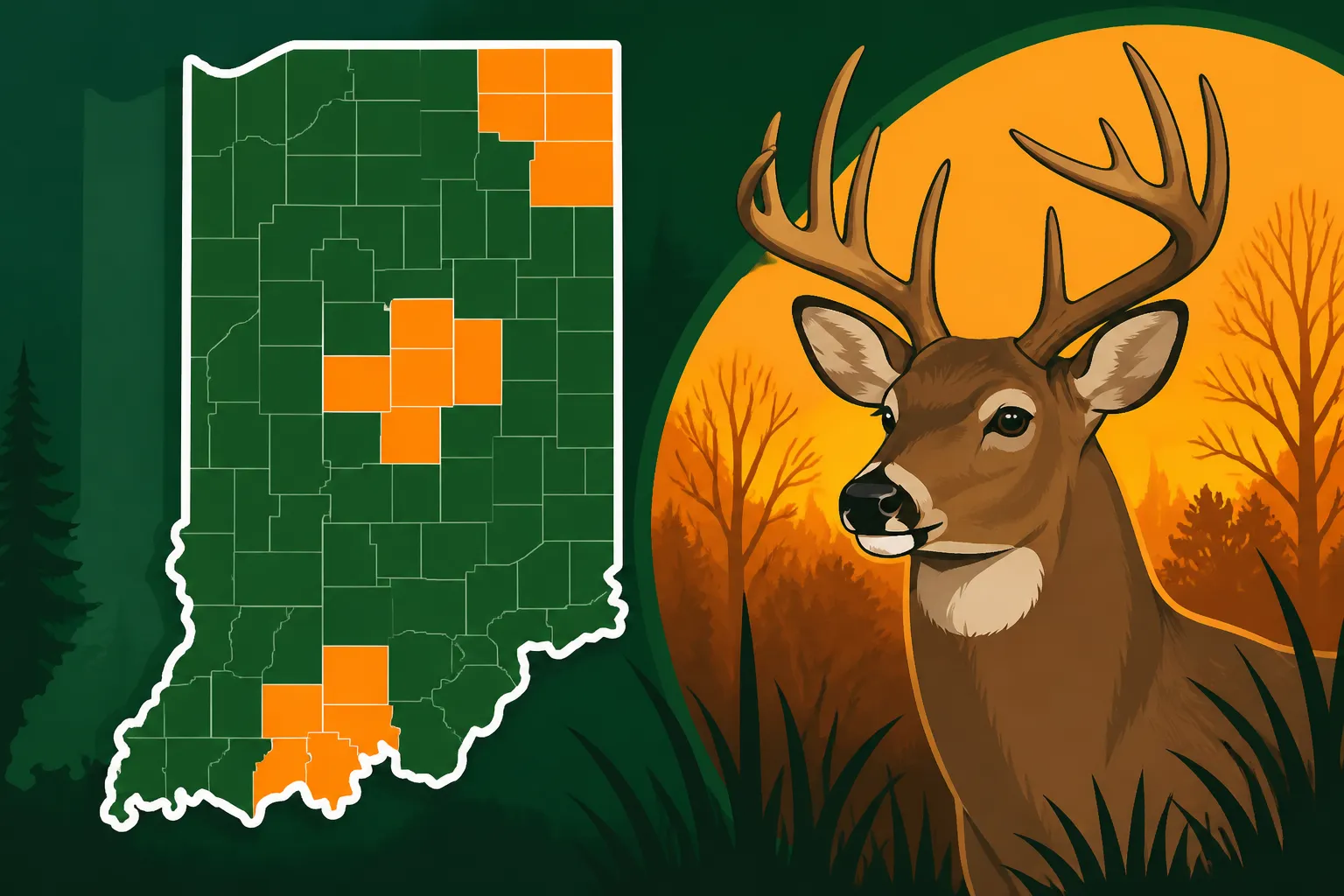
The absolute best and most up-to-date source for locating current Deer Reduction Zones is always the official Indiana Department of Natural Resources (DNR) website. They publish an annual hunting and trapping guide that clearly lists the counties or specific areas designated as reduction zones for each season. Beyond a simple list, the DNR often provides detailed maps or interactive tools that allow you to zoom in and see the exact boundaries. This is especially important because sometimes only parts of a county might be included in a reduction zone, or the zone might encompass specific townships or urban areas.
Many experienced hunters rely on mapping applications like GoHunt, which often integrate official DNR data. While GoHunt can be a fantastic tool for scouting and understanding property lines, always cross-reference with the official DNR site for regulatory specifics. These digital platforms can overlay reduction zone boundaries onto topographic and aerial maps, giving you a much clearer picture of where you can and cannot utilize the special reduction zone rules. Checking these resources annually, usually before the season kicks off in the fall, is a non-negotiable step in your hunting preparation.
Common Characteristics of Reduction Zones
While the specific locations of Deer Reduction Zones can vary year to year, they often share some common characteristics. You'll typically find them in areas that fit the "deer-human conflict" profile we discussed earlier.
- Suburban and Exurban Areas: Many DRZs are found on the fringes of larger towns and cities, or in growing suburban communities. Here, deer populations can thrive due to abundant landscaping, limited natural predators, and lower hunting pressure compared to rural areas. This leads to increased conflicts like garden damage and vehicle collisions.
- Agricultural Interfaces: Areas where extensive farmlands meet woodlots or other natural cover are prime candidates. Deer will often bed in the timber and feed heavily in nearby corn, soybean, or specialty crop fields, causing significant economic losses for farmers.
- Specific Parks or Properties: Sometimes, a reduction zone might be very localized, encompassing a particular county park, state property, or even a large private landholding where deer management is acutely needed. These can be trickier to identify without consulting precise maps. For example, some areas around Indianapolis or Fort Wayne, where urban development meets green spaces, might periodically become reduction zones. You might find a zone around a large state park like Brown County State Park, not because the park itself has too many deer for its habitat, but because deer exiting the park cause issues in surrounding private lands. Understanding these characteristics can give you an educated guess, but never replace official verification.
Special Rules and Bag Limits in Reduction Zones
Hunting in a Deer Reduction Zone isn't just about different locations; it comes with a set of distinct rules designed to specifically address the goal of population reduction. Ignoring these nuances can lead to missed opportunities or, worse, regulatory issues. These zones provide a unique opportunity for hunters to contribute directly to wildlife management efforts while often enjoying extended hunting periods and increased harvest potential.
Extended Season Dates for More Opportunities
One of the most significant advantages of hunting in a Deer Reduction Zone is the extended season dates. Unlike the general statewide seasons for archery, firearms, and muzzleloader, reduction zones often open earlier and/or close much later, sometimes running into late January. This prolonged hunting window is specifically implemented to give hunters more time to pursue deer and help meet the management objectives.
For instance, the reduction zone season typically opens around September 15th, aligning with the general archery season, but can extend significantly beyond the statewide firearms and muzzleloader closes, often lingering well into the new year. This means that even after other seasons have wrapped up, you might still have a chance to hunt in a designated reduction zone. This can be especially valuable for harvesting late-season deer when food sources are concentrated and deer patterns might be more predictable. Always verify the specific dates for the current year through the DNR's official regulations, as they can sometimes shift slightly. This extended window is perfect for those who want more time afield after the main rush of "Indiana's Firearms Deer Season" or when "Hunting the Late-Season January Lull" sets in.
Antlerless Focus and Increased Bag Limits
The primary goal of deer reduction zones is to reduce the overall deer population, and the most effective way to do this is by increasing the harvest of does. As such, the rules in these zones heavily emphasize antlerless deer. You'll find that hunters often have additional antlerless tag opportunities beyond what's allowed in non-reduction zone areas. This is a key difference and a major incentive for hunters focused on venison and population control.
In a reduction zone, you can typically harvest up to two deer per legal day, provided at least one of them is antlerless. This rule applies even if you've already filled your statewide antlered bag limit. You're essentially given extra tags specific to the reduction zone for antlerless deer. This is crucial for controlling herd growth, as harvesting a doe removes not only that animal but also her potential offspring for the following year. It's a direct way to impact population numbers. Understanding "How Reduction Zone Bag Limits Differ" is vital. Remember, these specific reduction zone antlerless tags are only valid within the boundaries of a designated reduction zone. If you're looking to consistently put venison on the table, focusing on "Filling an Antlerless Tag in a Reduction Zone" is a highly effective strategy.
Weapon Rules and Specific Permits
Regarding weapon rules, generally, whatever legal weapon types are permitted for deer hunting in Indiana during the regular seasons (archery, crossbow, firearms, muzzleloader) are also permissible in a Deer Reduction Zone during their respective open periods. This means you can use your compound bow, crossbow, handgun, shotgun, muzzleloader, or now, even a legal rifle after the recent statewide rule changes.
However, it's always a good practice to confirm any hyper-local rules that might apply, especially if the reduction zone is within a more populated area or a specific park. Some urban or suburban zones, for instance, might be archery-only for safety reasons, even if the statewide rule allows firearms. This is less common but worth verifying. For the most part, though, you won't need a "special permit" beyond your standard Indiana hunting license and deer tags. The reduction zone status simply modifies how many tags you can use, and for what type of deer, within those specific boundaries. Always make sure you have your current hunting license and any necessary deer tags, which can be purchased conveniently through the Go Outdoors Indiana website. If you're new to the state or need a refresher on the basics, checking the details on "Indiana Hunting Licenses and What They Cost" is a great first step.
Effective Hunting Strategies for Reduction Zones
Hunting in a Deer Reduction Zone often presents a unique set of challenges and opportunities compared to traditional, large-tract hunting grounds. The deer behavior, available habitat, and proximity to human activity all require a more adaptive and often more subtle approach.
Scouting and Property Access Challenges
One of the biggest hurdles in reduction zones is often gaining access to huntable land. Many reduction zones are situated in areas with a mix of smaller private parcels, scattered woodlots, and sometimes public lands that see heavy recreational use. This fragmentation means you might be dealing with smaller, more irregular patches of habitat. Successfully navigating these zones often boils down to diligent scouting and, most importantly, securing private land permission.
Knocking on doors and building relationships with landowners is frequently the most effective way to find good hunting spots. Many homeowners or farmers in reduction zones are eager for help managing deer, but they need to trust the hunters on their property. Being polite, respectful, and offering to share venison can go a long way. Use tools like GoHunt or other land ownership apps to identify property boundaries and landowner names, making it easier to contact them. Pay close attention to subtle deer sign in these fragmented areas – trails leading into thick cover near residential developments, rub lines on ornamental trees, or droppings in backyards can all indicate activity. Remember, when "Hunting Small Private Tracts in Indiana", stealth and minimizing disturbance are paramount. Always ensure you have a clear understanding of "Indiana Trespass and Permission Law" before stepping onto any private land.
Adapting Your Approach for Pressured, Fragmented Habitats
Deer in reduction zones are often more accustomed to human presence but also more wary of direct hunting pressure. This requires a shift in tactics from what might work in a remote forest. Forget about wide-open stands or long-range glassing. Instead, focus on close-quarters hunting.
- Ground Blinds and Natural Cover: Utilizing pop-up ground blinds brushed into fencerows, thickets, or wooded edges is often more effective than traditional treestands, especially on smaller properties or in areas with limited suitable trees. Deer are often using these thick, brushy areas for bedding and travel in close proximity to human activity. Learning "Using a Ground Blind on Indiana Public Land" tactics can be directly applied to private ground in a reduction zone.
- Ambush Points: Identify pinch points, funnels between woodlots, or edges where deer transition between bedding cover and food sources (like suburban gardens, agricultural fields, or green spaces). These deer tend to move quickly and cautiously, so being in the right spot at the right time is key.
- Hunt the Edges: Deer in fragmented habitats often hug cover. Instead of trying to get deep into a small woodlot, focus your efforts on the very edges where they feel secure but are still venturing out to feed or travel.
- Quiet Entry and Exit: Given the proximity to homes and other activities, minimize noise and movement during your entry and exit. Parking your vehicle discreetly and walking in quietly can make a huge difference in not alerting deer or neighbors.
Maximizing Your Opportunities in the Extended Season
The extended season in reduction zones provides a fantastic opportunity, especially during the late season when other hunts are closed. Deer patterns often become more predictable as winter progresses, as they're solely focused on finding food and cover.
- Late-Season Food Sources: Target whatever reliable food sources remain. This could be standing corn, soybean stubble, winter wheat, food plots, or even acorns that have persisted under snow. In suburban areas, deer might even be hitting ornamental shrubs or landscaping. Understanding "Late-Season Food Sources for Indiana Whitetails" is crucial.
- Weather Patterns: Cold fronts and snow can concentrate deer activity, making them move more during daylight hours to feed. Be prepared to hunt in adverse weather, as these can be some of the most productive days.
- Multiple Tags: Don't hesitate to utilize your increased antlerless tag opportunities. The goal of a reduction zone is to remove deer, and every antlerless deer harvested contributes directly to that goal. If you've been focused on "Hunting the Rut in Early November" for a buck, the reduction zone season offers a different kind of challenge and reward.
- Scouting the "Off" Hours: Even outside of hunting hours, subtle scouting can be done from a vehicle or by observing fields at dawn and dusk. Pay attention to exactly where deer are entering fields or crossing roads. This can help you identify a good ambush point or an area where a landowner might be willing to grant permission. Using the Indiana DNR app or a tool like GoHunt to mark these observations can be incredibly beneficial for planning your next sit.
By understanding the unique environment of Deer Reduction Zones and adapting your strategies accordingly, you can significantly increase your chances of success, fill your freezer, and contribute positively to wildlife management in Indiana.
| Deer Reduction Zone Key Characteristics | Standard Statewide Season | Deer Reduction Zone |
|---|---|---|
| Primary Purpose | Recreational Harvest | Population Control, Reduce Deer-Human Conflict |
| Season Length | Defined, Shorter | Extended (often opening earlier and/or closing much later) |
| Antlered Bag Limit | 1 per hunter (statewide) | 1 per hunter (statewide) |
| Antlerless Bag Limit | Varies by region/tag type | Increased opportunities, often extra tags available |
| Daily Bag Limit | 1 deer per day | Up to 2 deer per legal day (at least 1 antlerless) |
| Typical Location | Widespread, all habitats | Concentrated in urban/suburban fringes, agricultural interfaces |
| Permission Needed | Yes (private land) | Crucial for access due to fragmented habitat |
| Weapon Rules | Standard | Standard, but always check for hyper-local (e.g., archery-only) restrictions |
Disclaimer
The information provided in this guide is for general informational purposes only and is not intended to be a substitute for official hunting regulations. Hunting laws and regulations in Indiana can change annually. It is the hunter's sole responsibility to consult the most current Indiana Department of Natural Resources (DNR) hunting and trapping guide and any local ordinances before engaging in any hunting activities. Always prioritize safety, ethical hunting practices, and compliance with all applicable laws.