Indiana Reduction Zone Application Window
Trying to figure out the maze of Indiana's deer hunting regulations can feel like a full-time job, especially when you're looking to help manage the deer population in specific areas. It’s frustrating when you know there are ample deer in certain spots, yet the regular season tags feel restrictive or the dates don't quite align with when you can get out. This guide is here to untangle the specifics of the Indiana Reduction Zone application window, helping you understand how these zones work and how to apply for the opportunities they present.
Understanding Indiana's Deer Reduction Zones
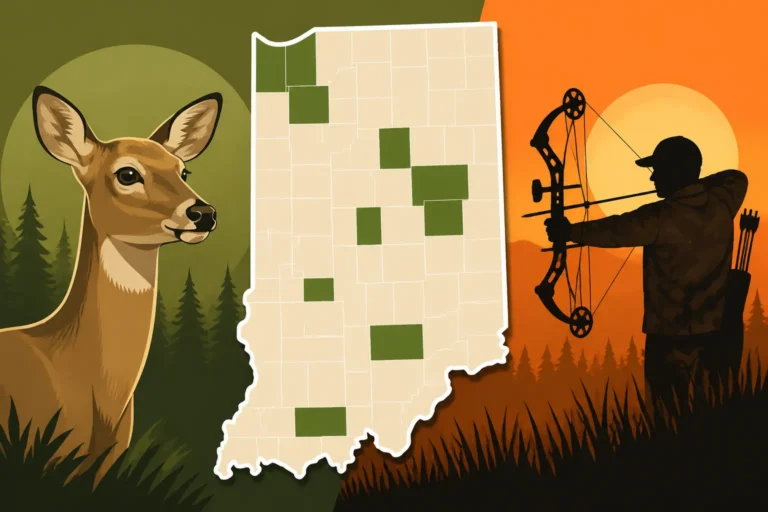
Indiana's deer reduction zones are a critical component of the state's deer management strategy, designed to address localized deer overpopulation issues. These aren't just random designations; they're thoughtfully implemented in areas where deer populations consistently exceed the carrying capacity of the land or cause significant problems for residents and landowners. Think about those suburban neighborhoods where deer are practically lawn ornaments, or agricultural areas where crop damage is rampant. That’s often where you’ll find reduction zones.
The main goal is to reduce the overall deer herd in these specific, often high-impact, areas. This helps mitigate issues like deer-vehicle collisions, extensive property and crop damage, and the potential for disease transmission within an overly dense deer population. For hunters, it offers an incredible opportunity to extend their time in the field and contribute directly to local wildlife management efforts, often with more liberal bag limits.
Why Reduction Zones Exist and Their Impact
The creation of reduction zones isn't about limiting hunter access; it's quite the opposite. These zones are established in response to clear ecological and societal needs. In many parts of Indiana, especially near urban edges or in intensive agricultural landscapes, deer numbers can simply get too high for the habitat to sustain without significant negative consequences. When deer density is too high, you see browse lines appear on trees, native plant communities suffer, and regeneration of forest understory becomes nearly impossible. This impacts not just deer, but countless other species that rely on a healthy ecosystem.
From a human perspective, the impact is tangible and often costly. Farmers bear the brunt of crop damage, which can translate into significant financial losses. Homeowners in exurban or suburban areas deal with landscaping damage, and unfortunately, a higher incidence of deer crossing busy roads leads to more accidents and safety concerns. By allowing for increased harvest in these targeted areas, the Indiana Department of Natural Resources (DNR) aims to restore a healthier balance between deer populations and their environment, while also alleviating pressure on human infrastructure and livelihoods. It’s a win-win: hunters get more opportunities, and communities get a more balanced ecosystem.
Key Differences from General Deer Season
Hunting in a reduction zone comes with a few distinct advantages and operational differences compared to the general statewide deer seasons. The most significant divergence lies in the bag limits and the types of tags that can be used. In reduction zones, hunters are often granted additional antlerless tags, allowing them to harvest more does than typically permitted in other areas. This focus on antlerless deer is intentional, as harvesting does is the most effective way to manage and reduce overall deer population numbers.
Another key difference is the extended season length. Many reduction zones open earlier and close later than the regular deer seasons, providing hunters with a much broader window of opportunity to be afield. This extended season, often aligning with the archery season, allows hunters to take advantage of periods when deer activity might be higher or when vegetation provides better cover for stalking or stand placement. For instance, you might be able to start hunting deer in reduction zones as early as September 15th, and continue through the late January closure, depending on the specific zone. This extended period helps ensure that enough deer are harvested to meet the management objectives, and it allows hunters flexibility that isn’t always available during the more compressed statewide seasons.
| Feature | General Deer Season | Deer Reduction Zone |
|---|---|---|
| Primary Goal | Sustainable harvest, recreation | Population reduction, damage control |
| Bag Limits | Typically 1 antlered, 1-2 antlerless | Often multiple antlerless tags |
| Season Length | Standard dates (archery, firearms, muzzleloader) | Extended dates, often earlier/later |
| Emphasis | Balanced harvest | Antlerless harvest |
| Location | Statewide | Specific, designated high-density areas |
| Permits Required | Standard deer licenses/tags | Standard licenses + specific reduction zone tags |
This table clearly illustrates how How Reduction Zone Bag Limits Differ from standard hunting regulations.
Navigating the Indiana Reduction Zone Application Process
So, you're keen to jump into a reduction zone hunt? Great! But before you grab your bow or rifle, you need to understand the application process. It’s not always a straightforward purchase of a tag. Sometimes, these hunts require a draw, or there are specific steps to follow to secure your spot. The whole process is managed through the Indiana DNR's online portal, Go Outdoors Indiana, which is your go-to resource for everything from license purchases to special hunt applications.
This online system is designed to streamline things, but like any governmental portal, it can have its quirks. The most important thing is to be proactive and informed, especially when it comes to deadlines. Don't wait until the last minute, because technical glitches or forgotten passwords can easily derail your plans.
When the Application Window Opens and Closes
The application window for Indiana Reduction Zones varies significantly based on whether you're talking about general reduction zone tags, which are typically available over-the-counter or through the Go Outdoors Indiana system for purchase, or special managed hunts within those zones.
For general reduction zone tags, which allow you to hunt in designated areas with extended seasons and increased antlerless bag limits, there isn't typically a formal "application window" in the sense of a lottery draw. Instead, these bonus antlerless tags become available for purchase when the season opens, often aligning with the archery season in mid-September, and remain available throughout the designated reduction zone season. You simply buy them as an add-on to your standard deer license. These are often called "reduction zone tags" or "bonus antlerless tags" and their purchase allows you to harvest additional does beyond your regular statewide bag limit, exclusively within a designated reduction zone.
However, for specific managed hunts within reduction zones, especially those on private lands or highly desirable public tracts that have limited access, there will be a specific application window and a lottery drawing process. These managed hunts are often held in places like state parks or specific Fish & Wildlife Areas (FWAs) that fall within a reduction zone, offering controlled access to hunters. The application period for these special managed hunts typically occurs in late summer, often July or August, for hunts that take place in the fall and winter. The exact dates can shift slightly year to year, so it is absolutely crucial to check the official Indiana DNR website or the Go Outdoors Indiana portal as early as June or July for the most current information. Missing this window means missing out on the opportunity to apply for these unique, often very successful, hunting experiences.
Step-by-Step Application through Go Outdoors Indiana
Once you’ve confirmed there’s a specific managed hunt you want to apply for within a reduction zone, the process usually goes like this:
- Access Go Outdoors Indiana: Head over to the official Go Outdoors Indiana website. If you don't already have an account, you'll need to create one. This involves providing personal details like your name, address, and date of birth, and linking it to your Indiana Hunter Education certification if you have one.
- Navigate to Special Hunts: Once logged in, look for a section related to "Special Hunts" or "Controlled Hunts." This is where the applications for specific reduction zone managed hunts, as well as other limited-access hunts, are typically housed.
- Find the Relevant Hunt: Browse the available hunts and select the specific reduction zone hunt you're interested in. Pay close attention to the details: location, dates, weapon type restrictions, and any specific rules that apply. You might find opportunities to hunt in places like Atterbury Fish and Wildlife Area or other popular spots that are often part of reduction efforts.
- Complete the Application: The application form will usually ask for your contact information, your hunting license details, and often, your preferences for hunt dates or locations if multiple options are available. Some applications may require a small fee to process. This fee is generally non-refundable, regardless of whether you are drawn.
- Confirm and Submit: Review all the information carefully before submitting. Once submitted, you should receive a confirmation email or a confirmation number. Keep this handy!
- Check Draw Results: After the application window closes, the DNR conducts the draw. You'll typically be notified via email, or you can check the results directly on the Go Outdoors Indiana portal by a specified date. Many hunters find platforms like GoHunt invaluable for staying on top of these dates and notifications.
For purchasing general reduction zone antlerless tags, the process is simpler:
- Log in to Go Outdoors Indiana: Go to the website and log into your account.
- Purchase Licenses/Tags: Navigate to the section for purchasing licenses and permits.
- Select Reduction Zone Tag: Look for "Deer Reduction Zone Antlerless Tag" or similar. You'll typically be able to purchase multiple of these tags, each valid for one antlerless deer in a designated reduction zone.
- Complete Purchase: Add to cart and complete the payment process. Your tags will be added to your electronic license profile.
Information Needed and Tips for Success
To apply for any special hunt or purchase tags, you'll always need your Indiana hunting license in good standing. Make sure your hunter education certification is linked to your profile on Go Outdoors Indiana. Beyond that, personal identification information (like your driver's license number) and a valid payment method (credit/debit card) are essential.
When it comes to increasing your chances in a lottery draw for managed hunts within a reduction zone, a few strategies can help. First, consider applying for hunts that might be less popular. Everyone wants to hunt the "best" areas, but often, success rates are higher for those willing to venture into less-known or slightly more challenging zones. Second, ensure you understand the Indiana Reduction Zone Draw Odds for different hunts, if that data is available. Sometimes, applying as part of a group can improve your odds, or applying for multiple different hunt options, if permitted.
Also, be aware of the "preference point" system if one is in place for these specific hunts, though for general reduction zones, it's typically first-come, first-served for tag purchases. Lastly, always double-check the rules for the specific reduction zone you plan to hunt. Some have specific weapon restrictions, unique sign-in procedures, or even require you to report your harvest at a physical check station rather than just online. Being prepared for these specifics can prevent headaches later on.
Maximizing Your Hunt in a Reduction Zone
Getting a reduction zone tag or being drawn for a special hunt is just the beginning. Now comes the exciting part: putting boots on the ground and making the most of the opportunity. Reduction zones offer unique challenges and rewards, often requiring a slightly different approach than your typical deer hunt in big timber.
Remember, these areas are designated because deer populations are high, but often, human activity is also high. You might be hunting closer to residential areas, along field edges, or in smaller woodlots than you’re used to. This means adapting your scouting and hunting strategies to account for increased pressure and different habitat types.
Strategies for Successful Hunting in These Unique Areas
Hunting in reduction zones often means getting creative and being highly adaptable. These zones frequently encompass a mosaic of small woodlots, suburban green spaces, agricultural fields, and river bottoms. Deer here are often used to human activity, but they are also incredibly wary.
- Scouting is Paramount: Even with high deer numbers, finding their specific travel corridors, bedding areas, and feeding patterns is key. Pay close attention to pinch points, fencerows, and creek crossings that connect smaller woodlots or provide cover between food sources. Using tools like OnX or other mapping applications to identify these features, especially near developed areas, can be incredibly beneficial. Focus on areas where deer feel safe, even if it's just a small thicket.
- Utilize Public and Private Land Access: Many reduction zones include a mix of public and private land. While public areas can be pressured, often the sheer volume of deer means opportunities still exist, especially if you're willing to walk a bit further than others. For example, some hunters find success with tactics like Still-Hunting Southern Indiana Ridges, but in reduction zones, it might mean still-hunting smaller, brushier draws. Don't overlook the potential for Hunting Small Private Tracts in Indiana by gaining permission from landowners who are often eager to reduce deer numbers.
- Adapt Your Setup: Given the varied terrain, be prepared to use different hunting setups. Ground blinds are excellent options for field edges or small pockets of cover, especially where setting up a treestand might be impractical or against regulations. When hunting areas with standing crops like corn or soybeans, consider Entry Routes Through Standing Corn or setting up on the downwind edge of a standing soybean field, as these can be major food sources. If using a treestand, focus on subtle terrain features like small rises, ditches, or changes in vegetation that deer will naturally follow.
- Low Impact Hunting: Because deer are often pressured, a low-impact approach is crucial. Minimize scent, move quietly, and get into your stand or blind well before daylight. The "quick sit" approach, where you slip in and out for a short hunt during peak movement times, can be highly effective without disturbing the area too much.
Understanding Increased Bag Limits and Antlerless Focus
The core advantage of hunting in a reduction zone is the ability to harvest additional antlerless deer. This is your chance to really fill the freezer and make a significant contribution to herd management. Each reduction zone tag typically allows you to harvest one antlerless deer, and you can often purchase multiple tags.
When you're focused on antlerless harvest, your tactics might shift. Instead of solely looking for the biggest buck, you're observing groups of does and fawns. Target mature does, as they are the primary breeders and removing them has the most significant impact on population control. Be patient, watch for opportunities, and remember the goal is ethical and effective harvest.
This focus on antlerless deer also means less pressure to pass on younger bucks. While it's always great to see a big buck, the mission in a reduction zone is to remove deer, plain and simple. Don't hesitate to take a healthy, legal antlerless deer when the opportunity arises. This is how you fulfill the purpose of the reduction zone program.
Checking Requirements and Carcass Movement
Once you've successfully harvested a deer in a reduction zone, the check-in process is similar to other deer harvests, but with a few important nuances. You are still required to report your deer harvest through the Indiana DNR's online system or mobile app within 48 hours. This applies whether you are using a regular tag or a reduction zone antlerless tag. The DNR app makes Reporting a Deer Through Indiana's App quick and easy, even if you’re in a remote area.
However, certain reduction zones, especially those within the Indiana's Chronic Wasting Disease Positive Area (like parts of LaGrange or Steuben counties), may have additional requirements regarding carcass movement. If you harvest a deer in one of these CWD-positive areas, there might be restrictions on transporting the entire carcass out of the zone to prevent the spread of the disease. You might be required to debone the animal or follow specific processing guidelines before leaving the area. Always check the current DNR regulations for CWD zones before you head out, especially if you plan to hunt in northeast Indiana. This proactive step ensures you comply with all regulations and help protect Indiana's deer herd from disease.
Another consideration, especially if you're hunting in a more populated reduction zone or a managed hunt, might be the method of game retrieval. Be prepared with a deer cart or sled to discreetly remove your harvest. Remember, while you're focused on the hunt, you're often in areas where non-hunters live, and courtesy goes a long way.
Disclaimer
The information provided in this guide is for general informational purposes only and does not constitute legal advice. Hunting regulations in Indiana can change, and it is the responsibility of each hunter to consult the most current Indiana Department of Natural Resources (DNR) official hunting regulations and laws before participating in any hunting activity. Always confirm season dates, bag limits, and specific zone requirements directly with the Indiana DNR.