Packs for a Hoosier Forest Day Hunt
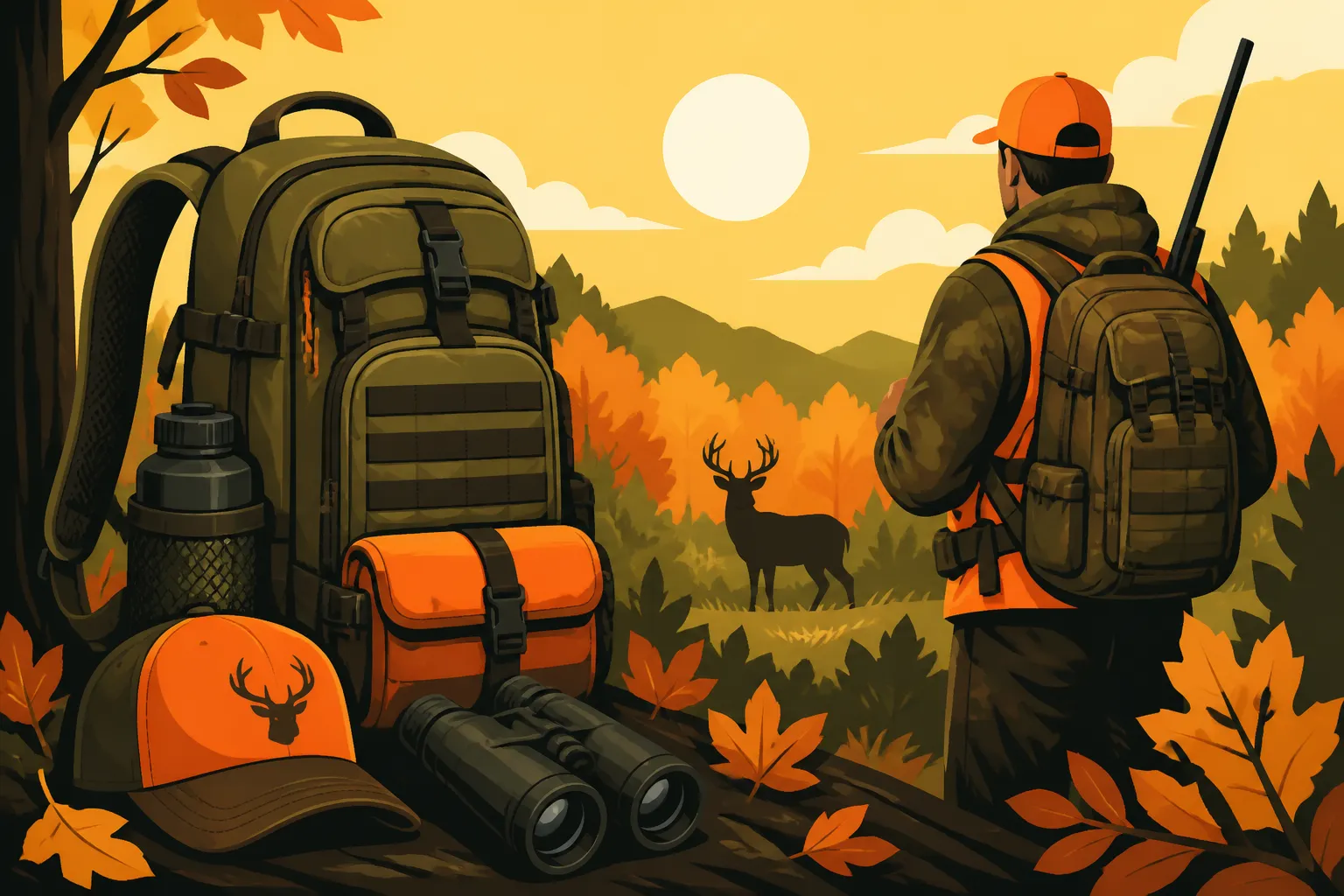
Oh, the joy of a crisp fall morning in the Hoosier National Forest, the air sharp with the scent of decaying leaves and damp earth, as you head out for a day of deer hunting. But that joy can quickly turn into frustration if your gear isn't sorted, especially when it comes to your pack. Hauling everything you need for a full day of navigating those steep southern Indiana ridges or traversing dense timber can feel like a marathon if your pack isn't up to the task. This guide is all about helping you pick, pack, and properly utilize the right gear for a comfortable and effective day hunt in Indiana's rugged public lands, ensuring your focus stays on the hunt, not on your aching shoulders or missing essentials.
The Indispensable Role of Your Pack on a Hoosier Hunt
When you're slipping into the depths of the Hoosier National Forest, whether it's the Bedford region or down toward Tell City, your pack isn't just a container; it's your lifeline, your mobile basecamp. Unlike hunting small, private woodlots where your truck might only be a few hundred yards away, public land hunting, especially in the sprawling national forest, demands self-sufficiency. You're often miles from the nearest road, crossing creeks, climbing hills, and navigating thick underbrush. What you carry, and how you carry it, directly impacts your comfort, safety, and ultimately, your success.
More Than Just Carrying Capacity
It’s easy to think a pack is just about how much stuff you can cram into it. But for the Hoosier hunter, it's so much more. Your pack needs to balance capacity with maneuverability, allowing you to slip silently through the woods without snagging on every briar or limb. It needs to distribute weight efficiently so that a long walk in doesn't leave you exhausted before you even reach your stand. It needs to provide quick access to crucial items like a rangefinder or grunt call, but also secure storage for essentials you hope you won't need, like a first aid kit. A poorly chosen pack can make you ache, make noise, or make you leave critical gear behind, none of which contribute to a good hunting experience.
Consider a typical scenario: you've hiked a mile back into a remote cove, found the perfect spot for your Treestand Setups in Hoosier National Forest, and now you need to get your stand, sticks, bow, and day pack up the tree. If your day pack is bulky, unwieldy, or poorly designed, it's going to complicate an already challenging task. You need something that can carry your essentials without adding unnecessary bulk or weight, and that can be easily hoisted or clipped to your stand once you're aloft. Every ounce, every snag-point, every inconvenient zipper becomes magnified when you're perched twenty feet up a tree in the dark before dawn.
Planning for the Unpredictable
Indiana weather is, shall we say, fickle. A crisp morning can turn into a warm, rainy afternoon, or a balmy day can plummet into a frigid evening. Your pack needs to be the central repository for your contingency gear. Are you carrying extra layers for when the temperature drops unexpectedly, or rain gear for that sudden downpour? What about enough water for a long hike in and out? Maybe a headlamp for an unplanned walk out after dark, or a small saw for clearing a shooting lane?
These aren't "just in case" items; they're "when it happens" items for anyone who spends serious time in the Hoosier woods. Without a reliable pack to carry these things comfortably and keep them organized, you're either leaving yourself vulnerable to the elements or simply leaving important gear at home. A good day pack allows you to be prepared for everything from a minor cut requiring a bandage to a surprise thunderstorm, making your hunt safer and more enjoyable. It’s about being ready for whatever the Indiana woods throw at you.
Types of Packs for the Indiana Day Hunter
When it comes to picking a pack for your Indiana day hunt, you've got options. Each style has its pros and cons, and what works best really depends on your personal hunting style, the gear you typically carry, and the specific conditions you'll be facing. There's no single "best" pack, but there's definitely a best pack for you.
Traditional Daypacks
The most common choice, traditional daypacks are essentially smaller versions of backpacking packs, typically ranging from 1,500 to 2,500 cubic inches in volume. They feature two shoulder straps, sometimes a sternum strap, and often a hip belt to help distribute weight.
Pros and Cons of Daypacks
The biggest advantage of a good traditional daypack is its versatility. You can comfortably carry enough gear for a full day, including extra layers, food, water, a first aid kit, and your calls. Many come with hydration sleeves, which are fantastic for staying hydrated on a long walk. The shoulder straps and hip belt system generally allow for good weight distribution, meaning less fatigue over miles of rugged terrain like you'd find when Still-Hunting Southern Indiana Ridges. They also often have external pockets and compression straps, which are useful for securing items like a spotting scope or a compact set of climbing sticks.
However, daypacks can have their drawbacks. Their size, while offering capacity, can also make them a bit cumbersome in dense cover. If you're belly-crawling through thick briars or trying to squeeze through tight saplings, a bulky pack can get snagged and make noise. They can also feel large on your back if you're primarily hunting from a treestand, sometimes interfering with drawing a bow or maneuvering a firearm. Some hunters also find that the back panel can make their back sweat more, especially on warmer early season hunts. You'll want to look for models with good ventilation or a suspended mesh back panel to combat this.
Choosing the Right Size and Features
For most Indiana day hunts, a pack in the 1,800 to 2,200 cubic inch range hits a sweet spot. This provides enough room for essentials without being overly large. Look for packs made of quiet, durable material – ripstop nylon or quiet fleece are popular choices. Padded shoulder straps and a comfortable hip belt are non-negotiable for long treks. External compression straps are incredibly useful for securing extra clothing, a rain jacket, or even your bow when you're hiking into a remote area.
A good internal organization system is also key. Multiple pockets, both internal and external, help keep your gear sorted and easily accessible. A dedicated hydration sleeve is a huge plus. Some packs even come with integrated rifle or bow carriers, which can free up your hands for climbing or navigating difficult terrain. Consider where you'll be storing your most used items like a rangefinder or wind checker; quick-access pockets on the hip belt or shoulder straps are a game-changer. Brands like Badlands, Mystery Ranch, and Sitka offer robust options designed for hunting, often incorporating thoughtful features like quiet zippers and specialized compartments.
Lumbar Packs and Fanny Packs
For hunters who prioritize minimalist movement and only carry the absolute essentials, lumbar packs (often called fanny packs, though modern versions are much more substantial) can be an excellent choice. They sit on your lower back, held by a waist belt, leaving your shoulders and upper back free.
When to Use a Lumbar Pack
Lumbar packs shine in situations where you want maximum freedom of movement and minimal bulk. If you're mostly still-hunting, planning to travel light, or primarily hunting from a ground blind where you don't need to hoist a lot of gear up a tree, a lumbar pack can be ideal. They keep your core free for movement and provide quick access to items without taking off the pack. For a quick morning hunt in a local woodlot, where you just need a few calls, a snack, and your water bottle, they're perfect. You'll see a lot of hunters using these for Squirrel and Small Game Hunting in Indiana as well, where mobility is often key.
However, the limited capacity is the main trade-off. You won't be carrying a full change of clothes, a heavy rain suit, or a large amount of water. They're not designed for heavy loads, and if overloaded, they can sag and become uncomfortable, pulling on your hips. While some larger models offer shoulder harnesses to help distribute weight, they essentially become a hybrid, defeating some of the "light and free" advantages.
Features for Comfort and Accessibility
If you opt for a lumbar pack, look for one with a wide, well-padded hip belt. This is where all the weight will be carried, so comfort here is paramount. Many modern lumbar packs also include small shoulder straps or suspenders to help stabilize the load and prevent sagging, which can be a huge benefit when walking uneven terrain. Multiple pockets and a rigid structure that prevents sagging are important. Some larger models even offer water bottle holders on the sides or a dedicated internal hydration pouch, though capacity will still be limited compared to a full daypack.
The key to success with a lumbar pack is disciplined packing. Only bring what is absolutely essential. Think about your core items: calls, knife, headlamp, compass/GPS, a small snack, water, and perhaps a very compact rain jacket. For a longer sit, or if you anticipate needing more layers, you'll likely want to step up to a daypack or a hybrid system.
Vest-Style Packs
Vest-style packs are gaining popularity, particularly for turkey hunters, but their organizational benefits can extend to deer hunters too. These systems integrate multiple pockets and pouches into a vest, often with a small backpack component built into the back.
The Appeal of Integrated Organization
The primary benefit of a vest-style pack is organization and accessibility. Everything has a place, and that place is typically on the front or sides of the vest, meaning you can reach calls, ammunition, water, or snacks without taking the pack off. This is a huge advantage, especially in a treestand where reaching for a backpack can be awkward and noisy. For Spring Turkey Hunting in Indiana, where calls and fast access are critical, they are almost standard issue.
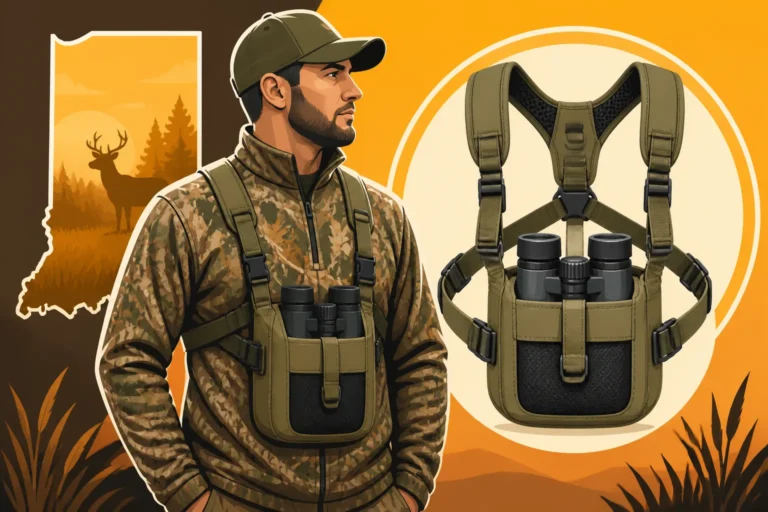
For deer hunting, they can be great for those who want their essentials immediately at hand. Many vest designs offer specialized pockets for different calls, binos, rangefinders, and even hand warmers. The backpack portion on the back can still hold a hydration bladder, a compact rain jacket, and some extra layers. The weight is distributed across your shoulders and back, similar to a traditional vest, but with more capacity and dedicated storage.
Trade-offs for Deer Hunting
While excellent for organization, vest-style packs can sometimes feel a bit warm, especially on milder days, as they cover a larger portion of your torso. Their capacity can also be more limited than a full daypack, depending on the model. If you're hauling a lot of heavy gear, a vest might not distribute the weight as efficiently as a pack with a robust hip belt. Also, getting into and out of them can be slower than a simple daypack, which could be a factor if you're shedding layers quickly or need to drop your pack for a stalk.
When choosing a vest-style pack for deer, look for models with breathable materials, adjustable straps for a custom fit, and a modular design that allows you to add or remove pouches as needed. Ensure the backpack component has enough volume for your planned gear. Some excellent hunting brands produce robust vest systems designed for versatility in the field.
| Pack Type | Capacity (Approx. Cu In) | Primary Use Case | Pros | Cons |
|---|---|---|---|---|
| Traditional Daypack | 1,500 – 2,500 | All-day deer hunts, long walks, treestand hunting | Versatile, good capacity, balanced weight distribution, hydration ready | Can be bulky in thick cover, might interfere with bow draw, can cause back sweat |
| Lumbar Pack | 300 – 800 | Short hunts, still-hunting, minimalist, ground blind | Maximum mobility, quiet, quick access to essentials | Limited capacity, can sag if overloaded, less comfortable with heavy loads |
| Vest-Style Pack | 500 – 1,500 (plus vest) | Highly organized, quick access, turkey hunting | Excellent organization, hands-free access, weight distributed across torso | Can be warm, capacity limitations, less suitable for heavy pack-ins |
Essential Gear for Your Hoosier Forest Day Pack
So you've chosen your pack, now what goes in it? This is where the rubber meets the road. Every item needs to earn its spot, especially when you're facing long hikes in diverse terrain. Your gear should support safety, comfort, and efficacy, without bogging you down. This isn't just a list of things; it's a strategy for successful and responsible hunting in Indiana.
Safety and Navigation First
No matter how short your hunt, safety and the ability to navigate should be your top priority. Getting turned around in the vastness of the Hoosier National Forest, especially as dusk falls, is a very real possibility.
Navigation Tools
Even if you have a great memory for terrain, relying solely on it is a risk. Always carry a reliable navigation tool. A good GPS unit is excellent, but a smartphone with a quality mapping app like GoHunt is even better, as it combines a powerful GPS with detailed satellite imagery and property lines. Make sure your phone is fully charged, and carry a portable power bank and charging cable. This isn't just about finding your way back to the truck; it's about making sure you can confidently navigate through new areas as you're Scouting Indiana Public Land Before Season or following a blood trail in unfamiliar territory.
Beyond electronics, a physical compass and a printed map of the area are non-negotiable backups. Batteries die, phones get wet, and signals drop. Knowing how to use a compass with a topo map could literally save you a night in the woods. Always orient yourself before leaving the truck, noting major landmarks and your planned route. Don't assume you'll remember every turn on a two-mile walk in the dark.
First Aid and Emergency Supplies
A compact, but comprehensive, first aid kit is essential. This isn't just for you; it's for anyone in your hunting party. Think beyond basic band-aids. Include items for deeper cuts (trauma dressing, medical tape), pain relievers, allergy medication, blister treatment, and any personal medications. A small whistle can be used to signal for help if you get lost or injured, or to communicate with hunting partners. A small fire-starting kit (waterproof matches, lighter, fire starter) could be crucial if you're forced to spend an unexpected night out in the cold.
Also, consider a small, durable knife – not just your hunting knife, but a robust utility knife for various tasks. A multi-tool can be incredibly versatile for field repairs. And always, always carry a headlamp or flashlight with extra batteries. You never know when a quick afternoon hunt might turn into a late-night blood trailing scenario, or when an unexpected equipment failure might require you to work in the dark. First Aid Kits for Remote Forest Ground are not just for emergencies; they handle all the minor scrapes and bumps that are part of hunting.
Comfort and Sustenance
Being comfortable and well-fed throughout your hunt is key to staying alert and focused. The Hoosier Forest can be physically demanding, and you'll burn a lot of calories.
Food and Water
Staying hydrated is paramount, especially on physically demanding hunts or early season trips. Carry more water than you think you'll need. A 2-liter hydration bladder in your pack is a great start, supplemented by a water bottle or two. If you're on a multi-day trip or hunting very remote areas, consider a water filter or purification tablets. Dehydration can lead to fatigue, poor judgment, and even dangerous situations.
For food, pack high-energy, non-perishable snacks that are easy to eat on the go. Protein bars, jerky, nuts, and dried fruit are excellent choices. A sandwich or wrap can be a nice treat for a midday break. Avoid anything too noisy to open or too messy to eat. The goal is to keep your energy levels up without drawing attention to yourself. Remember, you're not just fueling your body for the walk in, but for the potential physical exertion of tracking and recovering an animal.
Layered Clothing and Rain Gear
As mentioned, Indiana weather can be unpredictable. Layering is your best friend. Even if it's chilly in the morning, the sun can warm things up, especially if you're doing a lot of walking. Carry an extra base layer, a mid-layer fleece, or a packable puffy jacket in your pack. When you stop moving, or the sun goes down, you'll be glad to have them. Layering for an Indiana Deer Stand is not just a suggestion, it's a necessity for comfort and endurance.
A lightweight, packable rain jacket and pants are also essential. Getting soaked miles deep in the woods can quickly turn a pleasant hunt into a miserable, and potentially dangerous, experience due to hypothermia. Even if the forecast is clear, a pop-up shower is always a possibility. Look for quiet, breathable rain gear that won't make you sound like a crinkling chip bag every time you move.
Hunting Specific Tools
Beyond general survival, your pack needs to hold the tools that actually make your hunt possible and ethical.
Optics and Calls
Your Binocular Choice for Indiana Whitetails is probably around your neck or in a chest harness, but sometimes you'll want to carry a compact spotting scope for long-range glassing across powerline cuts or distant ridgelines. A rangefinder is crucial for ethical shot placement, especially with a bow. Make sure these are easily accessible but secured to prevent loss or damage.
For calls, consider the time of year. Early season might call for a grunt tube and rattling antlers, while later in the rut, a doe bleat or snort-wheeze might be more effective. Pack a few versatile calls that you're proficient with. Ensure they are protected from moisture and impact.
Game Processing and Recovery
Once you've made a successful shot, the real work begins. Your pack needs to hold items for ethical field dressing and recovery. A sharp Field Dressing Knives Worth Carrying is non-negotiable, and a small bone saw or folding saw can be invaluable for breaking down a deer or clearing brush for a drag route. Small game bags are excellent for protecting meat, especially if you're quartering an animal in the field.
Additionally, flagging tape is essential for marking blood trails, especially if you're hunting in heavy cover or low light. A pair of rubber gloves will keep your hands clean during field dressing. If you're hunting solo or anticipating a long drag, consider a compact deer drag or rope. Every item that makes the recovery process easier and cleaner means less wasted meat and a more efficient experience.
Optimizing Your Pack for the Hoosier Environment
Hunting in Indiana's varied landscapes, from the rolling hills of the Hoosier National Forest to the flat farmlands of the north, presents unique challenges. Your pack, and how you arrange it, should reflect these specific conditions. It's not just about what you carry, but where you carry it and how it holds up to the local environment.
Weatherproofing and Durability
Indiana weather is nothing if not dynamic. A clear, cool morning can quickly turn into a soaking rain, or an unexpected cold front can drop temperatures twenty degrees in a few hours. Your pack needs to be up to the task.
Protecting Your Gear from the Elements
Waterproofing is key. Many packs come with a DWR (Durable Water Repellent) coating, but this often isn't enough for a sustained Indiana downpour. A good rain cover that fits snugly over your packed bag is a wise investment. Some packs have integrated rain covers that deploy quickly. Even with a rain cover, it's a good idea to put critical items like electronics, extra clothes, and important documents (like your license and tag) in dry bags or heavy-duty Ziploc bags inside your pack. Nothing is worse than reaching for your phone to check a GPS Units Versus Phone Apps for your location and finding it waterlogged.
Beyond water, consider the impact of cold. Batteries drain faster in low temperatures. Keep your power bank, phone, and any other battery-powered devices in an internal pocket, close to your body, to help preserve their charge. Also, consider gear that can withstand being bumped, scraped, and snagged on briars or rough bark. The Hoosier Forest isn't a manicured park; your pack will take a beating, so invest in durable materials and robust zippers.
Dealing with Indiana's Terrain
Southern Indiana is known for its steep, rugged terrain, often with deep ravines and thick undergrowth. Your pack should be streamlined to prevent snagging. Avoid excessive external straps or dangling accessories. If you have compression straps, use them to cinch down your load, keeping everything tight against your body. This not only prevents snags but also reduces movement and noise.
When walking through thick brush or climbing hills, a pack with a good fit and proper load distribution will reduce fatigue. Adjust your shoulder straps, sternum strap, and hip belt to ensure the weight is primarily on your hips, not just your shoulders. This can make a huge difference over miles of uneven ground. If you're hunting the steep "knobs" of places like Brown County, where Hunting Brown County Ridgelines is common, every ounce of comfort matters.
Scent Control and Quiet Operation
Deer have an incredible sense of smell and hearing. Your pack, and everything in it, needs to be as scent-free and quiet as possible.
Minimizing Scent Contamination
Your pack absorbs scent just like your clothes. Treat it like another layer of your hunting attire. Store your pack, along with your hunting clothes, in a scent-free container when not in use. Before a hunt, spray it down with a scent-eliminating spray. Avoid storing it with items that have strong human odors, like gasoline, smoke, or laundry detergent. Any foreign scent can easily spook a wary Hoosier whitetail.
This also extends to the items within your pack. Avoid strong-smelling foods like tuna fish or garlic jerky. Keep your trash in a sealed bag. Even something as innocuous as a tube of sunscreen or bug spray can carry enough odor to alert deer if it's not properly contained.
Eliminating Noise
Noise is often the ultimate deer deterrent. Your pack should be constructed from quiet materials – fleece, brushed tricot, or soft-shell fabrics are excellent choices. Avoid noisy buckles, zippers, or external pockets that crinkle or rustle. If your pack has plastic buckles that click, you might consider wrapping them in tape or using silent cord pulls.
Before you head out, do a "shake test." Put on your loaded pack and gently shake and move. Listen for anything that rattles, clanks, or rubs. Water bottles bouncing, calls clanking together, or even zippers jiggling can ruin a hunt. Use small mesh bags or soft cloths to separate items that might make noise. A silent approach, from your boots to your pack, is paramount when trying to get close to an unsuspecting buck. This is especially true when attempting to close the distance on deer that have been pressured, a common scenario on many public lands.
Maintaining Your Pack for Longevity
Investing in a good hunting pack is like investing in a quality firearm or a dependable pair of boots. With proper care, it will serve you faithfully for many seasons in the Hoosier woods. Neglect it, and you'll find yourself replacing it much sooner than necessary.
Post-Hunt Care and Storage
The moments after your hunt are crucial for your pack's longevity. Don't just toss it in the truck until next time.
Cleaning Your Pack
After each hunt, especially if it was a wet or muddy one, take the time to clean your pack. Empty everything out. Brush off any loose dirt, leaves, or burrs. If it's particularly muddy, gently wipe it down with a damp cloth. For deeper cleaning, especially to remove dried blood or strong odors, many modern hunting packs can be hand-washed with mild, scent-free soap and cool water. Avoid harsh detergents or machine washing, as these can damage specialized fabrics, waterproof coatings, or internal frames.
Pay special attention to zippers and buckles. Dirt and debris can get lodged in zippers, making them sticky or causing them to break. After cleaning, ensure your pack is thoroughly air-dried, preferably in a well-ventilated area away from direct sunlight. Storing a damp pack is a surefire way to encourage mildew growth, which not only smells terrible but also degrades the fabric.
Proper Storage Between Seasons
Once clean and dry, store your pack properly. Ideally, hang it in a cool, dry place away from direct sunlight, which can fade and weaken fabrics over time. Storing it in a scent-free tote or bag helps prevent it from absorbing household odors or accumulating dust. Remove any batteries from devices stored in the pack to prevent corrosion.
If your pack has a hydration bladder, clean it thoroughly after each use with a specialized cleaning kit, and ensure it's completely dry before storing to prevent mold and mildew. Store the bladder open to allow air circulation. Taking these extra few minutes after a long hunt can mean the difference between a pack that lasts two seasons and one that lasts ten.
Addressing Wear and Tear
Even the toughest packs will eventually show signs of wear. Knowing how to identify and address these issues can extend its life considerably.
Repairing Minor Damage
Small holes or tears in the fabric can often be repaired with a durable patch kit designed for outdoor gear. Don't let a small tear become a large rip. Check zippers for smooth operation; a zipper lubricant can often help with sticky zips. If a buckle breaks, many outdoor retailers sell replacement buckles that can be sewn or clipped on. It's much cheaper and more sustainable to repair a minor issue than to replace the entire pack.
Keep an eye on stitching, especially around stress points like shoulder straps and hip belt attachments. If you see fraying, reinforce it before it completely gives way. A basic sewing kit with heavy-duty thread and needles can be a lifesaver for field repairs or quick fixes at home. For more complex repairs, some hunting brands offer repair services, or you might find a local seamstress or gear repair shop specializing in outdoor equipment. Regular inspection is key. Before each season, and periodically during busy hunting periods, give your pack a thorough once-over, checking every seam, buckle, and zipper. This proactive approach ensures your pack is always ready for whatever the Hoosier Forest throws your way.
Disclaimer
This article is for general informational purposes only and does not constitute professional advice. Laws, prices and regulations vary by location and change over time. Consult a qualified professional for guidance on your specific situation.