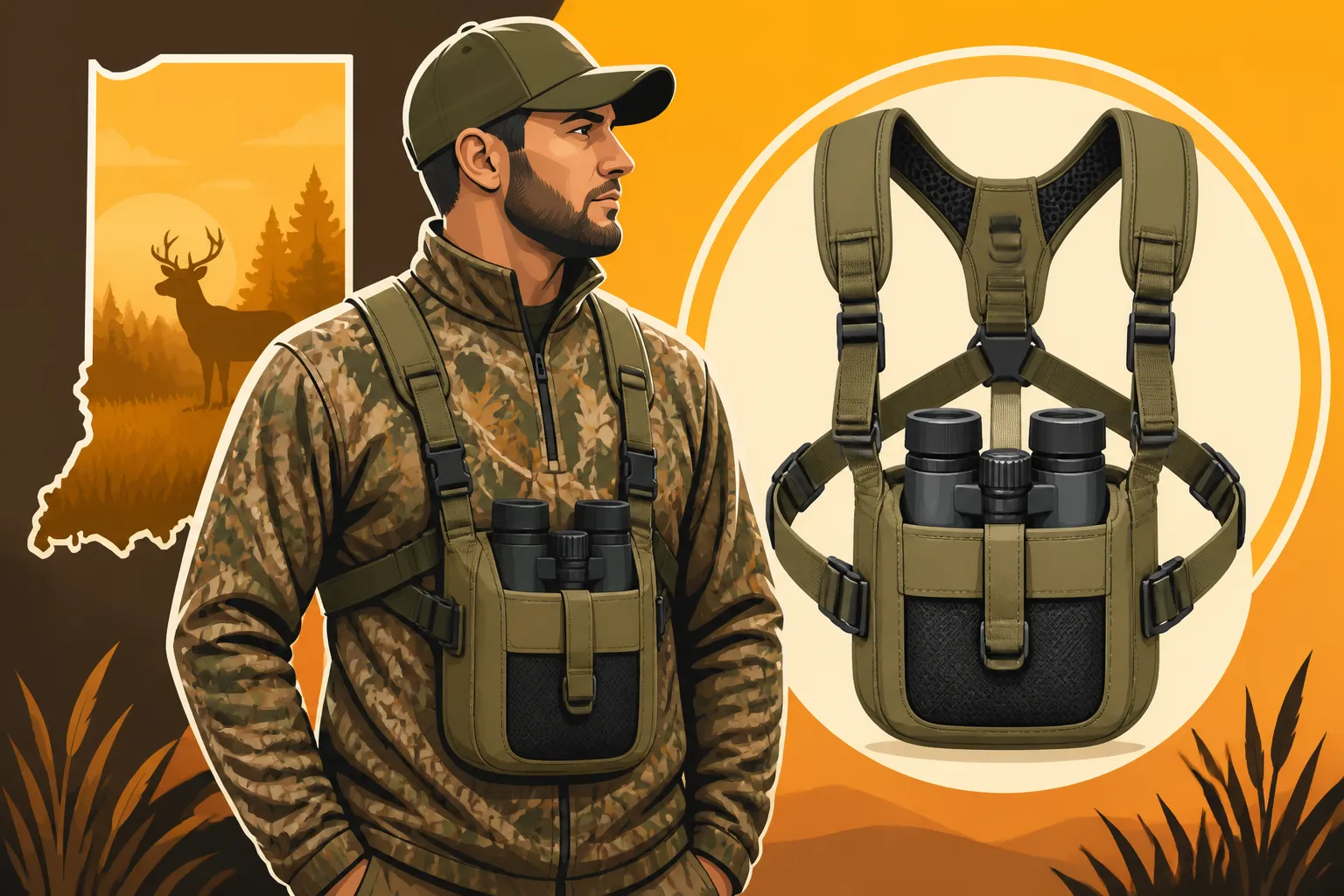
Binocular Harnesses Worth Wearing
There's nothing more frustrating than trying to maneuver through thick Indiana timber or climb into a treestand, only to have your binoculars swinging wildly, banging against your chest, or worse, falling to the ground. Traditional neck straps might seem fine for a moment, but they quickly become a nuisance, causing neck strain and making it difficult to access your optics quickly and quietly. This guide is all about why a good binocular harness isn't just a luxury, but a necessity for any serious Indiana hunter, and how to pick one that will serve you well season after season.
Why a Binocular Harness is Essential for Indiana Hunters
For years, many of us just dealt with the discomfort and inconvenience of a standard binocular neck strap. We'd feel that familiar ache in our necks after a long day of still-hunting the Hoosier National Forest, or silently curse as our expensive optics clanged against our rifle during a crucial moment. The truth is, a quality binocular harness solves these issues and more, transforming how you carry and use your glass in the field.
The Problem with Neck Straps and Standard Cases
Think about it: a single strap around your neck, carrying the weight of binoculars that can range from a pound to over two pounds, pulling down on your cervical spine. That's a recipe for discomfort, especially when you're hiking miles over undulating terrain or sitting for hours in a cold treestand. The weight isn't distributed, leading to fatigue and stiffness that can distract you from the hunt. Plus, with just a neck strap, your binoculars are free to swing. Every time you bend over to pick up an arrow or navigate a blowdown, they're bouncing, creating noise, and increasing the risk of damage.
Beyond the physical strain, a neck strap offers zero protection for your valuable optics. They're exposed to the elements – rain, snow, dust, and the occasional branch swipe. And when you need them, they're often tucked inside your jacket or dangling awkwardly, making quick, silent access a challenge. If you're hunting the Indiana Rut in Early November, every second counts when a buck appears. Fumbling with your binos can mean the difference between seeing antlers and seeing a tail disappearing into the brush. Standard cases often require you to completely remove the binoculars, which is slow and cumbersome.
How a Harness Improves Comfort and Accessibility
A well-designed binocular harness distributes the weight of your optics across your shoulders and back, much like a backpack. This simple shift alleviates neck strain entirely, allowing you to focus on the hunt, not on your aching muscles. The binoculars are held snugly against your chest, preventing them from swinging or banging around as you move. This means less noise, less distraction, and a significantly reduced risk of damage. You can crawl through brush, climb a ladder stand, or lean over a fence without worrying about your binos.
Perhaps the biggest advantage is accessibility. With a harness, your binoculars are always right there, at chest height, ready to be deployed instantly. Most harnesses feature a silent, one-handed opening and closing mechanism, allowing you to glass quickly and quietly. This immediate access is invaluable whether you're trying to locate a gobbler during Spring Turkey Hunting in Indiana or trying to discern antler points on a distant deer. Many harnesses also offer some level of weather protection, keeping your lenses cleaner and drier in typical Indiana conditions.
Key Features to Look for in an Indiana Binocular Harness
Choosing a binocular harness isn't just about grabbing the first one you see. Indiana's diverse hunting environments, from the dense hardwoods of the Hoosier National Forest to the open farmlands of the north, demand specific features from your gear. Considering these key aspects will ensure your harness is a true asset in the field.
Material Durability and Weather Resistance
Indiana weather can be incredibly unpredictable. A crisp, sunny morning can quickly turn into a drizzly, cold afternoon, especially during the deer seasons. Your binocular harness needs to be built to withstand these conditions. Look for durable, robust materials like Cordura nylon or similar heavy-duty fabrics. These materials resist snags from thorns and abrasion from brush, which you'll encounter constantly when Still-Hunting Southern Indiana Ridges.
Beyond sheer toughness, weather resistance is crucial. A good harness will feature water-resistant coatings, treated fabrics, or even fully waterproof zippers and pockets. This isn't just about keeping the harness itself dry; it's about protecting the delicate optics inside from rain, snow, and condensation. Imagine sitting through a November drizzle, only to find your lenses fogged or water-spotted because your harness didn't offer adequate protection. Some premium options will even have integrated rain covers for extreme downpours.
Storage Capacity and Organization
While the primary job of a binocular harness is to carry your binos, many modern designs incorporate additional storage that can be incredibly useful. Think about what small, essential items you often need quick access to. A front pocket for your phone, a rangefinder pouch, or side pockets for a wind checker or grunt tube are common additions. This helps declutter your main pack and keeps critical tools at your fingertips.
However, be mindful of over-stuffing. Too much gear on your chest can become bulky, restrictive, and create more noise. A good balance is key: enough storage for those absolute necessities, but not so much that it hinders your movement or makes you feel like a walking tackle box. Some harnesses even have modular attachments, allowing you to customize the storage based on the specific hunt. For example, a dedicated rangefinder pouch might be vital when Hunting the Rut in Early November but less critical during a Squirrel and Small Game Hunting in Indiana outing.
Adjustability and Fit for Different Body Types
One size rarely fits all in hunting gear, and binocular harnesses are no exception. A harness that doesn't fit properly will defeat the purpose of comfort and accessibility. Look for ample adjustability in the shoulder straps and chest straps. These should allow you to cinch the harness down securely, holding your binoculars tight against your body without restricting your breathing or drawing motion.
Consider seasonal clothing changes too. A harness that fits perfectly over a T-shirt in early archery season needs to have enough slack to fit comfortably over heavy layers, including a big insulated jacket, during the colder late seasons. Some brands like GoHunt offer a variety of sizes or highly adjustable systems to ensure a snug, comfortable fit regardless of your build or layering strategy. Test out the harness with your typical hunting attire to make sure it accommodates everything from light base layers to bulky Layering for an Indiana Deer Stand setups.
Choosing the Right Harness for Your Indiana Hunting Style
Indiana hunters engage in a variety of pursuits, from stalking deer in dense woods to sitting in layout blinds for waterfowl. Your preferred hunting style should heavily influence the type of binocular harness you choose. What works for one scenario might be a hindrance in another.
For Active Still-Hunters and Run-and-Gun Hunters
If you're constantly on the move, covering ground, whether it's still-hunting southern Indiana ridges for whitetails or Run-and-Gun Turkey Tactics on Public Land, your harness needs to prioritize a low profile and secure fit. The last thing you want is a bulky harness that snags on branches or bounces with every step. Look for models that are streamlined, hugging your body closely.
Minimalist designs are often best here, focusing primarily on carrying the binoculars securely. A simple magnetic or silent buckle closure for the main compartment is ideal for quick, quiet access. Lightweight materials are also a plus, as every ounce counts when you're covering miles. Brands that prioritize athletic fit and discreet storage will be your best bet. Think about how it feels when you draw your bow or shoulder your rifle – any interference is a no-go.
For Treestand and Ground Blind Hunters
Hunters who spend long hours stationary in a treestand or ground blind have slightly different needs. While a secure fit is still important, the emphasis can shift a bit towards comfort during extended sits and additional storage for smaller items you want to keep close at hand. When you're locked into a treestand, having your grunt call, rangefinder, or a small snack easily accessible without reaching into your pack is a huge advantage.
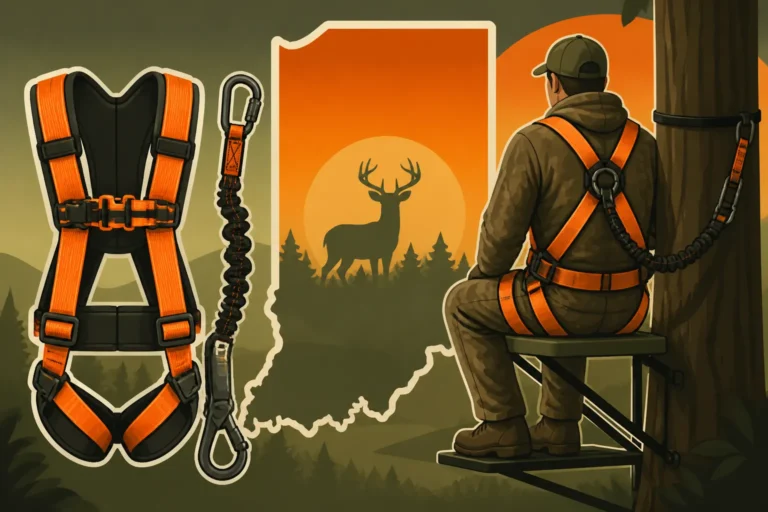
Consider harnesses with slightly more internal organization or external attachment points for small accessories. A quieter opening mechanism is absolutely critical here; a loud velcro rip can blow your hunt. Look for models with fleece linings or silent magnetic closures. Also, think about how the harness interacts with your safety harness. It should integrate seamlessly, not get tangled or restrict access to your lifeline. If you're using a Treestands and Saddles on Public Land, ensuring your harness doesn't impede your movement or tether attachments is paramount.
For Waterfowl and Upland Bird Hunters
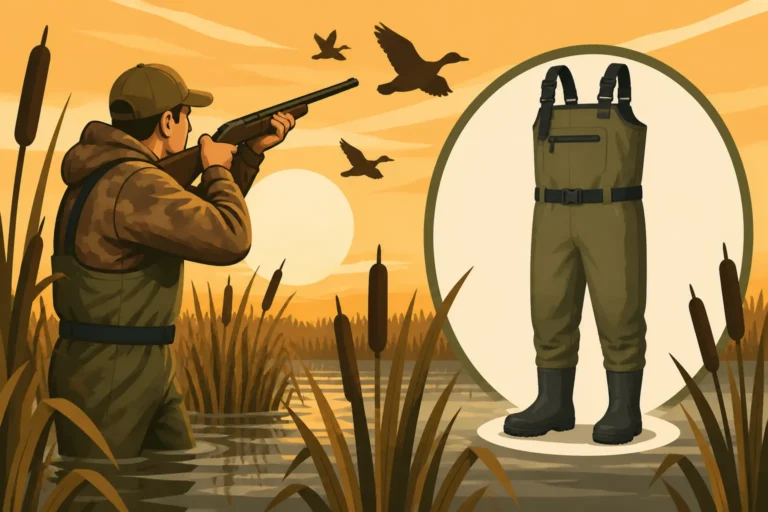
Waterfowl and upland bird hunters face unique environmental challenges. For duck and goose hunters, water resistance is king. You'll be dealing with marsh muck, rain, and possibly even submersion. A fully waterproof or highly water-resistant harness is non-negotiable. Look for sealed zippers, rubberized fabrics, and designs that shed water effectively. Durability against abrasion is also important, as you might be pushing through cattails or dense brush.
For upland bird hunters, especially those running dogs, mobility and speed are key. A lightweight, snug harness that stays put while you're busting through cover is essential. Again, a streamlined design is best to avoid snagging. Consider how easily you can swing your shotgun with the harness on – it shouldn't impede your mount. A small, water-resistant pocket for a dog whistle or extra shells can be a handy feature for these pursuits. Many hunters find that a simple, robust harness from a reputable outdoor gear supplier like GoHunt stands up well to the rigors of these demanding hunting styles.
Maintenance and Longevity of Your Binocular Harness
You've invested in quality binoculars and a harness to protect them, so it only makes sense to take care of your gear. Proper maintenance isn't just about keeping things looking good; it's about ensuring your harness performs reliably season after season and prolonging the life of your expensive optics. A well-cared-for harness will keep your Binocular Power for Timber Hunting clear and ready.
Cleaning and Storage Best Practices
After a long season of hunting in Indiana, especially after trudging through mud, dust, or wet snow, your harness is likely to be a bit grimy. The key to cleaning most harnesses is gentle care. Avoid harsh chemicals or machine washing, as these can damage water-resistant coatings, fabric integrity, or even the buckles and elastic components. Instead, use a mild soap (like a scent-free detergent or dish soap) and lukewarm water with a soft brush or cloth. Gently scrub away dirt and mud, focusing on areas like seams and zippers where grime tends to accumulate. Rinse thoroughly to remove all soap residue.
Once clean, let your harness air dry completely in a well-ventilated area, away from direct sunlight or heat. Never put it in a dryer, as this can cause shrinkage or material breakdown. Once dry, store your harness in a cool, dry place. Avoid leaving it wadded up in a vehicle or exposed to extreme temperatures for long periods, which can degrade elastic components and fabrics over time. Keeping it protected from dust and pests is also a good idea.
Addressing Common Wear and Tear
Even the toughest gear will show signs of wear, especially if you're putting in a lot of time afield. Regularly inspect your harness for common issues. Look for fraying seams, stretched elastic straps, or sticky zippers. Addressing these small problems early can prevent them from becoming major failures. A small tear in a seam can often be repaired with a heavy-duty needle and thread, or with a fabric repair kit designed for outdoor gear.
Zippers that become stiff or sticky can often be revived with a specialized zipper lubricant. For elastic straps that have lost their stretch, some harnesses allow for replacement, but often it might be time to consider a new one if core components fail. If you frequently hunt in dense cover, where you might be worried about snags, checking for any nicks or cuts in the fabric is also important. Prompt repair will prevent moisture from penetrating and protect your valuable 8×42 Versus 10×42 in the Woods from damage. Think of it as preventative maintenance for uninterrupted hunting success.
| Feature | Still-Hunter / Run-and-Gun | Treestand / Ground Blind | Waterfowl / Upland Bird |
|---|---|---|---|
| Profile | Streamlined, low-bulk | Moderate, comfortable | Streamlined, durable |
| Durability | Good abrasion resistance | Standard | High abrasion resistance |
| Weatherproof | Water-resistant | Water-resistant | Highly waterproof |
| Storage | Minimal, quick access | Moderate, organized | Minimal, secure |
| Noise | Ultra-quiet operation | Ultra-quiet operation | Quiet enough |
| Integration | Unimpeded movement | Works with safety harness | Unimpeded shotgun mount |
| Weight | Lightweight | Moderate | Moderate |
Disclaimer
This article is for general informational purposes only and does not constitute professional advice. Laws, prices and regulations vary by location and change over time. Consult a qualified professional for guidance on your specific situation.