Indiana Boone and Crockett Whitetails
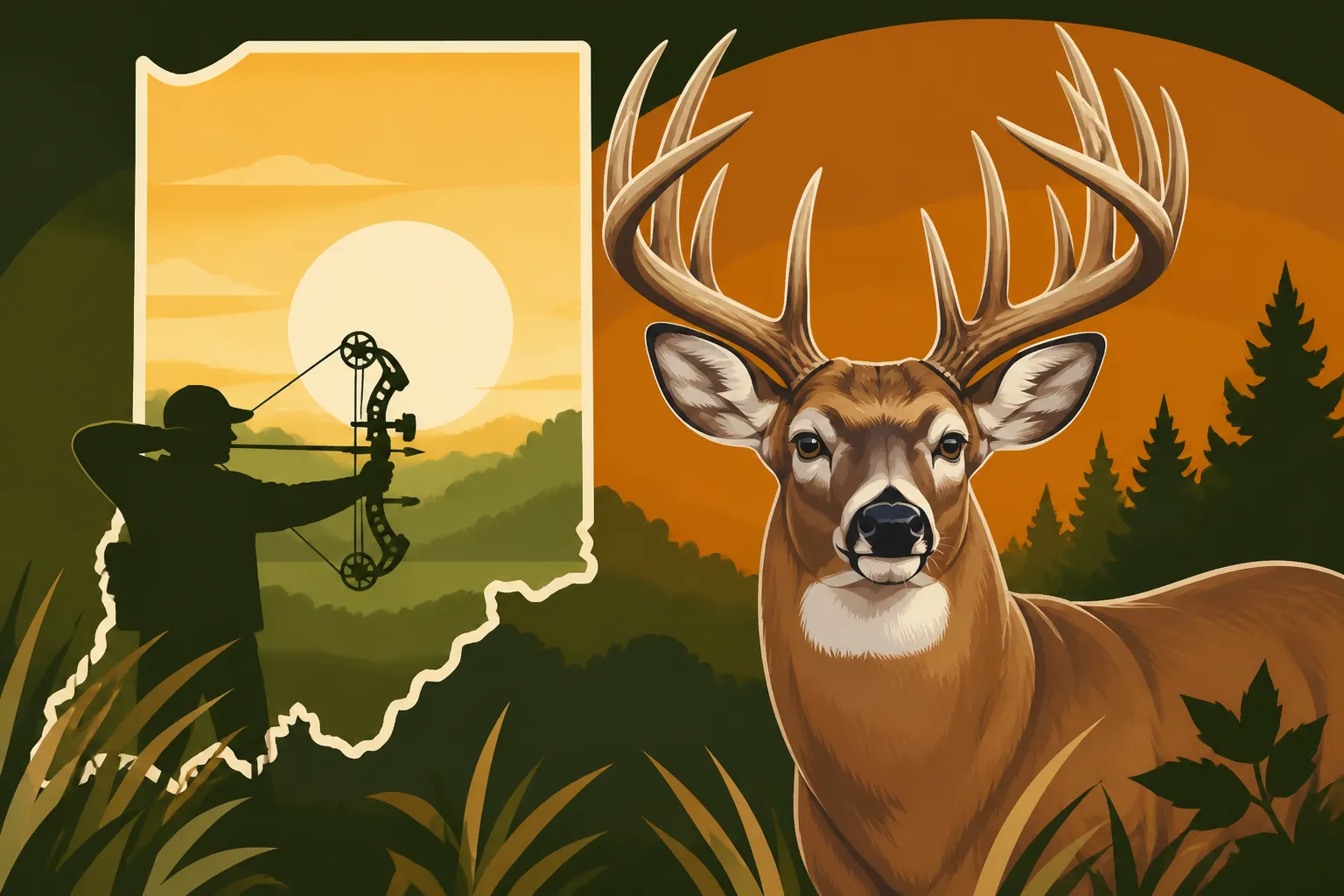
For many of us who live and breathe Indiana hunting, the dream of a Boone and Crockett whitetail isn't just a fantasy; it's a driving force. You spend countless hours in the woods, scouting, hanging stands, and enduring the elements, all with the faint hope of encountering that truly magnificent animal. It’s an incredibly rare achievement, and it takes a special blend of luck, skill, and understanding of what makes a deer truly exceptional. This guide is dedicated to helping you understand the factors that contribute to Indiana producing record-book bucks, where they might be found, and what strategies can increase your odds of tagging one of these giants.
Understanding Boone and Crockett and Indiana's Potential
The Boone and Crockett Club represents the pinnacle of big game records in North America, celebrating fair chase hunting and wildlife conservation. For deer hunters, seeing your buck officially recognized by this prestigious organization is the ultimate honor. But what does it really take for an Indiana whitetail to make that cut?
What Constitutes a B&C Whitetail?
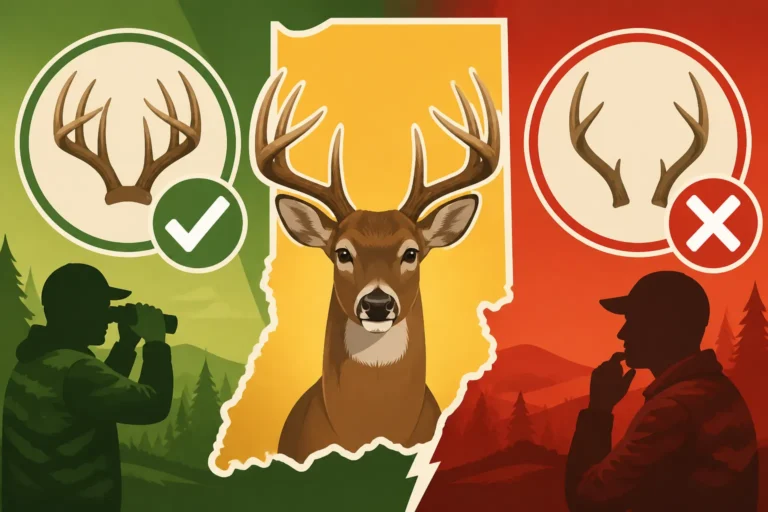
The Boone and Crockett Club uses a detailed scoring system to measure antlers, focusing on symmetry and mass for typical racks, and adding abnormal points for non-typical entries. It's a precise process, often involving trained measurers who meticulously record every aspect of the rack. For a typical whitetail to qualify for the all-time awards, it generally needs a net score of at least 170 points. Non-typical whitetails, with their unique array of points and mass, require a minimum net score of 195 points to make the all-time book.
The scoring takes into account main beam length, spread, circumferences at various points, and the length of each tine. Deductions are made for asymmetries between matching points on a typical rack, which is why a perfectly symmetrical 8-point might score higher than a slightly uneven 10-point, even if the 10-point looks bigger to the naked eye. Non-typical scoring is a bit more forgiving of asymmetry, as those abnormal points are added to the score rather than deducted. Understanding this system is crucial, as what looks like a massive buck in the field might not quite hit the mark after deductions. It's not just about how many points or how wide it is; it’s about the total sum of its parts after a very specific measurement process.
Indiana's History with Record-Book Deer
When many people think of trophy whitetail states, places like Iowa, Kansas, or Ohio often come to mind first. However, Indiana consistently punches above its weight when it comes to producing impressive deer. We might not have the sheer volume of some other states, but the quality of bucks walking our woods and fields is undeniable. Over the years, Indiana has produced a good number of entries into the Boone and Crockett record books, both typical and non-typical. This really speaks volumes about the health of the deer herd and the availability of quality habitat here.
Our state benefits from a fantastic mix of agricultural land providing abundant nutrition, combined with substantial tracts of timber, especially in the southern portions, offering excellent cover. This combination is a recipe for big antlers, provided the deer live long enough to develop them. While the really big bucks are always rare, hunters across the state have recorded incredible animals. Checking out the official Indiana Deer Harvest Records can offer a fascinating glimpse into the historical potential our state holds. It’s a testament to the dedication of Indiana hunters and the natural resources we're so fortunate to have.
Key Factors for Growing and Finding B&C Deer in Indiana
Finding a true Boone and Crockett whitetail isn't just about luck; it's about understanding the biological and environmental factors that contribute to such incredible antler growth. In Indiana, we have some fantastic conditions that help push deer to their genetic potential.
Habitat and Nutrition: The Foundation
A deer is only as good as what it eats, and Indiana delivers on this front. Our state's rich agricultural landscape, particularly in the central and northern regions, provides an absolute smorgasbord of high-quality food sources. Think vast fields of corn and soybeans – these crops are packed with protein, carbohydrates, and minerals, which are essential building blocks for antler growth. Deer that consistently feed on these types of nutrient-dense forage year after year have a distinct advantage.
But it’s not just about the crops. Our timbered areas, especially the mature hardwoods of southern Indiana, offer crucial mast crops like acorns and hickory nuts. These natural food sources provide critical energy and nutrition, particularly during the late season when agricultural fields might be harvested or covered in snow. A diverse habitat that includes both agricultural bounty and natural browse and mast is ideal. Deer in these areas don't just survive; they thrive. They have the consistent nutrition needed to maximize their genetic potential for antler growth, putting on inches year after year. Hunters using tools like GoHunt can often identify these prime habitat areas by studying satellite imagery for field edges, timber stands, and water sources.
Age Structure: Letting Them Grow
This might be the single most critical factor in a deer reaching Boone and Crockett caliber. You simply cannot shoot a record-book buck if it hasn't had the years needed to grow those impressive antlers. Antlers don't reach their peak size until a buck is typically 4.5, 5.5, or even 6.5 years old. Younger bucks might show promise, but they're still dedicating a lot of their energy to body growth and survival. It's only once they reach maturity that their bodies can really put that abundant nutrition into growing massive racks.
This concept ties directly into hunter ethics and management strategies. When enough hunters choose to pass on younger bucks, the overall age structure of the herd improves. This means more mature bucks are walking the woods, not just for you, but for everyone. While Indiana's hunter numbers are high, leading to some pressure, there are still areas where bucks can consistently reach older age classes. Understanding Why Southern Indiana Grows Older Bucks is a great way to start thinking about the patience required for truly large antlers. It’s a challenging but rewarding approach that prioritizes quality over quantity.
Genetics: The Wildcard
While nutrition and age are paramount, genetics certainly play a role in a deer's antler potential. Just like people, deer inherit certain traits from their parents, and this includes antler characteristics. Some bucks simply have the genetic code to grow bigger, wider, or more massive racks than others, even under identical conditions. You can have two 5.5-year-old bucks living in the same prime habitat, eating the same food, and one might be a solid Pope and Young buck, while the other is a Boone and Crockett contender. That's genetics at play.
It's not something you can directly control, but it does mean that certain areas might naturally produce more impressive deer simply because the local herd's genetic pool leans that way. There isn't a "Boone and Crockett gene," but rather a combination of genes that influence everything from antler configuration to tine length and mass. When you combine strong genetics with excellent nutrition and sufficient age, that's when you start seeing truly exceptional animals. While you can't pick and choose a deer's parents, knowing that the overall Indiana Deer Population Estimate is healthy and diverse gives hope that those superior genetics are present and active within the herd.
Where to Focus Your Hunt for Trophy Whitetails in Indiana
Indiana offers a diverse landscape, and different regions present different opportunities for chasing trophy whitetails. While a Boone and Crockett buck can theoretically show up anywhere, certain areas have a higher probability due to habitat, deer density, and hunter pressure.
Southern Indiana's Hill Country
When you picture big timber and rugged terrain in Indiana, you’re often thinking about the southern half of the state. Areas like the Hoosier National Forest and the various State Forests (Yellowwood, Morgan-Monroe, Jackson-Washington) are characterized by deep hollers, steep ridges, and expansive hardwood stands. These larger tracts of public land offer deer the space to grow old and often escape the intense pressure found in more fragmented areas. While the soil isn't as rich as the farmland, the consistent mast crops (acorns, hickory) provide reliable, high-protein food sources.
The challenge here is the sheer amount of cover and the demanding terrain. Deer can be tough to locate, and it often requires extensive Scouting Indiana Public Land Before Season to find their preferred bedding areas, travel corridors, and feeding patterns. However, the reward can be immense. Bucks here often mature because they're simply harder to hunt, and the older they get, the bigger their racks become. Understanding Reading Aerial Photos for Southern Indiana Deer is an invaluable skill for picking apart this vast landscape and finding those hidden gems.
Northern Indiana's Farmland and Woodlots
Shift your focus north, and the landscape changes dramatically to vast expanses of agricultural fields interspersed with smaller woodlots, creek bottoms, and fencerows. This is where the nutrient-rich soils and the incredible caloric output of corn and soybean fields really fuel antler growth. Deer here have access to a virtually unlimited buffet during much of the year, providing the critical building blocks for huge racks.
The challenge in these areas often lies in access to private land and dealing with fragmented habitat. While deer thrive on the food, they might have smaller core ranges due to the availability of everything they need, or they might be highly nocturnal due to pressure. However, these smaller, often overlooked woodlots and creek drainages can hide giant bucks that spend their days bedded down close to their food sources. Learning Hunting Northern Indiana Farmland Deer requires different tactics, often focusing on pinch points, thick cover adjacent to fields, and understanding how deer move between bedding and feeding areas. Don't underestimate a small timber patch that looks unassuming on a map; it could be a giant's hideout.
Public Versus Private Land Opportunities
The debate between public and private land is constant among trophy hunters. Private land, especially if managed for quality deer, can certainly offer more controlled environments with lower pressure and focused habitat improvements. This can lead to a higher probability of encountering older-age-class bucks. Many of Indiana's biggest Boone and Crockett entries have come from private land, where landowners and hunters have intentionally passed on younger deer for years.
However, don't write off public land. While it generally sees more pressure, the sheer size of areas like the Hoosier National Forest, various State Forests, and Fish and Wildlife Areas means there are always pockets where bucks can escape. It just requires more effort, deeper scouting, and a willingness to get away from the easy access points. Success on public land often comes down to finding overlooked sanctuaries, or knowing how to hunt the fringes of pressure where deer funnel. Resources like GoHunt can be particularly useful for identifying public land boundaries and topography, helping you pinpoint those less-traveled areas. Both types of land can produce, but your strategy will need to adapt significantly based on where you choose to hunt.
Strategies for Pursuing an Indiana Record-Book Buck
Chasing a Boone and Crockett whitetail is not for the faint of heart. It requires dedication, patience, and a refined hunting approach. It's a marathon, not a sprint, and every small detail can make a difference.
Intensive Scouting and Data
If you're serious about tagging a B&C buck in Indiana, your hunting season starts long before opening day. Year-round, intensive scouting is paramount. This means walking countless miles of public land, identifying potential bedding areas, rub lines, scrape lines, and historical travel corridors. It means studying aerial maps, understanding topography, and looking for subtle features like creek crossings, saddles, and pinch points. Think about how deer move based on wind and thermals, and how different food sources become attractive throughout the season.
Trail cameras are an invaluable tool for gathering intel without disturbing the deer. Set them up strategically on suspected travel routes, mineral sites, or near late-season food sources. Pay attention to the time of day bucks are moving and the specific conditions (wind, temperature) when they appear. This data can help you build a comprehensive understanding of specific deer and their patterns. Utilize mapping apps like GoHunt to mark every piece of sign, every camera location, and every potential stand site. This meticulous approach to data collection can help you connect the dots and anticipate where a big buck might be, especially during key periods like Hunting the Rut in Early November.
Patience and Persistence
The vast majority of Boone and Crockett bucks aren't shot on the first sit. They are often taken by hunters who put in incredible amounts of time and patience. This might mean sitting for hours in less-than-ideal weather, passing on multiple smaller bucks, and sometimes enduring long stretches without seeing much deer activity at all. Mature bucks are incredibly wary, masters of survival, and they learn quickly from hunting pressure.
When you do get an opportunity, you often only get one. Being prepared for that moment—having your Rifle Setups for Indiana Deer Hunting sighted in, your archery equipment tuned, and your shooting lanes clear—is vital. Persistence also means understanding that not every season will yield a giant. Habitat conditions, mast crop failures (like Hunting After a Poor Acorn Year), and hunter pressure can all impact success. But consistently putting in the time, year after year, in good areas, is how trophy hunters eventually connect.
Equipment and Mindset
Having the right gear won't guarantee a B&C buck, but it certainly helps. Dependable optics that perform in low light, comfortable yet quiet clothing for long sits, and a well-maintained weapon are non-negotiable. For many Indiana hunters, a reliable set of Treestands and Saddles on Public Land that allows for mobility and stealth is critical, especially when working those big timber tracts. Every piece of gear should be chosen with the goal of maximizing your time afield and minimizing your impact on the deer.
Beyond the physical gear, your mindset is arguably the most important "equipment" you possess. Chasing a Boone and Crockett animal requires a level of mental toughness and dedication. You must be willing to learn, adapt, and accept failure. Celebrate the smaller victories, enjoy the process, and appreciate every moment in the woods. When you finally encounter that deer of a lifetime, it won't just be about the antlers; it will be about the culmination of all those hours, lessons, and experiences.
Here's a quick comparison of general characteristics for Boone and Crockett potential in different Indiana regions:
| Feature | Southern Indiana Hill Country | Northern Indiana Farmland/Woodlots |
|---|---|---|
| Primary Food Source | Acorns, hickory nuts, natural browse | Corn, soybeans, agricultural forage |
| Terrain | Steep ridges, deep hollers, large timber blocks | Flat to gently rolling, fragmented woodlots |
| Hunter Pressure | Can be high on easy access, lower deeper in | Varies, often high on small public tracts |
| Deer Age Structure | Good potential for older bucks due to cover | Good potential for older bucks if unpressured |
| Antler Potential | Excellent mass and height from genetics/age | Excellent mass and width from nutrition |
| Challenges | Difficult terrain, vastness, tracking | Access to private land, nocturnal behavior |
| Key Hunting Tactics | Still-hunting, ridge-top saddles, deep scouting | Field edge sits, funnel hunting, observation |
Disclaimer
This article is for general informational purposes only and does not constitute professional advice. Laws, prices and regulations vary by location and change over time. Consult a qualified professional for guidance on your specific situation.