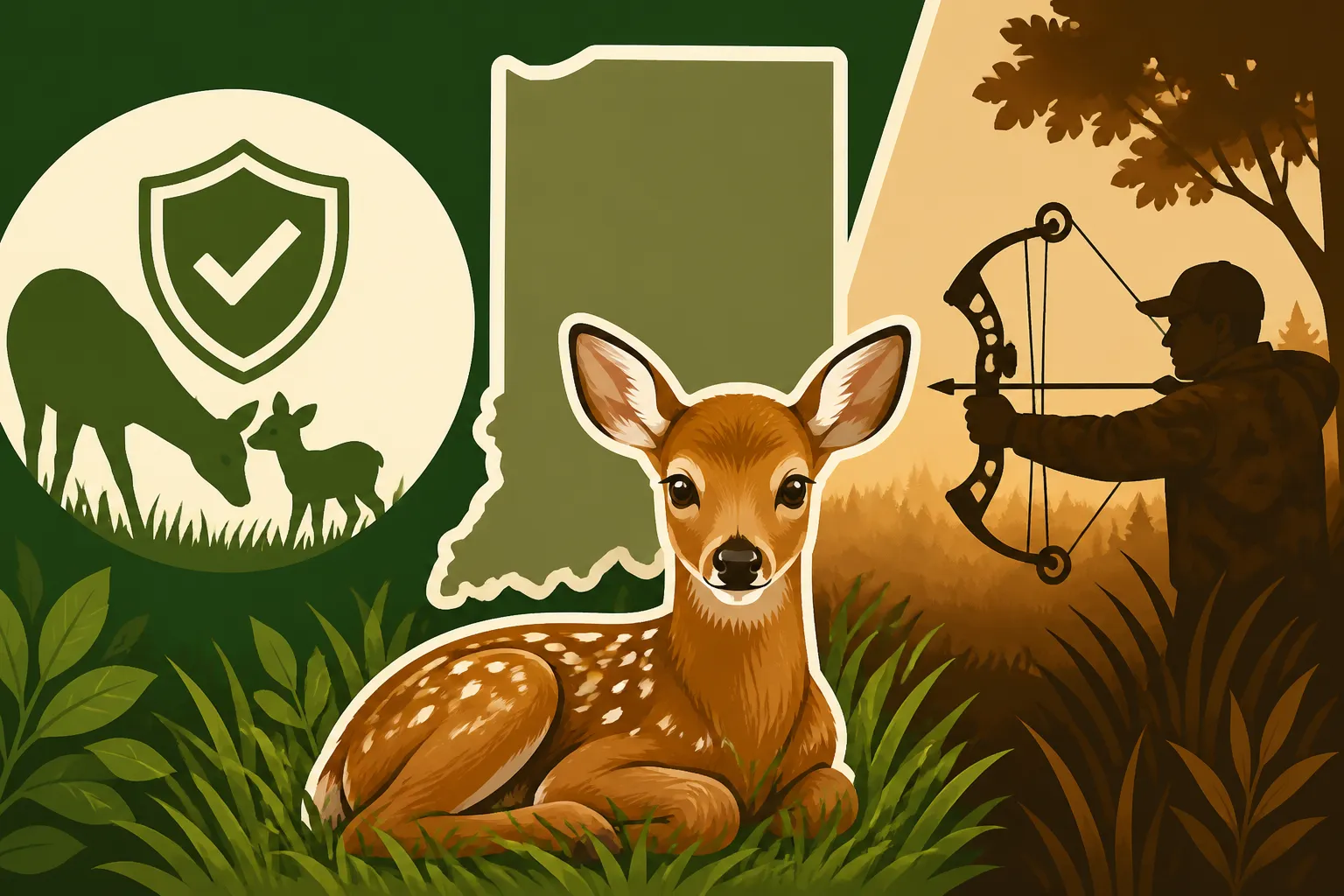
Indiana Fawn Survival Rates
It's frustrating, isn't it, when one year you see deer everywhere, and the next, your usual spots feel empty? A lot of hunters scratch their heads, wondering why the numbers seem to fluctuate so much. Often, the answer lies in something happening long before hunting season even begins: the survival rate of fawns. This guide will dive deep into what shapes Indiana fawn survival rates, why it matters for the future of our deer herd, and what factors play the biggest roles in whether those tiny, spotted newcomers make it to their first birthday.
Understanding What Shapes Indiana Fawn Survival
Fawn survival is a complex dance of factors, a delicate balance where one misstep can have a ripple effect on the entire deer herd. It's not just about how many fawns are born, but how many actually make it past those critical first few months to become part of the next generation of deer. For Indiana hunters, understanding these dynamics provides crucial insight into what to expect in future seasons and helps us appreciate the resilience of our whitetails.
The Silent Threat of Predation on Young Fawns
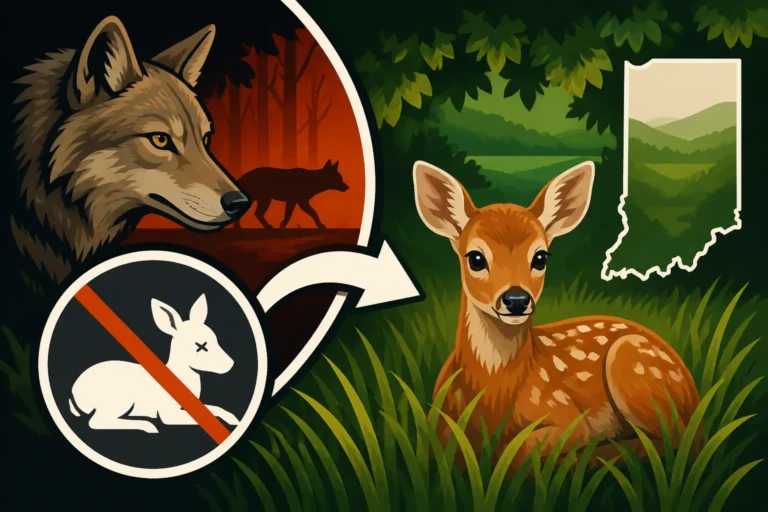
Perhaps no factor impacts fawn survival more dramatically than predation. Those adorable, wobbly-legged fawns, born from late spring into early summer, are incredibly vulnerable during their first few weeks of life. Their primary defense mechanism is hiding motionless, relying on their spotted camouflage and lack of scent to avoid detection. However, sharp-nosed predators are constantly on the prowl.
In Indiana, coyotes are the primary culprits when it comes to fawn predation. These opportunistic predators are widespread across the state and actively seek out young deer. While a healthy adult deer can often outrun a coyote, a newborn fawn has little chance if discovered. Bobcats, though less common than coyotes, also contribute to fawn mortality in areas where their populations are strong, particularly in southern Indiana's hillier, more forested regions. Even domestic dogs, particularly those allowed to roam freely, can pose a significant threat, often harassing and killing fawns out of instinct or sport. Indiana Coyote Range and Density is a helpful resource for understanding their presence. The fluctuations in these predator populations directly correlate with the survival rates of fawns year to year. When predator numbers are high, or their territories overlap heavily with prime fawning grounds, you can expect a noticeable dip in recruitment. It's a tough reality, but an important one to acknowledge when we think about what keeps our deer herds in check.
Habitat Quality and Its Crucial Role
While predators are a direct threat, the quality of the habitat serves as the fawn's first line of defense. Dense, secure cover is absolutely critical for hiding fawns from hungry eyes and noses. Think thick briar patches, tall stands of native grasses, brushy clear-cuts, or areas of young, regenerating forest. These are the nurseries of the deer world, providing the perfect camouflage and scent-trapping vegetation that a motionless fawn needs to remain undetected. A doe will typically "hide" her fawn in such cover, leaving it alone for hours at a time while she forages, only returning periodically to nurse.
Areas lacking this dense fawning cover often experience lower fawn survival rates. Imagine a doe trying to hide her newborn in a sparse woodlot with an open understory; it’s a recipe for disaster. The availability of high-quality forage for the doe herself also plays a huge role. A well-nourished doe will produce more milk, leading to healthier, stronger fawns that have a better chance of developing quickly and becoming more agile sooner. Drought conditions or poor mast crops from the previous fall can impact a doe's body condition through the winter and spring, leading to weaker fawns. Agricultural practices, such as early hay cutting in fields where fawns might be bedded, can also inadvertently lead to significant mortality. When using tools like GoHunt to scout new areas or analyze potential hunting grounds, pay attention to these dense, brushy areas – they're not just deer bedding, they're often where the next generation is being raised. Reading Aerial Photos for Southern Indiana Deer can certainly help you identify these crucial hiding spots.
Disease, Weather, and Other Environmental Stressors
Beyond predation and habitat, a host of other environmental factors can influence how many fawns make it to maturity. Disease is a sporadic but devastating threat. Epizootic Hemorrhagic Disease (EHD), for instance, while primarily affecting adult deer, can weaken pregnant does, leading to compromised fawns or even stillbirths. A doe fighting EHD might not have the energy or milk production to adequately support her fawn. While EHD outbreaks are cyclical, often tied to drought conditions and midge populations, their presence can indirectly impact the fawn crop. You can learn more about this by checking out EHD Die-Offs in Indiana Deer.
Weather, too, plays a surprisingly significant role. Unseasonably late spring frosts or prolonged cold snaps can be lethal to newborn fawns, whose thermoregulation systems aren't fully developed. Heavy, incessant rains can lead to hypothermia, and widespread flooding, particularly in river bottom areas, can drown fawns that are unable to escape rising waters. Conversely, severe summer droughts can reduce available forage and water, stressing does and fawns alike. A healthy fawn population often correlates with mild winters and springs, followed by summers with adequate rainfall. It’s a delicate balance that Mother Nature dictates year after year.
How Indiana DNR Tracks Fawn Success Rates
The Indiana Department of Natural Resources (DNR) doesn't just guess at how many deer are in the state or how well fawns are doing. They employ a variety of methods to collect data and make informed decisions about herd management, which directly impacts hunting seasons and opportunities for all of us. These efforts give us a clearer picture of the health and trajectory of our deer populations.
Methods of Monitoring and Data Collection
One of the primary ways the DNR gains insight into fawn survival and overall deer health is through direct observation and biological studies. While not conducted annually across the entire state, past fawn collaring studies have been incredibly valuable. In these studies, biologists capture newborn fawns, fit them with tiny radio collars, and then track their movements and survival through their first few months of life. This direct observation provides hard data on causes of mortality, whether it's predation, disease, or other environmental factors.
Beyond specific studies, the DNR relies heavily on data collected from hunters. Every deer harvested in Indiana must be reported, providing crucial information on age, sex, and location. By analyzing the number of does harvested and the proportion of fawns and yearlings observed in the overall harvest data, biologists can estimate fawn recruitment rates. When you check your deer via the Go Outdoors Indiana system, that information isn't just a formality; it's a vital piece of the puzzle for understanding Indiana Deer Herd Size and Indiana Fawn Survival Rates. Additionally, some regions may conduct spotlight surveys, where researchers drive specific routes at night, counting deer and categorizing them by age and sex to get a snapshot of the population composition.
Interpreting the Fawn Recruitment Numbers
So, what exactly are "fawn recruitment numbers," and why do they matter? Fawn recruitment refers to the number of fawns that survive to approximately six months of age and are "recruited" into the deer population, meaning they're old enough to potentially reproduce or be harvested during the hunting season. This is often expressed as a ratio of fawns per doe. For example, a fawn recruitment rate of 0.8 fawns per doe means that, on average, for every mature doe in the population, 0.8 fawns survive to join the herd.
The DNR uses these recruitment numbers, alongside other data points like harvest rates and population estimates, to understand the overall health and trajectory of Indiana's deer herd. A consistently low recruitment rate can signal issues with habitat, high predation, or widespread disease, potentially leading to declining deer numbers in future years. Conversely, high recruitment rates indicate a robust and growing population. These figures directly inform management decisions, such as setting antlerless tag quotas or establishing deer reduction zones. It's not about perfect counts, but about reliable estimates that guide sustainable management, ensuring future hunting opportunities for us all. The Indiana Buck-to-Doe Ratio by Region is another key metric that helps inform these decisions.
Why Fawn Survival Matters to Indiana Hunters
For those of us who spend our autumns in the Indiana woods, understanding fawn survival might seem like a biological detail, but it profoundly impacts what we experience in the field. The success or failure of the fawn crop directly translates into the health, size, and density of the deer herd we'll be pursuing in the coming seasons.
Impact on Future Deer Seasons and Hunter Opportunity
It’s simple math, really. A good fawn survival year means more deer on the landscape in the years to come. Fawns born this spring will be yearlings next fall, potentially breeding, and contributing to the herd. Two years from now, those same deer will be mature bucks and does. So, if your hunting area experiences a particularly successful fawn crop, you might notice an uptick in deer sightings a year or two down the line. This can translate into more hunting opportunities, potentially higher success rates, and even an increase in the number of mature bucks on the landscape.
Conversely, a year with poor fawn survival due to harsh weather, widespread disease, or intense predation can lead to noticeable declines in deer populations in subsequent seasons. Hunters might find fewer deer, fewer antlerless tags available in certain areas, or encounter a younger age structure among the bucks. This is why the DNR constantly monitors these metrics; it's about ensuring a sustainable and enjoyable hunting experience for current and future generations. The structure of Indiana Deer Season Structure Explained is built upon these population dynamics.
Recognizing Signs of Good or Poor Fawn Recruitment in Your Hunting Area
As hunters, we're often the first to notice changes in the deer herd, even before official data is compiled. Being observant can give you an early read on fawn recruitment in your specific hunting area. During late summer and early fall scouting trips, pay close attention to the does you see. Are they typically alone, or are they often accompanied by one or even two fawns? Multiple fawns per doe, especially a high percentage of does with twins, is a strong indicator of a successful fawn crop. If you're consistently seeing lone does, it might suggest a tougher year for fawn survival in that particular spot.
Trail cameras are invaluable tools for monitoring this. Set them up during the summer months near reliable water sources or mineral licks. Reviewing photos from July and August, you can get a good sense of how many fawns are present and how many does are successful in raising them. Look for signs of predation too, like coyote scat laden with deer hair. Using mapping tools like GoHunt, you can make notes of fawn sightings, predator activity, and areas with dense fawning cover. This personal data, combined with understanding broader DNR trends, can help you adjust your expectations and strategies for the upcoming season. Knowing your hunting area's Scouting Indiana Public Land Before Season well and observing these details will make you a more informed and adaptive hunter.
Fawn Survival Factors at a Glance
To summarize, here's a quick look at the major factors influencing fawn survival in Indiana:
| Factor | Impact on Fawn Survival | Description |
|---|---|---|
| Predation | High Negative | Coyotes, bobcats, and even feral dogs are primary threats to newborns. |
| Habitat Cover | High Positive | Dense briar, thickets, and tall grass provide crucial concealment and safety. |
| Doe Nutrition | High Positive | Healthy, well-fed does produce robust fawns and sufficient milk for growth. |
| Weather Events | Moderate Negative | Severe cold snaps, prolonged rains, and floods can be fatal to young fawns. |
| Disease (Indirect) | Moderate Negative | EHD and other illnesses in does can compromise fawn health and survival. |
| Human Disturbance | Low to Moderate Negative | Hay cutting or excessive pressure in fawning areas can sometimes lead to mortality. |
Understanding Indiana fawn survival rates is more than just a biological curiosity; it’s a key indicator of the health and future of our deer herd. By paying attention to these factors, from predator populations to the quality of fawning habitat, hunters can gain a deeper appreciation for the cycles of nature and better anticipate what each hunting season might bring.
Disclaimer
This article is for general informational purposes only and does not constitute professional advice. Laws, prices and regulations vary by location and change over time. Consult a qualified professional for guidance on your specific situation.