When Indiana Coyotes First Arrived
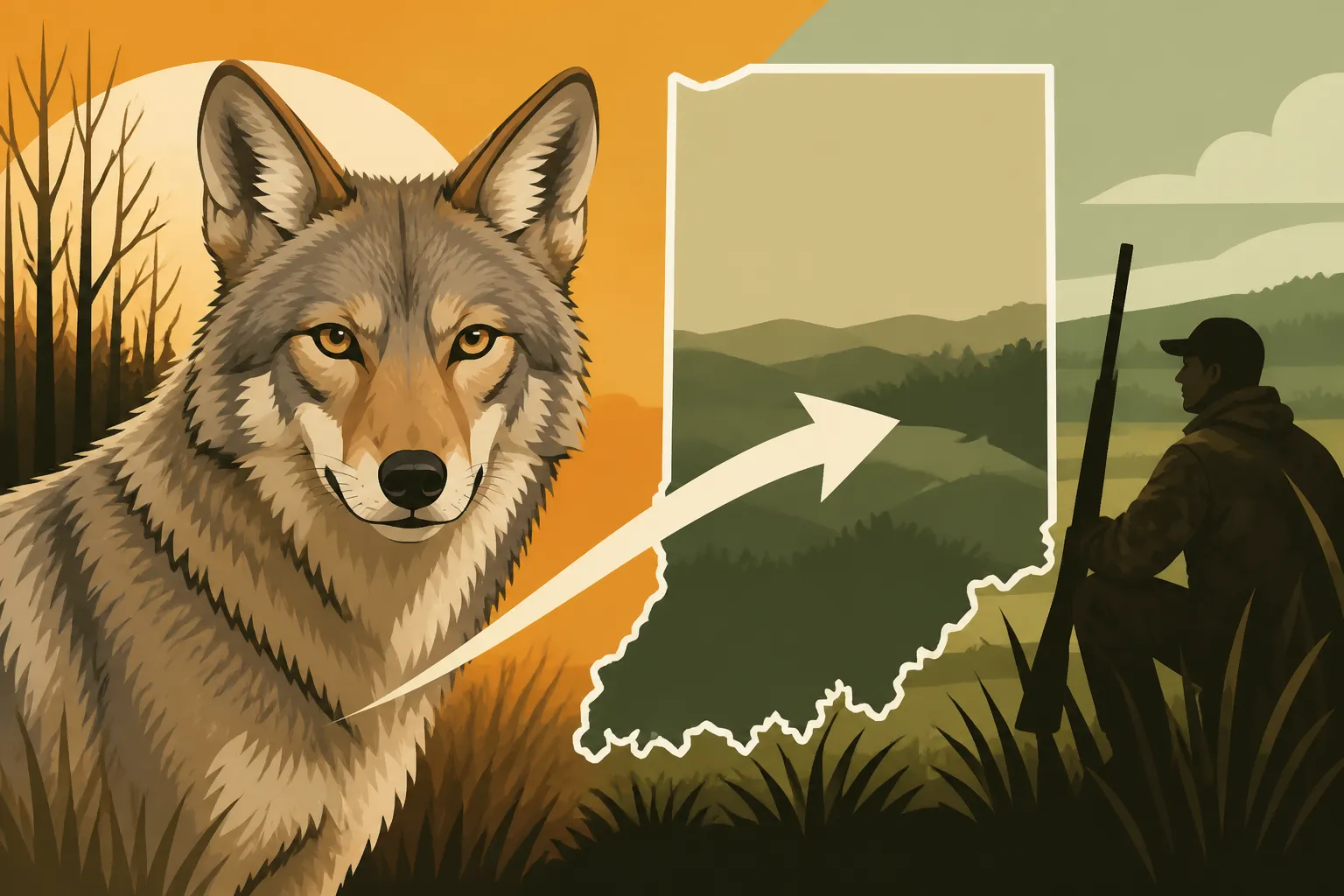
For many long-time Hoosier hunters and landowners, the presence of coyotes on Indiana's landscape sometimes feels like a relatively new phenomenon, a sudden influx of a species that wasn't always a primary concern. It can be frustrating to see them, especially when you're focused on managing deer or small game populations, and you might wonder just when these adaptable canids truly made our state their permanent home. This guide dives deep into the history of how and when coyotes arrived in Indiana, exploring their journey from the western plains to our woodlots and farmlands.
The Early Days: When Coyotes Weren't a Hoosier Fixture
It's easy to assume coyotes have always been here, lurking in the shadows of our fields and forests. But for a significant part of Indiana's history, they were largely absent. Historically, the coyote (Canis latrans) was primarily a creature of the North American plains and western states. Their traditional range extended across the prairies, deserts, and open woodlands west of the Mississippi River. Indiana, with its dense eastern deciduous forests, was considered outside their natural domain.
Back then, our state was home to different apex predators. Timber wolves and mountain lions, though extirpated by European settlers, were the dominant large carnivores for centuries. These powerful predators kept deer populations in check and would have naturally outcompeted or preyed upon smaller canids like coyotes. With the removal of these larger predators in the 19th and early 20th centuries, a vacuum was created in the ecosystem, paving the way for a highly adaptable species to eventually fill that niche. Many older generations of hunters can remember a time when seeing a coyote in Indiana was practically unheard of, or at least a very rare occurrence. They might recall stories from their grandfathers about wolves, but never tales of regular coyote sightings in the dense Indiana timber. It's a testament to how recent their widespread establishment truly is.
Gradual Eastern Expansion
The eastward expansion of coyotes wasn't a sudden, dramatic event, but rather a slow, persistent creep that began in the late 19th and early 20th centuries. As settlers pushed westward, clearing forests for agriculture and urban development, they inadvertently created ideal conditions for coyotes. The patchwork of open fields, brushy fencerows, and small woodlots mimicked the edge habitats coyotes thrive in. Simultaneously, aggressive predator control efforts, primarily targeting wolves and other large carnivores across the continent, removed the major competition for coyotes.
Initially, sightings in Indiana were sporadic and rare, mostly in the extreme western parts of the state. These early pioneers of the coyote world were likely following river corridors and newly fragmented landscapes, steadily pushing their boundaries. It wasn't until the mid-20th century, particularly from the 1950s onward, that their presence in Indiana started to become more noticeable and consistent. This was a critical turning point, marking the shift from occasional wanderers to establishing resident populations.
First Documented Sightings and Establishment
While anecdotal sightings likely predate official records, the scientific and state wildlife agencies began documenting the arrival of coyotes more systematically in the mid-1900s. Early reports often came from areas bordering Illinois, where coyotes were already more established. By the 1960s and 70s, it became clear that coyotes were not just passing through; they were settling down, breeding, and slowly but surely populating the entire state.
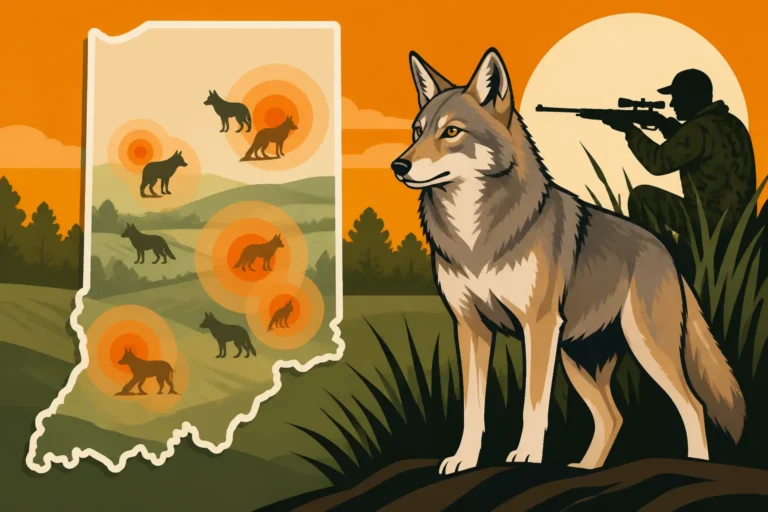
The spread wasn't uniform. Northern Indiana, with its flatter, more open agricultural landscapes interspersed with small woodlots, often saw coyotes establish themselves earlier and in higher densities than the more heavily forested, rugged hills of southern Indiana. However, their adaptability meant that even the deep woods wouldn't remain coyote-free for long. Their ability to thrive in such a wide range of habitats, from dense forests to suburban fringes, is truly remarkable and speaks to their incredible resilience. What began as a handful of pioneering individuals eventually blossomed into the robust and widespread population we recognize today, often leading hunters to consider tactics for Coyote Calling in Indiana Farm Country or Predator Calling Southern Indiana Ridgelines.
How They Arrived: A Journey of Adaptability
The question of how coyotes arrived in Indiana is fascinating, and it boils down to a perfect storm of ecological changes and their inherent ability to adapt. They weren't reintroduced by human hands, like some other species; instead, they walked here, one generation at a time, taking advantage of a landscape transformed by people.
The disappearance of wolves from the landscape was perhaps the single greatest factor. Wolves are direct competitors and predators of coyotes. Without wolves, the eastern coyote faced fewer threats and had more resources, allowing them to expand their range unimpeded. This allowed them to colonize areas they previously couldn't, pushing east through Ohio, Michigan, and eventually into Indiana.
Habitat Changes and Prey Abundance
The very act of settling Indiana, through logging and farming, created an entirely new environment that favored coyotes. Vast, unbroken forests were replaced by a mosaic of agricultural fields, regenerating timber, and edge habitat – the transition zones between different cover types. This "edge effect" is exactly where many prey species, like rabbits, mice, and deer, thrive. A healthy deer population, coupled with abundant small game and rodents, provided a consistent food supply.
Coyotes are opportunistic omnivores. While they certainly prey on deer, particularly fawns, they are just as happy to feast on field mice, berries, insects, and even carrion. This flexible diet allowed them to exploit whatever resources were available in the changing Hoosier landscape. Indiana Coyote Diet in Farm Country often includes a surprising amount of plant matter and small rodents, showcasing their versatility. This adaptability meant they weren't reliant on a single food source, making them incredibly resilient to environmental fluctuations.
Human Influence and Unintended Consequences
Beyond habitat modification, human activities directly contributed to the coyote's success. As mentioned, the eradication of wolves removed their primary competitor. Furthermore, with the growth of human settlements, particularly in rural and suburban areas, coyotes found new food sources in agricultural waste, roadkill, and even unsecured garbage. Their ability to live alongside humans, often unnoticed, further aided their spread. It's a classic example of unintended consequences: our efforts to tame the wilderness created a perfect niche for a new, highly adaptable wild predator.
The river systems of Indiana also acted as natural corridors for coyote movement. They could follow waterways, which often had dense cover and a consistent food supply, allowing them to traverse the state without encountering large, inhospitable stretches of human development. Over time, individuals traveling these routes would find suitable territories and establish new populations, slowly filling in the map of Indiana with a growing coyote presence.
Evolving Perceptions and Management
The arrival and establishment of coyotes in Indiana didn't go unnoticed, especially by those who spend significant time outdoors. For hunters, farmers, and wildlife enthusiasts, their presence brought a mix of fascination and frustration. Early on, there was often confusion, with some mistaking coyotes for wolves or feral dogs. As their numbers grew, so did the discussions about their impact on local wildlife and livestock.
Many hunters expressed concern about coyotes preying on deer fawns, particularly as deer populations were being carefully managed and restored across the state. Farmers, too, started reporting losses of small livestock, like chickens, lambs, or even calves in some cases. This led to a shifting perception of coyotes, from a curious novelty to a significant factor in wildlife management.
Impact on Game Species
The impact of coyotes on game species is a topic of ongoing discussion among hunters. While coyotes are opportunistic predators and will certainly prey on fawns, especially during the spring, it's also important to remember they are part of a complex ecosystem. Healthy deer herds, with good habitat and reasonable hunting pressure, can often withstand a certain level of coyote predation. However, in areas with very high coyote densities or struggling deer populations, their impact can be more pronounced.
Similarly, coyotes do prey on small game like rabbits and turkeys. Anyone who hunts Spring Turkey Hunting in Indiana or Squirrel and Small Game Hunting in Indiana has likely encountered a coyote or found evidence of their presence. Their year-round presence means they are a constant pressure on various prey animals. Understanding these dynamics is crucial for any hunter looking to manage their property or public land strategy effectively. Tools like GoHunt can be valuable resources for researching coyote behavior and their interactions with other species in specific regions.
Management Strategies and Hunting Opportunities
In response to their widespread establishment and the concerns raised by landowners and hunters, Indiana has maintained a very liberal hunting and trapping season for coyotes. They are classified as a furbearer with no closed season and no bag limit, meaning they can be hunted year-round. This approach recognizes their adaptability and prolific breeding habits, allowing for consistent population control efforts.
Many hunters now actively pursue coyotes, not just for population management but also for sport and their valuable pelts during colder months. Techniques range from calling them in with distress sounds to stand hunting in areas of high activity. Hunters often find great success using specific strategies, such as Night Hunting Hogs With Lights on Private Land, which can sometimes lead to coyote encounters as well, given that hogs and coyotes can share similar habitats.
Here's a quick look at the shift in apex predators over time in Indiana:
| Era | Primary Apex Predators Present | Coyote Presence | Key Ecological Role |
|---|---|---|---|
| Pre-European Sett. | Timber Wolves, Mountain Lions | Absent | Top-down control of deer, other large mammals |
| Early 1900s | (Largely absent) | Extremely Rare | Ecological vacuum, niche opening |
| Mid-1900s | (Largely absent) | Sporadic | Early colonization, establishment of pioneer groups |
| Late 1900s – Present | Coyotes (now dominant) | Widespread | Generalist predator, scavenger, mesopredator control |
The data shows a clear shift, with coyotes stepping into a role once held by much larger carnivores. This illustrates their remarkable ability to fill ecological gaps and thrive in a human-altered world. Modern tools and platforms, like the GoHunt app, allow hunters to scout and understand current wildlife patterns, including coyote movements, with more precision than ever before, helping them adapt their strategies for hunting other species or specifically targeting coyotes. Understanding Indiana Coyote Hunting Season Rules is key for anyone interested in this engaging pursuit.
Coyotes Today: A Permanent Fixture in the Hoosier State
Today, it's safe to say that coyotes are a permanent and integral part of Indiana's wildlife landscape. They are found in every county, from the most rural farmlands to the urban fringes of Indianapolis. Their calls can be heard on crisp autumn nights, a reminder of their enduring presence. Their adaptability has allowed them to thrive in varied habitats, from the cornfields of northern Indiana to the deep timber of the Hoosier National Forest.
For hunters, coyotes represent both a challenge and an opportunity. While they certainly exert pressure on game populations, they also offer a year-round hunting pursuit that can sharpen skills and provide valuable predator management. Many find tracking their movements and learning their habits to be an incredibly rewarding experience, enhancing their overall connection to the wild. You can learn a lot by studying their sign, whether you're trying to figure out Reading Indiana Mud for Fresh Deer Movement or simply looking for scat and tracks near a new food source.
Living Alongside Indiana's Most Adaptable Predator
The future of coyotes in Indiana will likely see them continue to thrive. Their ability to coexist with humans, adapt their diet, and reproduce efficiently ensures their long-term success. As hunters and wildlife enthusiasts, our role evolves into understanding their place in the ecosystem and implementing informed management strategies. This includes appreciating the balance they bring, even while acknowledging their impact on other species we cherish.
For anyone looking to understand more about these resilient animals, or indeed any game species, staying informed through resources and platforms can be incredibly helpful. Whether you're researching potential hunting grounds or studying animal behavior, resources often provide critical insights into population trends and local regulations. Platforms like GoHunt can offer detailed mapping and species information, helping you identify areas where coyote activity might be high, or where specific hunting opportunities exist. Ultimately, the coyote's arrival story is a powerful testament to nature's resilience and adaptability, a story written across the ever-changing landscape of Indiana.
Disclaimer
This article is for general informational purposes only and does not constitute professional advice. Laws, prices and regulations vary by location and change over time. Consult a qualified professional for guidance on your specific situation.