Why Indiana Treats Hogs as Unprotected
Indiana feral hog regulations classify the animals as unprotected to prevent agricultural damage, ecological destruction, and disease spread.
Know what you’re after.
Big game, small game, upland birds, and waterfowl — identification, behavior, rut and migration timing, and how each species moves through the season.
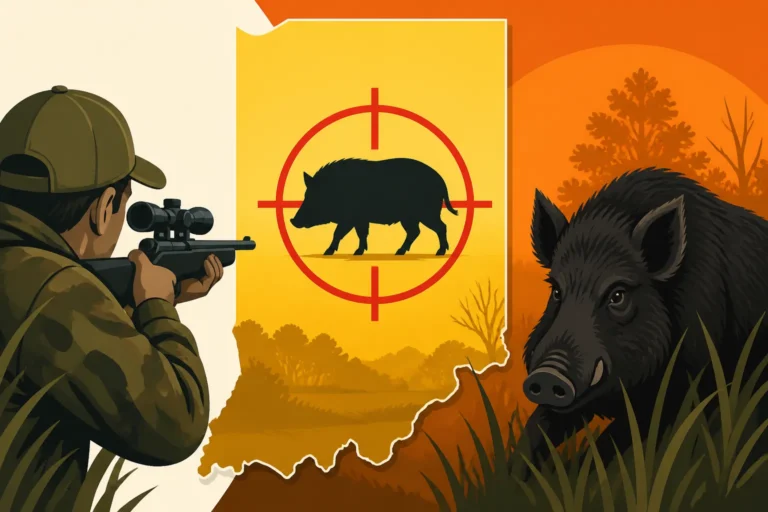
Indiana feral hog regulations classify the animals as unprotected to prevent agricultural damage, ecological destruction, and disease spread.
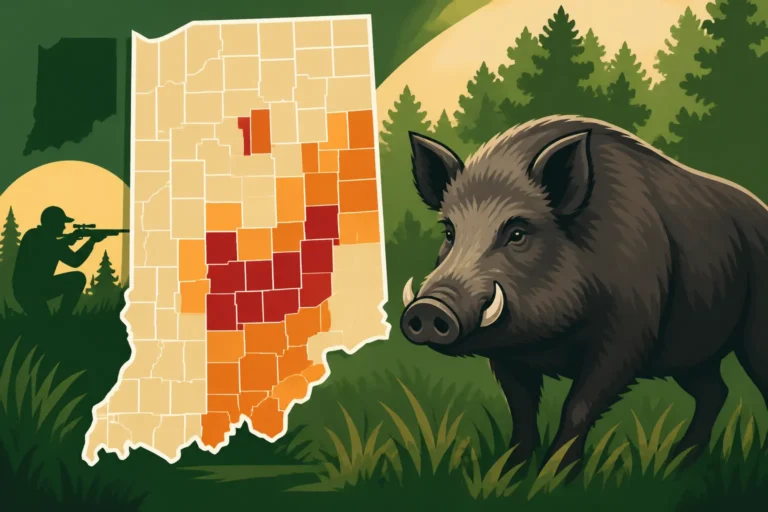
Indiana feral hog concentrations and county distribution patterns help hunters locate wild swine across the Hoosier State.
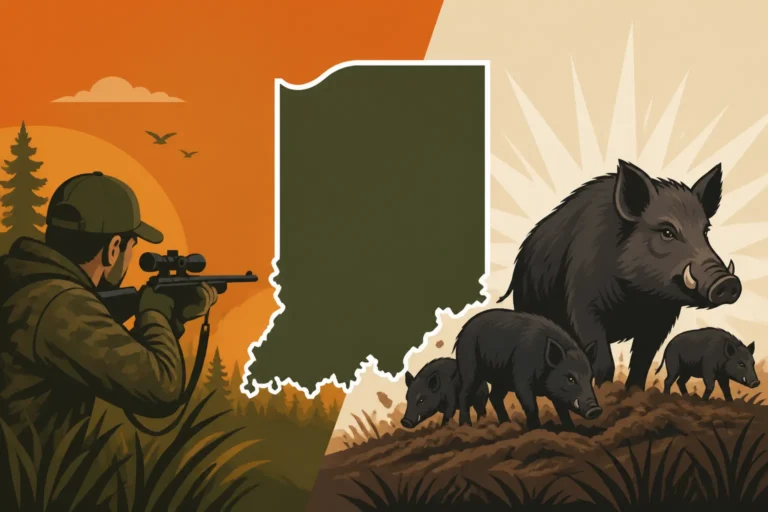
Indiana feral hog population estimates, sightings, and localized southern hotspots explained by the Department of Natural Resources.
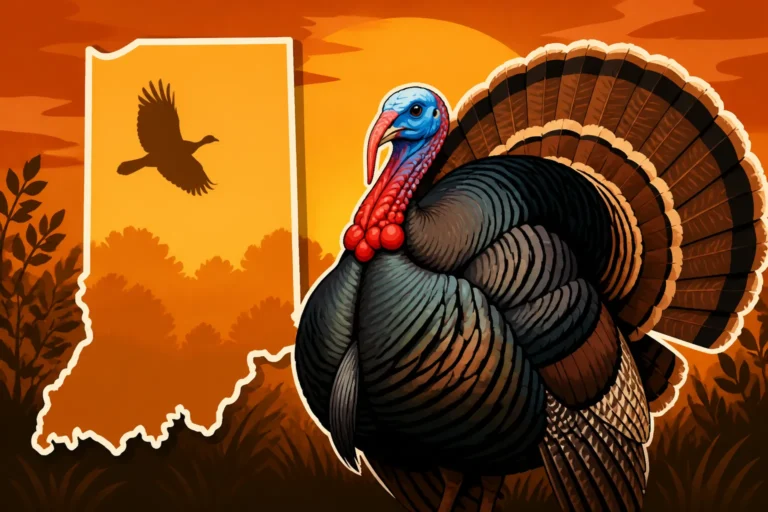
Indiana record book gobblers require precise National Wild Turkey Federation scoring measurements for weight, spurs, and beards.
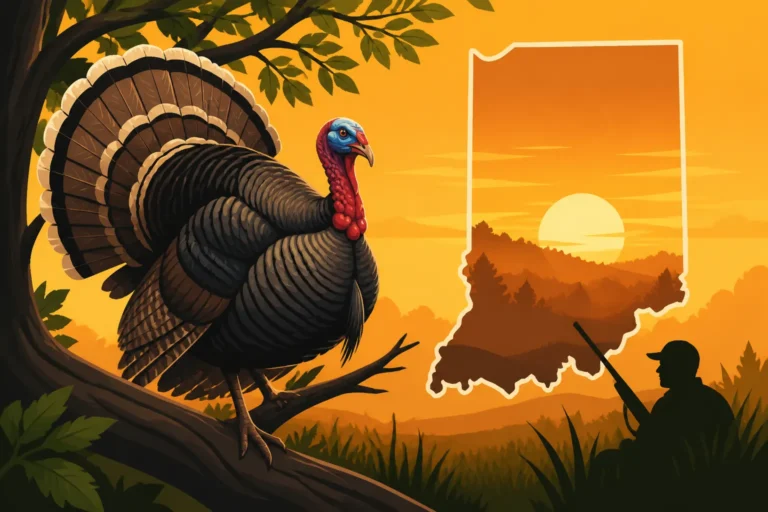
Wild turkey roosting behavior in Indiana includes choosing mature hardwoods like oaks and tall pines to avoid predators.
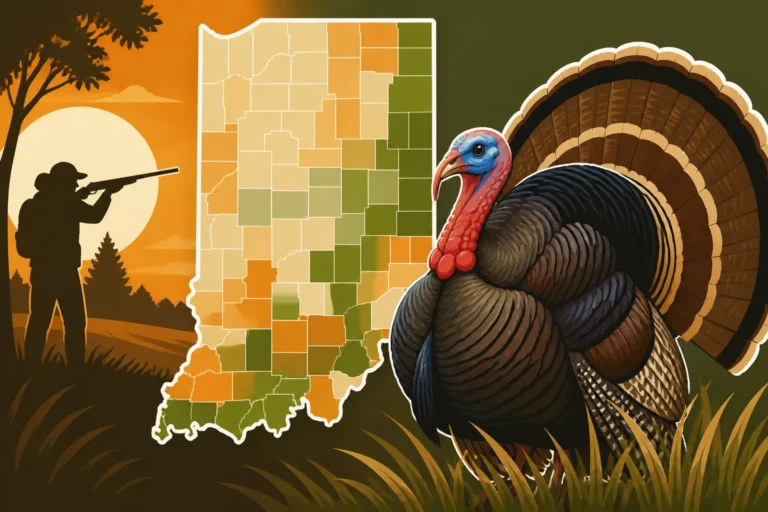
Indiana turkey populations, historical restocking efforts, and local habitat factors explain where hunters find high bird densities.
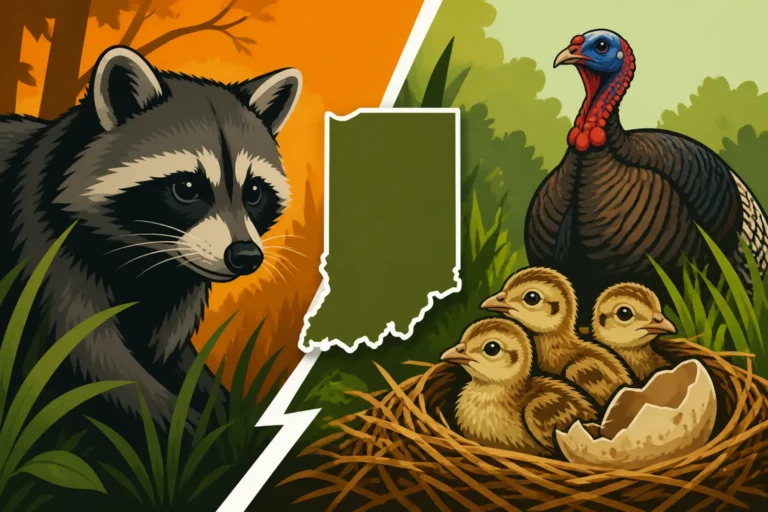
Raccoons, opossums, and skunks lower Indiana turkey populations by consuming eggs in ground nests, reducing crucial poult-to-hen ratios.
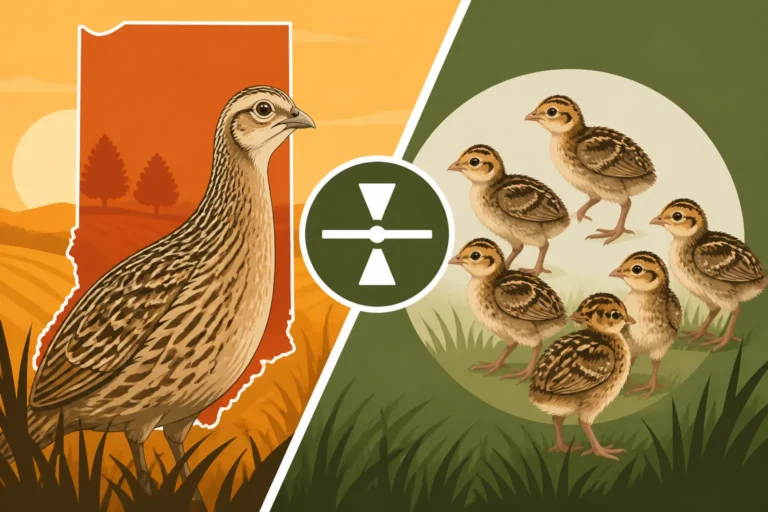
Indiana poult-to-hen ratios explain wild turkey reproductive success, population health, and future hunting opportunities across the state.
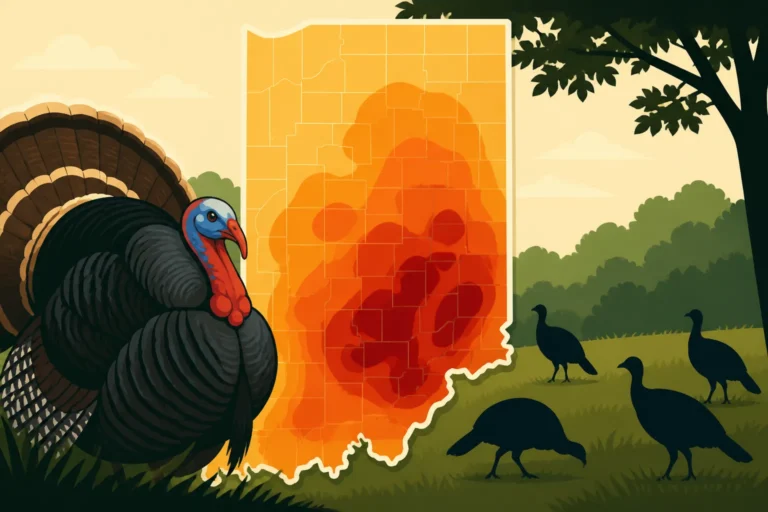
Indiana wild turkey populations thrive in southern hardwood forests and diverse edge habitats with abundant mast crops for food.
Indiana spring turkey harvest numbers explain DNR population management, weather impacts, and hunter success rates for future planning.