Patoka River Refuge Waterfowl Access
It's no secret that finding prime public waterfowl hunting in Indiana can feel like trying to find a needle in a haystack, especially if you're looking for an experience that's more than just jump-shooting a local creek. Many hunters dream of those classic flooded timber or marsh hunts, but the reality often falls short. This guide is all about one of Indiana's special places, the Patoka River National Wildlife Refuge, and how you can navigate its unique access system to chase ducks and geese. We'll dive into everything from permits to preferred gear, helping you understand what it takes to have a successful hunt in this beautiful, wild corner of our state.
Understanding Patoka River National Wildlife Refuge for Waterfowl
The Patoka River National Wildlife Refuge is one of those places in Indiana that truly stands out for waterfowl. It's not just another public lake; it's a meticulously managed ecosystem designed to provide critical habitat for migratory birds. If you've ever felt frustrated by the lack of consistent public land opportunities, Patoka offers a glimmer of hope, though with its own set of unique access challenges.
The Patoka River's Unique Ecosystem for Waterfowl
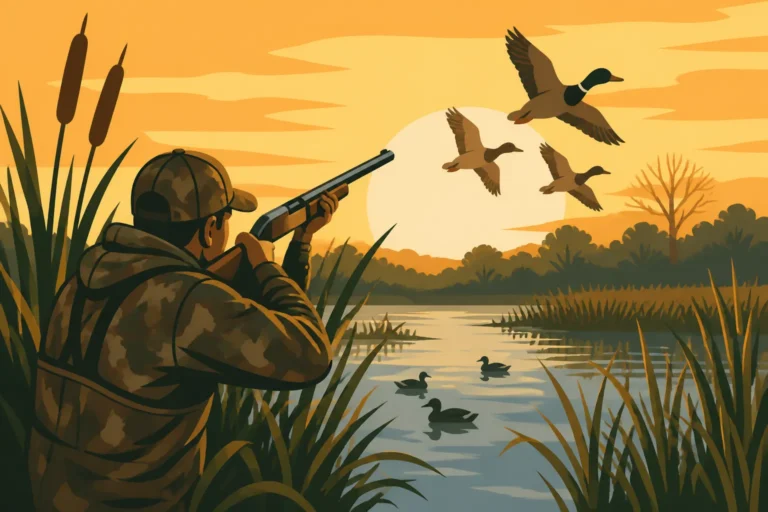
Imagine a landscape where the river meanders, creating oxbow lakes, backwater sloughs, and vast stretches of bottomland hardwoods that frequently flood. That's the Patoka River National Wildlife Refuge in a nutshell. This dynamic environment is precisely what makes it such a magnet for waterfowl throughout the fall and winter migration. When the Patoka River swells its banks, these low-lying areas transform into prime feeding and resting grounds. You'll find everything from dabbling ducks like mallards, wood ducks, and pintails sifting through flooded vegetation, to diving ducks like ringnecks and canvasbacks utilizing the deeper pockets of water. Wood Ducks in Indiana River Bottoms are particularly fond of the timbered areas.
This isn't a static environment; water levels can change dramatically with rainfall, making scouting and adaptability crucial. One week you might be hunting a sheet of shallow water over a former bean field, and the next, that same spot could be a fast-moving river or completely dry. The refuge's management practices, which include habitat restoration and water level manipulation when possible, are geared towards maximizing its appeal to a diverse range of waterfowl species, providing consistent opportunities year after year, even if the exact "hot spots" shift.
The Draw of the Refuge for Hoosier Hunters
For many Hoosier hunters, the Patoka River Refuge represents a chance at a different kind of waterfowl hunt. Unlike many smaller state properties that can get hammered with pressure, the refuge, with its managed access, often provides a more spread-out and higher-quality experience. The draw here isn't just about bagging birds, it's about immersing yourself in a genuine wetlands environment, hearing the roar of a thousand mallards lifting off a distant slough, or watching a flock of geese cup their wings over your decoys.
However, it's important to approach Patoka with realistic expectations. While it offers excellent habitat and potential for memorable hunts, it's not a free-for-all. The managed nature means you can't just show up and hunt anywhere. This controlled access is a double-edged sword: it reduces pressure and maintains quality, but it also means hunters must navigate specific permit systems and sometimes limited opportunities. This reality can be a source of frustration for those used to more open access, but the reward for those who persevere and learn the system can be truly outstanding waterfowl action.
Navigating the Permit and Access System
The Patoka River National Wildlife Refuge operates under federal regulations, which means getting access to hunt waterfowl here is a little different than simply buying your state license and heading out. It requires a bit more foresight and planning, but understanding the system is the first step to securing a spot.
Getting Started: Licenses and Refuge-Specific Permits
Before you even think about applying for a Patoka hunt, you need to ensure all your basic licensing is in order. This includes your standard Indiana hunting license, which you can typically purchase online through the Go Outdoors Indiana platform or from authorized retailers. If you're targeting migratory waterfowl, which you certainly will be at Patoka, you also need to ensure you have a valid federal duck stamp. This federal stamp is absolutely non-negotiable for anyone 16 years or older hunting ducks, geese, or other migratory waterfowl. You'll also need the Harvest Information Program (HIP) endorsement, which registers you as a migratory bird hunter with the U.S. Fish and Wildlife Service. All of these are foundational. For specifics, you'll want to check out Indiana Hunting Licenses and What They Cost and Indiana Federal Duck Stamp Requirement.
Beyond these general requirements, Patoka River National Wildlife Refuge often has its own refuge-specific permits or sign-in procedures for waterfowl hunting. These can vary from year to year, so it's absolutely crucial to check the official Patoka River NWR website or contact the refuge office well in advance of the season. They'll outline any special permits, application deadlines, and rules unique to the refuge's waterfowl zones. Sometimes it's a simple free permit you print online, other times it might involve an application for a controlled hunt. Don't assume anything; always verify the current year's requirements.
The Hunt Draw Process: Hope and Heartbreak
The primary method for accessing prime waterfowl hunting areas within the Patoka River Refuge is often through a quota or lottery draw system. This is where the hope and heartbreak come into play for many hunters. You apply for a specific hunt date or period, often during the late summer or early fall, and then cross your fingers that your name is drawn. These hunts are designed to limit pressure on the birds and provide a quality experience for those who are successful.
The application process usually involves submitting an application online or by mail, paying a small application fee, and then waiting for the results. If you're drawn, you'll receive notification and instructions on how to proceed, which might include picking up a permit at the refuge office or attending a mandatory check-in. If you aren't drawn, well, that's where the heartbreak comes in. It's a reality of hunting managed public lands, and it's why many hunters apply for multiple quota hunts across various properties each year. There might also be opportunities for standby hunting on the day of a scheduled hunt if drawn hunters don't show up, but this is never guaranteed and often involves an early morning wait. Keep an eye on the refuge's official announcements for precise dates and rules surrounding these draws. Understanding Indiana Duck and Goose Bag Limits will be important once you actually get a spot.
Key Waterfowl Hunting Strategies for Patoka
Once you've secured access to a waterfowl unit at Patoka, the real fun (and challenge) begins. This isn't your average farm pond hunt; the dynamic nature of a riverine refuge means you need to be adaptable and strategic with your setup and approach.
Decoy Spreads and Blind Selection
When hunting Patoka, your decoy spread needs to be versatile and realistic. Given the mix of dabblers and divers that utilize the refuge, a diverse spread is often beneficial. Think about a core of mallard and wood duck decoys, perhaps with a few pintails, teal, or shovelers mixed in to add realism. If you're in deeper water or open areas, a small contingent of diver decoys might entice birds passing overhead. Keep in mind the species you're seeing; sometimes less is more, especially if birds are wary. Consider how to make your spread look natural for the given water depth and available cover. In flooded timber or tight sloughs, a small, natural-looking spread can be far more effective than a giant spread that looks out of place.
Blind selection at Patoka generally means using natural cover or bringing a portable blind. Unlike some other waterfowl areas with permanent blinds, you'll likely need to scout your spot and utilize existing vegetation – think cattails, willows, or flooded brush. Layout blinds might work in very specific, open field setups if that type of habitat is available in your unit. For most of the water-based hunting, however, you'll be brushing in an A-frame blind or simply hiding within the thick stuff. The key is to blend in completely with your surroundings. Remember, birds at Patoka are often pressured, so a perfectly camouflaged setup is paramount. You can find some tips for similar setups in Layout Blinds and Marsh Boats.
Reading Water and Weather Conditions
Hunting the Patoka River Refuge means becoming a student of hydrology and meteorology. Water levels are constantly fluctuating due to rainfall and river flow, and these changes dictate where the ducks and geese will be. A spot that was hot last week might be bone dry or a raging torrent this week. You absolutely have to scout or, at the very least, check local river gauges before your hunt. Pay attention to the Patoka River's stage; even a few feet of difference can completely alter the landscape of the refuge. When the river is high, new areas of flooded timber and fields become accessible and attractive to birds. When it's low, birds might concentrate in residual pools and sloughs.
Weather, of course, plays an enormous role. A strong cold front often pushes new birds into the area, making hunting conditions excellent. Wind direction is critical for setting up your decoys and blind; birds almost always land into the wind. If you can set up with the wind at your back, pushing birds over your decoys, you'll greatly increase your chances. Overcast days are generally preferred for waterfowl, but birds will move in any conditions if they need to feed or rest. Understanding Duck Migration Timing Through Indiana can also help you anticipate when various species are most likely to be present.
| Weather Factor | Impact on Waterfowl | Hunting Tip |
|---|---|---|
| Cold Front | Pushes new birds south, increases feeding drive | Hunt fresh water, food sources |
| High Winds | Birds fly lower, land into wind, seek sheltered areas | Set decoys tight, face them into wind |
| Heavy Rain | Can increase water levels, provide new feeding grounds | Focus on newly flooded areas |
| Clear Skies | Birds fly higher, may be warier | Use more decoys, perfect concealment |
| Water Levels | Dictates accessible habitat, food availability | Check river gauges, scout frequently |
Essential Gear and Preparation for a Refuge Hunt
Hunting the Patoka River Refuge isn't a casual affair; it requires specific gear and a diligent approach to preparation. The environment can be challenging, from muddy banks to cold, deep water, so being properly equipped is key to both comfort and success.
Waders, Boats, and Mobility Gear
First and foremost, you absolutely cannot hunt waterfowl at Patoka without reliable waders. Forget hip boots; you'll need chest waders, and not just any waders. Invest in a good quality, insulated pair that can withstand thick brush, rebar, and cold water. You'll be crossing sloughs, busting through flooded timber, and potentially retrieving birds from challenging spots. Waders for Marsh Hunting are a must-have. Don't skimp here; a leak can end your hunt and put you at risk.
Mobility is also critical. While some spots might be accessible by foot, a small boat is often essential to reach prime locations or retrieve downed birds. Canoes, kayaks, or small jon boats with a shallow-running motor or even just a push pole can make a huge difference. Consider how you'll transport your gear – decoys, guns, calls, and blind materials. Hauling everything in can be a workout, so a good game cart or sled might be useful for longer treks, especially if you're navigating mud or soft ground. Remember to think about safety: always wear a life vest when boating, and consider a dry bag for your essentials. Layout Blinds and Marsh Boats can provide further insights here.
Scouting and Pre-Season Prep
Even if you draw a specific unit, pre-season scouting is paramount at Patoka. This doesn't necessarily mean physically walking every inch of your potential hunting area, especially if water levels are low in summer. Instead, start with aerial reconnaissance. Tools like onX Hunt or GoHunt mapping apps are invaluable for identifying flooded timber, sloughs, hidden ponds, and potential entry/exit routes. Look for changes in vegetation that might indicate food sources or natural pinch points. These apps can also show property lines, ensuring you stay within the refuge boundaries. Scouting Indiana Public Land Before Season is always important, but especially so on managed areas like Patoka.
Beyond digital scouting, once you've drawn a spot, if conditions allow, try to visit the area shortly before your hunt. Look for fresh sign: duck and goose droppings, disturbed mud where they've been feeding, or concentrations of roosting birds. Pay attention to existing cover that you can utilize for a blind. Even within a designated hunting unit, there will be better spots than others. Identifying these hot spots, understanding the likely flight paths, and having a solid plan for your decoy spread and concealment before opening day can make all the difference between an average hunt and a truly memorable one.
Disclaimer
This article is for general informational purposes only and does not constitute professional advice. Laws, prices and regulations vary by location and change over time. Consult a qualified professional for guidance on your specific situation.