Posey County Public Hunting Access
Finding good public hunting land can feel like searching for a needle in a haystack, especially in counties that are largely privately owned and agricultural, like many parts of Indiana. If you're looking to hunt in Posey County, Indiana, you might be wondering where exactly you can legally set foot and what opportunities exist beyond private permission. This guide is here to unravel the mysteries of public hunting access in Posey County, helping you discover the fantastic outdoor experiences waiting for you.
Understanding Public Hunting Options in Posey County
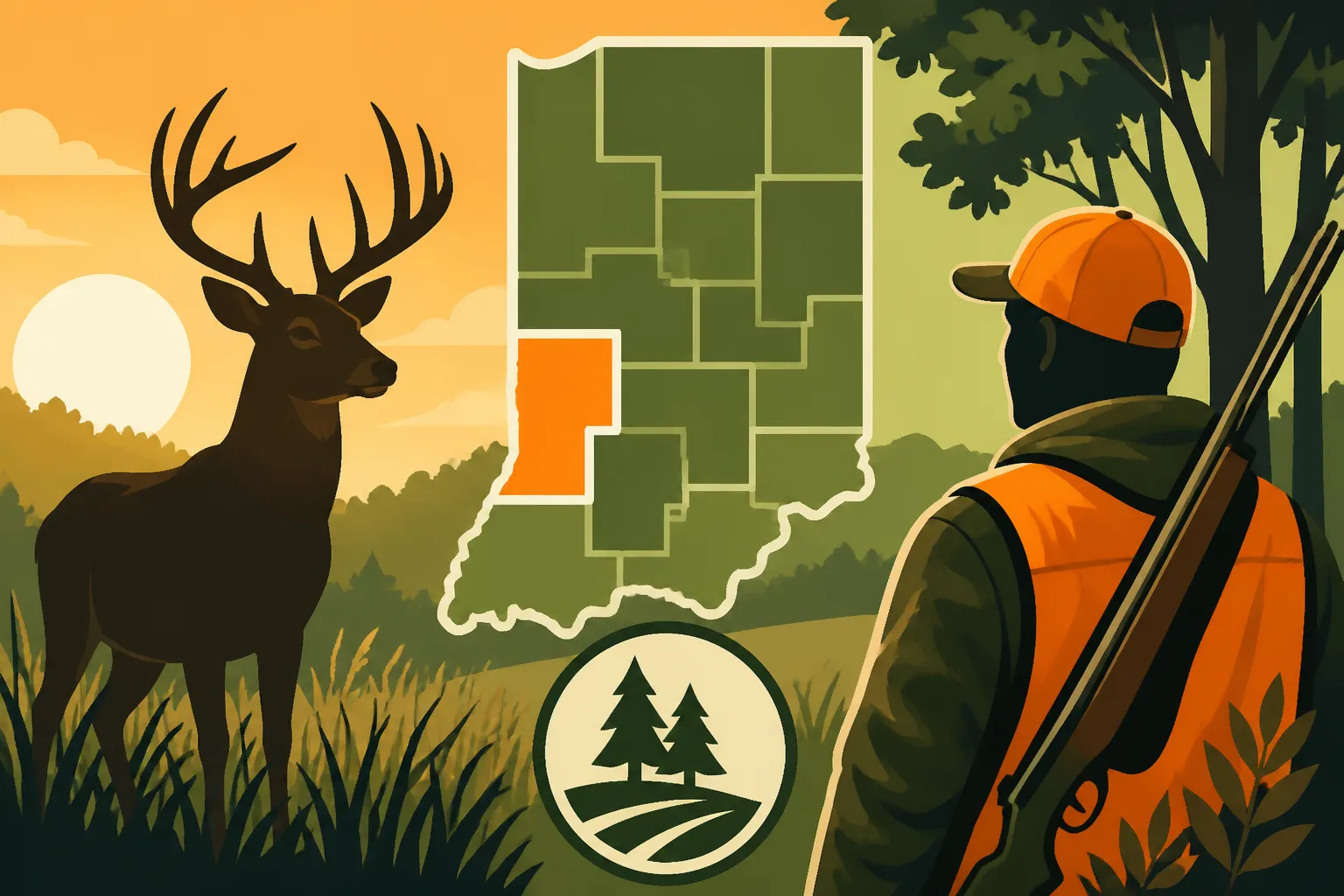
Posey County, nestled in the southwestern corner of Indiana, might not immediately jump to mind as a public land mecca, but it offers some unique and surprisingly rich hunting opportunities if you know where to look. Much of the county's public access is tied to its significant river systems and associated wetlands, creating diverse habitats for a variety of game. It's not the vast, sprawling forest land you'd find in the southern hills, but it has its own distinct appeal.
Hovey Lake Fish and Wildlife Area
The crown jewel of public hunting in Posey County is undoubtedly Hovey Lake Fish and Wildlife Area. This sprawling property is renowned for its excellent waterfowl hunting, thanks to its proximity to the Ohio River and the Mississippi Flyway. It’s a mosaic of wetland, timber, and agricultural fields managed specifically for wildlife, making it a prime destination for many hunters.
The area is heavily influenced by the Ohio River's water levels, which can create dynamic hunting conditions throughout the season. During periods of high water, the lake and surrounding lowlands expand significantly, drawing in migratory birds. When the water recedes, mudflats and shallow areas become important feeding grounds. Hovey Lake isn't just for ducks and geese, though. Its diverse habitat also supports healthy populations of white-tailed deer, wild turkeys, and various small game species. You'll find sections of timber and brush along the riverbanks and sloughs that provide excellent cover for deer, especially during the later archery and firearms seasons. Don't overlook the edges of agricultural fields for deer movement, either, particularly as colder weather sets in.
River Access and Other Potential Spots
Beyond Hovey Lake, the Wabash River forms Posey County's western border, and the Ohio River its southern. While much of the direct river frontage is private, various boat launches and public access points along these rivers can offer unique opportunities. Often, these areas provide access to small pockets of public land, sandbars, or islands where hunting might be permissible, though you'll need to verify regulations carefully with the Indiana Department of Natural Resources (DNR). These riverine habitats are excellent for waterfowl, but also for small game like squirrels and rabbits that thrive in the bottomland hardwoods.
It's also worth checking for any smaller, lesser-known DNR-managed properties or easements that might exist. These can be tiny parcels, sometimes just a few acres, but they often get overlooked by hunters focusing on larger areas. These small woodlots or brushy areas can be fantastic for a quick squirrel hunt or even an ambush for a deer moving between larger private tracts. Always confirm the exact boundaries and rules for any area you plan to hunt. You can find more general information about these types of opportunities in Public Hunting Land in Indiana.
Navigating Public Land Regulations and Access
Hunting public land successfully in Posey County, or anywhere, really, means understanding the specific rules and regulations that govern each property. It’s not enough to just know where the public land is; you need to know how to use it legally and ethically.
Sign-In Requirements and Check Stations
Many Indiana Fish and Wildlife Areas, including Hovey Lake, operate under a mandatory self-serve check-in and check-out system. Before you head into the field, you'll need to stop at a designated check station or kiosk. Here, you'll find forms to fill out, indicating your hunting activity, the species you're targeting, and your intended hunting area. This system helps the DNR monitor hunter pressure, gather harvest data, and manage the wildlife populations more effectively. It's not a suggestion; it's a requirement, and conservation officers do check for compliance.
Failing to sign in can result in fines, so make it a routine part of your hunting trip. Often, these check stations also have maps of the property, providing valuable insights into boundaries, trails, and different habitat types. These maps are invaluable, even if you’re also using a digital mapping tool. Make sure you carry proof of your license and any necessary permits, as these might also be requested when checking in. To understand more about licenses, refer to Indiana Hunting Licenses and What They Cost.
Utilizing Mapping Tools for Boundaries and Access
In today's hunting world, digital mapping tools are absolutely indispensable, especially when navigating public land boundaries and access points. Apps like onX Hunt are incredibly valuable. They provide detailed property ownership maps, clearly delineating public land from private, often down to the individual parcel. This feature is critical in areas like Posey County where public and private lands can be intertwined, or where smaller public parcels might be surrounded by private holdings.
Using onX Hunt, you can overlay different layers to see topographical features, satellite imagery, and even historic fire breaks or logging roads. This allows you to scout from your couch, identifying potential access routes, pinch points, bedding areas, and food sources before you ever set foot on the property. It takes the guesswork out of "am I on public land?" and helps you avoid accidental trespass, which is a major concern when Finding Indiana Property Lines. Even if you have a paper map from a check station, having a GPS-enabled app on your phone can confirm your exact location in real-time, especially in dense cover or unfamiliar terrain.
Understanding Species-Specific Regulations
Beyond general public land rules, each species you pursue has its own set of regulations. For deer, you'll need to be aware of Indiana Deer Season Structure Explained, bag limits, and legal methods of take. For waterfowl at Hovey Lake, federal migratory bird regulations apply in addition to state rules, including daily bag limits, possession limits, and often specific shooting hours. Don't forget that non-toxic shot is usually required for waterfowl hunting, and you'll need a federal duck stamp and HIP registration.
Small game like squirrels and rabbits also have specific seasons and bag limits. Always consult the current Indiana Hunting and Trapping Guide or the DNR website before each season. The rules can sometimes change year to year, and staying informed is your responsibility. This is especially true for any designated "managed hunts" or special drawings that some Fish and Wildlife Areas might implement for certain species, like deer or turkey, to control harvest or manage hunter numbers.
Hunting Strategies for Posey County Public Land
Once you've identified your target public land and understood the access rules, it's time to think about strategy. Posey County's unique blend of river bottom, wetland, and agricultural fringe calls for specific approaches, especially when dealing with public land pressure.
Deer Hunting in River Bottoms and Field Edges
Deer hunting in Posey County public areas like Hovey Lake often means focusing on river bottom timber, sloughs, and the edges of agricultural fields. These areas provide food, water, and cover, drawing deer throughout the season. During the early archery season, deer will be frequenting green food sources along field edges and natural browse in the timber. As the season progresses into the rut, look for travel corridors, pinch points, and natural funnels that deer use to move between bedding and feeding areas. River bends, narrow strips of timber between fields, and brushy fence lines can all act as excellent ambush points. Learn more about rutting activity in Hunting the Rut in Early November.
The late season, particularly during the muzzleloader and late archery windows, often sees deer concentrating on available food sources, especially standing crops or waste grain in harvested fields. Hunting the fringes of these fields, or even setting up along trails leading to them, can be highly effective. Patience is key, as deer might not move until late afternoon, particularly if hunting pressure is high. Consider using ground blinds in these situations, especially if you can brush them in effectively.
Waterfowl Hunting in Wetlands and Flooded Timber
Hovey Lake FWA is a waterfowl hunter's paradise, but it requires specific tactics. Waterfowl hunting often involves layout blinds in fields or natural blinds built into marsh edges. Decoy spreads are crucial, and understanding bird behavior and migration patterns will greatly influence your success. Many hunters use boats to access different parts of the lake and set up in flooded timber or open water. Early season might see more local birds, while later in the fall and winter, migratory ducks and geese will be moving through, drawn to the protected waters and food sources.
Being aware of prevailing winds and how they influence bird flight paths is vital. Setting up your decoys and blind to take advantage of these patterns can make a huge difference. Also, remember that waterfowl hunting can be highly competitive on public land, so arriving early to secure a spot is often necessary. Be respectful of other hunters and maintain adequate spacing. For a broader look at waterfowl hunting, check out Waterfowl Hunting the Kankakee Marshes.
Small Game in Bottomland Hardwoods and Brushy Areas
For squirrel and rabbit hunting, Posey County's bottomland hardwoods and brushy fencerows are prime habitat. Squirrels will be active in mature timber, particularly around mast-producing trees like oaks and hickories. Look for signs of feeding, such as cut nut shells, and listen for their chattering calls. Early season squirrel hunting can be fantastic as the leaves are still thick, requiring keen eyesight and patience. Later in the season, when the leaves drop, squirrels are easier to spot but also more wary.
Rabbit hunting thrives in thick cover – brush piles, briar patches, tall grass, and fencerows. These areas provide both food and protection from predators. Walking these areas slowly, or with a good rabbit dog, can flush out cottontails. Pay close attention to areas where different habitat types meet, as these "edge" environments are often hotspots for small game. Squirrel and Small Game Hunting in Indiana offers more detailed methods for these species.
Maximizing Your Public Land Experience
Hunting public land is more than just knowing where to go and what to shoot; it’s about preparedness, respect, and continuous learning. Especially in areas that might see higher hunter numbers, a thoughtful approach can greatly improve your chances of success and enjoyment.
Pre-Season Scouting and Observation
The most successful public land hunters are often those who put in the legwork long before opening day. Pre-season scouting is absolutely critical. Spend time walking the property, looking for deer trails, rubs, scrapes, and bedding areas. Identify pinch points, funnels, and natural barriers that might concentrate deer movement. For waterfowl, scout for active feeding areas and roosting sites. Learn the terrain, understand where the high spots and low spots are, and identify potential stand or blind locations.
This can involve physically walking the land, using binoculars from a distance to observe fields or open water, and leveraging mapping apps to analyze terrain and potential hotspots. Even if you've hunted an area before, conditions can change due to water levels, timber cuts, or changing agricultural practices, so fresh scouting is always a good idea. Consider placing trail cameras in key areas during the off-season to monitor game movement, although always check specific FWA rules on trail camera use.
Respecting Fellow Hunters and the Environment
Public land is a shared resource, and respecting other users and the environment is paramount. This means being mindful of where others are hunting, giving them ample space, and avoiding disruptions. If you encounter another hunter, a friendly nod or brief greeting is usually sufficient; avoid loud conversations or movements that might spook game in their vicinity. Understanding Hunting Pressure on Indiana Public Land can help you choose less-trafficked areas.
Practicing Leave No Trace principles is non-negotiable. Pack out everything you pack in, including spent shell casings, food wrappers, and anything else. Avoid damaging trees when setting up stands (check specific rules on stand types and attachment methods). If you harvest an animal, make every effort to recover it quickly and efficiently, field dress it responsibly, and dispose of offal in a way that doesn't create a nuisance for others. For proper game care, consider tips from Field Dressing a Deer in Cold Weather. Ethical hunting ensures these valuable public resources remain available for generations to come.
Adaptability and Persistence
Hunting public land, especially in a dynamic environment like Posey County's river systems, often demands adaptability. Weather can change quickly, water levels can fluctuate dramatically, and game movements can be unpredictable, particularly if they are experiencing hunting pressure. What worked last week might not work today. Being willing to change your strategy, move your setup, or even switch target species can be the difference between a successful hunt and coming home empty-handed.
Persistence is also key. Not every hunt will be productive, and that's perfectly normal. The challenge and the opportunity to connect with nature are often as rewarding as the harvest itself. Keep learning, keep scouting, and keep honing your skills. Posey County's public lands offer a rich and varied hunting experience for those willing to put in the effort and embrace the unique character of its southwestern Indiana landscape.
| Game Species | Primary Public Land Habitat | Best Hunting Period | Common Hunting Method |
|---|---|---|---|
| White-tailed Deer | River bottom timber, field edges | Archery, Firearms, Muzzleloader | Stand/Blind, Still-hunting |
| Wild Turkey | Timbered areas, especially near fields | Spring Turkey Season | Calling, Ambush |
| Waterfowl (Ducks/Geese) | Hovey Lake wetlands, flooded timber | Fall/Winter Migration | Decoys, Blinds, Jump-shooting |
| Squirrel | Bottomland hardwoods (oaks, hickories) | Early Fall, Late Winter | Still-hunting, Stalking |
| Rabbit | Thick brush, fencerows, briar patches | Late Fall, Winter | Walk-up, Dogs |
Disclaimer
This article is for general informational purposes only and does not constitute professional advice. Laws, prices and regulations vary by location and change over time. Consult a qualified professional for guidance on your specific situation.