Indiana Junior Hunting License Rules
It can feel a bit overwhelming trying to introduce a young person to hunting, especially when you're trying to figure out all the specific rules and regulations that apply to them. You want to make sure they have a safe, fun, and legal experience in the field, but navigating the nuances of junior licenses and mentored youth programs can sometimes feel like trying to untangle a giant ball of fishing line. This guide is here to help you cut through the confusion and clearly understand everything you need to know about Indiana's junior hunting license rules, ensuring a smooth path for your young hunter to enjoy the great outdoors.
Paving the Way: Who Needs an Indiana Junior Hunting License?
Getting started in hunting is a rite of passage for many, and in Indiana, we've got a clear path for our younger generation to join in. It’s not just about buying a license; it’s about understanding the foundation of responsible hunting and what it means to be a junior hunter in the Hoosier State. This isn't some arbitrary age restriction, either; it's all designed to foster safe practices and a deep respect for our wildlife resources from a young age.
Defining the "Junior Hunter" in Indiana
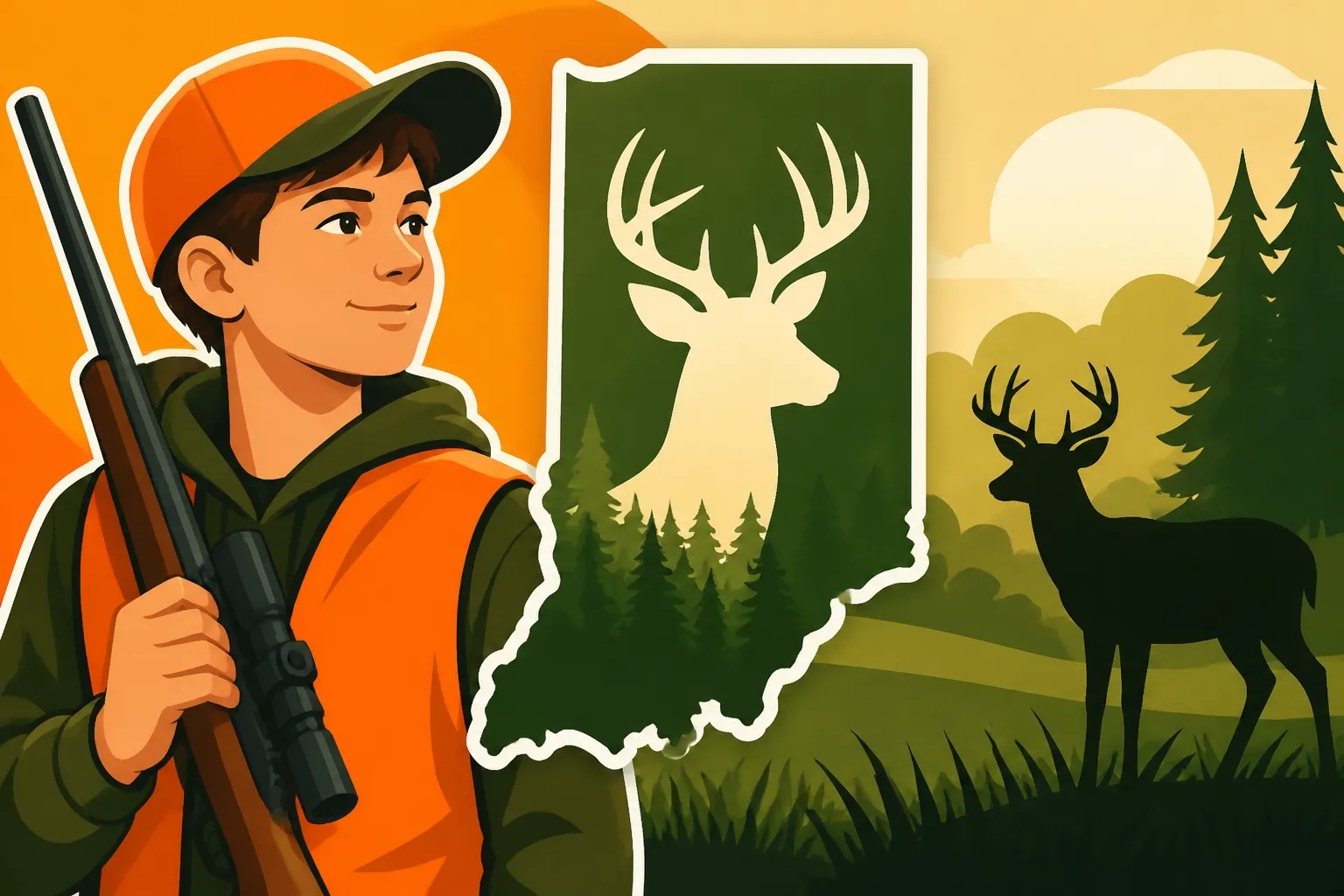
In Indiana, a "junior hunter" is generally defined by age, and this definition is crucial because it dictates which rules apply to them, particularly concerning supervision and the types of licenses they need. Essentially, if a young person is under the age of 18, they typically fall under the junior hunter guidelines for most game species. This means that while they're old enough to pull a trigger or release an arrow, the state has put measures in place to ensure they do so responsibly and under experienced guidance. It’s a recognition that while enthusiasm runs high, wisdom and experience often come with time.
For instance, a 12-year-old eager to go deer hunting with their parent would absolutely be considered a junior hunter. Even a 17-year-old participating in the late goose season would still require the appropriate junior license, even though they might feel pretty independent. The key here is age, and the Indiana Department of Natural Resources (DNR) sets these parameters to ensure that all young hunters receive the necessary oversight. It's a system built on safety and education, aiming to produce confident, ethical hunters for years to come.
The Foundation: Why Junior Licenses Matter
You might wonder why there's a specific junior license instead of just letting kids hunt under an adult's tag or with a general license. The dedicated junior hunting license is more than just a piece of paper; it's a foundational element of Indiana's commitment to wildlife conservation and hunter safety. By requiring young hunters to obtain their own license, even at a reduced cost, the state effectively tracks participation, manages harvest data, and ensures that these future conservationists are properly introduced to hunting ethics and regulations. It’s about building good habits from the start.
This structured approach also allows the DNR to offer specific programs, like the highly popular Hunting the Indiana Youth Deer Weekend, which are designed exclusively for junior hunters. These special seasons provide unique opportunities for young people to experience hunting with less pressure, often before the general season opens to adults. It fosters a sense of belonging and empowers them to take ownership of their role in the hunting community. Moreover, the revenue generated from junior licenses, while often discounted, still contributes to vital conservation efforts across the state, ensuring that the wildlife resources they enjoy today will be there for future generations.
Navigating the Application Process for Young Hoosier Hunters
Once you understand why junior licenses are important, the next step is figuring out how to get one. This process involves a few key steps, from completing vital safety education to actually purchasing the permit. It might seem like a lot to juggle, but each component is designed to prepare young hunters for a safe and enjoyable experience in Indiana's diverse hunting grounds. Don't worry, it's more straightforward than it looks, and there are resources to help you every step of the way.
Hunter Education: The Essential Prerequisite
Before any young person can legally hunt unsupervised in Indiana, they must complete a certified hunter education course. This isn't just a hoop to jump through; it's an absolutely critical step that instills essential knowledge about firearm safety, hunting ethics, wildlife identification, and conservation principles. Imagine sending a young person into the woods with a firearm without knowing how to safely handle it, identify their target, or understand basic first aid. It's unthinkable, and that's precisely why this requirement exists.
The good news is that Indiana offers various ways to complete hunter education, including in-person classes that provide hands-on experience and online courses that offer flexibility. Many parents appreciate the in-person classes for the direct interaction and practical shooting components, while others find the online option more convenient for busy family schedules. You can learn more about specific requirements and find courses by looking up Indiana Hunter Education Requirements. It’s a commitment, usually taking several hours, but the invaluable lessons learned ensure that your junior hunter is not just legal, but truly prepared and responsible.
Purchasing Your Junior License
After hunter education is squared away, it’s time to acquire the actual license. Indiana makes this fairly easy, offering multiple avenues for purchase. You can buy licenses online through the Indiana DNR's Go Outdoors Indiana portal, which is incredibly convenient. Many hunters, especially those familiar with digital platforms, appreciate being able to complete the transaction from home, perhaps even with the help of a tool like GoHunt to double-check regulations or find nearby license vendors. If you prefer a more traditional approach, licenses are also available at authorized retail agents, such as bait shops, sporting goods stores, and county clerks’ offices across the state.
The cost for a junior hunting license is significantly less than an adult license, which is a nice perk for families. For resident juniors, an annual hunting license is quite affordable, and it covers most small game and furbearers. For deer hunting, they'll need additional deer tags, which can often be purchased as part of a bundle, like the Indiana Resident Deer Bundle Cost. Non-residents also have junior license options, though their costs will be higher. It’s always a good idea to check the current fee schedule on the DNR website or directly through the Go Outdoors Indiana platform, as prices can occasionally be adjusted. The goal is to make hunting accessible and affordable for young people, removing financial barriers to entry.
Understanding License Options and Bundles
It's not just a single "junior hunting license." Indiana offers a few options to ensure young hunters are covered for the game they intend to pursue. The base junior hunting license is usually for small game, but if your young hunter is eyeing a whitetail deer, they’ll need to add specific deer tags. This is where bundles come in handy. For example, a common choice is the "Junior Hunt/Trap" license, which often includes privileges for both small game and trapping. Then, you can add deer tags on top of that.
For deer, you'll typically need to purchase a deer license, which allows for one antlered deer. If your junior hunter wants to harvest an antlerless deer as well, they'll need an additional antlerless tag. In some areas, known as Deer Reduction Zones, extra antlerless tags might be available to help manage local deer populations, offering even more opportunity. These specific license requirements are detailed in the broader Indiana Deer Season Structure Explained, which is a good resource to review alongside the junior rules. Always double-check what game species and seasons are covered by the specific license or bundle you purchase to avoid any misunderstandings in the field.
| License Type | Resident Junior (under 18) | Nonresident Junior (under 18) | What it Covers |
|---|---|---|---|
| Annual Hunting License | ~$10-15 (Approx.) | ~$50-60 (Approx.) | Small game, furbearers (excluding deer/turkey) |
| Deer License (Antlered) | ~$10-15 (Approx.) | ~$50-60 (Approx.) | One antlered deer |
| Deer License (Antlerless) | ~$10-15 (Approx.) | ~$50-60 (Approx.) | One antlerless deer (may be restricted by zone) |
| Turkey License (Spring) | ~$10-15 (Approx.) | ~$50-60 (Approx.) | One gobbler/bearded turkey during spring season |
| Junior Lifetime Hunt/Trap | ~$250-300 (Approx.) | Not available | All hunting & trapping for life (requires residency) |
Note: Prices are approximate and subject to change. Always check the official Indiana DNR website for the most current pricing and regulations.
Important Rules and Safety Guidelines for Junior Hunters
Getting the license is just the first step. The real success of introducing a young person to hunting lies in adhering to safety and following the rules. This is where the guidance of experienced adults becomes paramount, especially through programs designed to ensure a safe and ethical experience for all junior hunters. Indiana takes the safety and education of its young hunters very seriously, and these rules reflect that commitment.
The Mentored Youth Hunting Program: What it Means
Perhaps one of the most significant aspects of Indiana Apprentice Hunter License Rules is the Mentored Youth Hunting Program. This program allows young people who have not yet completed hunter education to participate in hunting, but only under very strict direct supervision. The key here is "direct supervision." It means the mentor – who must be 18 years or older, possess a valid hunting license, and be a licensed hunter or an apprentice hunter themselves – must remain within arm's reach of the mentored youth. This isn't just a suggestion; it's a legal requirement.
Imagine this scenario: a parent takes their 9-year-old out for a squirrel hunt. The child has not completed hunter education. The parent must be right there, able to take control of the firearm or bow at any moment. They can't be 20 yards away, or even behind a tree just out of sight. The intention is to provide immediate, hands-on instruction and intervention if needed, ensuring the child's safety and the safety of those around them. This program is a fantastic bridge for aspiring young hunters, allowing them to gain practical field experience before completing formal hunter education, but it places a significant responsibility on the mentor.
Gear Up for Safety: Blaze Orange and Other Essentials
Safety in the field is non-negotiable, and a major component of that for junior hunters (and adults!) is wearing the proper amount of blaze orange. Indiana has clear requirements for visible hunter orange, especially during firearms seasons, to ensure hunters are easily seen by others in the woods. You can read up on How Much Blaze Orange Indiana Requires to get all the specifics. For junior hunters, this usually means an outer garment, like a vest or jacket, that is at least 50% blaze orange, worn on the outermost layer and visible from all sides.
Beyond blaze orange, equipping your junior hunter with other essential safety gear is crucial. This includes eye and ear protection when shooting, a whistle for emergencies, a basic first-aid kit, and an understanding of how to use a compass or a GPS device (like the kind you'd find integrated into a mapping app such as GoHunt, which can show property lines and trails). Teaching them how to safely handle their chosen hunting tool, whether it's a small .22 rifle for squirrels or a crossbow for deer, is paramount. Never compromise on safety; it’s the cornerstone of responsible hunting and a lesson that should be instilled from day one.
Youth Deer Season and Other Special Opportunities
Indiana's commitment to junior hunters truly shines through in its special youth hunting seasons, most notably the Youth Deer Season. This special weekend, usually in late September, allows licensed junior hunters (aged 17 or younger on the day of the hunt) to take a deer with a firearm, archery equipment, or crossbow, often before the regular deer seasons even begin. This early opportunity provides a fantastic, often less-pressured environment for young hunters to get their first deer experience, with the added benefit of pleasant weather.
Beyond deer, there are also specific youth seasons for other game, such as wild turkey. These opportunities are specifically designed to give young hunters a head start and encourage their participation. It’s an exciting time when the focus is entirely on them, and it’s a great way to introduce them to the thrill of the hunt. Make sure to consult the current Indiana hunting regulations guide each year, as exact dates and rules for these special youth seasons can shift slightly. These seasons are a perfect example of how the state actively supports the growth of our next generation of hunters.
Building a Lifelong Passion: The Benefits of Junior Hunting
Introducing a young person to hunting isn't just about bagging game; it's about so much more. It's about instilling values, teaching practical skills, and fostering a deep connection to the natural world. The junior hunting license isn't just a permit; it's a key to unlocking a world of adventure, learning, and unforgettable memories for young Hoosiers.
Skill Development and Outdoor Stewardship
Hunting provides an unparalleled classroom for practical life skills that extend far beyond the woods. Junior hunters learn patience, observation, and critical thinking as they track game or sit quietly in a stand. They develop physical endurance by hiking through varied terrain and gain crucial marksmanship skills that demand discipline and precision. Furthermore, they learn about wildlife biology, habitat management, and the ethical responsibilities that come with being a participant in nature's ecosystem. Using tools like GoHunt to scout areas beforehand, identifying bedding areas, or understanding how different food sources affect deer movement, adds a layer of strategic thinking that develops invaluable problem-solving skills.
More importantly, junior hunters often become fervent outdoor stewards. When they understand the effort that goes into conservation – the license fees, the habitat work, the careful management – they develop a profound appreciation for wildlife and wild places. They learn that hunting isn't just taking; it's also about giving back and ensuring the health of the resource. This hands-on experience in the natural world fosters a sense of responsibility and a desire to protect these precious resources for future generations. It’s a powerful lesson in environmental ethics that can shape their entire lives.
Creating Lasting Memories and Family Traditions
Perhaps the most cherished benefit of junior hunting licenses and the programs they enable is the opportunity to create lasting memories and family traditions. Think about it: a young hunter’s first harvested squirrel, the shared excitement of a gobbler answering a call during Spring Turkey Hunting in Indiana, or the quiet anticipation of watching a sunrise from a treestand with a parent or grandparent. These are moments that forge unbreakable bonds and build a legacy of outdoor passion. The stories told around the campfire or at the dinner table after a hunt become treasured family folklore, passed down through generations.
Hunting with a junior hunter isn’t just about the kill; it's about the journey. It's the early mornings, the quiet moments observing nature, the lessons learned from success and failure, and the shared camaraderie. It's watching their eyes light up when they spot their first wild turkey or hear a deer crunching leaves. These shared experiences, away from screens and distractions, are invaluable. They teach resilience, respect, and a profound connection to family and nature. So, embrace the Indiana Junior Hunting License rules not as a burden, but as an opportunity to pass on a priceless heritage and make memories that will truly last a lifetime.
Disclaimer
The information provided in this guide is for general informational purposes only and does not constitute legal advice. Hunting regulations, license fees, and season dates can change. Always consult the official Indiana Department of Natural Resources (DNR) website and current hunting regulations guide before planning or engaging in any hunting activities. It is the responsibility of each hunter to know and obey all applicable laws and regulations.