Indiana Opossum and Skunk Trapping
There's nothing quite like the sight of a perfect trap line, but sometimes, you're not after the usual furbearers. For many landowners and even some dedicated trappers in Indiana, the challenge isn't just about deer or turkeys; it's about managing those more common, sometimes nuisance, species that can cause quite a headache: opossums and skunks. This guide will walk you through the ins and outs of ethically and effectively trapping these critters in the Hoosier State, covering everything from understanding the regulations to setting your first trap.
Understanding Indiana's Opossum and Skunk Seasons and Regulations
Before you even think about setting steel on the ground, it's absolutely crucial to understand the legal framework surrounding opossum and skunk trapping in Indiana. Ignoring these rules isn't just a risk for you; it can lead to inhumane practices and potential fines. These aren't deer, where you're focused on antler points or specific seasons; these furbearers have their own set of guidelines that are important to follow.
Legal Seasons and Bag Limits
The good news for trappers dealing with opossums and skunks is that they're often treated quite differently than higher-value furbearers. For instance, opossums, being incredibly prolific and widespread, generally have a long trapping season, sometimes extending for several months. Skunks, while also abundant, typically fall under similar furbearer seasons. It’s always smart to check the latest Indiana DNR regulations, but generally, you'll find a generous window for both. Unlike deer or turkeys, there are usually no daily or seasonal bag limits for opossums and skunks, reflecting their status as species that can sometimes become overabundant or cause damage. This flexibility means you can focus on management rather than strictly on harvest quotas.
This extended season and lack of strict limits often stem from their adaptability and potential to thrive even in suburban environments, making them common visitors to chicken coops, gardens, and under decks. For someone trying to protect their property or small livestock, knowing you have a wide window to act is a huge relief. You don't have to rush or wait for a specific two-week slot; you can implement a trapping strategy over a longer period, making it much more practical to address ongoing issues.
Licensing and Equipment Restrictions
To legally trap any furbearer in Indiana, you’ll need the appropriate licenses. Generally, this means an Indiana Trapping License Requirements if you're planning to harvest the animals for their fur, or even just to remove them from your property. This isn't just a formality; it ensures you're educated on the rules and contributing to wildlife management efforts. You can often purchase these licenses easily through the Go Outdoors Indiana website, or at authorized retailers. Whether you're a seasoned trapper or new to the game, make sure your license is current before placing any traps.
When it comes to equipment, Indiana has rules in place to ensure humane practices. Body-gripping traps, snares, and foot-hold traps all have specific size and placement restrictions. For example, some trap types might be limited in size or prohibited near public trails or within certain distances of dwellings. Additionally, all traps must be checked within a specific timeframe, usually every 24 hours, to prevent prolonged suffering for any animal caught. This is a crucial ethical consideration and a legal requirement. Always ensure your traps are clearly marked with your name and address or your DNR-issued ID number, as this is also a standard regulation for identification purposes, especially on public lands where other trappers might be working.
Effective Trapping Methods for Opossums in Indiana
Opossums are creatures of opportunity, often attracted to easy food sources near human habitation. Successfully trapping them requires understanding their habits and using the right tools and techniques. They might seem simple, but a smart opossum can quickly learn to avoid a poorly set trap.
Best Trap Types for Opossums
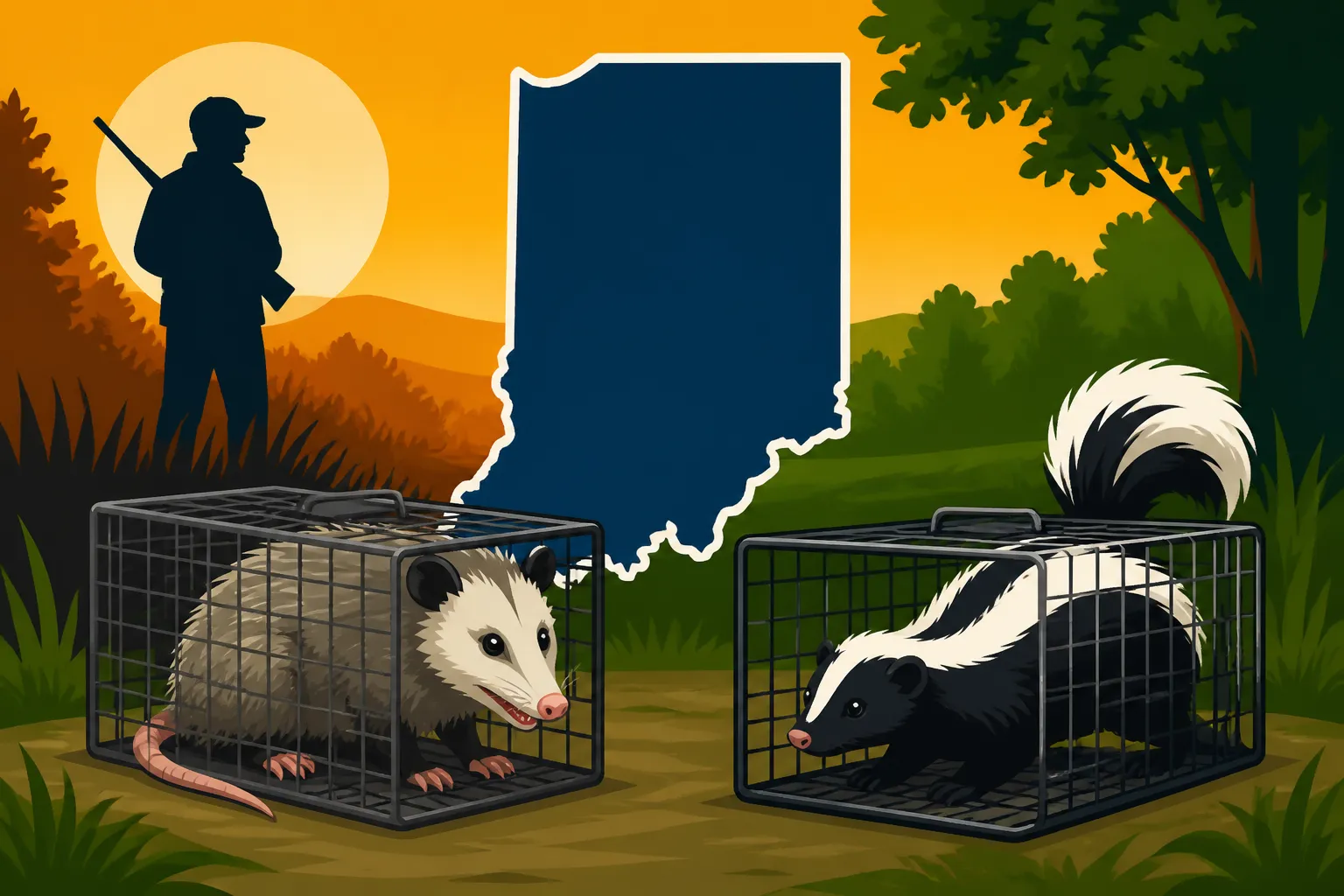
When it comes to opossums, simplicity and effectiveness are key. Cage traps (often called live traps or box traps) are arguably the most popular and humane choice for their removal. These traps are designed to capture the animal alive and unharmed, allowing for relocation if that's your intention, or humane dispatch. They come in various sizes, but for an adult opossum, a medium-sized trap (around 30-36 inches long) with a single or double door mechanism works wonderfully. You want something sturdy enough that the opossum can't easily bend or break out of it, but not so large that it takes up unnecessary space.
Another option, if local regulations allow and you're experienced, might be certain types of foothold traps. However, for most nuisance situations, particularly around homes or in areas with pets, cage traps are far superior in terms of safety and public perception. The key with any trap is its reliability. A quality cage trap from a reputable brand will have a sensitive trigger and a secure latching door, ensuring that once the opossum enters and trips the mechanism, it stays put. Remember, the goal is a quick and effective capture, not a struggle.
Ideal Set Locations and Baiting Strategies
Opossums are scavengers, making them relatively easy to bait. Their diets are incredibly varied, so you have a lot of options for attractants. Canned cat food or dog food, especially the wet, smelly varieties, works like a charm. Fish scraps, fruit (apples, grapes), and even marshmallows are also excellent choices. The stronger the scent, the better, as it draws them in from a distance. Place a small amount of bait just inside the trap entrance and then a larger, more enticing dollop towards the trigger plate. You want them to step all the way in to reach the main prize.
As for location, think like an opossum. Where do they travel? Where do they seek shelter and food? Look for signs of their presence: overturned trash cans, disturbed compost piles, footprints in soft dirt, or even droppings. Good locations include along fence lines, near woodpiles, under decks or sheds, at the edge of gardens, or near chicken coops. Essentially, any area where you've noticed activity or where they might be passing through on their nightly rounds. Sometimes, simply placing the trap where you know they're causing problems, like right next to a damaged bird feeder, is the most effective approach. Running a Trapline in Rural Indiana often means identifying these high-traffic areas on your property.
Strategies for Trapping Skunks in Indiana
Trapping skunks comes with a unique challenge: their infamous defense mechanism. While less destructive than opossums, their presence can be far more… fragrant. The key to successful skunk trapping often involves minimizing the risk of that unforgettable scent.
Trap Selection for Skunks and Odor Control
For skunks, cage traps are still your best bet, but with a critical modification: covering the trap. A regular open wire cage trap can result in a sprayed skunk if it feels threatened. Instead, use a cage trap that you've covered with a tarp, old blanket, or even heavy cardboard. The idea is to create a dark, den-like environment. When a skunk is caught in a dark, enclosed space, it feels less exposed and is far less likely to spray. Many trappers even build custom wooden box traps that are fully enclosed except for the entrance, which are incredibly effective and minimize the "spray factor."
Baiting skunks is similar to opossums. They're also omnivorous scavengers. Canned cat food, chicken scraps, peanut butter, or even sweet pastries can work well. Place the bait at the far end of the covered cage trap, ensuring the skunk has to fully enter before triggering the mechanism. The goal is to make the experience as calm and stress-free as possible for the animal (and for you!). Consider setting your traps in the evening and checking them first thing in the morning, as skunks are primarily nocturnal.
Safe Handling and Release (or Dispatch)
Once you've caught a skunk, the real test of nerve begins. With a covered cage trap, you can slowly approach. Often, the skunk will remain calm in the dark. The trick is to move slowly, deliberately, and avoid sudden movements or loud noises. If you intend to relocate, you'll need to carefully transfer the covered trap into a vehicle for transport. Choose a relocation site several miles away, ideally in suitable habitat away from other dwellings, and simply open the trap door, allowing the skunk to waddle out at its own pace. Never pick up the trap quickly or shake it; you're just asking for trouble.
If dispatch is the chosen method, it must be done humanely and ethically. This is a serious responsibility and requires proper knowledge and means. For nuisance animals on your own property, you might consider contacting a professional wildlife control service if you're uncomfortable. Remember, relocating a skunk that might be showing signs of illness, such as unusual aggression or stumbling, could be dangerous. If you suspect rabies or any other disease, it's best to contact your local DNR or animal control and follow their guidance, as Reporting a Sick Animal in Indiana is critical for public safety.
Common Challenges and Ethical Considerations in Trapping
Trapping is an effective wildlife management tool, but it's not without its challenges and ethical obligations. It requires more than just knowing how to set a trap; it demands a responsible approach to the animals and the environment.
Dealing with Non-Target Catches
One of the most common frustrations for trappers is catching an unintended animal. This could be a raccoon, a curious house cat, a squirrel, or even a local rabbit. While opossum and skunk baits are pretty general, you can often mitigate non-target catches with smart placement. For instance, putting a cage trap deep under a shed where only a low-slung opossum or skunk can easily access it might deter a larger raccoon. Using bait that's less appealing to domestic pets (though cat food is a common lure for both wild and domestic felines) can also help.
When you do catch a non-target animal, the procedure is usually quite simple: release it unharmed. This is where the humane aspect of cage traps really shines. Slowly approach the trap, keep a safe distance, and carefully open the door. The animal will almost always bolt out quickly. It's a moment that reminds you of the interconnectedness of nature and the importance of responsible trapping. If the animal appears injured or sick, refer to the guidance in Indiana Wildlife Disease Monitoring or contact a local wildlife rehabilitator or the DNR for advice.
Ensuring Humane Practices
Beyond the legal requirements, ethical trapping is about minimizing stress and suffering for any animal caught. This means checking your traps frequently, as mandated by state law (typically within 24 hours), to prevent exposure, starvation, or injury. It also means using the right traps for the job—sturdy, well-maintained traps that function correctly. A rusty, bent trap with a sticky trigger isn't just ineffective; it's inhumane.
Consider the time of year and weather conditions. Trapping during extreme cold or heat can cause undue suffering. If you plan to relocate animals, ensure the relocation site offers suitable habitat and won't simply shift the problem to another landowner. Finally, understand that trapping isn't just about removing an animal; it's about understanding why that animal was there in the first place and addressing the root cause if possible. Are you leaving pet food out? Is your trash accessible? Taking these preventative steps can reduce your need for trapping in the long run. Good trappers are often also good wildlife managers, thinking about the broader ecosystem and their role within it.
Here's a quick comparison of opossum and skunk characteristics for trapping purposes:
| Feature | Opossum | Skunk |
|---|---|---|
| Typical Size | Medium (house cat to small dog) | Small (large house cat) |
| Primary Lure | Omnivorous, strong scents, sweet foods | Omnivorous, strong scents, peanut butter |
| Key Challenge | Can be messy, frequent visits | Odor (primary concern) |
| Recommended Trap | Sturdy cage trap (30-36 inches) | Covered cage trap (24-30 inches) |
| Handling Tip | Approach slowly, wear gloves | Approach very slowly, keep trap covered |
| Relocation | Generally easy, common practice | Possible, but risk of spray always present |
| Disease Concern | Relatively low rabies risk (low body temp) | Higher rabies risk, extreme caution required |
Disclaimer
This article is for general informational purposes only and does not constitute professional advice. Laws, prices and regulations vary by location and change over time. Consult a qualified professional for guidance on your specific situation.