White River Bottomland Public Ground
There's a special kind of challenge and reward that comes with hunting Indiana's White River bottomlands. You often hear hunters talking about the Hoosier National Forest ridges or the perfect fencerows up north, but the river bottoms, with their thick cover, sprawling sloughs, and ever-changing landscape, offer a truly unique experience. This guide is all about helping you unlock the secrets of these often-overlooked public grounds, giving you the insights and strategies you need to navigate and succeed in the rich, watery world of the White River.
Understanding the White River Bottomland Ecosystem for Hunting
The White River, much like its sister waterways across Indiana, creates a distinct habitat that's a magnet for wildlife. These are not your typical upland hardwood forests or open farmlands; they're a world unto themselves, offering both bounty and significant challenges to the hunter willing to learn their rhythms.
The Unique Habitat of River Bottoms
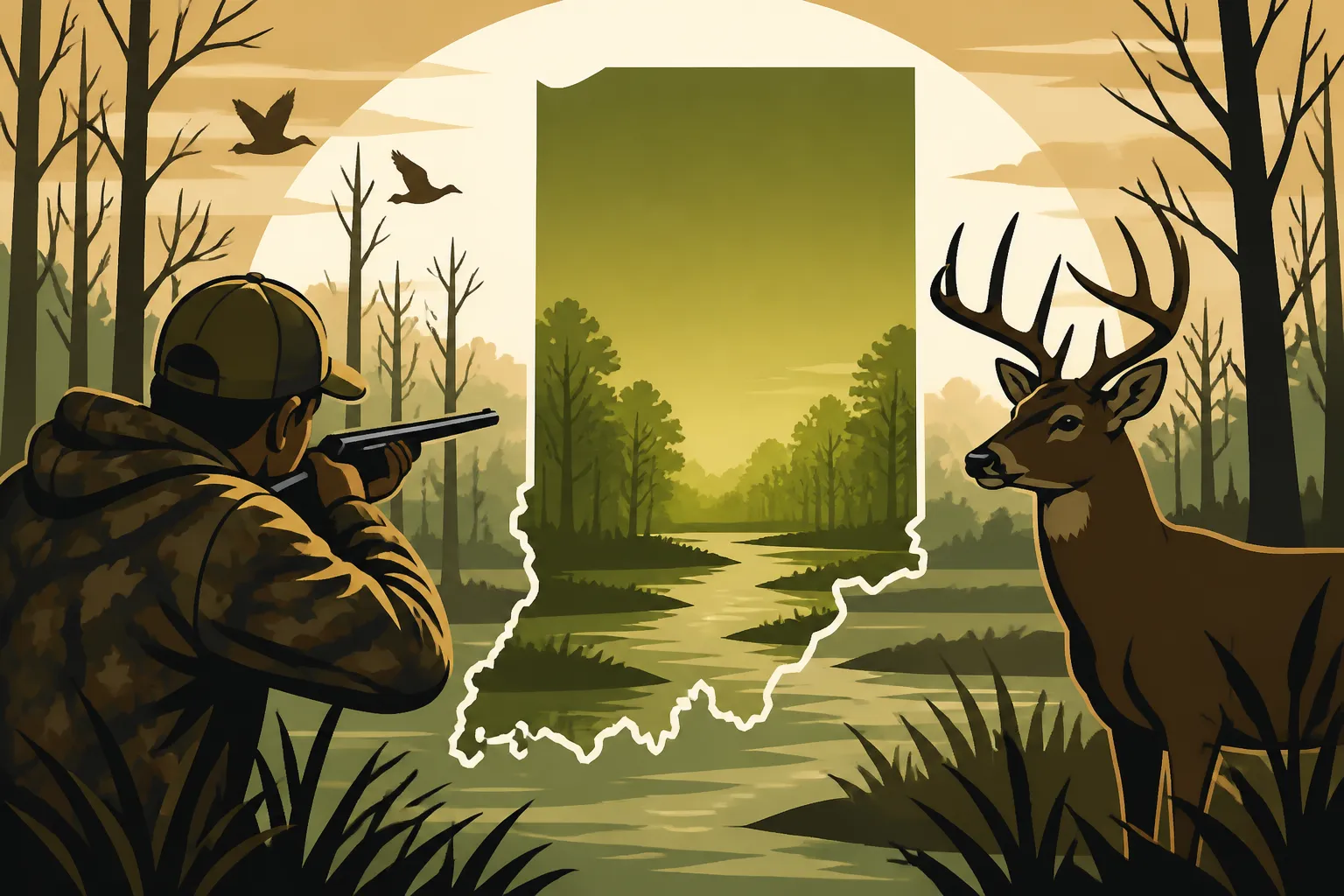
Imagine a landscape shaped by water and time, a dynamic mix of mature hardwoods like silver maple, sycamore, and cottonwood, interspersed with dense thickets of willow, dogwood, and greenbrier. This isn't just a woods; it's a tapestry woven with sloughs, which are often stagnant or slow-moving channels left behind by old river bends, and oxbow lakes that mark where the river once flowed. These features provide consistent water sources and create incredibly thick cover that deer, turkeys, and countless other species absolutely adore. The annual flooding, while sometimes a nuisance, also deposits rich, fertile soil, leading to an explosion of lush browse for deer and small game. It's an environment that encourages diverse plant life, from native grasses to specific types of mast crops that thrive in damp conditions. This complex arrangement means you won't just find deer here; these bottoms are vital corridors and breeding grounds for waterfowl, squirrels, rabbits, and a host of furbearers, all of which contribute to the vibrant ecosystem and diverse hunting opportunities.
Seasonal Changes and Their Impact on Wildlife
The White River bottomlands are never static; they are constantly evolving with the seasons, and understanding these shifts is paramount to successful hunting.
- Spring: As winter melts away, spring often brings higher water levels and sometimes significant flooding. This changes the landscape dramatically. Turkeys, for instance, might be forced to roost on higher ground or along the edges of the bottomland where it transitions to uplands. Nesting birds have to contend with inundation, often adapting by finding slightly elevated spots or re-nesting if their first attempt is washed out. Deer, while less impacted by high water than some other species, will still adjust their travel patterns to avoid flooded areas, sticking to any available dry ground or higher benches within the bottom. Early spring also means a flush of new growth, providing fresh, palatable browse for deer emerging from the leaner winter months.
- Summer: The dense canopy of summer brings thick, almost impenetrable vegetation to the bottomlands. This provides ideal thermal cover and security for deer, making them incredibly difficult to spot. Bucks will be putting on antler growth, often seeking out secluded pockets of cover to avoid disturbances. The sloughs and oxbows become even more crucial as water sources during dry spells, and deer will often bed close to these areas. Mosquitoes and other insects are in full force, making scouting a chore, but it's also when fawns are growing rapidly, hidden deep in the tangled undergrowth.
- Fall: This is when the bottomlands truly come alive for many hunters. As leaves drop, visibility improves, and the landscape opens up. Water levels often recede, revealing new travel corridors and exposing mast crops like acorns and pecans that fall from the mature trees. Deer begin their pre-rut feeding frenzy, often hitting these newly accessible food sources hard. The river itself becomes a significant feature, acting as a natural funnel or barrier depending on water levels. During the rut, bucks will cruise these river edges and thickets looking for does, making it a prime time to be in a stand overlooking a funnel point or a newly exposed scrape line. Thinking about Hunting the Rut in Early November is a great strategy for these areas, as river bottoms often concentrate activity.
- Winter: Once winter sets in, the bottomlands can be a harsh but rewarding environment. Food sources become scarcer, driving deer to concentrate on remaining mast, persistent browse, or adjacent agricultural fields. Waterfowl numbers can surge as ducks and geese seek open water on sloughs or the main river, especially during colder snaps that freeze shallower ponds elsewhere. Snowfall, if it occurs, can reveal deer trails and travel patterns that were invisible just weeks before, giving you valuable insight into their movements. However, navigating frozen or partially frozen water features demands extreme caution. Deer often utilize the thickest cover available as thermal protection from bitter winds. During this time, hunting a specific feature like a creek bottom becomes critical, as creek and river bottoms can be major arteries for deer movement.
Navigating Public Access Along the White River
Finding huntable public ground along the White River can feel like a treasure hunt. It's rarely one contiguous block, but rather a patchwork of state-managed lands interspersed with private holdings. Knowing how to identify and access these areas is your first step to success.
Identifying Public Hunting Areas
Indiana has a fantastic system of public lands, including Fish and Wildlife Areas (FWAs), State Forests, and sometimes tracts managed by the DNR for various purposes. Many of these touch or are very close to the White River and its tributaries. Areas like Glendale FWA near Washington or Sugar Ridge FWA further south are well-known, but there are countless smaller, unnamed public access sites that run right along the riverbanks. These might be easements, flood control lands, or tracts specifically managed for wildlife.
The key to unlocking these spots is relying on modern mapping technology. Tools like onX Hunt are absolutely invaluable here. You can literally pull up a satellite view, overlay property lines, and instantly see which parcels are public and which are private. This prevents accidental trespass, which is a major concern when you're dealing with such a fragmented landscape. I've spent hours poring over these maps, identifying slivers of public ground that other hunters might overlook because they're not explicitly signed or easily accessible. You can mark potential access points, identify natural funnels, and plan your approach long before you ever set foot in the woods. While GoHunt also offers mapping features, onX Hunt is particularly user-friendly for property boundaries and land ownership details in these types of fragmented areas. Remember that getting into these areas might require a boat or a long walk, so planning your route is crucial. Scouting Indiana Public Land Before Season is not just a suggestion; it's a necessity, and these digital tools are your best friends for doing it efficiently.
Specific Challenges of River Bottom Access
Public land along the White River presents a unique set of challenges compared to, say, a state forest ridge. You need to be prepared for what the river and its environs will throw at you.
- Wet Ground and Mud: This is almost a given. Even during dry spells, low-lying areas, sloughs, and old oxbows will hold water or be incredibly muddy. Your footwear choice is critical – knee boots or even chest waders are often necessary, not just for crossing water, but for walking through saturated soil that can pull ordinary boots right off your feet. Be prepared to get dirty; it's part of the bottomland experience.
- Limited Established Trails: Unlike some state forests with well-maintained hiking trails, many public river bottomlands have very few, if any, marked paths. You'll be doing a lot of bushwhacking, navigating by compass, GPS, or your trusty mapping app. This is where
onX Huntshines again, allowing you to drop waypoints and track your movements to avoid getting turned around in the dense cover. - Boat Access: In many sections, the White River is best accessed by boat. A small jon boat, canoe, or kayak can open up vast stretches of public land that are otherwise inaccessible due to private land blocking road access or simply being too far to walk. This allows you to explore islands, isolated sloughs, and sections of riverbank that rarely see human pressure.
- Parking and Walk-In Only: Even when you find public land, getting your vehicle close can be an issue. Many areas are walk-in only, or parking might be limited to a small pull-off along a county road. Be mindful of where you park to avoid blocking private driveways or county road right-of-ways.
- Dealing with Private Land Checkerboarding: This is perhaps the biggest headache. Public tracts are often small and surrounded by private property. It's easy to accidentally step onto private land if you're not constantly checking your map. Knowing Finding Indiana Property Lines is not just good etiquette, it's a legal requirement. Always have your map readily available and check it frequently, especially if you're tracking a deer or navigating through thick cover. Respecting private land boundaries is paramount to maintaining good relations with local landowners.
| Feature Type | Typical Habitat | Hunting Implications |
|---|---|---|
| River Bottoms | Mature hardwoods, sloughs, oxbows, dense thickets | Excellent cover, consistent water, diverse food sources, dynamic landscape, thick vegetation, mud, potential for water access required. |
| Upland Hardwoods | Oak/hickory ridges, more open understory | Consistent mast crops, predictable thermals, better visibility, easier walking, often more hunting pressure. |
| Farmland Edges | Crop fields (corn, beans) bordering woodlots | Primary food source, high deer traffic morning/evening, good for ambush points, less cover, less diverse habitat. |
Strategies for Hunting Deer in White River Bottoms
Hunting deer in the White River bottomlands requires a blend of adaptability, patience, and a keen eye for subtle details. The deer here are often accustomed to thick cover and can be ghosts, but their movements are still dictated by food, water, and security.
Reading the River and Its Features
The river itself is a living, breathing component of the landscape that constantly influences deer movement. Learning to "read" it, along with its associated features, will give you a significant edge.
- Funnels: The White River, its sloughs, and even subtle changes in elevation create natural funnels that concentrate deer movement. A narrow strip of dry ground between a flooded slough and the main river channel, or a wooded pinch point where the bottomland transitions to a steeper upland, are prime examples. Deer will almost always take the path of least resistance, especially when the cover is thick. These funnels become superhighways for deer, particularly during the rut. Scouting these areas for sign—tracks, rubs, and droppings—can confirm their importance.
- Scrapes and Rubs: While you'll find scrapes and rubs anywhere deer exist, in the bottomlands, they often appear along the edges of thicker cover, near subtle rises, or at the intersections of natural travel corridors. Look for them on prominent overhanging branches and along the edges of sloughs where bucks might be scent-checking for does. A large rub line running parallel to an old river channel can indicate a buck's preferred travel route.
- Bedding Areas: Deer in river bottoms often bed in the densest, most impenetrable cover they can find. This might be a thick stand of briars, a willow tangle, or a small, slightly elevated island within a slough. They seek areas that offer both concealment and a strategic advantage, allowing them to hear or smell approaching danger. Look for these thickets on the lee side of prevailing winds, offering them scent control. In colder weather, they might bed on south-facing slopes or in areas that catch more sunlight.
- Food Sources: Beyond the obvious agricultural fields that sometimes border the bottomlands, the river itself provides a wealth of natural food. Mast crops from mature oaks, pecans, and other nut-bearing trees are a huge draw in the fall. During periods of lower water, exposed mudflats might host native grasses and forbs that deer will browse heavily. The lush undergrowth in many sections provides year-round browse. Don't underestimate the power of a good mast crop in concentrating deer; if the acorns are falling, that's where the deer will be.
Effective Tactics for Bottomland Deer
Once you understand the landscape, you can adapt your hunting tactics to increase your odds of success in these unique environments.
- Still-Hunting: In the dense, often limited-visibility conditions of the bottomlands, slow, deliberate still-hunting can be incredibly effective. Instead of rushing to a stand, move at a snail's pace, pausing frequently to scan and listen. Use the wind to your advantage, creeping into areas you suspect hold deer. The thick cover allows you to get surprisingly close if you move quietly and remain patient. Focus on terrain features like old logging roads, subtle ridges, or slough edges that offer slightly better visibility or easier walking.
- Stand Placement: While ground blinds can work in specific scenarios, treestands are often superior in river bottoms. They get you above the thick undergrowth, improving visibility and helping to carry your scent away from deer on the ground. When placing a stand, think about those funnels we discussed. A stand overlooking a pinch point between two water features, or where a thicket meets a more open hardwood ridge, can be deadly. Consider how deer will enter and exit a feeding or bedding area, and place your stand accordingly, ideally catching them in transit. During the rut, a stand positioned to watch an active scrape line or a cruising corridor along a slough can be incredibly productive.
- Wind and Thermals: River bottoms add a layer of complexity to understanding wind and thermals. While general wind patterns still apply, the proximity to water and the often-uneven terrain can create swirling currents, especially at dawn and dusk. Cold air sinks into the low-lying sloughs and channels, creating thermal drafts that can carry your scent in unexpected directions. Always try to set up with the wind in your favor, but be mindful that it can shift. Knowing Wind and Thermals on a Southern Indiana Ridge is a good start, but remember the river creates its own microclimates. Pay attention to how a light breeze behaves around water; it's often more unpredictable.
- Deer Drives: Given the sheer density of cover in many White River bottomland areas, deer drives can be a very effective tactic, especially later in the firearms season. With a group of three or four hunters, you can effectively push deer out of thickets that would be impossible to hunt individually. The key is knowing the terrain well enough to position blockers at strategic funnels or pinch points where deer are likely to escape. This is where your mapping tools and prior scouting come in handy. Deer Drives With Three or Four Hunters can be a great way to tag a deer that's hunkered down deep in the cover, but always ensure safety protocols are strictly followed, and all hunters are aware of their shooting lanes and boundaries.
Other Game and Considerations for River Bottom Hunting
While deer hunting often takes center stage, the White River bottomlands offer a wealth of opportunities for other game, and there are crucial safety and practical considerations unique to this environment.
Waterfowl and Small Game Opportunities
The diverse habitat of the White River bottomlands supports a vibrant array of non-deer species, providing year-round hunting options.
- Ducks and Geese: The sloughs, oxbows, and backwater areas along the White River are absolute magnets for migrating waterfowl. These calm, food-rich waters offer prime resting and feeding grounds for mallards, wood ducks, and various diver species. Canada geese also frequent these areas, especially if there are adjacent agricultural fields. Hunting these areas often involves using decoys, calling, and sometimes layout blinds or marsh boats, similar to the strategies used for Waterfowl Hunting the Kankakee Marshes. Knowing local regulations on non-toxic shot is essential.
- Squirrels and Rabbits: The mature hardwoods of the bottomlands, with their abundant mast crops and dense undergrowth, are fantastic for squirrel hunting. Fox and gray squirrels thrive here, especially where hickory and oak trees dominate. Similarly, the thickets, brushy edges, and downed timber provide perfect cover for cottontail rabbits. Squirrel Hunting Indiana Bottomland Hardwoods is a classic Indiana pastime, and the White River offers some excellent opportunities for both. Hunting these smaller game species can be a great way to extend your time afield after deer season or to introduce new hunters to the sport.
- Furbearers: The wet environment and abundance of small game make the White River bottomlands prime habitat for furbearers like raccoons, muskrats, and beavers. Trapping these animals can be a rewarding pursuit, and it helps manage local populations. Always check current Indiana trapping regulations, including season dates and specific trap types allowed, as these can vary.
Safety and Practical Tips
Hunting in the White River bottomlands, while rewarding, carries its own set of risks and practical challenges that you need to be prepared for.
- Wading and Crossing Considerations: Water levels can change rapidly. What might be a shallow wade one day could be chest-deep the next, especially after heavy rains. Always scout crossings beforehand if possible, and carry a wading staff to test depth and footing. Be aware of currents, especially in the main river channel, which can be surprisingly strong. Never attempt to cross water if you're unsure of its depth or current.
- Insect Pressure: Mosquitoes, ticks, and gnats can be relentless, particularly during warmer months. Carrying effective insect repellent and wearing appropriate clothing (long sleeves, pants tucked into boots) treated with permethrin is crucial for comfort and preventing insect-borne diseases.
- Dealing with Thick Vegetation and Limited Visibility: The dense cover that attracts game also makes navigation and shot placement more challenging. Take your time, move slowly, and be absolutely certain of your target and what's beyond it before taking a shot. Visibility can often be limited to a few dozen yards, even for rifle hunters.
- Retrieval Challenges: Dragging a deer out of a muddy, waterlogged river bottom is a monumental task. Consider bringing a sturdy deer cart or sled, even if you think you won't need it. If you're hunting remotely, be prepared for the possibility of boning out the animal and packing it out in sections. Game bags are essential for this, especially in warmer early season hunts.
- Carrying Essentials: Always carry a well-stocked pack. Beyond your weapon and ammunition, include a first-aid kit, extra water, high-energy snacks, a knife, a headlamp (even for day hunts), and reliable navigation tools. Your phone with an app like
GoHuntthat allows for offline map downloads is great, but a traditional compass and paper map are wise backups in case of battery failure or lost signal. Let someone know where you're going and when you expect to return. Always prioritize safety when hunting these wild and beautiful, but sometimes unforgiving, bottomlands.
Disclaimer
This article is for general informational purposes only and does not constitute professional advice. Laws, prices and regulations vary by location and change over time. Consult a qualified professional for guidance on your specific situation.