LaGrange County CWD Zone Public Ground
Many hunters feel a knot in their stomach when they hear "CWD zone," especially when it applies to a favorite hunting area. The thought of navigating new regulations, potential disease risks, and still trying to enjoy a successful hunt on public ground can be daunting. If you're looking to hunt deer in LaGrange County, you're stepping into an area designated as a Chronic Wasting Disease (CWD) management zone, which adds a layer of complexity to an already challenging pursuit. This guide is here to walk you through what hunting public land in LaGrange County's CWD zone entails, providing clarity on regulations, public access points, and practical advice to make your hunt both responsible and rewarding.
Understanding LaGrange County's CWD Designation
The presence of Chronic Wasting Disease is a serious concern for wildlife managers and hunters alike. LaGrange County is unfortunately part of Indiana's CWD Positive Area, meaning that the disease has been detected in wild deer within its borders. This designation isn't just a label; it comes with specific rules and recommendations designed to monitor and hopefully mitigate the spread of CWD, and every hunter needs to be aware of them.
What the CWD Positive Area Means for Hunters
When a county is part of the CWD Positive Area, it triggers a set of mandatory and highly recommended practices for hunters. This is all about keeping the deer herd healthy in the long run and protecting the future of hunting in Indiana. It’s crucial not to view these as obstacles, but as necessary steps we all take together.
Firstly, understanding Which Six Counties Sit in Indiana's CWD Positive Area is important for context, and LaGrange County is definitely on that list. This means specific rules apply to how you handle any deer harvested there. You'll find that transportation restrictions are a big part of it, aiming to prevent the spread of potentially infected carcass parts to new areas. You absolutely need to know the Indiana Carcass Movement Restrictions to ensure you're in compliance, especially if you plan to process your deer outside of the CWD zone. Generally, certain parts like the brain, spinal cord, and lymph nodes are considered high-risk and have strict rules about their movement.
Secondly, surveillance is key. The Indiana DNR implements enhanced surveillance efforts in these zones, and hunters play a vital role. You'll often find mandatory check stations or specific drop-off locations where you're required to submit your harvested deer for CWD testing. This isn't optional; it's a critical part of monitoring the disease. Participating in Mandatory Testing Inside Indiana's Positive Area helps the DNR track the disease's prevalence and spread, informing future management decisions. While it might add an extra step to your hunt, it's a direct contribution to conservation and the long-term health of the deer herd.
Why LaGrange County is Under Scrutiny
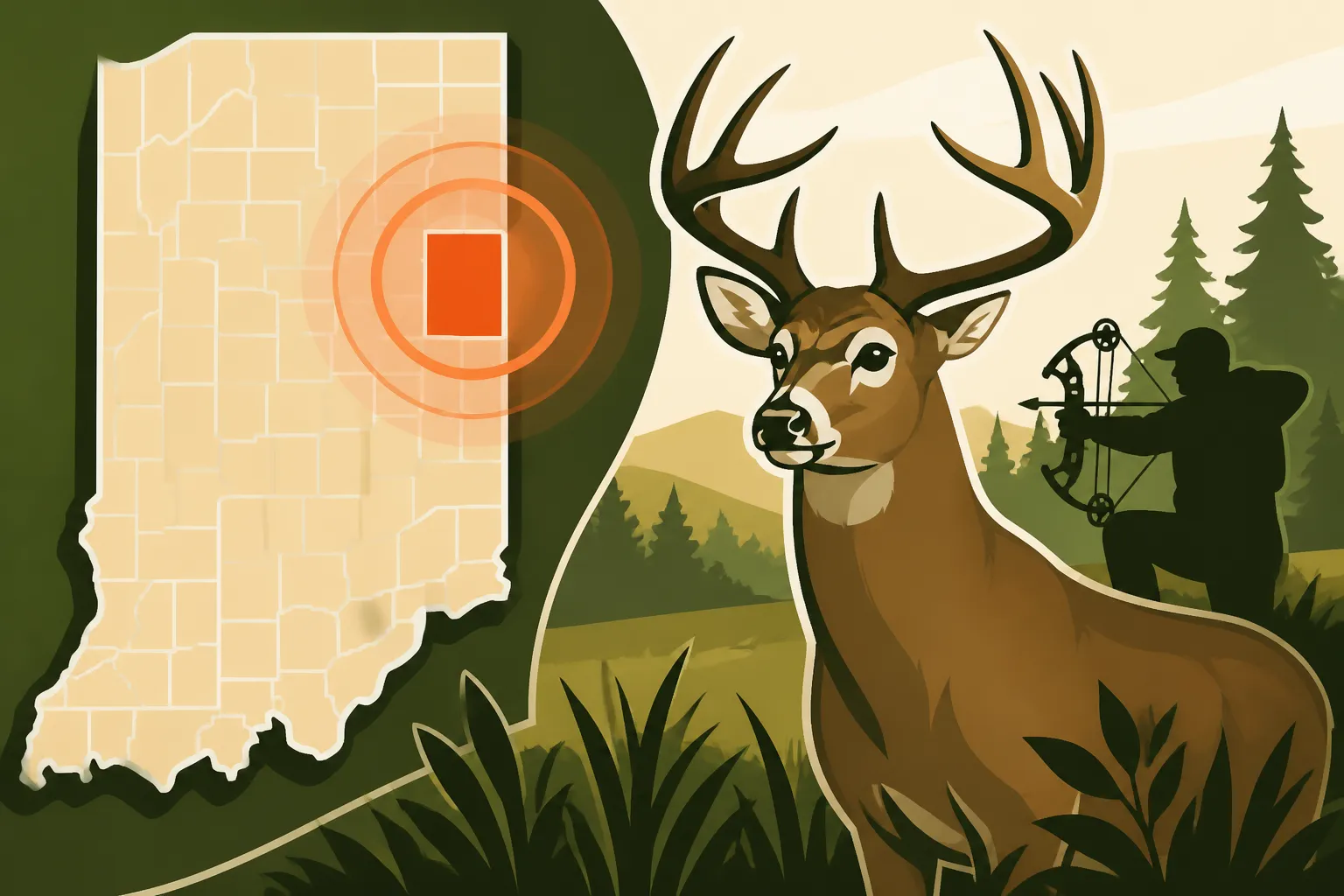
LaGrange County, nestled in northeast Indiana, became part of the CWD Positive Area due to confirmed cases within its deer population. This isn't unique to Indiana; CWD is a growing challenge across many states. The disease is caused by abnormal proteins called prions, which slowly degrade the brain and nervous system of infected deer, eventually leading to death. While there's no evidence of CWD being transmitted to humans through venison, experts advise caution and proper handling.
The geographic characteristics of LaGrange County, with its mix of agricultural lands, small woodlots, and some denser timber, create a landscape where deer populations can be robust. This, unfortunately, can also facilitate disease transmission. High deer densities can lead to increased contact between animals, which is one way CWD can spread. Understanding Indiana's Chronic Wasting Disease Positive Area and its history helps shed light on why certain areas are targeted for intense management. It's a proactive approach to safeguard the health of the entire state's deer herd, even if it means extra steps for hunters in particular regions.
Public Hunting Opportunities in LaGrange County
Despite the CWD designation, LaGrange County offers legitimate opportunities for public land hunters. You just need to know where to look and what to expect. While it might not boast vast tracts of continuous forest like southern Indiana, its public lands are rich with diverse habitats, often centered around wetlands, rivers, and smaller parcels of timber that can hold deer.
Key Public Hunting Areas
One of the primary destinations for public land hunting in LaGrange County is the Pigeon River Fish and Wildlife Area (FWA). This extensive FWA is known for its diverse habitat, including wetlands, marshes, uplands, and woodlands, making it a hotspot for various game, including deer and waterfowl. For deer hunters, understanding the layout of Pigeon River FWA is crucial. Look for areas with a mix of cover, food sources, and water. Creeks and old field edges can be natural travel corridors.
You might not find massive, unbroken forests, but rather a mosaic of habitats. Smaller timber stands, especially those adjacent to agricultural fields, can be productive. Don't overlook river bottoms and creek drainages that offer dense cover and consistent water sources. For a broader perspective, understanding How Many Acres Indiana Fish and Wildlife Areas Cover will give you a sense of scale, and Pigeon River is one of the larger ones, offering plenty of room to roam, especially if you're willing to walk a bit further than others.
Another key aspect is recognizing how these areas are managed. FWAs often have specific sign-in procedures, hunt drawings, or designated parking areas. Always check the FWA's specific regulations before heading out. Sometimes, these rules vary slightly from general statewide public land rules, so it's best to be informed. This might include specific hunt days, weapon restrictions, or even limitations on certain activities like baiting, which is typically prohibited on public land anyway.
Utilizing Mapping Tools for Access
In a county like LaGrange, where public land might be broken into smaller parcels, mapping tools become invaluable. Gone are the days of relying solely on paper maps, though those still have their place. Modern apps like onX Hunt have revolutionized how hunters navigate public and private boundaries. With onX Hunt, you can clearly see property lines, landowner names, and even specific public land boundaries down to the parcel. This is incredibly helpful when hunting adjacent to private land to avoid accidental trespassing.
I can't stress enough how much a good mapping app can save you headaches. I’ve seen countless hunters get turned around or unknowingly cross onto private ground. Tools like onX Hunt, or even the DNR's own mapping features found through platforms like GoHunt, allow you to visualize topography, identify potential bedding areas, locate pinch points, and scout remotely from your couch. This is especially useful for Scouting Indiana Public Land Before Season, allowing you to pinpoint potential stand locations or travel routes before you ever set foot in the woods. Pay attention to features like creek crossings, old logging roads, and changes in timber type – these are often overlooked by casual hunters but can be goldmines for deer movement. Utilizing the aerial imagery to spot hidden fields or clear-cuts can give you a significant advantage.
Navigating CWD Regulations and Hunting Best Practices
Hunting in a CWD zone means you're part of the solution, and understanding the regulations isn't just about avoiding a fine – it's about responsible wildlife management. It's about preserving the hunting heritage for future generations.
Mandatory Steps After a Harvest
The moment you tag a deer in LaGrange County, your responsibilities increase. First and foremost, you need to be prepared for mandatory CWD testing. This usually means taking your deer to a designated check station or self-sampling kiosk. The process is typically straightforward, often involving a tissue sample from the deer's lymph nodes or brainstem. The DNR provides detailed instructions, often available online or at the check stations themselves. Make sure to consult their official resources right before your hunt, as rules can sometimes be updated. It’s better to be over-prepared than to find yourself scrambling after a successful hunt.
Another critical regulation revolves around carcass transportation. As mentioned earlier, Indiana Carcass Movement Restrictions are in place to prevent the physical spread of CWD prions. This often means that if you harvest a deer in LaGrange County, you can't transport the entire carcass out of the CWD zone. You'll likely be required to debone the meat and remove the skull plate with antlers (if applicable) within the CWD zone before leaving. The brain, spinal cord, and other high-risk tissues must remain within the zone or be disposed of in a designated manner. This might require you to pack some extra butchering tools or plan for processing facilities within the county. Many hunters choose to process their deer themselves on-site or at a local camp to ensure compliance.
Ethical Considerations and Safety
Beyond the regulations, there are ethical considerations when hunting in a CWD zone. If you encounter a deer exhibiting symptoms of CWD – extreme emaciation, stumbling, drooling, or abnormal behavior – do not harvest it. Report the sighting to the Indiana DNR immediately. They need this information for their surveillance efforts. While rare, harvesting a symptomatic animal is generally discouraged and doesn't contribute to the overall health of the herd.
Safety on public land is paramount, and this holds true in LaGrange County. Remember your Indiana Blaze Orange Requirements during firearm seasons; it's non-negotiable. With various user groups on public land – hikers, birdwatchers, other hunters – visibility is key. Always identify your target and what's beyond it before taking a shot. Be aware of where other hunters might be, especially during peak seasons. Using a mapping app like GoHunt or onX Hunt to see public land boundaries can also help you anticipate where others might concentrate their efforts. Consider walking a bit deeper into the woods, away from easy access points, to find less pressured spots, and always announce your presence if you hear or see other people in close proximity.
Strategies for Successful Hunting in a CWD Zone
Hunting in a CWD zone doesn't mean giving up on success. It just means being a more informed and adaptable hunter. The principles of deer hunting remain the same, but the context adds new layers to consider.
Adapting Scouting and Stand Placement
Effective scouting becomes even more critical when you're hunting public ground within a CWD zone. You're not just looking for deer sign; you're also looking for areas that might offer better deer health or less pressure. Focus on food sources that are reliable, especially later in the season. Late-Season Food Sources for Indiana Whitetails are often overlooked but can be magnets for deer when natural browse is scarce. Think about mast crops like oaks, or even standing crops on adjacent private lands that might draw deer onto public edges. Identifying these transition areas on your mapping app during off-season scouting is a powerful tactic.
When it comes to Treestand Setups in Hoosier National Forest (or in this case, a FWA), the principles of blending in and considering wind direction are crucial. In areas that might see higher hunting pressure, deer become very sensitive to human scent and movement. Consider using a mobile stand setup, like a tree saddle or a lightweight climbing stand, which allows you to adjust quickly based on fresh sign or changing conditions. This mobility can be a game-changer on public land. Look for natural funnels, pinch points between cover and food, or subtle terrain features that might concentrate deer movement. Don't be afraid to walk a little further than the average hunter to find pockets of less disturbed habitat, as deer will often retreat to these areas.
Hunting Pressure and Tactics
Public land hunting, particularly in areas like FWAs that are more accessible, often comes with hunting pressure. This is amplified in zones where interest in the deer herd is high. Deer quickly learn to adapt to human presence. They become more nocturnal, move through thicker cover, and avoid open areas during daylight hours. This means your hunting tactics might need to adjust, especially if you are specifically targeting Northern Indiana Farmland Deer that are used to human activity.
Consider tactics that account for deer behavior under pressure. Still-hunting, moving slowly and deliberately through the woods, can be effective in catching deer off guard in thicker cover. In larger public areas, organizing a small, ethical Deer Drives on Indiana Public Land with a few trusted hunting partners can be a way to move deer out of dense bedding areas, though always ensure safety and proper communication. For those preferring to sit, early morning and late evening become critical, focusing on entry and exit routes between bedding and feeding areas. During the middle of the day, consider hunting thick cover where deer might be bedded down, or even staging areas just outside their primary bedding. Remember, the goal is to be where the deer want to be, not necessarily where they have to be. Understanding how deer react to pressure will be your biggest asset.
It's also worth noting that some hunters might avoid CWD zones entirely, leading to potentially reduced pressure in certain spots. This isn't a guarantee, but it's a possibility that a diligent hunter might capitalize on. Always check the DNR's website for any specific hunt opportunities or drawings for particular public lands within the CWD zone, as these can sometimes offer unique experiences or control hunter numbers.
Summary of LaGrange County CWD Zone Public Hunting
Hunting in LaGrange County's CWD Positive Area on public ground presents unique challenges and opportunities. Here’s a quick overview of what to remember:
| Aspect | Key Consideration | Hunter Action |
|---|---|---|
| CWD Zone Status | LaGrange is part of Indiana's CWD Positive Area. | Be aware of mandatory testing and carcass restrictions. |
| Public Land Access | Primarily Pigeon River FWA, diverse habitats. | Utilize mapping apps like onX Hunt; scout carefully for specific access points. |
| Carcass Movement | Strict rules on moving high-risk parts out of the zone. | Debone and process within the zone or use approved facilities. |
| CWD Testing | Mandatory submission of deer for testing. | Locate DNR check stations/kiosks before your hunt. |
| Hunting Pressure | Expect moderate to high pressure, especially near access. | Hunt deeper, use mobile stands, adapt tactics (still-hunting, drives). |
| Scouting | Essential for finding less pressured spots & food sources. | Use digital maps (GoHunt, onX Hunt) to identify funnels, cover, and food. |
| Safety & Ethics | Blaze orange required, report sick deer, practice shot ethics. | Be visible, report unusual sightings, know your backstop. |
Hunting in a CWD zone requires an extra layer of planning and responsibility, but with the right approach and a commitment to following regulations, it can still be a rewarding experience in LaGrange County.
Disclaimer
This article is for general informational purposes only and does not constitute professional advice. Laws, prices and regulations vary by location and change over time. Consult a qualified professional for guidance on your specific situation.