Noble County CWD Zone Public Ground
Hunting in Indiana offers incredible opportunities, but when you hear about something like a "CWD Positive Area" in a county you plan to hunt, it can throw a real wrench in your plans and bring up a lot of questions. Navigating the rules and understanding how Chronic Wasting Disease affects your experience, especially on public land in places like Noble County, can feel overwhelming. This guide is here to cut through the confusion, explaining what hunting in Noble County's CWD zone means for you and how you can still have a successful, responsible hunt.
Understanding Noble County's CWD Zone: What Every Hunter Needs to Know
Let's face it, nobody wants to hear about a disease affecting the deer herd, especially one as serious as Chronic Wasting Disease. When the news broke that CWD had been detected in Noble County, it naturally caused a ripple of concern among hunters. It’s a game-changer, but it doesn’t mean the end of hunting. It just means we need to be more informed and adaptable.
What is CWD and Why Noble County?
First off, what exactly are we talking about? Chronic Wasting Disease is a neurological disease that affects cervids – that's deer, elk, and moose. It's caused by abnormal proteins called prions, and it’s always fatal. There’s no cure, and it’s highly infectious, spreading through direct animal-to-animal contact, or indirectly through contaminated environments via saliva, urine, feces, and carcasses. The prions can persist in the soil for years, which is part of what makes it such a persistent challenge.
The unfortunate reality for us Hoosier hunters is that CWD has made its way into Indiana. Noble County, located in the northeastern part of the state, was one of the areas where CWD was detected in wild deer. This discovery led to Noble County being designated as part of a CWD positive area. This designation isn't just a label; it triggers specific management strategies and regulations aimed at monitoring and mitigating the spread of the disease. For hunters, this means some of our long-standing routines and assumptions about deer hunting need to be adjusted. It's frustrating, absolutely, to have these new layers of rules, but they are in place for the long-term health of the deer herd and to protect hunting opportunities. You can dive deeper into the statewide situation with Indiana's Chronic Wasting Disease Positive Area. The expansion of the CWD positive area, often triggered by new detections, is something the Indiana DNR takes very seriously, and you can learn more about how this specifically affected Noble County by reading Why Noble County Expanded the CWD Positive Area.
Geographical Boundaries and Impact on Hunters
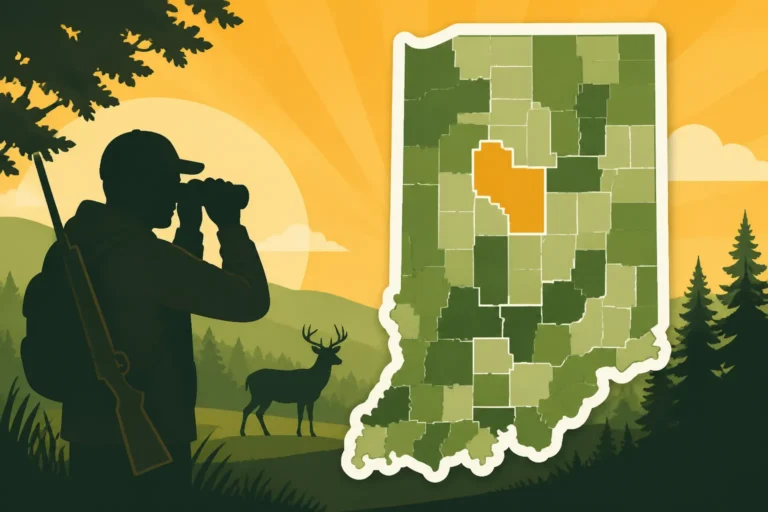
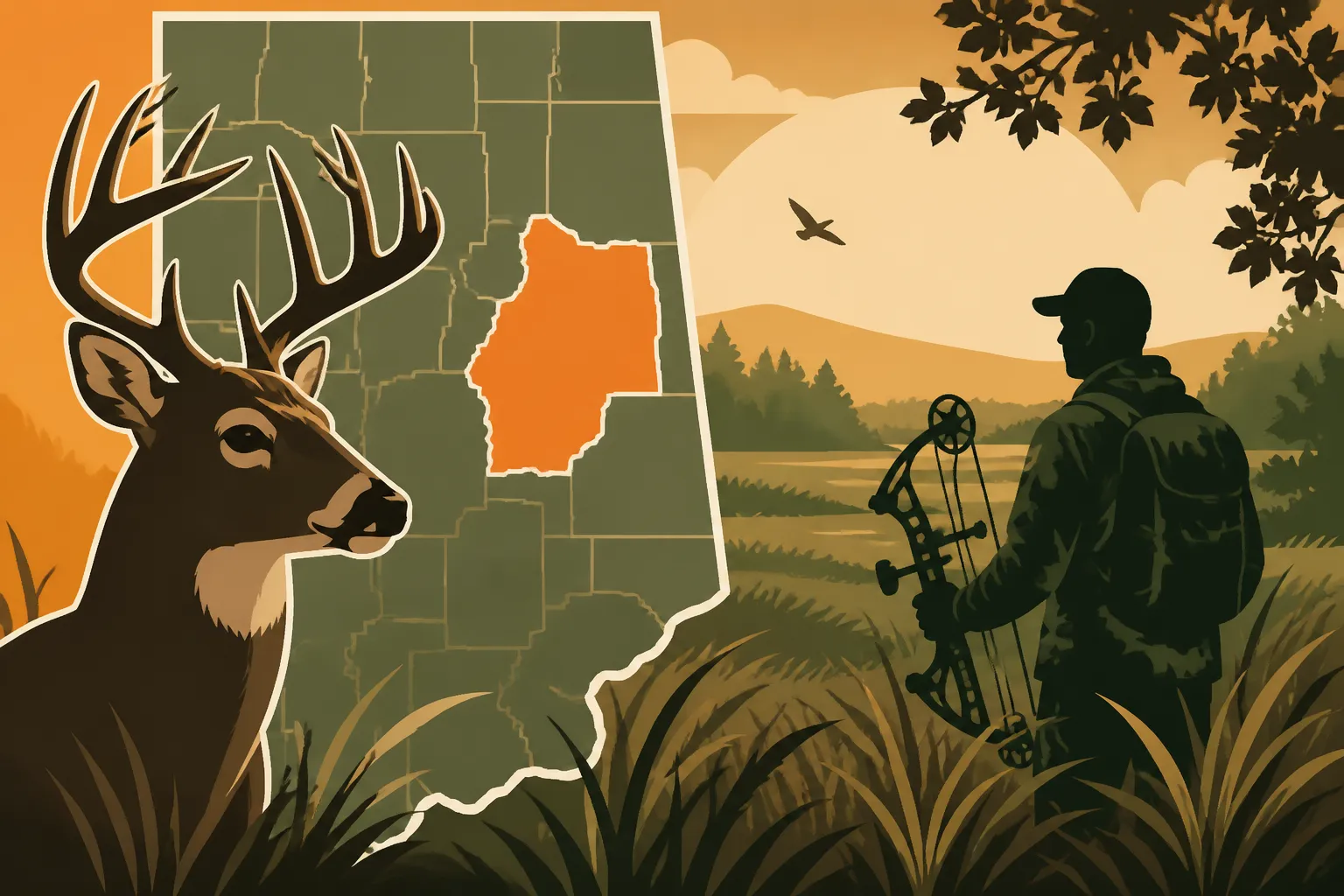
Noble County sits squarely in the northeast corner of Indiana, and its inclusion in the CWD positive area means that the regulations apply to any deer harvested within its borders, as well as several adjacent counties. These CWD zones are defined by the Indiana DNR, and their boundaries are critical for hunters to understand because they dictate specific testing requirements and carcass movement restrictions. Imagine planning your annual deer camp, only to realize the area you always hunt now has these extra steps involved. It can be a real headache!
The psychological impact on hunters can be significant. Questions naturally arise: "Is it safe to eat the venison?" "Can I still hunt my favorite public land spot without fear of violating a rule?" "How will this affect the local deer population?" These are valid concerns. The DNR's goal is to manage the disease, and hunters are a crucial part of that effort through compliance and participation in surveillance programs. When you're out there, it’s vital to know exactly where these boundaries lie. Tools like onX Hunt have become indispensable for this. You can overlay CWD zone maps, pinpoint public and private land boundaries, and avoid accidental violations. This allows you to visualize the area, scout effectively, and plan your hunt with confidence, knowing exactly where you stand. It's a real help when you're trying to figure out where Which Six Counties Sit in Indiana's CWD Positive Area.
Navigating Public Hunting Opportunities in Noble County
Even with the CWD designation, Noble County and its surrounding areas still offer public hunting opportunities. The challenge isn't that you can't hunt, but that you need to be extra diligent about understanding and following the specific guidelines for the area. Don't let the CWD news deter you from exploring some great ground; just prepare differently.
Key Public Lands for Deer Hunting in Noble County
Within Noble County and the broader CWD positive area of northeast Indiana, you'll find various types of public lands managed for hunting. While Noble County itself might not have a massive State Forest like those in southern Indiana, it benefits from Fish & Wildlife Areas (FWAs) that offer excellent habitat. For instance, Tri-County FWA and Pigeon River FWA, while not entirely within Noble, are nearby and are managed under similar CWD protocols, drawing hunters from the region. These FWAs typically consist of diverse habitats: wetlands, mixed hardwoods, shrubby cover, and agricultural edges, all providing ample opportunity for deer, as well as small game and waterfowl.
Hunting in these areas means navigating specific check-in procedures, potential drawing systems for popular spots, and of course, adherence to CWD regulations. The Indiana DNR actively manages these properties to ensure healthy wildlife populations and public access. So, while you're focused on your deer hunt, remember you're also playing a part in a larger conservation effort. Understanding these nuances makes your hunt both more successful and more responsible. For a broader look at where these public lands are, check out Finding an Indiana Fish and Wildlife Area Near You.
Utilizing Mapping and Information Resources
Hunting in a CWD zone adds a layer of complexity that makes digital mapping tools and reliable information sources absolutely essential. Gone are the days of just relying on a paper map and a compass, though those are still great backup tools. Now, you need real-time, accurate data at your fingertips.
This is where services like onX Hunt really shine. With onX Hunt, you can pull up detailed satellite imagery, see property boundaries in real-time (identifying public versus private land), and often, they’ll even have overlays for CWD zones or other special regulations. This helps you confirm you're on legal hunting ground and understand if your specific location falls under mandatory CWD testing or carcass movement restrictions. Imagine you've got a buck on the ground near a property line; a quick check on your phone can confirm if you’re still within the CWD positive boundary, saving you a potential headache. You can learn more about these powerful tools with Using the Indiana OnX and DNR Map Tools.
Beyond mapping apps, the Indiana DNR's website and their Go Outdoors Indiana portal are your primary official sources for information. This is where you'll find the most up-to-date regulations, CWD zone maps, and information on testing sites. While GoHunt might be a great resource for general hunting intel, especially for out-of-state opportunities or broader strategies, for hyper-local CWD specifics, the DNR website is paramount. Always cross-reference your information. The dynamic nature of CWD management means regulations can be updated, so a quick check before heading afield is always a smart move.
Mandatory Testing and Carcass Management Rules
This is perhaps the most significant operational change for hunters in the Noble County CWD zone. It’s not just about harvesting a deer; it’s about what you do with that deer afterward. These rules are in place for a critical reason: to prevent the further spread of CWD.
Understanding Mandatory CWD Testing Requirements
When you harvest a deer in the Noble County CWD positive area during specific periods (often during the firearms deer season, but always check current regulations), mandatory testing may be required. This isn't a suggestion; it's a rule designed to gather crucial data on disease prevalence and distribution. It can feel like an extra chore after a successful hunt, but your participation is vital for the state's CWD surveillance efforts.
The process typically involves submitting specific tissues from your harvested deer – usually the lymph nodes from the jaw area. The Indiana DNR will set up designated drop-off locations, sometimes at check stations or other easily accessible sites. They may also offer self-sampling kits or provide instructions on how to properly collect the sample yourself to drop off later. It’s important to understand the process for Mandatory Testing Inside Indiana's Positive Area. You’ll need to register your deer as usual, and then follow the specific instructions for CWD sampling. The goal is to collect enough samples to get an accurate picture of the disease in the area, helping wildlife biologists make informed management decisions. Don’t worry about the cost either; information on Getting Free CWD Testing for Your Deer is usually available. You’ll typically be notified of your deer's test results, providing peace of mind or guiding your decisions on venison consumption.
Adhering to Carcass Movement and Disposal Restrictions
This is the part that often causes the most confusion and frustration for hunters, especially if you live outside the CWD zone or plan to travel with your deer. The core principle here is to prevent high-risk CWD tissues from leaving the infected area, as these tissues contain the prions that can contaminate new environments.
What does this mean in practice? It means that certain parts of a deer—specifically the brain, spinal column, lymph nodes, and spleen—are considered high-risk and cannot be transported out of the CWD positive area. This usually means you need to field dress your deer and potentially debone the meat at the kill site or at a designated processing location within the CWD zone.
Here’s a practical breakdown of what typically can and cannot leave the CWD zone:
| Carcass Part | Allowed to Leave CWD Zone? | Notes |
|---|---|---|
| Deboned Meat | Yes | Must be completely free of bone and nervous tissue. |
| Clean Antlers | Yes | Skull plate must be clean and free of tissue. |
| Hides/Capes | Yes | Must be free of all nervous tissue and brain matter. |
| Finished Taxidermy | Yes | After proper processing and cleaning. |
| Intact Head (skull with brain) | No | Unless transporting directly to an official CWD testing site within the CWD zone. |
| Spinal Column | No | Must be disposed of within the CWD zone. |
| Brain, Lymph Nodes, Spleen | No | High-risk tissues, must be disposed of properly within the CWD zone. |
| Whole Carcass (unprocessed) | No | Unless transported directly to an official CWD testing or processing site within the CWD zone. |
For many, this might mean a new approach to field dressing and processing. You might need to bone out your deer entirely at the kill site, or bring it to a local processor within the zone who understands and follows the regulations. Proper disposal of the high-risk parts is also crucial; these should be double-bagged and disposed of in designated landfills or through other approved methods within the CWD zone to prevent environmental contamination. It's a significant change from simply throwing a deer in the back of the truck and heading home, but it's a necessary step to protect our shared wildlife resources. Make sure you are fully aware of Indiana Carcass Movement Restrictions.
Ethical Hunting and Conservation in a CWD Zone
Hunting in a CWD positive area isn't just about following new rules; it's about embracing a heightened sense of responsibility. As hunters, we are often the first line of defense and observation when it comes to wildlife health. Our actions, both individually and collectively, play a crucial role in managing and potentially slowing the spread of CWD.
Best Practices to Minimize Disease Transmission
One of the most impactful things you can do as a hunter in a CWD zone is to avoid practices that concentrate deer. This includes refraining from baiting and establishing mineral sites, even if they might be legal in other areas or at other times. When deer gather in close proximity to feed, they increase the likelihood of direct contact and environmental contamination through saliva and urine, creating perfect conditions for CWD to spread.
Beyond that, good hygiene is paramount. Thoroughly clean your gear, knives, and vehicles after handling a deer, especially if you plan to hunt in a different area or transport your equipment. This minimizes the risk of inadvertently carrying prions to a new location. It's also critical to never move live deer or deer parts from unknown sources into or out of Indiana. If you encounter a deer that appears sick or behaves unusually (e.g., emaciation, stumbling, drooling, lack of fear of humans), report it to the Indiana DNR immediately. They are the experts who can investigate and monitor the situation. By being vigilant and proactive, you're not just a hunter; you're a vital part of the solution in protecting Indiana’s deer herd. This kind of stewardship is a core tenet of why we hunt in the first place, and it’s more important than ever.
Long-Term Outlook and Hunter's Role in CWD Management
Let's be realistic: CWD is a long-term challenge, and there are no easy answers or quick fixes. The presence of CWD in Noble County, and other parts of Indiana, signals a new era for deer management. It introduces uncertainty and demands ongoing vigilance. However, it’s not a death knell for deer hunting. In fact, regulated hunting becomes even more crucial in CWD management. Maintaining healthy deer populations at appropriate densities can help reduce the transmission rates of the disease.
Your continued participation in hunting and compliance with testing programs provides the DNR with the essential data they need to track the disease, understand its spread, and adjust management strategies accordingly. Stay informed by regularly checking official DNR channels for updates, attending public meetings, and sharing accurate information with fellow hunters. Services like onX Hunt will continue to evolve, hopefully offering even more integrated CWD information to help hunters navigate the landscape responsibly.
The hunting traditions we cherish are resilient. By understanding the challenges CWD presents, adapting our practices, and actively participating in conservation efforts, we can help ensure that healthy deer populations and hunting opportunities persist for generations to come in Noble County and across Indiana. It's a commitment that reflects the true spirit of a conservationist. For general information on how wildlife diseases are monitored in the state, see Indiana Wildlife Disease Monitoring.
Disclaimer
This article is for general informational purposes only and does not constitute professional advice. Laws, prices and regulations vary by location and change over time. Consult a qualified professional for guidance on your specific situation.