Steuben County CWD Zone Public Ground
Hunting in a Chronic Wasting Disease (CWD) positive zone can add a significant layer of stress and uncertainty to an otherwise enjoyable pursuit. Many of us Hoosier hunters feel the weight of these new regulations, especially when trying to pinpoint good public ground in affected areas like Steuben County. This guide is here to help you understand the specific challenges and opportunities for hunting public land within Steuben County's CWD management zone, offering practical advice and dispelling some of the confusion.
Understanding Steuben County's CWD Status
When CWD first popped up in Indiana, it sent ripples through the hunting community. It’s not just a statistic; it’s a genuine concern that changes how we approach deer management and hunting in affected areas. Steuben County, unfortunately, is one of the counties that has been impacted, leading to specific rules and recommendations for hunters using its public lands.
The Basics of CWD and Its Presence in Indiana
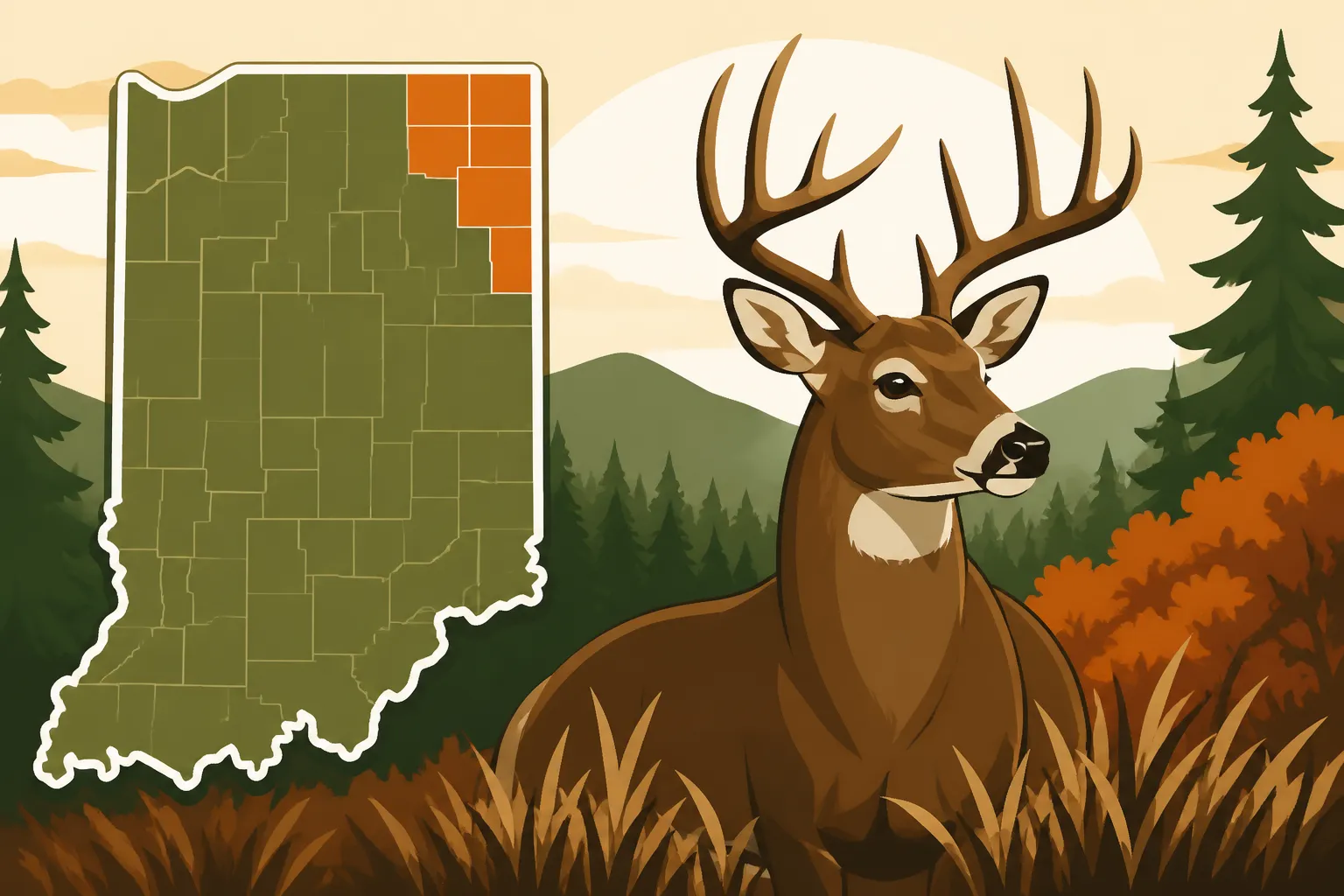
Chronic Wasting Disease is a fatal neurological disease that affects cervids, including white-tailed deer, elk, and moose. It's caused by abnormal proteins called prions, which can spread directly from animal to animal or indirectly through contaminated environments. Think of it as a persistent, silent threat to our deer herds. The disease can be present in a deer for a long time before any symptoms show, making early detection and management crucial. When CWD was confirmed in Indiana, particularly in the northeastern part of the state, it became clear that we, as hunters, had a vital role to play in monitoring and containing its spread. Indiana's Chronic Wasting Disease Positive Area provides a broader overview of the state's situation, but for Steuben County, it means a more localized, hands-on approach is necessary.
The presence of CWD isn't just a distant problem for wildlife biologists; it impacts every deer hunter in the zone. It means thinking about where you hunt, how you handle your harvest, and your responsibility to the greater deer population. While it's easy to feel disheartened, understanding the disease and cooperating with the Indiana Department of Natural Resources (DNR) efforts is our best defense.
How CWD Affects Hunting Regulations in Steuben County
Being in a CWD positive area like Steuben County means certain regulations come into play that you wouldn't encounter elsewhere in the state. These rules are designed to slow the spread of the disease and gather critical data. The most significant changes often revolve around mandatory deer testing and carcass movement restrictions. You can't just harvest a deer and head home with the whole animal anymore, at least not without acknowledging the CWD protocols.
For instance, within the CWD positive zone, there are typically requirements for submitting harvested deer for CWD testing. This isn't optional; it's a vital part of the monitoring program. This means you need to know where designated CWD sampling stations are located and understand the process. Additionally, moving certain parts of a deer carcass out of the CWD zone is restricted. This is to prevent potentially infected materials from spreading prions to new areas. These regulations can feel like an extra hassle after a long day in the woods, but they are essential measures to protect the health of Indiana's deer herd for future generations. Understanding Indiana Carcass Movement Restrictions is paramount for hunters in this zone.
Navigating Public Hunting Opportunities in Steuben County
Steuben County, nestled in the northeastern corner of Indiana, offers a mix of agricultural land, small woodlots, and some beautiful lakes and wetlands. While it might not have the vast tracts of public land like our southern Hoosier National Forest, there are still valuable public hunting opportunities to explore, even with the added layer of CWD regulations.
Key Public Hunting Areas Within Steuben County's CWD Zone
Finding public hunting ground in Steuben County often means looking at various state-managed properties. These can include State Fish and Wildlife Areas (FWAs), State Forests, and occasionally even specific designated areas within State Parks that allow managed hunts. For hunters in Steuben County, some of the key areas you might consider include:
- Pigeon River Fish and Wildlife Area: While parts of this large FWA extend beyond Steuben, significant portions are within or adjacent to the CWD zone. It offers diverse habitats, from wetlands for waterfowl to timber and fields for deer and upland game. Checking the FWA's specific rules and CWD protocols is always the first step.
- Small State Fishing Areas and Access Sites: Don't overlook smaller parcels managed by the DNR, sometimes associated with lakes or rivers. While primarily for fishing access, some may allow hunting, especially for deer, depending on their size and location. These often get less pressure than larger FWAs.
- Private Land with Permission: While this guide focuses on public land, in a county with mixed landscapes like Steuben, securing private land permission can significantly expand your hunting options and might offer different hunting experiences. Always remember that Indiana Property Access Permit Requirement guidelines are crucial if you go this route.
Public lands vary greatly in size, habitat, and hunting pressure. You’ll find some areas are walk-in only, others might have designated parking, and specific rules for tree stands or blinds. It’s always best to check the Indiana DNR website for the most current information and maps for each specific property before you head out.
Essential Mapping Tools for CWD Zone Public Land
In today's hunting world, digital mapping tools are an absolute game-changer, and they become even more critical when navigating complex CWD zone boundaries and public/private land distinctions. Trying to figure out exact property lines or CWD sample station locations with just a paper map can be a real headache.
Platforms like onX Hunt have revolutionized how we scout and navigate. With onX Hunt, you can overlay public and private land boundaries, satellite imagery, and even specific CWD zone lines (which are typically updated based on DNR data). This allows you to plan your approach, identify access points, and ensure you're always on legal ground. You can mark potential deer sign, plan your stand locations, and even track your movements in real-time, all of which is invaluable, especially when you're trying to hunt responsibly in a CWD-affected area. Knowing exactly where you are relative to a CWD boundary can prevent unintended issues with carcass transport.
Similarly, other robust platforms like GoHunt offer detailed mapping features that can assist hunters. These apps often provide a wealth of information that can guide your scouting efforts, showing terrain features, historical burn areas, and even public access easements that might not be obvious from a road. For a comprehensive guide on leveraging these digital tools, check out Using the Indiana OnX and DNR Map Tools. These tools aren't just conveniences; they're essential gear for any hunter operating in a CWD zone, helping you stay informed and compliant with regulations.
Specific Hunting Considerations and Best Practices in the CWD Zone
Hunting in a CWD zone isn't just about changing where you can move a deer; it's about a shift in mindset. It's about being more mindful, more responsible, and more connected to the health of the entire deer herd. These considerations become part of your hunting preparation, from scouting to post-harvest.
Mandatory Testing and Carcass Movement Restrictions
One of the most immediate impacts of hunting in the Steuben County CWD zone is the mandatory requirement for CWD testing on harvested deer. This isn't just a suggestion; it's a critical component of the state's surveillance efforts. You need to be prepared to take your deer, or at least its head, to a designated CWD sampling station within a specified timeframe. These stations are typically set up during the peak deer seasons and are staffed by DNR personnel or trained volunteers. Finding an Indiana CWD Sampling Location ahead of time is absolutely crucial so you're not scrambling after a successful hunt.
Beyond testing, the restrictions on carcass movement are equally important. Generally, you can only transport the following parts out of a CWD management zone: deboned meat, antlers (with or without skull plate, provided all brain tissue is removed), hides (without the head), and finished taxidermy products. This means if you harvest a deer in Steuben County and live outside the CWD zone, you'll need to do your butchering and cleaning within the zone, or at least prepare the carcass according to these strict guidelines. This helps prevent the inadvertent spread of CWD prions. It's an extra step, for sure, but a necessary one to protect the broader deer population. Plus, the DNR often offers Getting Free CWD Testing for Your Deer, so it's a valuable service for hunters.
Scouting and Strategy in CWD-Affected Areas
Scouting remains the cornerstone of successful hunting, but in a CWD zone, it takes on an added layer of importance. While you're still looking for traditional deer sign like rubs, scrapes, and feeding areas, you might also consider the overall health of the deer you observe. While visual inspection isn't a diagnostic tool for CWD, general observations of animal behavior and condition can contribute to your overall understanding of the herd.
Strategically, in areas with CWD, there is often an emphasis on antlerless harvest to help manage deer density. While the goal is always to ethically harvest healthy animals, focusing on antlerless opportunities can be a way to contribute to population management efforts without directly targeting potential trophy bucks, which might carry CWD for longer periods. The DNR may adjust bag limits or provide bonus tags for antlerless deer in CWD zones, so always check the latest regulations. Your scouting should still focus on finding productive feeding and bedding areas, but your harvest goals might be influenced by CWD management objectives. Think about targeting younger deer or antlerless animals in good condition to remove potentially exposed individuals from the population without impacting breeding-age bucks as heavily. This contributes to the health of the herd and helps manage numbers in an area where disease spread is a concern.
Species-Specific Opportunities in Steuben County
Steuben County's mix of farmland, forests, and wetlands means there's more to hunt than just deer. While CWD primarily concerns deer, understanding the overall hunting landscape in the county helps you make the most of your public land opportunities.
Deer Hunting: Antlerless Focus and Management
For many hunters, deer are the primary target, and Steuben County definitely offers deer hunting opportunities. Given its CWD status, there's often a particular emphasis on antlerless harvest. This isn't to say you can't pursue a buck, but contributing to the management of the overall deer population by taking does is a sound strategy in a CWD zone. Increased antlerless harvest can help reduce deer densities, which in turn can slow the transmission rate of CWD within the herd.
When hunting public ground in Steuben County for deer, focus your efforts on areas bordering agricultural fields, small woodlots, and creek bottoms. Deer often use these corridors for travel and feeding. Don't be afraid to put in the legwork to find less pressured areas, even if it means walking a bit further from common access points. Look for natural funnels, pinch points, and cover that deer will use to feel secure. Even in CWD zones, the fundamental principles of deer hunting still apply: find food, water, and cover, and understand how deer move between them. For more on strategies relevant to northern Indiana, consider Hunting Northern Indiana Farmland Deer.
Other Game Species: Turkeys, Small Game, and Waterfowl
Beyond deer, Steuben County's public lands offer a variety of other hunting pursuits. The diverse habitat supports healthy populations of wild turkeys, a variety of small game, and, thanks to the numerous lakes and wetlands, some excellent waterfowl hunting.
- Wild Turkeys: Steuben County can offer good turkey hunting, particularly in areas with mature timber and mixed agricultural fields. Public lands like Pigeon River FWA will have turkeys. Spring turkey season is a favorite for many, and practicing your calls and scouting roosting areas can lead to success. Remember that Indiana Spring Turkey Season Rules apply, regardless of CWD status in the county. Fall turkey hunting is also an option, though less popular, providing additional time in the woods.
- Small Game: For hunters who enjoy a more active day in the field, squirrel and rabbit hunting can be productive. Look for squirrel sign in mature hardwood stands, especially hickory and oak groves. Rabbits will be found in thick cover, fencerows, and brushy edges. These hunts are a great way to introduce new hunters to the sport or just enjoy a day afield when deer season is closed. Squirrel and Small Game Hunting in Indiana offers general tips for these species across the state.
- Waterfowl: With its proximity to numerous lakes and wetland complexes, Steuben County can be a prime spot for waterfowl. Pigeon River FWA, in particular, is known for its waterfowl hunting opportunities. Ducks and geese utilize these areas during migration, offering exciting hunts. Expect to utilize decoys, blinds, and potentially waders for successful waterfowl outings. Always check federal and state regulations for duck and goose seasons, bag limits, and specific FWA rules for waterfowl hunting.
Hunting these other species in a CWD zone doesn't typically involve the same carcass handling restrictions, but it’s always wise to stay informed on any general wildlife health advisories from the Indiana DNR. Enjoying the full range of hunting opportunities in Steuben County means understanding the diverse ecosystems and adapting your approach to each species.
| Public Land Type | Common Game Species | CWD Considerations | General Habitat |
|---|---|---|---|
| State Fish & Wildlife Areas (FWA) | Deer, Turkey, Waterfowl, Small Game | Mandatory deer testing, carcass restrictions | Mix of timber, wetlands, fields |
| State Forests | Deer, Turkey, Squirrel | Mandatory deer testing, carcass restrictions | Primarily contiguous timber |
| State Parks (Quota Hunts) | Deer | Mandatory deer testing, carcass restrictions | Forests, sometimes fields/lakes |
| Small Lake/River Access Sites | Deer, Waterfowl (limited) | Mandatory deer testing, carcass restrictions | Small woodlots, riparian zones |
Disclaimer
This article is for general informational purposes only and does not constitute professional advice. Laws, prices and regulations vary by location and change over time. Consult a qualified professional for guidance on your specific situation.