Patoka River National Wildlife Refuge Hunting
For many Indiana hunters, the dream involves wide-open spaces where nature dictates the terms, not fences or housing developments. Finding such a place, especially one managed with wildlife as the top priority, can feel like searching for a needle in a haystack. This guide dives deep into hunting the Patoka River National Wildlife Refuge, providing you with the comprehensive, real-world information you need to understand its unique challenges and incredible opportunities.
Unveiling the Patoka River National Wildlife Refuge
The Patoka River National Wildlife Refuge (NWR) isn't just another patch of public land; it's a critical mosaic of habitats designed specifically to restore and protect the natural floodplain ecosystem of the Patoka River basin in southwestern Indiana. It represents a monumental effort in conservation, gradually piecing together thousands of acres to create a haven for migratory birds, endangered species, and, yes, abundant game for responsible hunters.
A Legacy of Conservation and Habitat Restoration
The Patoka River NWR was established in 1994, a relatively young refuge compared to some of its national counterparts. Its creation was a direct response to the historical degradation of the Patoka River's floodplain, which had been extensively drained, cleared, and channelized for agriculture over many decades. The vision for the refuge was to reverse this trend, restoring wetlands, bottomland hardwood forests, and native grasslands to their former glory. This ongoing restoration work has transformed large sections of former farmland back into functioning ecosystems.
This isn't just about pretty scenery; it's about rebuilding the very foundation of wildlife habitat. When you step onto the refuge, you're walking through an active experiment in ecological recovery. Old farm fields are slowly reverting to forest, dikes are being breached to allow natural water flow, and diverse native plant communities are being reestablished. This dynamic environment means that habitat conditions can change over time, and a hunter who was familiar with a certain area a few years ago might find it quite different today. Understanding this commitment to restoration helps you appreciate the richness of the wildlife you encounter and the importance of adhering to refuge-specific regulations. It's a privilege to hunt here, not just a right, and our actions play a role in its continued success.
Geographic Overview and Key Features
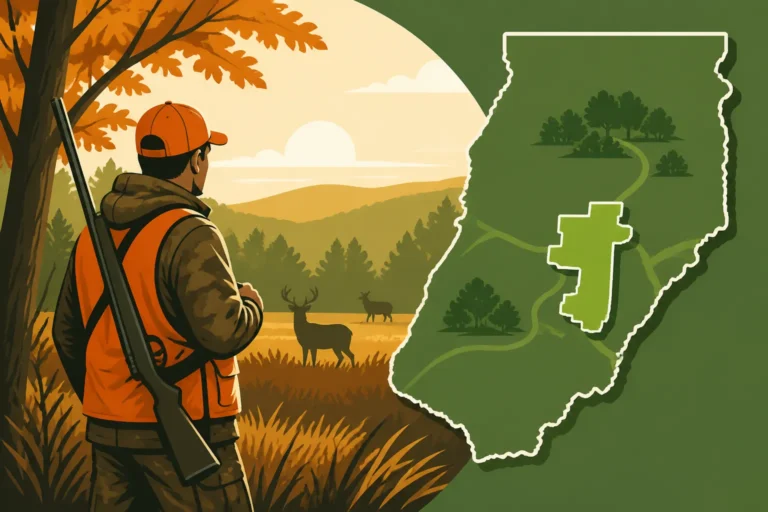
Spanning over 26,000 acres, the Patoka River NWR stretches across portions of Gibson, Pike, and Dubois counties in southwestern Indiana. It's not one contiguous block of land but rather a sprawling network of scattered units interspersed with private property. This fragmented nature can be a bit tricky to navigate for first-time visitors, highlighting the necessity of good mapping tools. The refuge is characterized by the Patoka River itself, a major tributary of the Wabash River, winding through its heart. The landscape is a mix of bottomland hardwood forests, oxbow lakes, sloughs, emergent wetlands, and re-established native grasslands.
The low-lying nature of much of the refuge means that water plays a dominant role. Seasonal flooding is a regular occurrence, especially in spring and after heavy rains, which can dramatically alter access and hunting conditions. Many areas are intentionally managed for water levels to benefit waterfowl and other wetland-dependent species, creating prime hunting opportunities but also requiring specialized gear and knowledge. Elevations are generally low, with subtle rises providing important refugia during floods. The refuge also manages several large open water impoundments that serve as critical resting and feeding areas for migratory birds. Recognizing these distinct habitat types – from dense timbered sloughs to open water and grasslands – is key to understanding where different game species will be found and how they might react to hunting pressure or weather shifts. Using a reliable mapping application like onX Hunt can be incredibly useful here to distinguish between refuge lands, private parcels, and the specific habitat features within.
Hunting Opportunities at Patoka River NWR
The Patoka River NWR offers a diverse array of hunting opportunities, reflecting the varied habitats it encompasses. From the pursuit of whitetails in dense bottomland timber to setting decoys for ducks in flooded fields, the refuge caters to many hunting passions. However, each species comes with its own set of rules and challenges, demanding specific preparation and tactics.
Deer Hunting in the Bottomlands
Deer hunting at Patoka River NWR is a popular draw, and for good reason. The combination of dense cover, plentiful food sources in agricultural edges and mast crops, and the relative lack of pressure compared to some other public lands can make for excellent hunting. However, it's not without its challenges. The bottomland habitat can be incredibly thick, making visibility limited and deer movement patterns sometimes unpredictable. Hunters often find themselves navigating tangled briar patches, standing water, and dense brush, demanding patience and a keen eye for subtle deer sign. Deer often utilize the thickest cover as bedding areas, moving out to feeding areas during low light. Hunting Southern Indiana Hill Country might offer some insights into deer movement in similar terrain, although Patoka is flatter and wetter.
Archery season, including the use of crossbows as per Crossbow Rules During Indiana Archery Season, offers an extended window of opportunity, allowing hunters to scout thoroughly and capitalize on early season patterns. As the season progresses into firearms and muzzleloader, the tactics shift. Deer drives can be effective in certain areas, particularly on larger blocks of timber, but require careful coordination with hunting partners to ensure safety and effectiveness. Late-season hunting often focuses on remaining food sources, such as standing beans or corn if present, or areas with persistent mast crops. Hunters must also be aware of the fragmented nature of the refuge; deer frequently move between refuge lands and adjacent private properties, making understanding their travel corridors critical. Success often comes down to finding undisturbed pockets of cover and identifying those subtle travel routes deer use when they feel pressured.
Waterfowl Hunting the Wetlands and Impoundments
Waterfowl hunting is arguably one of the flagship activities at Patoka River NWR, attracting hunters from across the state. The refuge's extensive wetlands, flooded timber, and managed impoundments provide crucial resting and feeding grounds for a variety of migratory ducks and geese using the Mississippi Flyway. Species like mallards, wood ducks, teal, and various divers can be found, depending on the time of year and water conditions. Indiana Waterfowl on the Mississippi Flyway details the broader migratory patterns that bring these birds through the area.
Hunting here requires a different set of skills and gear than deer hunting. Layout blinds, marsh boats, push poles, and waders are often essential. Many waterfowl hunting opportunities operate under specific permit systems or daily draws, so understanding the application process and deadlines is paramount. For example, some impoundments might have designated blind sites allocated through a draw, while other areas might be open for walk-in hunting. Water levels are constantly managed and can fluctuate, heavily influencing bird presence and hunter access. Hunters need to pay close attention to refuge announcements regarding water levels and special regulations for specific units. Successful waterfowl hunting at Patoka means being adaptable, capable of reading bird movements, and proficient at calling and decoy placement. Early morning scouting for active feeding areas and understanding how wind and weather affect flight patterns are also critical.
Small Game and Turkey Opportunities
Beyond deer and waterfowl, Patoka River NWR offers opportunities for small game and wild turkey hunting. These pursuits, while perhaps less prominent than the big game and waterfowl draws, can provide enjoyable and rewarding experiences for hunters willing to explore the refuge's varied cover. The restoration efforts that benefit deer and waterfowl also create excellent habitat for a host of other species. Indiana Small Game Season Rules provides general statewide guidelines, but refuge-specific rules always take precedence.
Squirrels are abundant in the extensive bottomland hardwoods, especially during good mast crop years. Early season squirrel hunting can be a great way to introduce new hunters to the woods, and the refuge's diverse tree species provide ample habitat. Rabbit hunting can be productive along field edges, brushy fencerows, and areas of dense regrowth, though these areas might require some serious bush-whacking. Hunters looking for a challenge might even find opportunities for predators like coyotes, although specific regulations for predator hunting should be thoroughly reviewed. Wild turkeys are also present throughout the refuge's timbered areas. While not as concentrated as in some hillier parts of Indiana, patient and skilled turkey hunters can find success, particularly during the spring season. Hunters should be aware that turkey season often has specific boundaries within the refuge, and scouting prior to the spring opener to locate roosting areas and strutting zones is highly recommended. Indiana Spring Turkey Season Rules covers the broader season, but always check refuge rules for specific units.
Regulations and Permit Requirements
Hunting on a National Wildlife Refuge involves a layer of regulations that goes beyond typical state hunting laws. The U.S. Fish and Wildlife Service, which manages the Patoka River NWR, has its own set of rules designed to protect the refuge's resources and manage hunter access. Ignoring these specific requirements can lead to citations, loss of hunting privileges, and damage to the refuge's conservation mission.
General Refuge Rules and Guidelines
Before you even think about setting foot in the Patoka River NWR with your hunting gear, it's absolutely crucial to familiarize yourself with the refuge's specific hunting brochure and regulations. These documents are typically available on the refuge's official website or at the visitor center. They outline everything from permitted hunting methods and seasons to specific unit boundaries, vehicle access rules, and non-toxic shot requirements (which are often mandatory for all hunting on NWRs, not just waterfowl). For instance, ATVs and off-road vehicles are typically restricted to designated routes, if allowed at all. Camping may be prohibited, and scouting may have specific windows or requirements.
Furthermore, hunters are often required to possess a valid Indiana hunting license and any necessary state stamps or endorsements, such as a federal duck stamp or HIP certification for migratory bird hunting. Indiana Hunting Licenses and What They Cost gives a general overview. However, many NWRs also require a separate refuge-specific permit, sometimes referred to as a "hunt permit," which may or may not have a fee. These permits serve to track hunter numbers, communicate specific rules, and ensure that hunters are aware of the unique conditions of the refuge. It's not uncommon for bag limits or hunting hours to differ slightly from statewide regulations, or for certain areas to be closed to hunting entirely to provide sanctuaries for wildlife. Always check the current year's refuge regulations, as rules can change from season to season based on wildlife populations, habitat conditions, or management goals.
Permit Application Process and Deadlines
Many of the hunting opportunities at Patoka River NWR, particularly for popular species like deer and waterfowl, operate under a permit or draw system. This is done to manage hunting pressure, ensure fair access, and prevent overcrowding, which can negatively impact both the hunting experience and the wildlife. The application process for these permits can vary but often involves specific deadlines that must be adhered to months in advance of the hunting season.
For deer, you might find specific quota hunts or archery-only zones that require an application. Waterfowl hunting, especially in prime impoundments, often utilizes a daily draw system or a pre-season lottery for blind sites. These draw systems typically require hunters to apply online or in person by a specified date, after which a random drawing determines who receives the limited permits or access opportunities. It's not uncommon to need to specify your preferred hunting period or unit during the application. Missing a deadline means missing the opportunity entirely. Hunters should regularly check the Patoka River NWR website for announcements regarding application periods, deadlines, and results. These are not state DNR draws, but refuge-specific programs. Preparing your application well in advance, gathering all necessary information, and submitting it correctly will save you a lot of headache and ensure you have a chance at securing a coveted permit.
Specific Season Restrictions and Unit Closures
One of the most common frustrations hunters encounter on public land, especially at a complex refuge like Patoka River NWR, is discovering that certain areas are closed or have specific restrictions during particular seasons. Because the refuge's primary mission is wildlife conservation, some areas may be designated as non-hunting sanctuaries to provide undisturbed resting or breeding areas. Other units might have staggered hunting days (e.g., only open on Tuesdays, Thursdays, and Saturdays) or be restricted to specific weapons (e.g., archery-only).
It's also common for refuge units to have overlapping seasons for different species, which necessitates careful planning. For example, a unit open for deer hunting might also be a critical waterfowl resting area, leading to temporary closures or restrictions during peak migration. These closures and restrictions are clearly outlined in the refuge's annual hunting regulations brochure and often marked with signage on the ground. Using a mapping app like onX Hunt can be invaluable here, as it often has up-to-date refuge boundaries and even specific unit closures overlaid on the map, allowing you to quickly identify legal hunting areas. Pay attention to maps provided by the refuge and any on-the-ground signage. Always double-check these details before planning a hunt, and if in doubt, contact the refuge office directly. Showing up prepared and knowledgeable about these specific restrictions demonstrates respect for the refuge and its management.
| Hunting Opportunity | General Availability | Typical Permit/Draw | Key Considerations |
|---|---|---|---|
| Deer | Archery, Firearms, Muzzleloader | Often a quota hunt or unit-specific permit | Dense bottomland cover, fragmented land, CWD testing may be required |
| Waterfowl | Duck, Goose | Daily draw or pre-season lottery for blinds | Managed impoundments, non-toxic shot, specialized gear (waders, boat, decoys) |
| Wild Turkey | Spring, Fall (Archery) | General refuge hunt permit or no specific draw | Timbered areas, some units may be restricted, scouting important |
| Small Game | Squirrel, Rabbit | General refuge hunt permit or no specific draw | Hardwoods for squirrels, brushy edges for rabbits, good entry-level hunting |
| Feral Hogs | Year-round, often specific methods | Check for any special permitting | Opportunistic, often in cooperation with refuge staff for population control |
Navigating the Refuge Effectively
Hunting the Patoka River NWR isn't like hunting a simple block of state forest. Its fragmented nature, combined with dynamic water levels and habitat, means that effective navigation is paramount for success and safety. Relying solely on a paper map or a basic GPS might leave you scratching your head, or worse, inadvertently trespassing on private land.
Understanding Access Points and Units
The Patoka River NWR is comprised of numerous distinct units spread across a broad geographical area. These units are often separated by private land, major roads, or even other public land designations. Consequently, there isn't one grand entrance to the entire refuge; instead, you'll find multiple access points, parking areas, and boat launches scattered across the three counties it covers. Some units are easily accessible from paved roads, while others might require driving down gravel lanes or even involve a significant walk-in component.
It's absolutely critical to identify which unit you plan to hunt and understand its specific access points. Don't assume that because you can see a refuge sign from a road, you can simply pull over and start walking in. Look for designated parking areas and official entry points. These are often marked on refuge maps. Some units might be designated "walk-in only," meaning no vehicles are allowed beyond a certain point. Water access is also varied; some units have official boat ramps, while others might only allow canoes or kayaks to be put in at informal spots. Prior reconnaissance, whether through online mapping or a pre-season drive, is essential to avoid wasting precious hunting time trying to figure out where to park or enter. Always pay attention to boundary signs; they clearly delineate refuge property from adjacent private parcels.
Utilizing Mapping Tools for Success
In a place like the Patoka River NWR, modern mapping tools aren't just a convenience; they're an absolute necessity. Given the fragmented nature of the refuge, the interspersed private land, and the constantly changing water levels, a robust GPS-enabled mapping app like onX Hunt becomes your most valuable piece of gear. These apps allow you to see refuge boundaries, private property lines, public access points, roads, and various habitat features all overlaid on detailed satellite imagery. This is far more powerful than a static paper map.
Before you ever leave home, you can use these tools to scout potential hunting areas, identify thick cover, locate water features, and plan your entry and exit routes. You can drop pins at potential stand sites, mark fresh sign, or note areas that might hold water. In the field, having real-time GPS tracking on your phone (with downloaded offline maps for areas with no cell service) ensures you always know exactly where you are relative to refuge boundaries and private property. This helps you avoid accidental trespass, which is a major concern in areas with checkerboard land ownership. Using the Indiana OnX and DNR Map Tools provides further guidance on maximizing these resources. Additionally, some digital mapping platforms might show topographic lines or wetland indicators, helping you predict water flow and deer movement patterns during wet conditions. Don't underestimate the power of a good mapping app; it can be the difference between a frustrating, confusing hunt and a productive, confident one.
Staying Safe and Prepared in the Field
Hunting in a dynamic and often remote environment like the Patoka River NWR requires a strong emphasis on safety and preparedness. The landscape itself presents unique challenges, from deep mud and standing water to dense cover that can disorient even experienced woodsmen. Beyond the natural environment, hunting pressure, even when managed, means exercising caution and adhering to all safety protocols.
Always inform someone of your hunting plans, including your intended unit, approximate entry and exit times, and who you'll be with. Carry a fully charged cell phone (with a portable charger), a compass, and your mapping app. A headlamp is essential for early morning walks in and late evening walks out. Dress in appropriate layers for the weather, knowing that temperatures can fluctuate, and be prepared for wet conditions, even if it hasn't rained recently. Waterproof boots, waders, or even hip boots are often a good idea. A first-aid kit, whistle, and sufficient water are also non-negotiable. For waterfowl hunters, ensure your boat is seaworthy and you have all required safety equipment, including life vests. Be mindful of other hunters, especially during busy periods. Identify your target positively, and always know what lies beyond it. The dense cover can hide other hunters or structures. Taking these precautions isn't just about following rules; it's about ensuring you have an enjoyable and safe experience, allowing you to focus on the hunt itself without unnecessary worry.
Effective Hunting Tactics for Patoka River NWR
Hunting the Patoka River NWR successfully demands a nuanced approach, adapting to its unique blend of bottomland, wetlands, and scattered agriculture. What works in the rolling hills of Brown County might not translate directly to the flat, often flooded terrain of the Patoka. Developing effective strategies means understanding the refuge's habitat and how game animals interact with it.
Deer Hunting Strategies in Fragmented Cover
Deer hunting at Patoka River NWR requires adaptability and a strong understanding of how deer use fragmented, often wet, cover. Unlike vast, contiguous forests, deer here frequently navigate smaller blocks of timber, dense brush, and wetland edges. This means their travel patterns are often dictated by transition zones: where forest meets field, where dry ground meets flooded timber, or where dense bedding cover offers sanctuary. Early season archery hunters should focus on identifying travel corridors between bedding areas (often the thickest, nastiest cover) and available food sources. This might involve scouting for trails along creek bottoms, subtle ridges, or through pinch points created by water. Hunting a Funnel Between Two Woodlots is a concept that applies directly to this type of fragmented landscape.
During the firearms and muzzleloader seasons, deer tend to become more nocturnal and seek even denser cover due to increased pressure. Still-hunting slowly through thickets or carefully chosen ambush points on major travel routes can be effective. Consider using ground blinds, especially brushed-in ones, to break up your silhouette and provide concealment in areas lacking suitable trees for treestands. Pay close attention to wind direction, as the flat terrain can sometimes create unpredictable swirling thermals, especially near water. Furthermore, don't overlook areas that might seem unappealing to other hunters – a small, thick island of trees surrounded by water or a briar patch on a wet edge can hold a mature buck seeking refuge. The key is persistence, thorough scouting (both physical and via mapping apps like onX Hunt), and a willingness to get into the places others avoid.
Waterfowl Blind Setups and Decoy Spreads
Successful waterfowl hunting at Patoka River NWR is heavily reliant on effective blind placement and decoy spreads, especially given the discerning nature of migratory birds often encountering significant hunting pressure along their journey. Whether you're hunting an open impoundment or a flooded timber slough, understanding the nuances of bird behavior is critical. For open water situations, a low-profile layout blind or a well-camouflaged boat blind is often essential. Visibility from the air is high, so breaking up your outline and blending into the natural surroundings (whether that's standing corn, a levee, or cattails) is paramount. Layout Blind Hunting Indiana Farm Fields offers insights into minimizing your profile.
Decoy spreads should mimic natural feeding or resting patterns. For mallards and other puddle ducks, a loose, natural spread with a few active feeders and perhaps a spinning-wing decoy can be very effective, especially on calm days. For divers, a tighter, more uniform line often works better. In flooded timber, fewer decoys might be needed, as the natural cover offers a more intimate setting. Consider water depth and current when setting decoys, ensuring they look realistic and move naturally. Also, remember that non-toxic shot is mandatory for waterfowl hunting on NWRs. Always scout the area beforehand to identify common flight paths, water depths, and areas where birds are actively feeding or loafing. Adjust your setup based on prevailing winds, as ducks and geese almost always land into the wind. The ability to call birds effectively, bringing them into range and setting their wings, completes the package for a truly memorable waterfowl hunt at Patoka.
Upland and Turkey Tactics in Diverse Habitats
Hunting upland game and turkeys at Patoka River NWR demands a different kind of persistence and an understanding of how these species utilize the diverse, often dense, habitats. For small game like rabbits and squirrels, focus your efforts on the habitat edges and brushy transitions. Rabbits will be found in dense briar patches, fencerows, and thick young growth – areas where cover is paramount. Walking these areas slowly, either alone or with a good rabbit dog, can flush cottontails. Squirrels, on the other hand, will be concentrated in the mature bottomland hardwoods, especially those areas with abundant oak, hickory, and pecan trees, particularly during the early fall when mast crops are dropping. Still-hunting through these woods at first light, or finding a comfortable spot to sit and watch for movement, are common tactics. Squirrel Hunting Indiana Bottomland Hardwoods provides further detail on these tactics.
For wild turkeys, particularly during the spring season, understanding their daily routine is key. Scouting prior to the season to locate roosting sites along the river or in mature timber is invaluable. As gobblers leave the roost, they'll often head to open fields or strutting zones to display for hens. The challenge at Patoka can be the dense cover, which makes locating and getting close to a gobbler without being seen difficult. Run-and-gun tactics, where you move and call frequently, might work in more open areas, but often a more patient approach, setting up in a likely travel corridor or strutting zone and calling birds in, is more effective. Fall turkey hunting, which is archery-only on the refuge, requires locating flocks and attempting to break them up, then calling individuals back in. Whatever the species, adapting your pace and tactics to the specific habitat you're in, and respecting the wildlife, will ultimately lead to a more successful hunt at Patoka.
Conservation and Hunter's Role
The Patoka River National Wildlife Refuge is a testament to the power of conservation, and hunters play a vital role in its continued success. Understanding the refuge's overarching goals and embracing a conservation ethic isn't just about following rules; it's about actively contributing to the health of the ecosystem and ensuring hunting opportunities for future generations.
Refuge Management Goals and Challenges
The primary goal of the Patoka River NWR is the conservation, management, and restoration of fish, wildlife, and plant resources and their habitats. Specifically, this includes restoring bottomland hardwood forests, wetlands, and native grasslands that once characterized the Patoka River floodplain. The refuge actively manages water levels in impoundments for migratory birds, conducts prescribed burns to enhance grassland and forest health, and undertakes reforestation projects. They also monitor wildlife populations, including federally endangered species like the Indiana Bat, and work to control invasive species.
However, these management goals come with significant challenges. The sheer scale of restoration required, the constant battle against invasive plants and animals, and the impacts of climate change (such as altered flood patterns) are ongoing hurdles. Funding and staffing limitations also mean that refuge managers must prioritize efforts. Hunters are an important part of the management equation; through license fees, excise taxes on equipment, and directly through hunting permits, they contribute financially to these conservation efforts. Furthermore, managed hunting helps control deer populations, preventing overbrowsing that could hinder forest regeneration and impact other wildlife. It's a complex balancing act, and every hunter on the refuge is an extension of that conservation effort.
How Hunters Contribute to the Refuge's Future
Hunters at Patoka River NWR contribute to the refuge's future in multiple, often unseen, ways. First and foremost, the act of hunting itself is a management tool. By harvesting deer, particularly antlerless deer, hunters help keep populations in check, which is crucial for the health of the forest and other plant communities. Overpopulation of deer can lead to habitat degradation, impacting everything from tree saplings to ground-nesting birds. The refuge may even implement special "reduction zone" rules or antlerless quotas in specific areas to further manage deer numbers, and hunters who fill these tags are directly assisting in these efforts. Filling an Antlerless Tag in a Reduction Zone is an example of such a direct contribution.
Beyond population control, hunters contribute financially through their purchase of state hunting licenses, stamps, and federal duck stamps, a significant portion of which goes back into wildlife conservation and habitat management programs across the country, including refuges like Patoka. Hunters are also often the "eyes and ears" on the ground, reporting unusual wildlife sightings, signs of poaching, or environmental concerns to refuge staff. By acting as responsible stewards, following all regulations, cleaning up after themselves, and respecting the land, hunters demonstrate that their passion for the outdoors is deeply intertwined with a commitment to conservation. This partnership between hunters and refuge management is essential for ensuring that Patoka River NWR continues to thrive as a haven for wildlife and a cherished hunting ground for generations to come. Scouting Indiana Public Land Before Season is a great way to engage with the land and contribute to its oversight.
Disclaimer
This article is for general informational purposes only and does not constitute professional advice. Laws, prices and regulations vary by location and change over time. Consult a qualified professional for guidance on your specific situation.