Deer Sleds for Snow Country
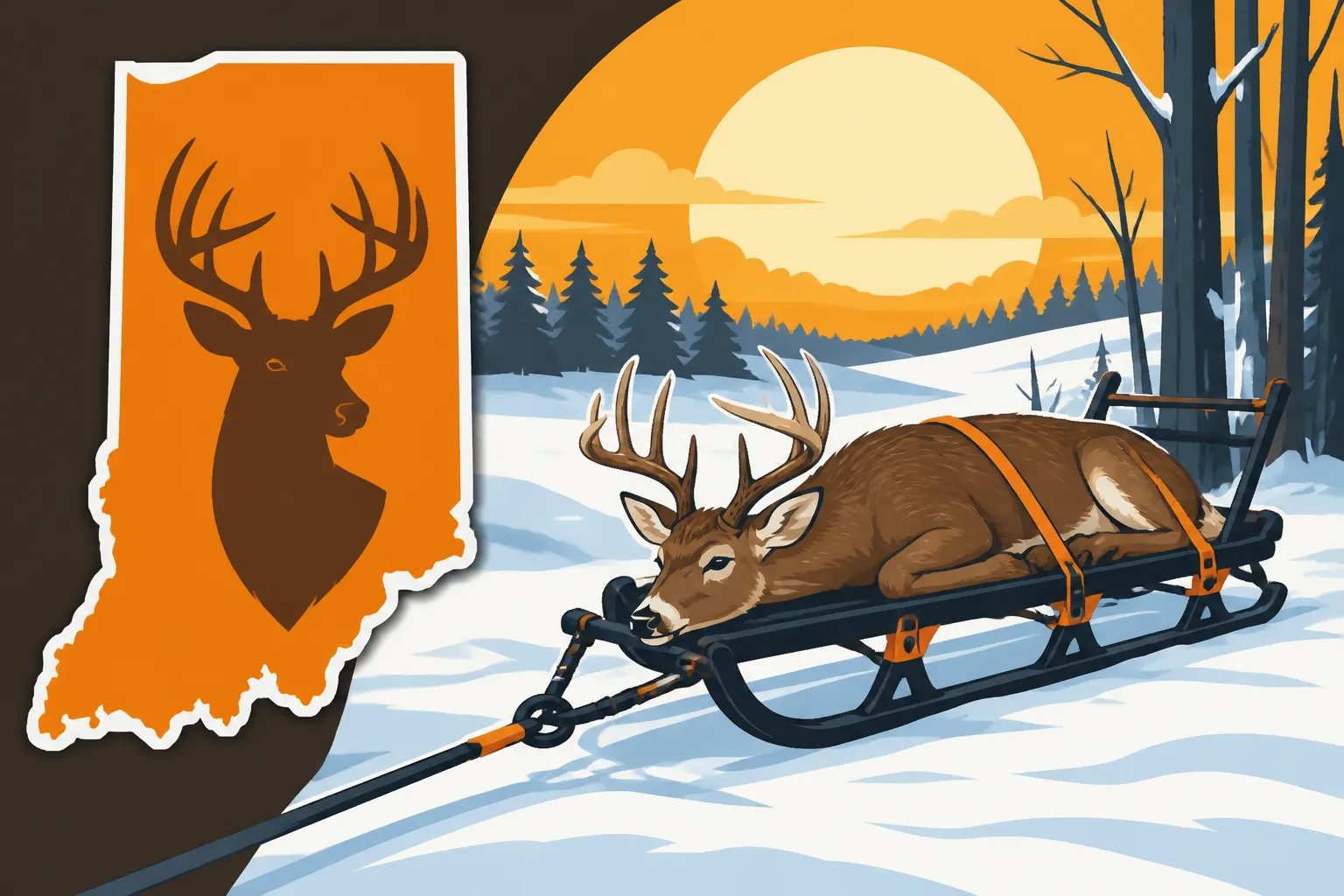
There's nothing quite like the rush of an Indiana late-season deer hunt, the crunch of fresh snow under your boots, and the sight of a magnificent whitetail in your crosshairs. But that adrenaline high can quickly turn into a grueling reality check when you're faced with the monumental task of dragging a heavy deer out of a snowy timber stand or across a frozen field. That's where a deer sled isn't just a convenience; it's an absolute necessity. This guide is here to walk you through everything you need to know about choosing and using deer sleds to make your winter game recovery a whole lot easier and more efficient.
Why Deer Sleds Are a Game Changer in Indiana Snow
Let's be honest, recovering a deer is often the hardest part of the hunt, especially when the ground is blanketed in snow. The idea of dragging a mature buck by yourself through drifts, over fallen logs, and across uneven terrain can zap your energy faster than a January cold front. Deer sleds, however, dramatically reduce the friction and effort required, turning what could be an exhausting, multi-hour ordeal into a manageable task.
The Back-Breaking Reality of Dragging Without One
Imagine this scenario: you've just taken down a beautiful eight-pointer deep in the Hoosier National Forest, a mile or more from the nearest accessible trail. It's a crisp December day, and a fresh six inches of wet, heavy snow fell overnight. You field dress the deer, and then the real work begins. You grab the antlers, lean back, and start pulling. Your boots slip, your back screams, and the deer's hide catches on every twig, rock, and patch of frozen mud. Every few feet, you have to stop, catch your breath, and try to find footing again. The snow piles up in front of the deer's chest, creating a constant resistance that feels like you're pulling a small car.
Without a sled, the deer itself becomes a giant snowplow, digging into the drifts, accumulating more snow, and making forward progress agonizingly slow. This isn't just about being tired; it's about the very real risk of injury, from pulled muscles to strained backs, especially if you're trying to move a large animal by yourself. The physical toll can be so severe that it overshadows the joy of a successful hunt. This is a common frustration for hunters, and it’s one that a simple piece of gear can almost entirely eliminate. For a comprehensive look at late-season strategies, you might want to check out Hunting the Late-Season January Lull.
Protecting Your Hard-Earned Meat and Gear
Beyond the sheer physical effort, dragging a deer directly on the snow or ground can compromise the quality of your venison. As you pull, dirt, leaves, pine needles, and even mud can get scraped into the hide and onto the exposed meat from the field dressing process. If you’re not careful, this can lead to contamination, making the butchering process more tedious and potentially reducing the shelf life or overall cleanliness of your meat. Think about trying to keep a deer clean when dragging it over frozen ruts or through a patchy clear-cut. It’s a battle you’re likely to lose.
A deer sled provides a protective barrier, keeping your animal elevated from the ground and shielded from debris. This is especially crucial if you have a longer haul or if the snow cover is inconsistent, revealing patches of dirt or slush. A good sled keeps the deer contained, reducing the risk of abrasions to the hide and ensuring the meat stays as clean as possible until you get it back to camp for proper cooling and processing. It’s an investment in both your effort and the quality of your harvest. If you're looking for more tips on handling your meat in the field, read Field Dressing a Deer in Cold Weather.
Choosing the Right Deer Sled for Indiana's Winter Wonderland
Selecting the perfect deer sled isn't a "one size fits all" situation, especially with Indiana's varied winter conditions. From light dustings to heavy, wet snow, and from flat agricultural fields to the rugged hills of southern Indiana, you need a sled that can handle whatever the environment throws at it. Thinking through these factors before you buy will save you a lot of grief later on.
Understanding Sled Materials and Their Performance
The material of your deer sled is perhaps the most critical factor influencing its performance. Most deer sleds are made from durable plastics, but there's a difference.
- High-Density Polyethylene (HDPE): These are the most common type of sleds. HDPE is known for its excellent flexibility, impact resistance, and slick surface. It glides incredibly well over snow and can withstand freezing temperatures without becoming brittle. Many popular sleds are made from this. They're often lightweight and easy to manage, making them a solid choice for most Indiana hunters. However, while flexible, prolonged abuse over rough, frozen ground can eventually lead to cracks.
- Thermoformed Polyethylene: This material often results in a stiffer, more rigid sled that holds its shape better, which can be advantageous when you're loading a large animal or if you need to bridge small obstacles like logs or rocks. They tend to be a bit heavier and potentially more expensive but offer superior durability in challenging conditions. The trade-off might be slightly less flex when trying to maneuver through tight timber.
- UHMW (Ultra High Molecular Weight Polyethylene): While less common for standard deer sleds, some premium or heavy-duty utility sleds might use UHMW. This material is incredibly tough, abrasion-resistant, and has a very low coefficient of friction, meaning it glides exceptionally well. If you're frequently hunting in areas with minimal snow cover and lots of abrasive surfaces like frozen dirt or gravel, a UHMW sled would be an excellent, albeit pricier, investment.
When considering materials, think about the typical conditions you hunt in. Are you primarily in flat, open farm fields with consistent snow, or are you navigating rocky, timbered slopes in Brown County? The more rugged your terrain, the more durable your sled needs to be. Sometimes, even basic plastic sleds with reinforcing ribs can offer a great balance of durability and affordability for most Hoosier hunters. When researching specific models, checking reviews, even on platforms like GoHunt, can give you real-world insights into how different materials hold up.
Sizing Up Your Recovery Needs
Deer come in all sizes, and so do sleds. You'll want a sled that's large enough to comfortably accommodate the deer you typically harvest, but not so large that it becomes unwieldy to pull through dense cover or transport in your vehicle.
- Length: Sleds generally range from around 5 to 7 feet in length. For an average Indiana whitetail, a 6-foot sled is usually a good compromise. It allows the deer to lay relatively flat without its head or hindquarters dragging significantly. If you're consistently after mature bucks that can push past 200 pounds dressed, or if you plan to carry extra gear, a 7-foot sled might be more appropriate. A smaller 5-foot sled can work for youth hunters or smaller does, offering easier maneuverability.
- Width: Most sleds are between 24 and 30 inches wide. A wider sled provides more stability and space for the deer, but it can be harder to pull through narrow trails, thick brush, or between closely spaced trees. Consider the typical width of your hunting trails or the density of the cover you often navigate.
- Sides/Depth: Some sleds have low, sloping sides, while others have higher, more pronounced walls. Higher sides offer better containment, preventing the deer from rolling off the sled on uneven ground and keeping snow out. This is a big plus for keeping your deer clean. Low-sided sleds are often lighter and can be easier to load if you're alone, but they offer less protection and containment.
A good rule of thumb is to measure your largest expected deer (from nose to tail with head laid back) and ensure the sled length can handle it with a little room to spare. Also, think about any additional gear you might want to throw on the sled, like your pack, rifle, or extra layers of clothing.
Ergonomics for the Long Haul: Handles and Harnesses
The best sled in the world is useless if you can't comfortably and efficiently pull it. The tow system is paramount.
- Tow Ropes: Most sleds come with a simple rope. While functional, a basic rope can cut into your hands, especially when wet and cold. Consider upgrading to a thicker, braided rope that's easier on the hands, or better yet, one with a comfortable handle built-in. Some ropes are designed to attach to a harness.
- Harness Systems: This is where you can significantly reduce strain. A dedicated harness system, typically worn over your shoulders and around your waist, distributes the pulling force across your core and larger muscle groups, rather than just your arms and back. This allows you to use your legs and body weight to pull, making a huge difference on longer hauls or through deep snow. Look for harnesses with padded shoulders and a sturdy connection point to the sled. Some harness systems come with a rigid tow bar instead of a rope, which can prevent the sled from running up on your heels when going downhill or stopping suddenly.
When assessing handles and harnesses, think about how far you typically drag a deer. For short drags (a few hundred yards), a simple rope might suffice. But for anything over a quarter-mile, especially through challenging terrain or Reading a Ridge for Hoosier Forest Deer, a harness system is a game-changer for preserving your energy and preventing injury. You'll be amazed at the difference it makes when you're trying to move a heavy animal after an all-day sit in bitter cold.
Mastering the Art of Deer Sledding
Getting the right sled is only half the battle; knowing how to use it effectively is the other. There's a bit of an art to navigating snowy terrain with a deer on tow, and a few techniques can significantly lighten your load.
Tackling Different Snow and Terrain Conditions
Indiana's winter weather can be fickle, giving us everything from light, powdery snow to heavy, wet slush, and even frozen crusts. Each type presents its own challenge.
- Powder Snow: This is often the easiest to pull through, as the sled glides smoothly over the top. The main concern here is if the powder is deep; you might still have the deer's body plowing a bit. Keep a steady pace, and use a harness to leverage your body weight.
- Wet, Heavy Snow: This is arguably the toughest. Wet snow creates a lot of friction and can clump up in front of the sled. If you hit wet, heavy snow, try to maintain momentum. If you're alone, you might need to stop more frequently to clear accumulated snow from the front of the sled. Sometimes, pulling from the side at an angle can help break up the snow ahead.
- Crusty Snow: A frozen crust can be a blessing or a curse. If the crust is strong enough to support the sled and deer, you'll glide effortlessly. If it's just strong enough to break and create sharp edges, it can be tough on your sled and create jarring resistance. In these situations, a more rigid sled can sometimes perform better by breaking through the crust rather than getting hung up on it.
- Frozen Ground/Sparse Snow: When snow cover is thin, you'll be dragging over frozen dirt, stubble, and rocks. This is where a very durable sled material like UHMW shines, as it's highly abrasion-resistant. For other sleds, be prepared for more friction and potential wear and tear. You might want to consider putting a tarp or extra layer under the deer on the sled to minimize direct contact with rough ground.
When navigating terrain, always look for the path of least resistance. Follow existing deer trails, log roads, or clearings. Avoid thick brush or areas with lots of downed timber if possible. If you encounter a steep incline, consider using switchbacks if space allows, or enlist a buddy for a combined pull.
Solo Recovery vs. Teamwork with a Sled
While a deer sled vastly improves solo recovery, having a hunting partner makes the task even easier, turning a challenging job into a collaborative effort.
- Solo Hauls: When you're by yourself, a good harness is non-negotiable. Pace yourself, take frequent breaks, and stay hydrated. Use your body weight and legs to pull, leaning forward and taking small, consistent steps. On gentle downhill slopes, be mindful that the sled can pick up speed; if you have a tow bar, it will keep the sled from running into your heels. If you only have a rope, keep it taut. Sometimes, using a heavy-duty rope with a loop you can put over your shoulder or around your chest can free up your hands, allowing you to carry your rifle or use trekking poles for balance.
- Team Efforts: With two or more people, game recovery becomes much more efficient. One person can pull from the front, while another can push from the back or guide the sled from the side. This is particularly effective for heavy deer, steep inclines, or through deep, wet snow. Communicating clearly is key: call out obstacles, coordinate turns, and maintain a steady rhythm. Having a designated leader calling the shots (e.g., "Ready, pull!" or "Slow down!") ensures everyone is working together. This is also a great opportunity to swap out roles to prevent any one person from becoming overly fatigued. You might find some useful collaboration ideas in Deer Drives With Three or Four Hunters.
Field Dressing and Loading for Optimal Transport
Properly preparing your deer before loading it onto the sled can make a world of difference in the ease of transport and cleanliness of your meat.
- Field Dressing: Always field dress your deer immediately after the shot, or as soon as it's safely recovered. This removes internal organs, significantly reducing the weight of the animal and allowing the carcass to cool more rapidly, which is critical for meat quality. For late-season deer, you can leave the hide on for insulation if the temperatures are extremely cold and the drag is long, but still remove the entrails.
- Positioning the Deer: Once field dressed, position the deer on the sled, ideally belly-down or on its side, to prevent snow and debris from entering the body cavity. If your sled has higher sides, ensure the deer is centered to prevent it from tipping. Tuck the head and antlers back against the body to minimize snagging on brush. You can use extra bungee cords or rope to secure the deer to the sled, especially if you anticipate rough terrain or steep descents. This prevents the deer from sliding off and forcing you to reload in the middle of a tough spot.
- Adding Extra Gear: A deer sled isn't just for deer! It's a great platform to carry out your heavy pack, extra layers, or even a portable treestand. Strategically place heavier items near the center of the sled for balance. This not only lightens your personal load but also keeps everything contained and clean during the haul. Before heading out, platforms like GoHunt can be invaluable for reviewing gear recommendations and scouting optimal recovery routes.
| Sled Type | Material (Typical) | Key Advantage | Ideal Indiana Use Case | Considerations |
|---|---|---|---|---|
| Basic Plastic Sled | HDPE | Lightweight, affordable, good glide | Open fields, moderate snow, shorter drags | Less durable over rough terrain, lower sides |
| Utility Sled | Thermoformed PE | More rigid, higher capacity, durable | Mixed terrain, deeper snow, carrying extra gear | Heavier, can be wider, potentially harder to maneuver |
| Premium Heavy-Duty | UHMW | Extreme durability, superior glide | Rocky areas, sparse snow, frequent heavy use, very long drags | Higher cost, often heavier, can be overkill for some hunts |
Keeping Your Sled Ready for the Next Snowfall
Your deer sled is a workhorse, and like any valuable piece of hunting gear, it needs a little TLC to ensure it's ready for action when the next big Indiana snow rolls in. Proper maintenance not only extends its life but also guarantees it performs optimally when you need it most.
Cleaning and Storage Tips
After a successful hunt, your sled will likely be covered in deer hair, blood, mud, and snow. Taking a few minutes to clean it thoroughly is important for hygiene and longevity.
- Immediate Rinse: As soon as you get home, if temperatures allow, give the sled a good rinse with a hose. This will remove most of the loose debris and prevent blood from drying and setting. In freezing temperatures, you might need to scrape off excess snow and ice before bringing it inside to thaw slightly.
- Thorough Cleaning: Use warm, soapy water and a stiff brush to scrub down the entire surface, paying close attention to any bloodstains or caked-on mud. You can use a mild disinfectant if you prefer, especially if you're concerned about bacteria. Ensure all organic matter is removed, as it can attract pests or harbor odors.
- Drying: Allow the sled to air dry completely before storing it. Hanging it or propping it on its side can facilitate quicker drying and prevent mildew or unpleasant smells.
- Storage: Store your sled in a cool, dry place away from direct sunlight. While plastics are durable, prolonged exposure to UV rays can degrade the material over time, making it brittle. Storing it flat or hanging it can also prevent warping. An unheated garage, shed, or basement corner works perfectly. Don't stack heavy items on top of it, especially if it's a more flexible plastic sled, as this can cause permanent deformation.
Taking care of your sled after each use ensures it's clean and ready for immediate deployment the next time you connect with a deer. You don't want to be fumbling with a dirty, warped sled when the snow is falling and that prime Hunting a Green Field Planted for Deer opportunity arises.
Repairing Common Wear and Tear
Even the most robust deer sleds can experience wear and tear, especially with repeated use over rough Indiana terrain. Knowing how to perform simple repairs can save you from having to buy a new one prematurely.
- Scratches and Gouges: Minor scratches are normal and usually don't affect performance. For deeper gouges, especially if they create significant drag, you can sometimes smooth them out with sandpaper (starting with coarse, then fine-grit) or even a heat gun (carefully, at a low setting) to melt and smooth the plastic. Be extremely cautious with heat guns to avoid melting through the material.
- Cracks: Small cracks can sometimes be repaired using plastic repair kits or specialized plastic welding techniques. These kits usually involve an epoxy or a similar bonding agent designed for polyethylene. For larger cracks, especially those that compromise the structural integrity, a more involved repair or replacement might be necessary. Some hunters also use heavy-duty duct tape or marine-grade adhesive patches as temporary fixes in the field.
- Tow Rope/Harness Damage: Inspect your tow rope or harness regularly for fraying, tears, or weakened attachment points. Ropes are easy to replace; simply thread a new, strong rope through the existing holes. If a harness strap is torn, it might be repairable with heavy-duty stitching, or you might need to replace the entire harness system for safety. Never compromise on the tow system, as a failure during a drag can lead to frustration and potential injury.
Regularly inspecting your sled, especially before and after the season, allows you to catch minor issues before they become major problems. A well-maintained deer sled is a reliable hunting companion that will serve you faithfully for many seasons, making those cold, snowy Indiana deer recoveries a little less daunting and a lot more enjoyable. It’s the kind of essential gear that often gets overlooked until you really need it, like after a long sit waiting for deer in Cold-Weather Sitting Strategy in Indiana.
Disclaimer
This article is for general informational purposes only and does not constitute professional advice. Laws, prices and regulations vary by location and change over time. Consult a qualified professional for guidance on your specific situation.