Layout Blind Hunting Indiana Farm Fields
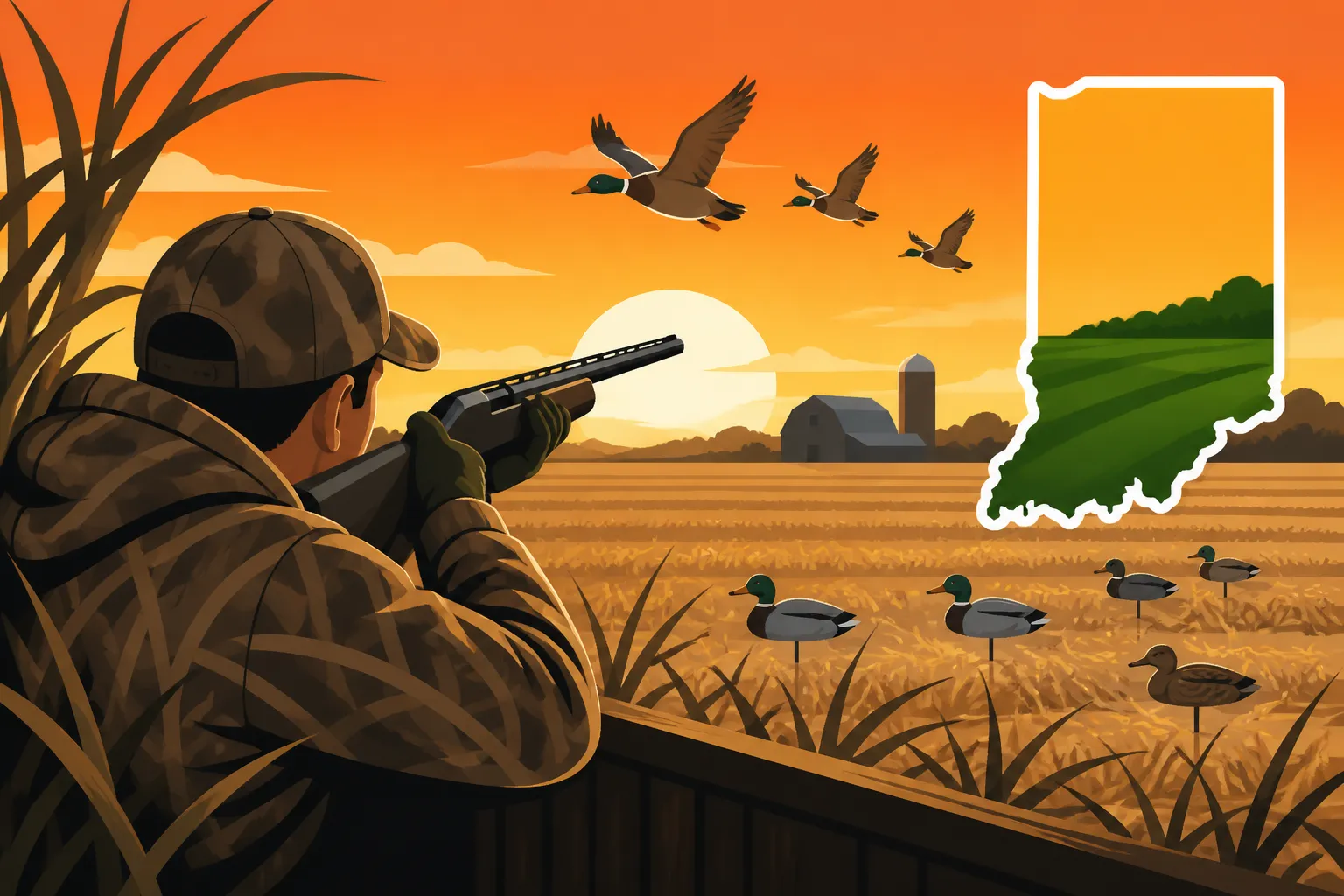
Hunting ducks and geese in wide-open Indiana farm fields can be an incredibly rewarding experience, but let's be honest, it's also one of the most frustrating challenges a waterfowler can face. These birds are sharp, they've seen it all, and they rarely make mistakes when they feel exposed. This guide is all about tackling that challenge head-on, delving deep into the art and science of layout blind hunting so you can consistently bring those wary honkers and mallards into your spread.
Understanding the Farm Field Waterfowl Challenge
Indiana's agricultural landscape, with its vast corn and soybean fields, offers prime feeding grounds for migrating waterfowl. However, these open environments present a unique set of challenges that traditional hunting methods often fail to overcome. It's not like hiding in a timber hole or camouflaged along a river bank; you're often exposed to the full view of incoming birds.
The Wary Nature of Field Birds
Anyone who's spent time chasing ducks and geese in Indiana knows these birds get educated fast. By the time they hit our state, they've often flown through multiple states, dodged countless decoy spreads, and developed an uncanny ability to spot anything out of place. This wariness is amplified in farm fields, where there's little natural cover. A Canada goose, for instance, can pick out a hunter's silhouette from incredible distances, especially against the flat backdrop of a harvested field or a subtly rolling rise. They're constantly scanning, looking for danger, and any unnatural lump or shiny spot can send them veering off course long before they're within shooting range.
Why Traditional Blinds Fail in Open Terrain
While stationary box blinds or even pop-up ground blinds might work in certain scenarios, they often stick out like a sore thumb in a large, flat farm field. Imagine a green or brown box sitting in a golden stubble field – it's an immediate red flag for circling geese. The key to successful field hunting isn't just about being hidden; it's about being invisible, completely disappearing into the landscape. Layout blinds are specifically designed to accomplish this by allowing the hunter to lie flat on the ground, minimizing their profile to almost nothing. Without this low profile, even the most meticulously brushed-in standing blind struggles to fool high-flying waterfowl that have a bird's-eye view of your setup. This is particularly true during late season when fields are bare and birds are at their absolute wariest.
Reading the Landscape: Food and Water
The first step to successful layout blind hunting is understanding why birds are using a particular field. It almost always comes down to food and, sometimes, residual water. Geese especially love waste grain like corn or soybeans left over after harvest. Ducks, while often preferring water, will also feed in flooded fields or even dry fields if the pickings are good. Identifying these preferred feeding areas is crucial. Look for droppings, disturbed stubble, or actual birds actively feeding. Beyond just food, consider where the birds are coming from and going to – their flight paths between roosting sites (often larger lakes or rivers like the Wabash River or the Kankakee River marshes) and feeding areas. Understanding these patterns, often observed by scouting at dawn and dusk, will tell you not only where to hunt but also when to expect birds and from what direction.
Choosing the Right Layout Blind for Indiana Conditions
Selecting the right layout blind is more than just picking a color; it's about matching your gear to the environment, the weather, and your personal hunting style. Indiana's diverse agricultural landscape, from flat northern fields to rolling southern terrain, demands versatility.
Types of Layout Blinds and Their Features
There's a layout blind for almost every preference, each with distinct features. Full-frame blinds, like those from Avery Outdoors or Final Approach, offer robust protection from the elements, a comfortable backrest, and ample storage for shells and calls. They are generally heavier but excel in cold, wet conditions, keeping you off the freezing ground. Low-profile blinds, sometimes called "coffin" blinds, prioritize ultimate concealment. They sit incredibly flat, making them harder for birds to spot, but often sacrifice some comfort and storage space. Sled-style blinds, often made of durable plastic, are excellent for easy transport across muddy fields and can be quickly brushed in. Then there are hybrid designs that try to blend the best of both worlds. The choice often comes down to balancing portability, comfort, and concealment, weighing what's most important for your typical Indiana hunt.
Camouflage and Concealment: Matching the Field
The wrong camouflage pattern on your layout blind is a dead giveaway. In Indiana, corn stubble is king for waterfowl, so patterns that mimic dry cornstalks, cut soybeans, or even general agriculture are your best bet. Brands like Rogers Sporting Goods offer blinds in various patterns. It's not enough to just have a brown blind in a brown field; you need texture and pattern breaks. Many blinds come with stubble straps or pockets, allowing you to quickly weave in natural vegetation from the field you're hunting. This "brushing in" is non-negotiable and transforms your blind from a foreign object into part of the natural environment. Think about the dominant color and texture of the field – is it golden corn, dark brown soil, or green winter wheat? Your blind needs to disappear, not just blend.
Comfort and Durability for Long Hours
Indiana weather can be unpredictable, swinging from mild fall days to bitter cold, wet winter mornings. A good layout blind needs to hold up to the abuse. Look for durable, waterproof fabrics that will keep you dry through sleet and snow. Padded headrests and back supports are crucial for comfort during long waits, especially for those all-day sits in December. Nobody wants to be shivering, sore, or soaking wet a couple of hours into a hunt. Features like padded shoulder straps or a backpack system can also make a huge difference if you're packing your blind any significant distance into a remote field. Remember, if you're uncomfortable, you're more likely to fidget, and fidgeting means busted birds.
Here's a quick comparison of common layout blind types:
| Blind Type | Pros | Cons | Best Use in Indiana Fields |
|---|---|---|---|
| Full Frame | Maximum comfort, robust, weather-proof | Heavier, larger profile | Cold, wet weather; long sits; when maximum gear is needed |
| Low Profile | Excellent concealment, lightweight | Less comfortable, minimal storage | Wary birds; short hunts; when ultimate stealth is key |
| Sled Style | Easy transport in mud, quick setup | Can be bulky, less internal comfort | Muddy fields; quick setup/takedown; moving spreads frequently |
| Hybrid Designs | Balances comfort and concealment | Can be a compromise on both fronts | General all-around use; adaptable to varied conditions |
Scouting and Field Selection for Success
Without thorough scouting, layout blind hunting in Indiana farm fields is just an expensive way to watch the sunrise. You're trying to intercept birds in a vast landscape, and knowing exactly where they want to be is paramount.
Identifying Key Feeding Areas and Flight Paths
The most critical part of scouting is pinpointing where the birds are actually feeding. This usually means driving country roads at dawn or dusk, spotting flights of birds descending into fields. Don't just look for birds in the air; watch where they land. Once you've found a field with active feeding, look for the "X" – the specific part of the field where they're concentrated. This might be a subtle rise, a patch of particular waste grain, or even a low spot where water has pooled. Evidence like abundant droppings, tracks, and disturbed ground will confirm recent feeding activity. Pay attention to how the birds approach and leave the field; these are your flight paths, and knowing them will help you position your decoy spread and blinds. This kind of detailed reconnaissance will drastically increase your odds compared to simply picking a random field.
Utilizing Technology for E-Scouting
In today's world, technology gives us a huge advantage in scouting. Satellite imagery and mapping apps like GoHunt can be invaluable. Before you even set foot in a field, you can analyze aerial photos to identify potential roosting areas, major water sources, and common flight corridors. You can trace power lines, tree lines, and elevation changes that birds might use as navigational aids. Apps can also show you property lines and landowner information, which is critical for securing permission. While nothing replaces boots on the ground, e-scouting helps narrow down your search, saving precious time and fuel. You can mark potential "X" spots, entry routes, and even plan your blind and decoy placements long before opening day. This digital reconnaissance is a crucial first step in any modern waterfowl hunt in Indiana.
Gaining Permission and Managing Access
This is often the trickiest part of farm field hunting in Indiana. Most prime feeding fields are on private land. Respectfully asking for permission from landowners is not just common courtesy, it's the law. Start by identifying the landowner using plat maps or apps like GoHunt. Approach them directly, preferably not while they're busy farming, and clearly state your intentions. Offer to share game or help with chores. Be prepared for rejection, but persistent and polite requests can often pay off. If you do get permission, treat their land with the utmost respect: close gates, don't damage crops, pack out all your trash, and drive only on designated paths. Building a good relationship with a landowner can secure you hunting access for years to come. Remember, public land opportunities for field hunting are rare, but places like some sections of J.E. Roush Fish and Wildlife Area might offer possibilities, though they often see heavy pressure.
Decoy Spreads and Calling Strategies for Field Hunts
Once you've found your field and chosen your blinds, the next step is to convince those wary birds that your spread is the real deal. This involves mastering the art of decoy placement and calling.
Realistic Spreads for Ducks and Geese
The goal of your decoy spread is to mimic a contented, feeding flock. For geese, this often means deploying a large number of full-body decoys or silhouettes. Spread them out, giving the impression of birds grazing naturally. Create a "landing zone" or "kill hole" directly in front of your blinds where you want the birds to commit. Avoid putting decoys too close to your blinds, as incoming birds will focus on the decoys and potentially spot your hidden position. When hunting ducks in a field, focus on species-specific decoys like mallards, pintails, or black ducks, often mixed with some goose decoys if both species are using the field. A common strategy is to create a "U" or "J" shape with your decoys, with the open end facing the direction you expect birds to approach, funneling them right into your landing zone. For details on mixed bag strategies, our guide on Waterfowl Hunting the Kankakee Marshes offers some insights that can be adapted to field settings.
Adjusting Spreads for Wind and Bird Behavior
The wind is your best friend and worst enemy in waterfowl hunting. Birds almost always land and take off into the wind. This means your landing zone should be directly downwind from your blinds, ensuring that approaching birds turn into the wind and present easy shots as they hover over your target area. Always set your blinds with the prevailing wind in mind. If the wind shifts, you may need to adjust your entire spread. Also, pay attention to how actual birds are landing and behaving. Are they circling wide? Are they landing short? Are they bypassing a certain part of your spread? These observations should prompt you to make real-time adjustments. Sometimes, moving a few decoys or adding a flag is all it takes to turn a slow morning into a successful one. Don't be afraid to experiment, especially if the birds aren't cooperating.
Effective Calling Sequences and Timing
Calling is an art form, not just noise. For geese, a mix of greeting calls, clucks, and moans can draw attention. As they get closer, soften your calls, simulating contented feeding birds. Avoid over-calling, especially to incoming birds that are already committed. For ducks, a soft quack, chuckle, and feed call can be incredibly effective. The key is to match the intensity and volume of your calls to the birds' distance and behavior. Too loud when they're close, and you'll spook them. Too soft when they're far, and they won't hear you. Electronic calls are legal in Indiana for waterfowl, but many purists prefer the challenge and satisfaction of mouth calls. Knowing when to call, and more importantly, when to be silent, is a skill honed through experience. Mastering early season tactics often involves more aggressive calling, while late season birds demand a much more subtle approach, as detailed in our guide on Early Goose Season Tactics in Indiana.
Setting Up Your Layout Blind for Maximum Concealment
The effectiveness of a layout blind hinges entirely on how well it's concealed. A poorly brushed-in blind is just a horizontal version of a box blind, and it will get you busted every time.
Brushing In for a Seamless Look
This step cannot be overstated: you must meticulously brush in your blind. Before setting up, gather local vegetation like corn stalks, wheat stubble, or even dried grasses that match the surrounding field. Begin by attaching these materials to the stubble straps or loops on your blind, making sure to break up the hard outlines. Layer the vegetation, mimicking the natural density of the field. Crucially, don't just cover the blind; integrate it into the ground around it. This means pulling stubble over the edges of the blind itself, so it looks like a natural, elevated patch of the field. The goal is to make your blind disappear completely, even from directly overhead. Take a few steps back, climb on your truck, or even use a drone if you have one, to inspect your setup from a bird's-eye perspective. If you can spot your blind, a goose certainly can.
Facing the Sun and Hiding Movement
When positioning your blinds, always try to face them towards the sun, or at least have the sun at your back. This creates a silhouette effect for the incoming birds, making it harder for them to see movement or detect the blinds against the bright sky. If the sun isn't a factor, consider placing the blinds where shadows from nearby tree lines or field edges might offer additional concealment. Movement is the ultimate killer of good concealment. Practice getting in and out of your blind smoothly. Avoid sudden movements, and only peek out when absolutely necessary. Keep your face obscured with a facemask or paint, and wear gloves to hide exposed skin. Even a slight glint from a watch or a reflection from a pair of glasses can send birds flaring.
Dealing with Uneven Terrain and Mud
Indiana farm fields aren't always billiard table flat. You'll encounter subtle dips, rises, and often, plenty of mud, especially after a good rain. Use these natural contours to your advantage. A slight rise can help break up your silhouette, while a shallow depression can allow your blind to sit even lower. However, uneven terrain can also make blinds uncomfortable or create gaps in your concealment. Pack extra stubble to fill these gaps. For muddy conditions, consider a sled-style blind that handles muck better, or bring a small tarp to place under your blind to keep it cleaner. Be prepared to get dirty – it's part of hunting in these environments. Ensure your blind is anchored well, especially in windy conditions, as a flapping blind will quickly give away your position. Don't forget, if you're hunting during Hunting the Rut in Early November for deer, your waterfowl endeavors will be taking place in similar conditions.
Hunting Tactics and Shot Placement from a Layout Blind
The moment of truth arrives when those cupped wings start to drop into your spread. Executing effectively from a layout blind requires patience, precise timing, and ethical shooting.
The Art of the Sit: Patience and Awareness
Waiting patiently in a layout blind can be a test of mental fortitude. Hours can pass without a single bird in range. During these lulls, stay vigilant. Scan the sky constantly, not just for birds directly overhead, but for distant specks that might turn into an incoming flock. Use your binoculars for far-off birds – sometimes a distant flock can be lured in with the right combination of calling and flagging. Communicate silently with your hunting partners, using hand signals or pre-arranged cues to indicate incoming birds or readiness to shoot. Staying still, quiet, and aware of your surroundings are paramount. It's often the hunters who get bored and start fidgeting who blow the best opportunities.
Calling the Shot and Rising Up Smoothly
The "call the shot" moment is critical for safety and success. The designated caller or leader should decide when the birds are in range and committed, then yell "Take 'em!" or a similar command. Everyone should rise up in unison, swiftly but smoothly. A jerky movement can still spook birds even at close range. Practice this motion at home without birds so it becomes second nature. Getting caught off guard, or fumbling with your gun as you rise, can lead to missed shots. You want to be up, gun mounted, and swinging on a bird almost as one fluid motion. This synchronized move helps ensure all hunters are engaging birds at the optimal distance, maximizing the chances of a clean harvest.
Ethical Shot Placement for Clean Kills
Once you're up, pick a single bird, ideally one that is committed and within ethical shooting range (typically 30-40 yards for most setups). Aim for the head and neck, or the front of the body, where vital organs are located. Avoid shooting into the "flock" as this often results in wounded birds that fly off. Follow through on your shot. If a bird is wounded, prioritize finishing it off quickly and humanely. Retrieve downed birds immediately to prevent loss, especially in thick stubble. Knowing Indiana Duck and Goose Bag Limits is also crucial, so you don't overharvest. Ethical shot placement isn't just about bagging birds; it's about respecting the game and ensuring a quick, clean kill every time. Our guide on Waterfowl Loads for Kankakee Divers provides insights into ammunition choices that can contribute to clean kills.
Disclaimer
Hunting is an inherently dangerous activity. Always prioritize safety, understand and follow all Indiana hunting regulations, and ensure you have proper training and licensing. This guide is for informational purposes only and does not substitute professional guidance or official DNR regulations. Be aware of your surroundings and hunt responsibly.