Hunting Deer After a January Cold Front
Oh, January. The holidays are over, the excitement of the rut is a distant memory, and it feels like the deer have just… vanished. You've been out there in the biting cold, maybe seen a few tracks, but the woods feel empty, and those big bucks that were cruising just weeks ago seem to be ghosts. It's a frustrating time for many Indiana hunters, but I'm here to tell you that a well-timed cold front in January can actually breathe new life into your late-season deer hunting efforts. This guide will walk you through how to capitalize on those frigid shifts in weather and what to expect when the mercury truly plummets.
Understanding Late-Season Deer Behavior in January
By the time January rolls around in Indiana, deer have been through a lot. The peak of the rut, the hustle and bustle of firearms season, and the constant pressure from hunters across our state mean deer are often worn down, wary, and focused intensely on survival. Understanding these core behaviors is crucial before you even think about how a cold front might change things.
The Post-Rut Reality for Indiana Deer
Forget the crazy chases and the scrapes and rubs that marked November. By January, those high-energy antics are long gone. Bucks are no longer actively seeking does. Instead, they're exhausted, having burned through a tremendous amount of energy during the breeding season. Their primary objective shifts completely to regaining lost body weight and conserving every calorie they can. This means they're usually moving much less, and when they do move, it's typically with a very clear purpose: to find food, water, or cover. They're not going to waste energy on frivolous activity, especially not when the weather turns truly nasty.
Food, Cover, and Energy Conservation
Deer in January are creatures of routine, driven by their basic needs. Food is king, as their bodies desperately try to recover and build reserves for the remainder of winter. They're looking for the most calorie-dense, accessible food sources available. This might be remaining standing crops like corn or soybeans, brassica food plots, or even persistent browse in heavy cover. Alongside food, thermal cover becomes incredibly important. This could be a thick cedar grove, a south-facing slope that catches the meager winter sun, or dense brush where they can bed down out of the wind. They'll minimize movement between these crucial areas to conserve energy, especially if snow cover makes travel more difficult.
The Impact of Constant Hunting Pressure
Let's be real: Indiana deer, especially those on public land or heavily hunted private ground, have seen it all by January. They've dodged arrows, outsmarted slug guns, and probably had a few close calls during muzzleloader season. This makes them incredibly wary. They're often nocturnal, moving only under the cover of darkness, or sticking to the thickest, nastiest cover during daylight hours. Finding an unpressured deer is a huge challenge, and they'll quickly adapt to avoid human scent and noise. This is where a cold front can sometimes work in your favor – it can temporarily override some of this learned wariness by forcing them to prioritize basic needs.
The Impact of a January Cold Front
While the late season can be tough, a significant cold front rolling through Indiana in January often acts like a reset button. It can shake deer out of their lethargic patterns and create windows of opportunity you won't see otherwise. This isn't just about dropping temperatures; it's about the physiological response deer have to abrupt changes in weather.
Why Cold Fronts Stir Things Up for Deer
Imagine being a deer in January. You're cold, you're hungry, and you're trying to conserve energy. Then, a massive cold front hits, dropping temperatures even further, often bringing with it a fresh blanket of snow or strong winds. This isn't just uncomfortable; it's a threat to survival. The deer's metabolic rate increases to combat the cold, meaning they burn more calories just to stay warm.
What does this mean for us hunters? It means they have to eat. Period. The need for calories becomes paramount, often overriding their natural caution for a short window. They'll be driven to hit available food sources harder and often earlier in the day, especially before the absolute worst of the cold front arrives, and then again shortly after it passes. The colder it gets, the more urgent that need for fuel becomes, making them more predictable in their movements towards calorie-rich forage. This is often the best time for Hunting Deer After a January Cold Front.
Timing Your Hunt with the Weather
Timing is everything when a cold front is on the horizon. Don't wait until the deep freeze has set in for days. The most productive hunting often occurs in two distinct windows:
- Just Before the Front: As the weather starts to shift and drop, but before the most intense cold arrives, deer often sense the coming change. They'll feed heavily to stock up on energy. If you can get out there the day before or even the morning the front is due to hit, you might catch them moving more freely.
- Immediately After the Front Passes: This is often the golden window. Once the initial fury of the cold front (strong winds, heavy snow) has passed, and the bitter cold settles in, deer must move to feed. They've likely been bedded down, riding out the storm, and are now ravenous. The first 1-3 days after the truly bitter cold settles, especially if the sun comes out, can be phenomenal. Look for that first bluebird day after a deep freeze – it's prime time for deer to hit food sources. This often requires a solid Cold-Weather Sitting Strategy in Indiana.
Observing Post-Front Deer Patterns
When that cold front rolls through, you'll notice a few shifts in deer behavior. Their movements will become even more calculated and direct. They'll likely emerge from their bedding areas later in the morning or earlier in the afternoon, maximizing daylight for feeding but still avoiding the most extreme temperatures. You'll see fewer "browsing and meandering" deer and more "head down, eating with purpose" deer. Pay close attention to tracks in fresh snow – they'll tell you exactly where deer are concentrating their efforts. A good scouting app like GoHunt can help you identify potential food sources and thermal cover that deer will flock to.
Key Strategies for Hunting Post-Cold Front Deer
Capitalizing on a January cold front requires a shift in tactics from earlier seasons. You need to be hyper-focused on the deer's immediate needs and willing to endure the elements yourself.
Focus on Prime Food Sources
In January, deer aren't picky when it comes to what they eat, as long as it provides maximum calories. This means you need to identify and key in on the best available late-season food sources in your hunting area.
- Standing Grain Fields: Unharvested corn or soybean fields are absolute magnets. These provide both crucial calories and often excellent cover from wind and snow. Deer will literally live in these fields. Hunting a Standing Soybean Field can be incredibly productive.
- Brassicas and Winter Food Plots: If you have access to land with dedicated food plots, those planted with brassicas, winter wheat, or oats can be huge draws. These plants remain palatable and nutritious even under snow cover.
- Hard Mast Residue: While most acorns and nuts are gone, deer will still paw through snow or leaf litter for any forgotten morsels. Oak and hickory ridges can still see activity, especially if there's good thermal cover nearby.
- Browse: Don't underestimate woody browse. Deer will nibble on twigs, buds, and saplings. Look for areas with young growth, clear-cuts, or natural regeneration.
Your best bet is to scout aggressively to find the freshest sign around these food sources. Look for trails leading directly from thick bedding cover to the edge of a standing cornfield or a winter food plot.
Thermal Cover and South-Facing Slopes
When temperatures plummet, deer prioritize staying warm. This means they'll seek out the densest thermal cover available.
- Cedar Thickets and Conifer Groves: These provide excellent protection from wind and snow, trapping warmth. Deer will bed in these areas and often stage nearby before moving to food.
- South-Facing Slopes: Even a little bit of winter sun can make a big difference. Deer will often bed on south-facing slopes or benches to soak up any available warmth, especially on those first sunny days after a cold front.
- River Bottoms and Swamps: Dense brush in river bottoms or swamps can offer surprising thermal protection, as well as being natural travel corridors. Just be ready for mud if you're Hunting the Wabash River Bottoms.
When scouting, look for evidence of bedding in these areas – fresh beds, droppings, and well-used trails leading out of them. A good strategy is to set up between these bedding areas and prime food sources.
Strategic Stand Placement and Entry/Exit
January deer are on high alert, so your approach and setup are more critical than ever.
- Minimize Intrusion: This means having a clear, quiet entry and exit route that doesn't alert deer in their bedding or feeding areas. Use topographical features like creek bottoms or ditches, or approach under the cover of darkness.
- Wind is Paramount: In cold weather, swirling winds can be a nightmare. Always play the wind. Even a slight thermal shift can carry your scent. Use apps like GoHunt to predict wind direction throughout the day.
- Perimeter Hunting: Instead of pushing into thick cover, consider hunting the edges of dense bedding areas or the perimeters of food plots. Deer will often stage just inside the tree line before committing to an open field, giving you a shot without busting them out of their beds.
- Consider Ground Blinds: A well-brushed-in ground blind can offer crucial warmth and concealment in bitter cold, allowing you to stay longer and remain undetected. This is especially useful if you're trying Using a Ground Blind on Indiana Public Land. Just make sure it's set up well in advance to allow deer to get used to it.
Remember, deer are moving less in January. If you bump them, they might just lie tight and not move again for hours, if not until dark. Your first sit in a spot after a cold front is often your best.
Gear and Preparation for Extreme Cold
Hunting after a January cold front isn't for the faint of heart. The conditions can be brutal, and being unprepared means a short, miserable hunt. Proper gear isn't a luxury; it's a necessity for safety and success.
Layering for Indiana's Winter
The key to staying warm is a proper layering system that allows you to manage moisture and adapt to changing activity levels.
- Base Layer: Start with a moisture-wicking base layer. Merino wool or synthetic materials are far superior to cotton, which holds moisture and chills you. Look for mid-to-heavyweight options.
- Mid-Layers: Add insulating mid-layers like fleece or puffy jackets. These trap warm air close to your body. Think about vests or jackets that can be easily added or removed.
- Outer Layer: Your outer layer needs to be windproof, waterproof, and insulated. This is your shield against the elements. A quality parka and insulated bibs are essential. Brands like Sitka Gear or First Lite offer excellent systems designed for cold weather hunting, but even more budget-friendly options can work if you layer correctly.
- Extremities: Don't forget your head, hands, and feet. A warm hat (or two), a neck gaiter or balaclava, and heavily insulated gloves or mittens are critical. For your feet, high-quality, insulated, waterproof boots are non-negotiable. Many hunters swear by Insulated Boots for All-Day Sits.
A good rule of thumb is to layer up so you're slightly cool when walking to your stand, then add layers once you're settled to prevent sweating. Sweating in cold weather is a quick way to get dangerously cold.
Keeping Warm and Staying Put
Sitting still for hours in freezing temperatures requires more than just good clothing.
- Heated Gear: Hand warmers, toe warmers, and even rechargeable heated vests or seat pads can make a world of difference. Place hand warmers in your pockets or inside your mittens.
- Insulated Seat Pad: Even if your stand has a seat, an extra insulated pad will help block cold transferring from the metal or plastic.
- Hot Beverages: A thermos full of coffee, tea, or hot chocolate can provide both internal warmth and a mental boost.
- Movement: While you want to minimize large movements, gentle wiggling of fingers and toes can help promote circulation. Just remember to do it slowly and quietly.
- Nutrition: Bring calorie-dense snacks like nuts, trail mix, or energy bars. Your body needs fuel to generate heat.
The goal is to be comfortable enough to stay on stand for at least 3-4 hours, ideally longer, especially during those prime mid-day feeding windows after a cold front.
Essential Gear for a January Hunt
Beyond clothing, a few other items are crucial for safety and success in the deep cold.
- Quality Optics: In low light conditions of early morning and late evening, and with shorter daylight hours, good binoculars and a reliable scope are vital. You need to be able to identify your target clearly.
- Tracking Aids: If you make a shot, tracking in fresh snow can be easier, but a good headlamp is still necessary, especially if you're blood trailing after dark in Indiana.
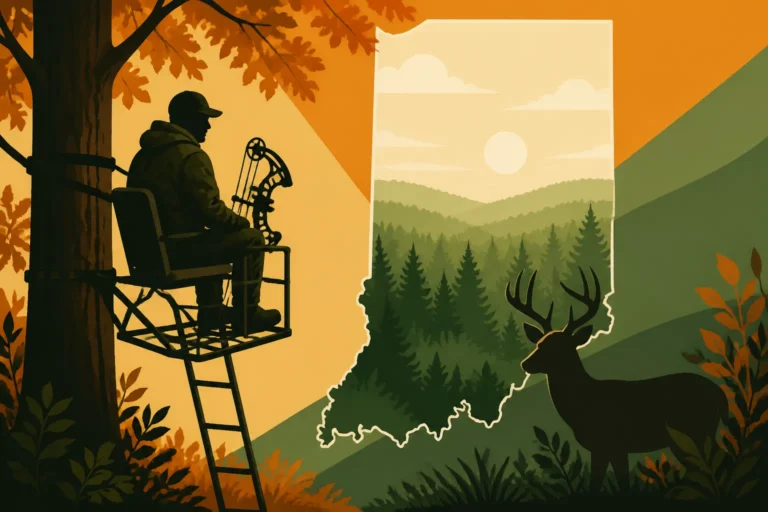
- Safety Harness: Always wear a full-body safety harness when hunting from a treestand, regardless of the weather. The last thing you need is an accident in sub-freezing temperatures.
- Communication: A fully charged cell phone (keep it in an inside pocket to preserve battery) or even a two-way radio if hunting with others can be a lifesaver.
- Deer Sled or Cart: If you're lucky enough to down a deer, getting it out of the woods through snow can be incredibly difficult. A deer sled can make the drag much easier, especially if you're on public land like the Hoosier National Forest.
- Navigational Tools: Even if you think you know the area, a GPS unit or a reliable mapping app like GoHunt (with offline maps downloaded!) is essential, especially with potentially obscured trails and shorter daylight hours. Scouting With the Indiana DNR App is a great way to mark points of interest.
- First Aid Kit: Always carry a basic first aid kit. Slips and falls are more common on icy or snowy terrain.
By combining the right knowledge of deer behavior with meticulous preparation and appropriate gear, hunting after a January cold front in Indiana can be one of the most rewarding challenges of the entire season. Don't let the bitter cold scare you away; it might just be the ticket to filling that late-season tag!
Disclaimer
Hunting is an inherently dangerous activity. Always prioritize safety, follow all Indiana Department of Natural Resources regulations, and obtain proper licenses and permits before heading afield. The information provided here is for educational purposes and should not replace professional guidance or local regulations.