Which Six Counties Sit in Indiana’s CWD Positive Area
For Indiana deer hunters, few topics stir as much anxiety and uncertainty as Chronic Wasting Disease (CWD). The fear of this relentless, always-fatal neurological illness spreading through our cherished Hoosier whitetails is a heavy burden, and understanding where it has been found and what that means for your hunt can feel like navigating a dense fog. This comprehensive guide aims to cut through that fog, detailing the six Indiana counties designated within the CWD management and surveillance areas, explaining the critical regulations, and empowering you with the knowledge to continue hunting safely and responsibly.
Understanding Indiana's CWD Positive Area
When we talk about Indiana's CWD positive area, we're really discussing the regions where CWD has been detected in wild deer, leading to specific, enhanced management strategies by the Indiana Department of Natural Resources (DNR). It's not just an abstract line on a map; it represents a concentrated effort to monitor, contain, and understand this disease within our deer herd. The goal is to protect the health of our deer and the tradition of hunting for future generations, even as the challenge of CWD looms large.
What Exactly is Chronic Wasting Disease?
Chronic Wasting Disease is a transmissible spongiform encephalopathy (TSE) that affects cervids, which include deer, elk, and moose. Think of it as a neurological illness that slowly, tragically, degrades the brain and nervous system of the animal. It's caused by abnormal proteins called prions, which accumulate in the brain and other tissues. These prions are incredibly resistant to environmental factors, meaning they can persist in soil, plants, and even water for years, making CWD a particularly stubborn adversary.
The disease manifests slowly, often over several months or even years, during which an infected deer may appear perfectly healthy. Symptoms, when they do appear, are heartbreaking to witness: drastic weight loss (hence "wasting"), stumbling, drooling, excessive thirst and urination, and a general lack of fear toward humans. Eventually, all infected animals will die. While there's no evidence CWD can be transmitted to humans, the Centers for Disease Control and Prevention (CDC) and other health organizations recommend against consuming meat from CWD-positive animals as a precaution. This is why knowing the status of your hunting area and getting your deer tested, especially in designated zones, is so important.
Why We Have a Designated "Positive Area"
The designation of a "CWD positive area" or "CWD management zone" isn't a random decision; it's a strategic response by the DNR to detected cases. When a CWD-positive deer is confirmed in a specific location, it triggers a cascade of actions. The DNR defines boundaries around that detection to implement heightened surveillance and management protocols, aiming to limit the disease's spread. This could involve increased testing requirements for harvested deer, specific carcass movement restrictions, and even special deer reduction zone permits to manage deer density, which can play a role in disease transmission.
The objective is multifaceted: to understand the prevalence and geographic extent of the disease, to reduce the risk of further spread, and to gather crucial data that informs long-term management strategies. For Indiana hunters, this means adapting to new rules, but it's a necessary step to protect our deer herd and ensure sustainable hunting opportunities. It’s an acknowledgment that this isn't just a localized problem; it requires a coordinated, regional effort where every hunter's participation truly makes a difference.
The Six Counties: Defining the CWD Hot Zone
When we discuss the "six counties" in Indiana's CWD affected areas, it's important to understand the nuance. The Indiana DNR designates specific areas as a CWD Management Zone where CWD has been detected in wild deer, and other areas as CWD Surveillance Zones due to proximity to positive cases or other risk factors. Both types of zones warrant increased vigilance and specific regulations for hunters.
Listing the Affected Counties
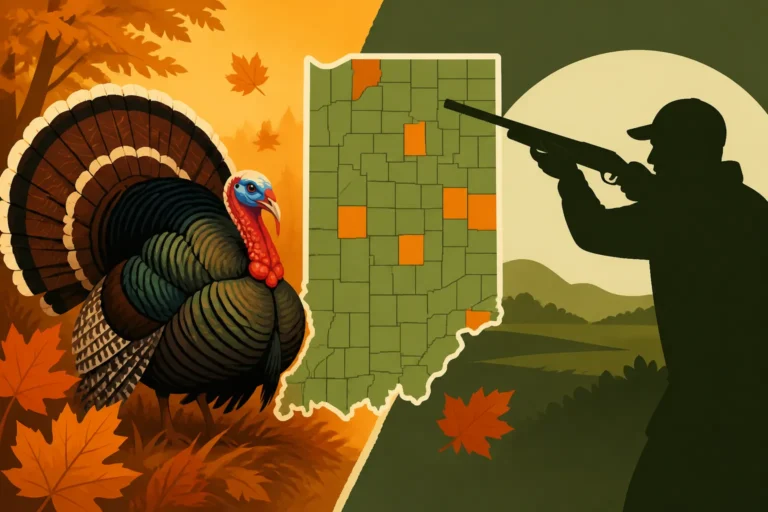
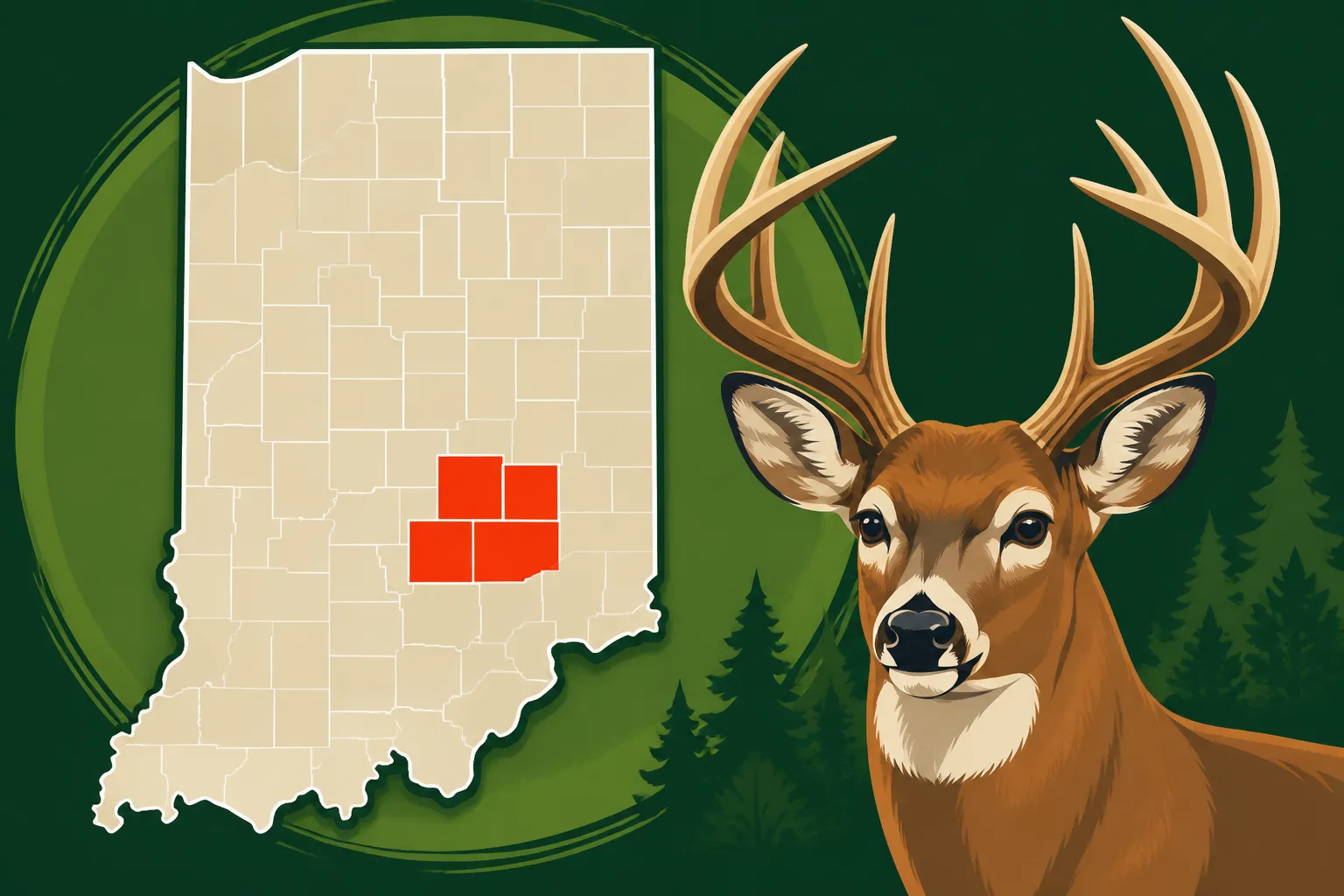
Currently, the primary CWD Management Zone, where CWD has been detected and confirmed in wild deer, includes four counties in northeast Indiana. However, a broader management and surveillance effort now encompasses six counties, which are critical for any hunter to be aware of.
These counties are:
- LaGrange County: One of the original counties where CWD was detected, leading to the establishment of the CWD Management Zone. Located in far northern Indiana, it's a mix of agricultural land and wooded areas.
- Steuben County: Also part of the initial detections in the northeast, Steuben County shares borders with LaGrange and is characterized by lakes, wetlands, and mixed woodlands.
- Noble County: This county has been particularly impactful in recent CWD discussions. As you might remember from the news, Noble County's status recently led to an expansion of focus, further cementing the importance of this region in the CWD management strategy. You can delve into Why Noble County Expanded the CWD Positive Area for more context.
- DeKalb County: The fourth county in the core CWD Management Zone, adjacent to Noble and Steuben, completing the cluster in the northeastern part of the state. It features a blend of productive farmland and smaller timber stands.
In addition to these four core counties, two more counties in southern Indiana were designated as an "Enhanced Surveillance Zone" in response to a CWD-positive deer found outside the primary northeast zone. While not yet a "management zone" with confirmed widespread CWD, these counties are under close watch and require similar precautions from hunters:
- Franklin County: Located in southeastern Indiana, this county is now part of the CWD surveillance efforts, requiring hunters to be extra diligent.
- Rush County: Also in southeastern Indiana, adjacent to Franklin County, it completes the current enhanced surveillance zone, reflecting the DNR's proactive approach to monitoring potential spread.
It's crucial for hunters to understand the specific status of the county they plan to hunt in, as regulations can vary slightly between a management zone and an enhanced surveillance zone, though the general advice of testing and careful carcass handling remains paramount.
How These Areas Were Identified and Designated
The process of identifying and designating CWD areas is a rigorous one, driven by scientific surveillance and data. It typically begins with the detection of a CWD-positive deer, often through routine sampling during hunting season or by testing sick deer reported by the public. When a CWD case is confirmed in a wild deer, the DNR acts swiftly.
First, the exact location of the positive detection is pinpointed. Then, based on established epidemiological principles and state-specific risk assessments, a geographic area around that detection is defined. This area becomes the "CWD Management Zone." The DNR considers factors like deer movement patterns, habitat, population density, and existing land use to draw these boundaries. The goal is to create a manageable zone where intensified surveillance and specific regulations can be implemented effectively. For instance, you can learn more about How Many Deer Have Tested CWD-Positive in Indiana to see the history of detections.
The designation of the "Enhanced Surveillance Zone" for Franklin and Rush counties is an example of adaptive management. A positive CWD test result from a wild deer in one of these areas, though not initially part of the established CWD Management Zone, signaled a need for broader monitoring. This proactive step helps the DNR assess if the disease is more widespread than previously known and allows them to adjust their management strategies accordingly. It highlights the dynamic nature of CWD management and the continuous need for hunter cooperation in reporting and sampling.
Rules and Regulations for Hunters in the CWD Positive Area
Hunting in a CWD-affected area means taking on a bit more responsibility, but it's all in the name of protecting our deer and ensuring a healthy future for Indiana's hunting traditions. The Indiana DNR has implemented specific rules to help monitor and mitigate the spread of Chronic Wasting Disease, and understanding these is absolutely vital before you head into the woods.
Mandatory Testing and Sampling Requirements
If you're lucky enough to harvest a deer in one of the designated CWD Management or Enhanced Surveillance Zones, there are often mandatory or highly encouraged testing requirements. The specifics can change, so always check the latest Indiana DNR regulations before your hunt. For instance, in the established CWD Management Zone (LaGrange, Steuben, Noble, DeKalb counties), there might be mandatory testing windows for certain portions of the season, typically during the firearms season. This means that if you harvest a deer during those dates in those specific counties, you are required to submit its head for CWD testing.
The process usually involves taking your deer to a designated drop-off site or check station. These locations are equipped to collect the necessary tissue samples for analysis. You'll typically be asked to fill out some basic information about your harvest location. It's a small inconvenience for the wealth of data it provides, helping the DNR track the disease's prevalence and distribution. For detailed information on where to go, check out resources like Finding an Indiana CWD Sampling Location. Remember, your participation in mandatory testing, or even voluntary sampling, is crucial for effective deer management in these challenging times.
Carcass Movement Restrictions and Processing
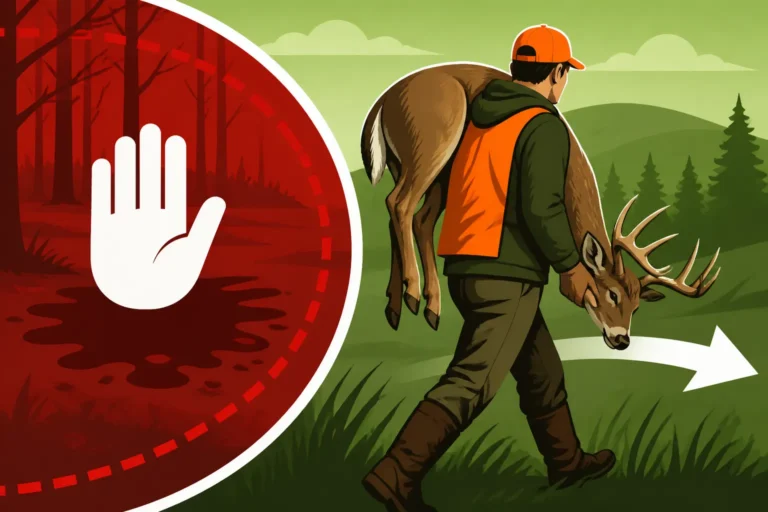
Perhaps one of the most critical regulations in CWD areas involves carcass movement. The prions that cause CWD are highly concentrated in certain parts of the deer, particularly the brain, spinal cord, lymph nodes, and spleen. Moving these "high-risk" materials out of a CWD-positive area can inadvertently spread the disease to new regions. To prevent this, strict carcass movement restrictions are in place.
Generally, you cannot transport a whole deer carcass or certain high-risk parts out of a CWD Management or Surveillance Zone. What can you move? Typically, deboned meat, antlers (with no brain tissue attached to the skull plate), capes (without brain or spinal cord tissue), and clean skull plates are permitted. This means that if you harvest a deer in a CWD-affected county and plan to take it home to process in a different county, you'll need to do the initial field dressing and perhaps even debone the animal at your hunting location or at a local processing facility within the CWD zone.
Many hunters choose to have their deer processed by a professional butcher within the CWD area to ensure compliance and proper disposal of high-risk parts. If you process it yourself, make sure to dispose of the brain, spinal cord, and other restricted materials in a permitted landfill within the CWD zone. Neglecting these rules isn't just a legal issue; it's a significant risk to Indiana's deer herd as a whole. Being fully informed about Indiana Carcass Movement Restrictions is a key part of responsible hunting in these zones.
Here's a quick overview of the key differences and requirements:
| Aspect | CWD Management Zone (LaGrange, Steuben, Noble, DeKalb) | Enhanced Surveillance Zone (Franklin, Rush) |
|---|---|---|
| Status | CWD detected in wild deer; active management to control spread. | CWD detected in isolated wild deer outside primary zone; enhanced monitoring. |
| Mandatory Testing | Often required during specific seasons (e.g., firearms season) for all harvested deer. | Highly encouraged/voluntary testing; mandatory testing may be implemented if new positives arise. |
| Carcass Movement | Restricted movement of whole carcasses/high-risk parts out of the zone. Deboned meat, clean antlers/skulls, capes generally allowed. | Same carcass movement restrictions if taking game out of the surveillance zone. |
| Deer Population Mgmt. | May involve special deer reduction zones or increased antlerless harvest opportunities. | Focus on surveillance, but could lead to population management changes if CWD becomes widespread. |
| DNR Focus | Containment, prevalence tracking, public education. | Early detection, risk assessment, public education. |
Impact on Indiana Deer Hunting and Management
The presence of CWD, even in a contained area, inevitably casts a long shadow over deer hunting. It forces both the DNR and individual hunters to rethink long-held practices and adapt to a new reality. While it's a challenge, it's also an opportunity for the hunting community to demonstrate its commitment to conservation and responsible wildlife stewardship.
Changes to Hunting Seasons and Bag Limits
One of the most immediate impacts of CWD on hunting can be seen in season structure and bag limits. The DNR's primary tool for managing CWD is often to manage deer populations themselves. Higher deer densities can facilitate the transmission of prions, so reducing the herd size in affected areas is a common strategy. This might lead to extended hunting seasons, increased antlerless bag limits, or the implementation of specific deer reduction zones within the CWD management areas. For example, you might find that while the statewide bag limit allows for a certain number of antlerless deer, the CWD zones permit additional tags to encourage harvest.
These changes are not about punishing hunters; they're about utilizing hunters as a vital part of the disease management solution. By strategically harvesting more deer, especially antlerless animals, we can help reduce overall deer density and, hopefully, slow the spread of CWD. It's a complex balance, and understanding How Reduction Zone Bag Limits Differ can make a big difference in how you approach your hunt in these areas. The goal is to keep the herd healthy and resilient, even in the face of this formidable disease.
The Importance of Hunter Participation and Vigilance
Frankly, hunters are the backbone of CWD surveillance and management. Without our eyes in the field and our willingness to participate in testing, the DNR would be largely blind to the true extent of the disease. Every single deer harvested in a CWD-affected area that is submitted for testing provides a piece of the puzzle, helping wildlife biologists understand the disease's prevalence, its geographical spread, and its potential impact on deer populations.
Beyond testing, vigilance is paramount. You are often the first to notice if a deer is acting strangely or appears sick. Knowing what CWD symptoms look like—emaciation, drooling, stumbling—and promptly reporting any suspicious sightings to the Indiana DNR is a critical service. This isn't just about protecting the herd; it's about being responsible stewards of the wildlife we cherish. Companies like GoHunt provide resources and tools that can help hunters stay informed on the latest regulations and even assist in identifying testing locations, making compliance easier. It's a collective effort, and your commitment to ethical hunting practices and cooperation with wildlife agencies is what will truly make a difference in the long run.
Future Outlook and Living with CWD
The reality of Chronic Wasting Disease is that, for now, it's a persistent challenge with no easy solution. Eradication seems unlikely once it's established in a wild deer population. However, that doesn't mean we throw in the towel. Instead, it means adapting, innovating, and committing to long-term management strategies that allow both our deer herds and our hunting traditions to thrive, even in its presence.
Long-Term Management Strategies
The Indiana DNR, in collaboration with national experts, is constantly refining its long-term CWD management strategies. These approaches are multifaceted, recognizing that no single silver bullet exists. Key components include:
- Ongoing Surveillance and Monitoring: Regular and widespread testing of harvested deer will continue, providing the most accurate picture of CWD prevalence and distribution. This data is critical for making informed management decisions.
- Adaptive Population Management: Depending on surveillance results, the DNR may adjust harvest recommendations, potentially increasing antlerless harvest opportunities or using focused culling efforts in specific hotspots to reduce deer density and limit transmission.
- Research and Education: Investing in CWD research helps us better understand the disease, how it spreads, and potential mitigation strategies. Equally important is continuous hunter education, ensuring everyone understands the risks, symptoms, and best practices.
- Collaborative Efforts: Working with neighboring states, federal agencies, and hunter organizations is crucial, as CWD doesn't respect state lines. A coordinated, regional approach is vital for effective management.
It's a marathon, not a sprint, and these strategies are designed to be flexible, allowing the DNR to respond to new information and changing disease dynamics. The goal isn't necessarily to eliminate CWD, but to manage it to minimize its impact on the health of our deer herd and the future of Indiana hunting.
Best Practices for Hunters in Affected Areas
As hunters, we play the most vital role in managing CWD. Our actions in the field directly contribute to the success (or failure) of statewide efforts. Here are some essential best practices, especially when hunting in or near the CWD Management and Surveillance Zones:
- Stay Informed and Know the Rules: Before every hunting season, check the latest Indiana DNR regulations for CWD zones, testing requirements, and carcass movement restrictions. These rules can change based on new detections, so don't rely on old information. You can often find up-to-date guidance through resources like GoHunt, which can provide location-specific information.
- Get Your Deer Tested: If you harvest a deer in a CWD-affected county, participate in mandatory testing and consider voluntary testing even when not required. It’s an easy, free way to contribute critical data. Visit official Indiana CWD Testing for Hunters resources for details.
- Handle Carcasses Responsibly: Strictly adhere to carcass movement restrictions. If you're transporting a deer out of a CWD zone, make sure it's deboned, and only allowed parts are moved. Properly dispose of high-risk materials in an approved landfill within the CWD zone.
- Report Sick Deer: If you see a deer exhibiting CWD symptoms (severe weight loss, lethargy, drooling, unusual behavior), do not harvest it. Instead, immediately contact the Indiana DNR. This could be a critical early detection. You can learn more about how to do this by checking out articles like Reporting a Sick Animal in Indiana.
- Consider Your Venison: While there's no known human transmission, health agencies recommend against consuming meat from CWD-positive deer. If your deer tests positive, consider proper disposal.
- Practice Good Hygiene: Always wear gloves when field dressing deer. Wash your hands and tools thoroughly with soap and water after handling any deer.
By adopting these practices, Indiana hunters can continue to enjoy their passion while actively participating in the responsible stewardship of our state's invaluable deer resource. It's about being proactive, informed, and dedicated to the health of the herd for generations to come.
Disclaimer
This article is intended for informational purposes only and does not constitute legal advice. Hunting regulations, including those pertaining to Chronic Wasting Disease, are subject to change. Always consult the official Indiana Department of Natural Resources (DNR) website and current hunting regulations before participating in any hunting activities.