Enhanced Surveillance in Franklin and Rush Counties
It's disheartening when something as serious as Chronic Wasting Disease (CWD) starts making headlines close to home, especially when it involves specific areas where many of us love to hunt. For hunters who cherish the woods and fields of Franklin and Rush Counties, the news of enhanced surveillance might feel a bit unsettling, adding another layer of complexity to an already challenging pursuit. This guide is here to break down exactly what enhanced CWD surveillance means for you, why these counties are in the spotlight, and how we can all work together to protect Indiana's precious deer herd.
Understanding the Shadow of Chronic Wasting Disease
CWD is one of those topics that can send a shiver down a deer hunter's spine, and for good reason. It's a real and present danger to the health of our deer populations, and by extension, to the future of our hunting heritage. It’s not just a distant problem anymore; it’s something we need to understand thoroughly if we’re going to be effective stewards of the land and its wildlife.
What CWD Is and Its Devastating Impact
At its core, CWD is a neurological disease that affects cervids – deer, elk, moose, and caribou. It's caused by abnormal proteins called prions, which slowly damage the brain and nervous system. Think of it like a slow, insidious invader that gradually takes over the animal's body. The signs aren't always immediately obvious, but over time, infected deer will show symptoms like drastic weight loss (hence "wasting"), stumbling, drooling, a vacant stare, and overall abnormal behavior. It's a truly heartbreaking thing to witness in a wild animal.
Unlike many diseases, CWD is always fatal for the infected animal, and there's no known cure or vaccine. This makes it particularly terrifying for wildlife managers and hunters alike. The impact isn't just on individual deer; it can decimate entire local herds, leading to population declines and ecological imbalances. Beyond the deer themselves, there's always the concern, though currently unproven, about potential risks to other species or even humans, which is why precautions and rigorous surveillance are so paramount.
The Silent Threat: How CWD Spreads
One of the most insidious aspects of CWD is its method of transmission. It spreads through direct contact between deer, but also indirectly through the environment. Infected deer shed prions through saliva, urine, and feces. These prions can then contaminate soil, plants, and even water sources, remaining infectious for years, if not decades, in the environment. This means that an area where CWD has been present can remain a source of infection long after an infected deer has moved on or died.
Imagine a deer that's been infected for months, perhaps even years, before showing any outward symptoms. During this preclinical period, it’s shedding prions into the environment, unknowingly spreading the disease. This silent spread makes CWD incredibly challenging to contain once it takes hold. It's not like a viral infection that might burn out quickly; these prions are resilient and persistent. This environmental persistence is a major reason why states like Indiana are so proactive in their surveillance and management strategies, trying to catch it early before it becomes deeply entrenched in the landscape.
Why Early Detection is Critical for Indiana
Given the nature of CWD – its fatal outcome, environmental persistence, and silent spread – early detection isn't just important, it's absolutely critical. For Indiana, a state with a rich deer hunting tradition and a robust deer population, catching CWD cases quickly can make all the difference between localized management and a widespread, intractable problem. If CWD is allowed to proliferate unchecked, it could have catastrophic long-term effects on the health of the deer herd, diminish hunting opportunities, and impact the ecological balance of our forests and farmlands.
That's why our Indiana Department of Natural Resources (DNR) invests so heavily in monitoring and testing. They're essentially acting as the early warning system, trying to identify infected animals and locations before the disease gains too much traction. This proactive approach, which includes everything from mandatory testing in certain areas to targeted surveillance in others, is our best defense. As hunters, our cooperation in these efforts is not just a regulatory obligation; it's a vital contribution to the conservation of Indiana's wildlife. You can learn more about how the disease manifests and is monitored in our comprehensive guide on Chronic Wasting Disease in Indiana Deer.
Indiana's CWD Battleground: The Established Positive Area
Indiana has unfortunately joined the list of states grappling with CWD. While we all hoped it would bypass our borders, the reality is that wildlife diseases don't respect lines on a map. Our DNR has been working tirelessly to monitor, respond, and manage the disease since its first detection, creating what is known as the CWD Positive Area to focus resources and implement specific regulations.
The Genesis of Indiana's CWD Positive Area
The first confirmed case of CWD in Indiana was detected in LaGrange County in 2021. This was a somber moment for Indiana hunters and wildlife managers, marking the official arrival of a disease we had long hoped to avoid. Following this initial discovery, the DNR immediately implemented enhanced surveillance and management protocols in the surrounding region. Unfortunately, further testing revealed additional positive cases, leading to the designation and expansion of Indiana's CWD Positive Area.
Currently, this area encompasses multiple counties in northeast Indiana, including LaGrange, Steuben, Noble, DeKalb, Allen, and Whitley. The expansion into counties like Noble was a significant development, as discussed in detail in our article on Why Noble County Expanded the CWD Positive Area, indicating the disease's ability to spread. This Positive Area is not just a geographical designation; it comes with specific rules and requirements designed to contain and mitigate the spread of the disease. It's a stark reminder that even with the best efforts, CWD can establish a foothold, making vigilance across the entire state even more crucial.
Strict Protocols: Mandatory Testing and Carcass Regulations
Within the CWD Positive Area, hunting becomes a bit more complex, primarily due to mandatory testing requirements and strict carcass movement restrictions. For hunters harvesting deer in these designated counties, it’s not just a matter of tagging your deer and heading home. You are typically required to submit your deer for CWD testing at designated check stations or self-sampling locations. This isn't just an option; it's a critical part of the surveillance effort, providing the DNR with vital data points to track the disease's prevalence and distribution. You can find detailed information about the process in our guide on Indiana CWD Testing for Hunters.
Beyond testing, strict rules govern the movement of deer carcasses out of the CWD Positive Area. This is to prevent the physical transport of prions to new, uninfected regions. For example, usually, only deboned meat, antlers (with no brain tissue attached), capes (without skull), and clean skull plates can leave the zone. The rest of the carcass – particularly the brain and spinal cord, where prions are most concentrated – must remain within the CWD Positive Area for disposal. These regulations, while sometimes inconvenient, are absolutely essential to prevent further spread and are detailed in our piece on Indiana Carcass Movement Restrictions. Compliance is key for every hunter.
The Hunter's Role in Protecting the Herd
It's easy to feel like CWD management is solely the responsibility of the DNR, but nothing could be further from the truth. Hunters are, in fact, the most critical partners in this ongoing battle. We are the eyes and ears in the field, often the first to notice unusual deer behavior or to harvest an animal that might be infected. Our participation in surveillance efforts, particularly by submitting samples and adhering to carcass movement rules, directly contributes to the state's ability to monitor and manage CWD.
Think of it this way: every sample submitted provides a piece of the puzzle, helping wildlife biologists understand the disease's landscape. Without hunter cooperation, the DNR would be largely blind to the true extent of CWD in the wild. Moreover, practicing ethical hunting methods, avoiding the use of natural urine-based lures that could potentially spread prions, and properly disposing of carcasses all play a significant role. It's a collective responsibility that underscores the deep connection between hunters and conservation.
Zeroing In: Enhanced Surveillance in Franklin and Rush Counties
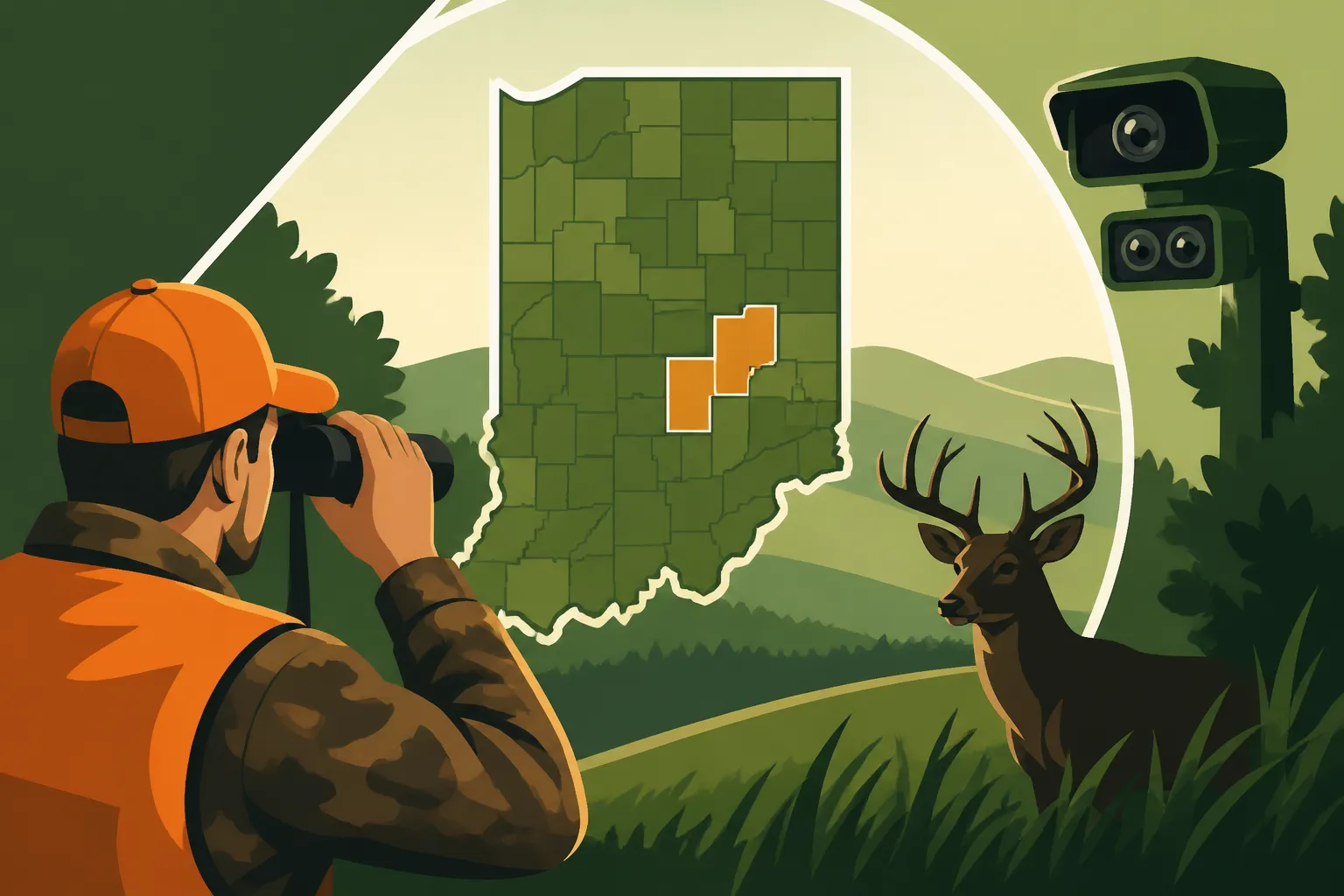
Now, let's talk about the specific situation that brings us here today: the enhanced surveillance efforts in Franklin and Rush Counties. While these counties are not currently part of the established CWD Positive Area, they are very much on the DNR's radar, and for good reason. This heightened attention is a proactive measure, not an indication that CWD has definitely arrived, but rather a strategic effort to detect it if it has.
Identifying the Risk: Why These Counties?
You might be wondering why Franklin and Rush Counties specifically have been singled out for enhanced surveillance. The DNR doesn't make these decisions lightly; they're based on careful analysis of various factors that indicate a higher potential risk for CWD introduction or spread. While the specifics can be complex, generally these factors include:
- Proximity to Known CWD Cases: These counties might be geographically located near areas in other states where CWD has been detected, or along potential travel corridors for deer that could have come from those areas.
- Deer Movement Patterns: Deer, especially bucks during the rut, can travel significant distances. If these counties lie in a path that connects to known CWD areas, or even areas suspected of having CWD, then surveillance becomes crucial.
- High Deer Density: Areas with higher deer populations can sometimes be more susceptible to disease transmission simply because there's more interaction between animals, which facilitates spread.
- Human-Assisted Spread Potential: Unfortunately, CWD can also spread through the illegal movement of live deer or infected carcasses by humans. Surveillance can sometimes target areas where there might be a higher risk of such activities, whether intentional or unintentional.
- Proactive Buffer Zones: Sometimes, enhanced surveillance is implemented as a precautionary measure, creating a "buffer zone" around existing positive areas or areas of concern. This helps to establish baseline data and to quickly identify any new incursions.
The key takeaway is that the DNR is being proactive. They're using scientific data and risk assessments to predict where CWD might appear next, rather than waiting for it to be confirmed.
The Nuts and Bolts of Enhanced Surveillance for Hunters
For hunters in Franklin and Rush Counties, "enhanced surveillance" primarily means an increased focus on CWD testing of harvested deer. While it may not reach the level of mandatory testing across the entire county as seen in the core CWD Positive Area, there will likely be a strong emphasis and encouragement for hunters to submit their deer for testing. This could involve:
- Increased Sampling Efforts: The DNR might set up additional voluntary sampling stations, partner with local meat processors, or have staff present at popular public hunting areas to collect samples.
- Targeted Testing: They might focus efforts on specific age classes of deer (e.g., older bucks, which are statistically more likely to carry CWD) or areas within the counties where risk factors are higher.
- Public Awareness Campaigns: You'll likely see more signage, hear more public service announcements, and find more information online (perhaps even through resources like GoHunt's mapping tools for specific regulations) encouraging participation in surveillance.
This isn't about making hunting harder; it's about gathering enough data to confirm whether CWD is present and, if so, where and at what prevalence. Your voluntary participation in submitting samples from deer harvested in Franklin and Rush Counties is invaluable. It’s the difference between the DNR having a clear picture of the situation and them flying blind.
Data Collection and Its Impact on Future Management Decisions
Every deer sample collected in Franklin and Rush Counties, and indeed across Indiana, contributes to a massive dataset that informs critical management decisions. This isn't just about counting positive cases; it's about understanding the disease's geographical spread, its prevalence within a localized herd, and how quickly it might be advancing.
Here’s how that data gets used:
- Mapping the Disease: Positive test results help the DNR literally map the disease, showing where it exists and where it doesn't. This allows them to identify hot spots and areas that are currently clear.
- Understanding Prevalence: By testing a statistically significant number of deer, biologists can estimate the percentage of the herd that might be infected. This prevalence rate is crucial for determining the severity of the problem.
- Triggering Further Action: If enhanced surveillance reveals positive CWD cases in Franklin or Rush, it would likely trigger more stringent regulations, potentially including the designation of these counties as part of an expanded CWD Positive Area with mandatory testing and carcass movement rules. It could also influence decisions on deer population management, such as increasing antlerless harvest opportunities to reduce deer density and slow transmission.
- Informing Long-Term Strategy: Over time, consistent data collection helps the DNR refine its overall CWD management plan for the entire state, ensuring resources are allocated effectively and strategies are adapted as the disease evolves.
This systematic approach, built on the back of hunter participation, is our best defense against CWD becoming an unchecked epidemic in Indiana.
Navigating the Field: Practical Advice for Hunters in CWD Zones
Whether you're hunting in the established CWD Positive Area or in counties like Franklin and Rush with enhanced surveillance, understanding and implementing practical steps is crucial. This isn't just about following rules; it's about being a responsible conservationist and protecting the health of our deer for future generations.
Submitting Your Harvest for CWD Testing
When hunting in areas with enhanced surveillance or mandatory testing, submitting your deer for CWD testing becomes a critical part of your hunting season. It's often viewed as an extension of the harvest itself.
How to Do It:
- Locate Sampling Stations: Before you head out, use the Indiana DNR website or their mobile app to find designated CWD sampling stations or self-sampling locations. These might be staffed stations during peak hunting days or drop-off coolers with instructions. Tools like Using the Indiana OnX and DNR Map Tools can often help you locate these facilities.
- Understand Requirements: Familiarize yourself with the specific requirements for your hunting area. Some areas might ask for the entire head, while others might only need the brainstem and obex (a specific part of the brain). Generally, it's best to keep the head and about 4-6 inches of the neck attached to facilitate sampling.
- Prepare Your Sample: If using a self-sampling station, follow the instructions precisely. This usually involves cleanly removing the head and placing it in a provided bag with your hunting information clearly marked. Ensure your deer is properly tagged and registered before submitting for CWD testing. Our guide on Registering an Indiana Deer Online has details on this.
- Timeliness: Submit your sample as quickly as possible, especially in warmer weather. Proper handling helps preserve the sample for accurate testing.
This participation is what allows the DNR to get the data they need to protect the herd. It’s an extra step, yes, but a vital one.
Responsible Carcass Handling and Disposal
One of the biggest concerns with CWD is the potential for prions to contaminate the environment. Therefore, how you handle and dispose of your deer carcass is incredibly important, especially if you're hunting in or near a CWD management zone.
- Field Dressing: When field dressing in the woods, try to do so away from trails, water sources, and feed sites. Bury internal organs if possible, or at least scatter them widely to allow scavengers to disperse the material, reducing the concentration of prions in one spot.
- Transport Restrictions: Be acutely aware of Indiana Carcass Movement Restrictions. If you harvest a deer in an area that is part of the CWD Positive Area, you cannot transport the entire carcass out of that zone. You'll need to bone out the meat, remove antlers, and ensure all high-risk parts (brain, spinal cord, spleen, lymph nodes) remain within the CWD area for proper disposal. This might mean finding a local processor within the zone or utilizing designated disposal sites.
- Proper Disposal: If you're processing your deer at home in a CWD-affected area, do not dispose of high-risk waste parts in landfills that do not accept animal waste, or by simply leaving them in the woods outside the designated zone. The DNR often provides specific guidelines or designated disposal bins for CWD-related waste. Never dispose of these parts in waterways or areas accessible to other deer.
- Cleanliness: Always clean your tools and hands thoroughly after handling a deer, especially if you're processing it yourself. While CWD is not known to be transferable to humans, basic hygiene is always important.
These guidelines are not just suggestions; they are critical components of preventing further CWD spread.
Scouting and Ethical Hunting Practices in Affected Areas
Hunting in CWD zones or areas of enhanced surveillance also brings a heightened awareness to scouting and ethical practices. While the core tenets of hunting remain the same, there are subtle shifts in focus.
- Observe Deer Health: Pay extra attention to the deer you see while Scouting Indiana Public Land Before Season or during your hunt. Look for any signs of illness, such as excessive drooling, extreme thinness, or unusual behavior. If you see a deer exhibiting CWD symptoms, report it to the Indiana DNR immediately. Our guide on Reporting a Sick Animal in Indiana has more details on this process.
- Avoid Attractants: The use of bait or mineral licks is often restricted or prohibited in CWD management zones because they can concentrate deer, increasing nose-to-nose contact and the potential for disease transmission. Even where legal, consider reducing their use to minimize risk.
- Target Harvest Strategies: In some CWD management zones, wildlife managers might encourage a higher antlerless harvest to reduce overall deer density, which can slow the spread of the disease. Being willing to fill antlerless tags becomes an even more important conservation contribution in these areas.
- Minimize Environmental Contamination: When possible, process your deer at home or at a designated facility rather than leaving large amounts of carcass waste in the field, particularly in high-traffic deer areas.
- Stay Informed: Regulations can change. Always check the latest Indiana hunting regulations specific to your county before heading afield. Tools like GoHunt can provide real-time updates and boundary information, helping you stay compliant.
By adapting our hunting practices, we become active participants in managing and containing CWD, safeguarding the future of deer hunting in Indiana.
| County Grouping | Current CWD Status (2024) | Hunter Requirements | Carcass Movement Rules |
|---|---|---|---|
| Established CWD Positive Area (LaGrange, Steuben, Noble, DeKalb, Allen, Whitley) | CWD Confirmed, Ongoing Cases | Mandatory CWD testing for harvested deer at designated stations/processors. | High-risk parts (brain, spinal cord, etc.) must remain in positive area for disposal. Only deboned meat, clean antlers, etc., may leave. |
| Enhanced Surveillance Area (Franklin, Rush) | No Confirmed CWD, Increased Monitoring | Highly encouraged (often voluntary) CWD testing for harvested deer. Designated sampling sites. | Standard statewide rules apply unless CWD is confirmed, then positive area rules will be implemented. |
| Rest of Indiana | No Confirmed CWD | Voluntary CWD testing encouraged at state-designated locations (often target areas). | Standard statewide carcass rules apply. |
Looking Forward: Sustaining Indiana's Deer Hunting Heritage
The presence of CWD in Indiana is a challenge, no doubt, but it's not a death knell for our hunting traditions. It is, however, a wake-up call and a reminder that responsible wildlife management is an ongoing, collaborative effort. Our ability to sustain Indiana's deer hunting heritage will depend heavily on how we collectively respond to this threat.
The Collective Effort: Hunters, DNR, and Wildlife Health
When it comes to CWD, no single entity can tackle the problem alone. It truly requires a collective effort involving the Indiana DNR, hunters, landowners, meat processors, and even local communities. The DNR provides the scientific expertise, establishes regulations, and coordinates surveillance, but their efforts are severely limited without broad public support and participation.
Hunters, as the primary users of the resource, are uniquely positioned to be the front-line defenders. Our willingness to adhere to regulations, report sick animals, and submit samples for testing directly impacts the effectiveness of CWD management. Landowners play a crucial role by allowing access for surveillance and by managing their properties in ways that support deer health and minimize disease spread. It's a true partnership, where each stakeholder contributes to the larger goal of maintaining a healthy and thriving deer herd. Ignoring the problem, or failing to cooperate, would only exacerbate the challenges down the road.
Leveraging Technology and Resources for Informed Decisions
In today's world, we have access to incredible tools and resources that can help us navigate the complexities of CWD. The Indiana DNR website is, of course, the authoritative source for all regulations, CWD updates, and sampling station locations. They continuously update their information, so checking it before each season, or even before each hunt, is a must.
Beyond official sources, various mapping applications and platforms offer invaluable assistance. For example, some hunters use apps to plan their hunts and stay aware of property lines and public land boundaries. Many of these tools also now integrate CWD zone information, making it easier to see at a glance if you're in an affected area. Staying informed through these channels ensures you're making responsible, ethical, and legal decisions every time you step into the woods.
What to Do If You Spot a Sick Deer
Despite all the surveillance and precautions, there's always a chance you might encounter a deer showing signs consistent with CWD. This could be in Franklin or Rush County, or anywhere else in the state. If you do, it’s critical to know what to do.
First and foremost, do not approach or handle the animal. CWD is a neurodegenerative disease, and while there's no evidence of direct human transmission, it's always best to err on the side of caution. Furthermore, a sick or injured animal can be unpredictable.
Your most important action is to immediately report the sighting to the Indiana DNR. They have protocols in place for investigating and collecting samples from suspicious animals. Be prepared to provide as much detail as possible:
- Location: Be precise with the location (county, road names, approximate distance from landmarks, GPS coordinates if you have them).
- Time: When did you see the animal?
- Description: What did the deer look like? What specific behaviors did you observe (e.g., staggering, drooling, emaciation, head down)?
- Your Contact Info: Provide your name and phone number so a conservation officer or biologist can follow up if they need more details.
Reporting sick deer is one of the most direct ways hunters contribute to early detection and CWD management. It helps the DNR pinpoint potential problem areas and take swift action, which ultimately benefits the entire deer population and preserves our hunting opportunities in places like Franklin and Rush Counties.
Disclaimer
Please remember that hunting regulations and CWD management protocols are subject to change. Always consult the most current Indiana Department of Natural Resources (DNR) official regulations and advisories before planning or undertaking any hunting activities. This guide is for informational purposes only and should not be considered legal advice.