Indiana Pheasant Season and Stocking
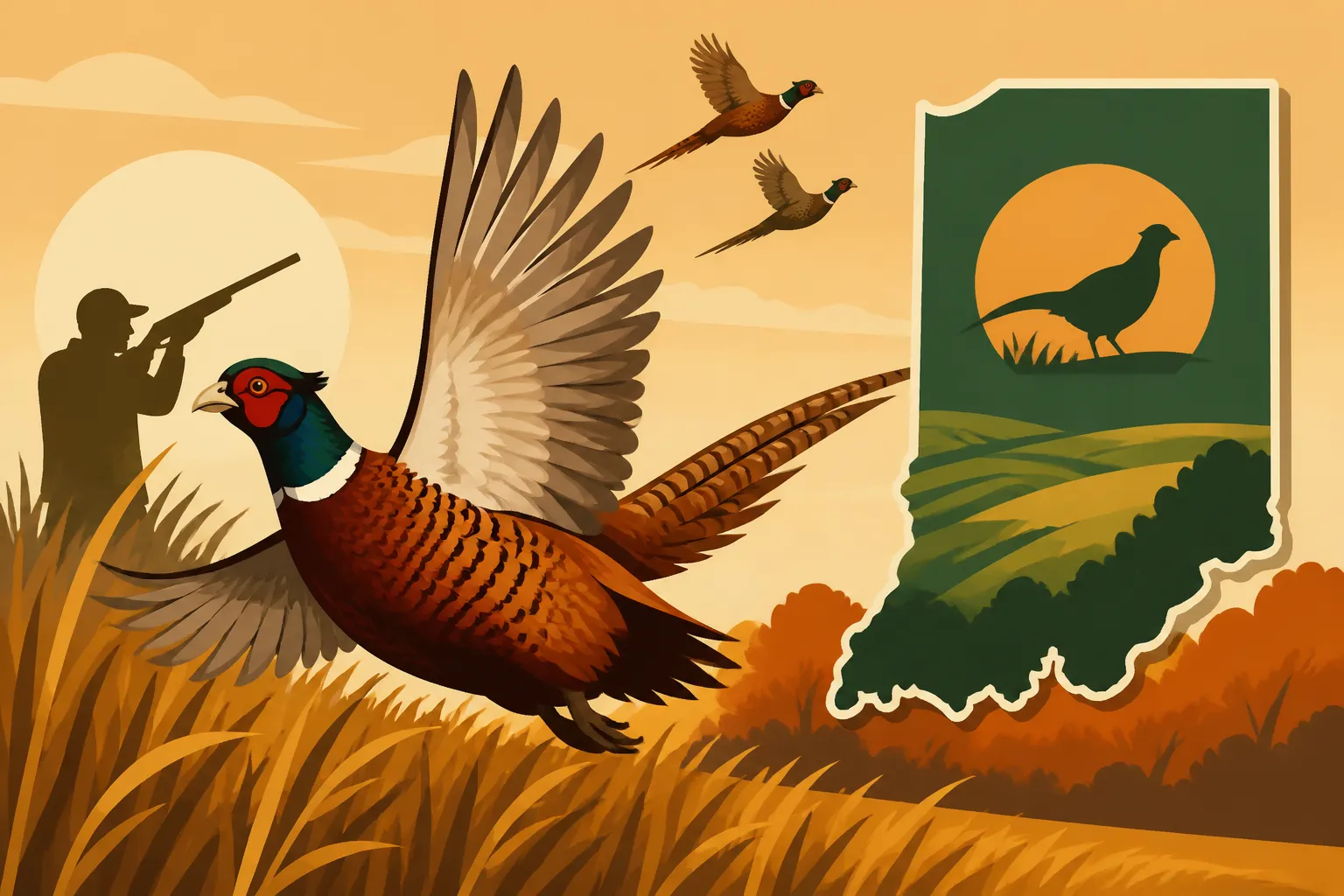
For many of us who grew up hearing tales of booming pheasant populations in Indiana, today's reality can feel a little disheartening. The sight of a vibrant ring-necked rooster rocketing skyward from a golden field is etched into the minds of upland hunters, but finding those wild birds in our state has become increasingly challenging. This guide is here to walk you through the current landscape of pheasant hunting in Indiana, focusing on where these beautiful birds can still be found and the crucial role that stocking programs play in keeping the tradition alive.
The Vanishing Wild Pheasant in Indiana
It’s a tough pill to swallow, but the days of abundant wild pheasant hunting across much of Indiana are largely a thing of the past. If you’re a newer hunter, you might even wonder if wild pheasants were ever truly here in significant numbers. For those of us who remember a different era, or heard the stories from our fathers and grandfathers, the decline is palpable and often brings a sigh of disappointment.
Why Wild Pheasant Populations Declined
The primary culprit behind the dramatic reduction in Indiana's wild pheasant numbers is habitat loss. Pheasants thrive in diverse agricultural landscapes, requiring a mosaic of tall grasses for nesting, dense cover for protection from predators and harsh weather, and access to grain fields for food. Think back to the mid-20th century: smaller farms, fencerows brimming with brush, idle acres, and diverse crop rotations were far more common. This patchwork of land provided everything a pheasant needed to flourish.
However, modern agricultural practices have shifted. Farms have grown larger, fencerows have been cleared to maximize tillable acreage, and vast monocultures of corn and soybeans have replaced much of the diversified cover. The nesting cover that once supported thriving pheasant broods is now often tilled under, sprayed, or mowed at critical times, leaving hens and chicks vulnerable. Even seemingly minor changes, like earlier hay cutting, can have a devastating impact on nesting success. The reality is, without the right habitat, even the hardiest of game birds struggle to survive and reproduce.
Where Wild Pheasants Still Persist
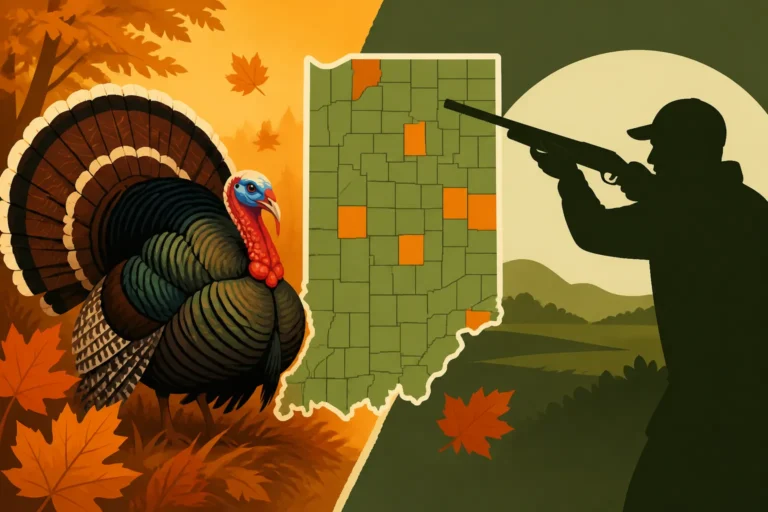
While widespread wild pheasant populations are a memory, there are still small, localized pockets where these resilient birds cling on. These areas are typically characterized by unique landscape features that have either escaped intensive modern farming or have specific conservation efforts in place. You'll often find these remnants in parts of northern Indiana, particularly in counties like Steuben, LaGrange, and Noble, where dairy farming or diverse smaller farms might still exist, leaving more complex cover.
Even in these areas, finding truly wild pheasants often means identifying private land managed specifically for wildlife, or stumbling upon an overlooked corner of a property that happens to hold ideal habitat. These are often places with thick, overgrown fencerows, small native grass plantings, or un-mowed field edges adjacent to standing corn or bean fields. If you're hoping to find a wild bird, scouting these specific types of areas, often on private land where permission has been secured, is your best bet. It’s a needle-in-a-haystack endeavor, but the reward of flushing a wild rooster is truly something special. For a deeper dive into where these birds might be found, check out our guide on Best Indiana Counties for Pheasant.
Indiana's Pheasant Stocking Program
Given the challenges wild pheasants face, the Indiana Department of Natural Resources (DNR) recognized years ago that a stocking program was essential to provide hunting opportunities for upland enthusiasts. This program ensures that hunters, particularly those without access to prime private land, can still experience the thrill of a pheasant hunt.
How the Stocking Program Works
The Indiana DNR raises thousands of pheasants each year at its game bird farm, primarily for release on Fish and Wildlife Areas (FWAs) across the state. These birds are released prior to and during the Indiana pheasant season to supplement the limited wild populations and create huntable numbers. It's a significant undertaking, requiring dedicated staff, facilities, and resources to rear birds that are healthy and strong enough to provide a sporting challenge.
The birds are typically mature males (roosters), which are known for their vibrant plumage and strong flight. Releasing roosters primarily avoids impacting wild pheasant genetics negatively and focuses purely on providing recreational hunting. While they are raised in captivity, once released, these birds quickly adapt to their new surroundings, foraging for natural foods and utilizing available cover. They may not be "wild" in the traditional sense, having not been hatched in the wild, but they certainly act like it once they burst from the cover! Many hunters appreciate this opportunity to keep their dogs sharp and enjoy the upland tradition. Don't forget, there might be an Indiana Pheasant Permit Requirement for these hunts, so always check the specific FWA rules.
Key Stocking Locations and Schedule
Pheasant stocking occurs at several key Indiana Fish and Wildlife Areas (FWAs) and other properties managed by the DNR. These locations are specifically chosen because they offer suitable habitat, even if temporary, and have the infrastructure to manage controlled hunts, which often involve sign-in procedures or draw systems due to high demand.
Some of the most consistent stocking locations include:
- Atterbury Fish and Wildlife Area: Located south of Indianapolis, offering varied habitat.
- Glendale Fish and Wildlife Area: In southern Indiana, known for its diverse wildlife opportunities.
- Willow Slough Fish and Wildlife Area: A popular northern Indiana FWA, known for waterfowl and upland birds.
- Winamac Fish and Wildlife Area: Another strong contender in northern Indiana, often with good cover.
- Tri-County Fish and Wildlife Area: Situated in northern Indiana, offering various hunting options.
While the exact dates and numbers can vary year to year, releases typically begin in early November and continue through the season. Hunters interested in participating should always check the Indiana DNR website or the specific FWA’s social media pages closer to the season for the most up-to-date schedule and any special rules, like reserved hunts or daily drawings. These details are critical for planning a successful trip.
Here's a generalized overview of some popular stocking locations, though always confirm specifics with the DNR:
| FWA Name | Region | Typical Stocking Window | Special Requirements (Check DNR) | Primary Habitat Type |
|---|---|---|---|---|
| Atterbury FWA | Central/South | Early November – Early December | Daily sign-in, possible draw | Grasslands, timber edges, crop |
| Glendale FWA | Southern | Early November – Early December | Daily sign-in, possible draw | Grasslands, brush, timber |
| Willow Slough FWA | Northern | Early November – Late December | Daily sign-in, possible draw | Marsh, grasslands, crop |
| Winamac FWA | Northern | Early November – Late December | Daily sign-in, possible draw | Grasslands, wetlands, crop |
| Tri-County FWA | Northern | Early November – Late December | Daily sign-in, possible draw | Grasslands, brush, timber |
| Pigeon River FWA | Northeast | Early November – Mid December | Daily sign-in, possible draw | Grasslands, wetlands |
Note: Always verify current season dates, bag limits, and specific FWA regulations with the Indiana DNR directly before planning your hunt. Some FWAs may require an online reservation or have specific check-in times.
Hunting Stocked Pheasants: What to Expect
Hunting stocked pheasants is a fantastic way to enjoy the uplands, but it comes with its own set of expectations and challenges. It’s not quite the same as chasing wild birds across vast landscapes, but it's incredibly rewarding in its own right, especially for those who love working with pointing dogs.
Strategies for Success on Stocked Lands
When you’re hunting stocked pheasants, especially on public land, a good strategy goes a long way. These birds, while recently released, aren't just sitting ducks. They will run, hold tight, and flush with surprising vigor. My best advice? Bring a dog if you can, and be prepared to put in the legwork. Dogs are invaluable for locating birds that might hold incredibly tight in cover and for retrieving downed birds that can vanish in thick grass. For tips on working with your canine companion, consider our guide on Running Pointing Dogs on Indiana Pheasants.
Beyond a good dog, focus on areas with thick, diverse cover. Pheasants love to hide in cattails, switchgrass, thorny multiflora rose thickets, and even standing crop stubble. Don't be afraid to work the edges where different cover types meet. Push through thick stuff, even if it looks impenetrable – that’s often where the birds are. Hunting with a partner or a small group, strategically walking through blocks of cover, can also be very effective. One person can "block" the end of a cover strip while others push through, forcing birds to flush. Be mindful of other hunters, especially on busy opening days.
Equipment for Upland Pheasant Hunting
Your equipment choice can really make a difference. A good upland shotgun is paramount. Many hunters prefer a 12 or 20 gauge, with a modified or improved cylinder choke, especially for closer-flushing, stocked birds. While you might want to learn about Upland Guns for Fencerow Cover, a general-purpose field gun will serve you well. Number 4, 5, or 6 shot is usually ideal for pheasants, offering a good balance of pattern density and knockdown power. Non-toxic shot is often required on some public lands, so check the FWA regulations carefully.
Beyond the shotgun, comfortable and durable hunting clothing is essential. Think briar-resistant pants or chaps, a good upland vest with plenty of game bag space for birds, and sturdy, waterproof boots that can handle mud and long walks. A hunter orange hat and vest are not just good ideas; they are legally required for safety on public land during most hunting seasons in Indiana. Always ensure you meet the Indiana Blaze Orange Requirements. Also, carrying water for yourself and your dog is crucial, especially on warmer days or if you're covering a lot of ground.
Navigating Regulations and Access for Pheasant Hunters
Hunting pheasants in Indiana, particularly stocked birds on public land, requires a clear understanding of the regulations and how to access these opportunities. It’s not always as simple as showing up and walking a field.
Licensing and Permits
Before you even think about stepping into the field, you need the right licenses. A valid Indiana hunting license (resident or non-resident) is always the starting point. Beyond that, if you plan to hunt stocked pheasants on a Fish and Wildlife Area, you will almost certainly need a specific pheasant put-and-take permit. This permit is an additional fee and is what allows you to participate in the stocked pheasant hunts. You can typically purchase these permits through the Indiana DNR's Go Outdoors Indiana system. It’s an easy process that can often be done online, even on your phone, and GoHunt is a fantastic app to keep all your license information at your fingertips, making access to current regulations and permits straightforward.
Always double-check the specific FWA’s rules; some may also require a property-specific sign-in or a daily draw to manage hunter numbers, especially on opening weekend or other high-pressure days. This helps distribute hunters and ensures a quality experience for everyone. Don’t forget that all hunters born after December 31, 1986, need to have completed Indiana Hunter Education Requirements before they can purchase a license.
Public Land Access and Rules
Indiana’s Fish and Wildlife Areas are managed primarily for public hunting, fishing, and trapping. These are the main destinations for stocked pheasant hunting. However, each FWA can have slightly different local rules in addition to the statewide regulations. For instance, some areas might have specific hunting zones, restrictions on hunting hours, or rules about where you can park. It's not uncommon to see "check-in" stations or kiosks where you're required to register your presence before hunting and report your harvest afterward.
Camping is often available at or near some FWAs, but again, always verify. Hunting Pressure on Indiana Public Land can be quite high, especially for popular stocked hunts, so being early, courteous to other hunters, and understanding boundary lines is important. You might also want to consult the DNR’s property maps or use a mapping app like GoHunt to understand the terrain, access points, and specific hunting units within an FWA. These digital tools are incredibly helpful for navigating unfamiliar territory and staying compliant with property rules.
The Future of Pheasant Hunting in Indiana
While the challenges facing wild pheasants are significant, the future of pheasant hunting in Indiana isn't entirely bleak. It largely depends on continued conservation efforts, hunter participation, and adapting to the current landscape.
Conservation Efforts and Habitat Improvement
The Indiana DNR, along with various conservation organizations, continues to work on habitat improvement projects that can benefit pheasants and other grassland-dependent species. Programs like the federal Conservation Reserve Program (CRP) incentivize landowners to take marginal agricultural land out of production and plant native grasses and other beneficial cover. These programs create vital nesting, brooding, and winter cover that is absolutely essential for any wild pheasant populations to rebound.
However, these efforts often target specific parcels, and large-scale, connected habitat corridors are still rare. The fragmented nature of habitat means that while localized success stories might emerge, a return to widespread wild pheasant numbers is unlikely without a massive, coordinated shift in land use practices. Nevertheless, supporting these conservation efforts, whether through purchasing stamps, donating to organizations like Pheasants Forever, or advocating for wildlife-friendly policies, is crucial for improving conditions where possible. You can also explore opportunities to plant food plots or establish native grasslands on your own property or land you have permission to hunt.
The Role of Stocking and Hunter Engagement
For the foreseeable future, stocking programs will remain the backbone of pheasant hunting in Indiana. These programs reliably provide opportunities for hunters to pursue pheasants, especially for those who cherish the tradition of upland bird hunting with a dog. By participating in these hunts, hunters directly support the program through license and permit fees, ensuring its continuation.
Furthermore, hunter engagement is vital. Reporting your harvest accurately helps the DNR assess the effectiveness of the stocking program and manage future releases. Sharing your experiences, introducing new hunters to the sport, and advocating for public hunting access all contribute to the long-term health of hunting traditions in Indiana. While it might not be the "wild" hunt of yesteryear, hunting stocked pheasants is still a challenging and rewarding experience that keeps the spirit of upland hunting alive and well in the Hoosier State.
Disclaimer
The information provided in this guide is for general informational purposes only and is subject to change. Hunting regulations, season dates, bag limits, and property-specific rules are determined by the Indiana Department of Natural Resources (DNR) and can be updated annually. It is the responsibility of every hunter to consult the most current Indiana Hunting & Trapping Guide and any specific property regulations before engaging in any hunting activities. Always prioritize safety and ethical hunting practices.