Indiana Squirrel Season Dates
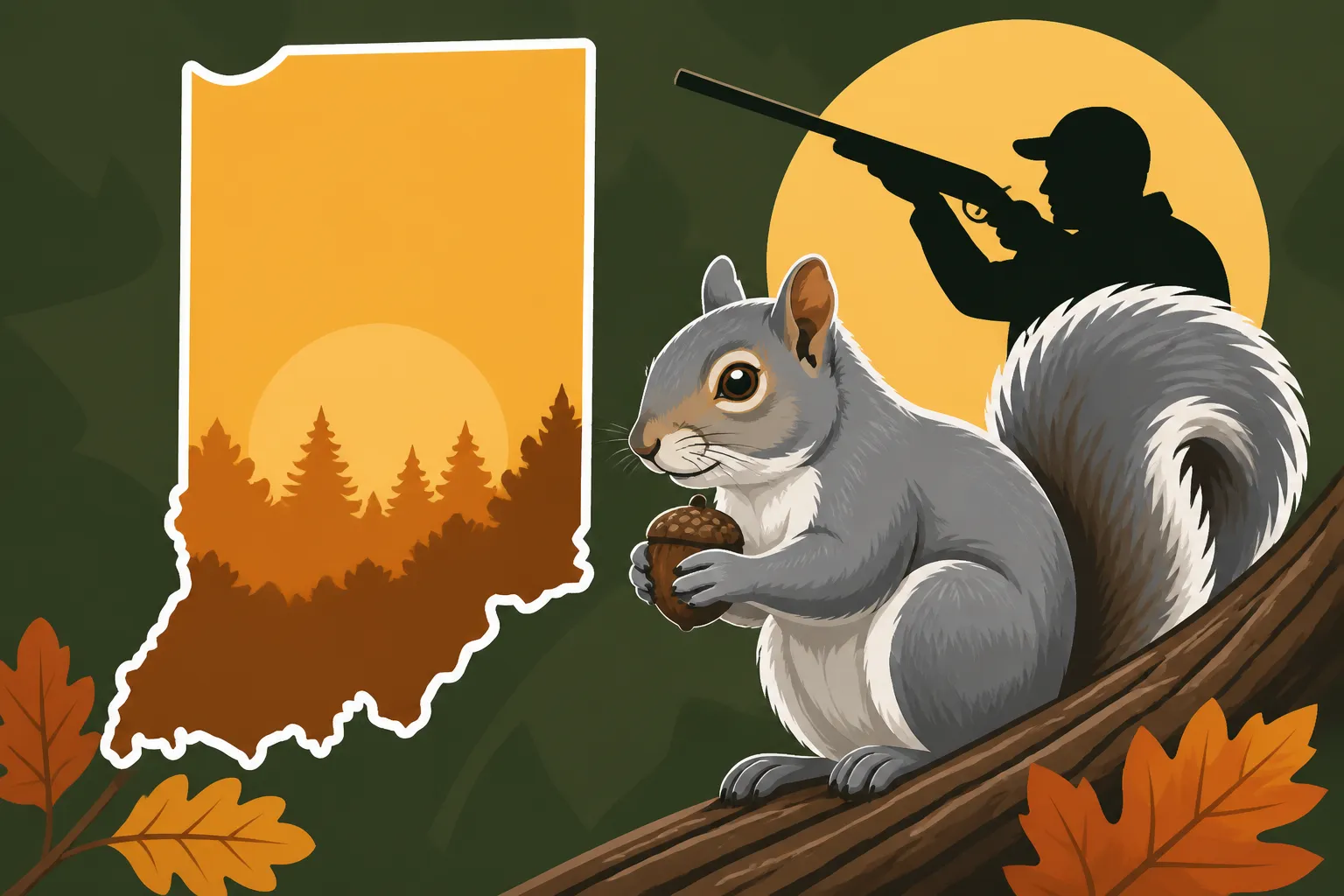
Hunting squirrels in Indiana offers a fantastic opportunity to get out in the woods, hone your skills, and fill your freezer, but keeping track of the specific season dates can sometimes feel like trying to nail jelly to a tree. It's frustrating to plan a trip only to realize you've missed the opener or are outside the legal window. This comprehensive guide will walk you through the official Indiana squirrel season dates, detail the regulations you need to follow, and share practical advice to help you make the most of your time chasing bushy-tailed game in the Hoosier State.
Navigating Indiana's Annual Squirrel Season Dates
Indiana's squirrel season is one of the longest and most accessible hunting opportunities we have, often kicking off well before the hustle and bustle of deer season. This extended period allows hunters of all experience levels to enjoy the woods, from the sweltering dog days of summer to the crisp chill of late fall. Understanding these dates is crucial, not just for legal compliance, but for planning your hunts to coincide with optimal squirrel activity and different woodland conditions.
Early Season Opportunities: Summer's Bounty
The early season for squirrels in Indiana typically starts in mid-August and runs through mid-December, overlapping with much of the archery and firearms deer seasons. This is fantastic news for hunters who want to shake off the off-season rust or introduce new hunters to the sport without the high pressure of big game. When the season first opens, you'll be dealing with hot, humid weather, and the woods will be thick with foliage. Squirrels, especially young ones, are abundant, having had their first litters earlier in the spring. You’ll often find them working the edges of fields or in mature timber, feeding heavily on green mast like unripe walnuts and hickory nuts, as well as early-ripening fruits and berries.
One common frustration this time of year is the sheer density of leaves, which makes spotting game a real challenge. You'll need to rely more on your ears, listening for the distinctive cutting of nuts or the rustling of leaves as they scamper through the canopy. Mornings are often the most productive, as squirrels are most active before the heat of the day sets in. It's a great time for a leisurely still-hunt through a known hickory grove or oak stand. Remember to carry plenty of water and dress in lightweight, breathable clothing. For a deeper dive into early season strategies, check out our guide on how early season squirrels give themselves away.
Mid-Season Momentum: Fall's Peak
As autumn progresses and temperatures begin to drop, Indiana's squirrel hunting transitions into its prime. The leaves start to turn and fall, dramatically improving visibility in the woods. This is when the hard mast, like acorns, walnuts, and hickory nuts, really starts hitting the ground, creating a smorgasbord for squirrels. They become incredibly active, foraging intensely to store up fat reserves for the coming winter. This period, roughly from late September through November, often coincides with the deer rut, so you might find yourself juggling hunting opportunities.
The mid-season offers some of the most enjoyable hunting conditions. The cooler air is invigorating, and the vibrant fall colors make for a beautiful backdrop. Squirrels are often less wary than later in the season, as they're still focused on feeding. This is an excellent time for both still-hunting and more stationary sits, especially around active feeders. Look for areas with a mix of mature oaks, hickories, and beeches, particularly near water sources or creek bottoms. It’s also a good idea to scout for fresh cuttings under nut trees; these tell-tale signs confirm active feeding areas. Understanding where they forage can greatly improve your chances, and our article on squirrel hunting Indiana hickory groves provides more detailed location tips.
Late Season Challenges: Winter's Grasp
The squirrel season extends into mid-December, often overlapping with the muzzleloader and late archery deer seasons. By this point, the trees are bare, offering maximum visibility, but the cold weather can make long sits less appealing. Squirrel activity tends to shift, with animals often staying in their dens longer during bitter mornings. However, on warmer, sunny days, they'll emerge to feed, particularly after a fresh snowfall. Snow can be a hunter's best friend, as it muffles sound and makes tracks incredibly obvious, revealing recent travel routes and feeding areas.
Hunting squirrels in the late season requires a bit more patience and cold-weather preparation. Focus on dense stands of evergreens or thick brush that offer thermal cover, as squirrels will often seek refuge there. South-facing slopes that catch more sunlight can also be productive. They'll still be looking for any remaining mast or digging up cached nuts. It's a quieter time in the woods, and a successful late-season hunt feels especially rewarding. Always dress in layers and ensure your gear can withstand the chill.
Here's a quick reference table for Indiana's general squirrel season dates and regulations:
| Season Phase | Typical Dates | Daily Bag Limit | Possession Limit | Legal Hours | Notes |
|---|---|---|---|---|---|
| Main Season | Mid-August to Mid-December* | 5 | 15 | One-half hour before sunrise to sunset | Applies to both Fox and Gray Squirrels. |
| Extended Season | Potentially through January | 5 | 15 | One-half hour before sunrise to sunset | Check current DNR regulations for specific extensions in certain areas. |
*Always verify exact dates with the current Indiana DNR Hunting and Trapping Guide, as they can shift slightly year-to-year.
Essential Licenses and Regulations for Indiana Squirrel Hunters
Before you even think about heading into the woods, it's absolutely critical to ensure you're properly licensed and understand all the regulations surrounding squirrel hunting in Indiana. Ignoring these details can lead to fines, loss of hunting privileges, and a generally unpleasant experience. The Indiana Department of Natural Resources (DNR) sets these rules to ensure sustainable wildlife populations and safe hunting practices for everyone.
Obtaining Your Indiana Hunting License
To hunt squirrels in Indiana, you’ll need a valid hunting license. For Indiana residents, this typically means a Resident Hunting License, which covers most small game species. Non-residents will need a Non-Resident Annual Hunting License. If you're planning on hunting other species, or if you prefer a bundled option, the state offers various packages, such as the Indiana Resident Deer Bundle, which includes a small game license component. It’s important to remember that all licenses operate on a fiscal year running from April 1st to March 31st, regardless of when you purchase them.
You can easily purchase your license online through the Go Outdoors Indiana website, at a licensed retailer like a sporting goods store, or even some county clerk offices. Many hunters find using the Indiana DNR app, or dedicated platforms like GoHunt, is incredibly convenient for purchasing and displaying their licenses right from their smartphone. Just make sure to always have proof of your license on your person while afield, whether it's a physical copy or a digital version on your phone. If you're new to hunting, remember to fulfill Indiana hunter education requirements before purchasing a license, unless you qualify for an apprentice license.
Bag Limits and Other Important Rules
Indiana has specific bag and possession limits for squirrels to help manage the population effectively. As noted in the table above, the daily bag limit is generally five squirrels, and the possession limit is fifteen. This means you can harvest up to five squirrels in a single day, but you cannot have more than fifteen in your possession at any given time, including those at home in your freezer. These limits apply to both fox and gray squirrels, the two main species you'll encounter in Indiana.
Beyond limits, there are other crucial rules:
- Legal Firearms: For squirrels, you can use shotguns (with shot not larger than No. 4), rimfire rifles (like a .22LR), air rifles, and even some muzzleloaders. Always verify the most current regulations for specific caliber or gauge restrictions.
- Blaze Orange: During any firearms deer season (including youth, firearms, and muzzleloader seasons), all hunters are required to wear hunter orange. This applies even if you are squirrel hunting. A minimum of 500 square inches of solid outer blaze orange, or blaze pink, must be displayed above the waist and visible from all directions. This is a critical safety rule that saves lives.
- Reporting: Unlike deer or turkey, you are not required to physically check or report your squirrel harvest to the DNR.
- Public vs. Private Land: Ensure you have permission to hunt on private land. If hunting on public land, always be aware of specific property rules, such as those regarding vehicle access or tree stand placement. Our article on Indiana's Small Game Season Rules provides more comprehensive details.
It’s always a good practice to download or pick up a copy of the current year's Indiana Hunting and Trapping Guide. This document is your ultimate authority on all regulations and clarifies any ambiguities.
Strategic Timing and Tactics for Indiana Squirrel Hunting
Knowing the season dates is just the first step; truly successful squirrel hunting in Indiana comes down to understanding squirrel behavior and employing effective tactics throughout the different phases of the season. Your approach in August will be vastly different from a hunt in December, and adapting is key.
Early Season Stealth and Scouting
When the season kicks off in mid-August, the woods are a lush, green jungle. Visibility is often poor, and the humidity can be stifling. This makes stealth paramount. Instead of trying to spot squirrels from afar, focus on quiet movement and listening. Walk slowly, pausing frequently, and use your ears. Squirrels are noisy eaters; the sound of hickory nuts being cut or acorns falling will often give away their presence. This is also a fantastic time for scouting, even if you’re not hunting. Look for concentrated areas of nut-bearing trees and fresh cuttings on the ground.
A great tactic for the early season is to set up near a mast tree that’s just beginning to drop its bounty, like a hickory or an early-dropping oak. Find a comfortable spot with a good backrest against a large tree, ensuring you break up your silhouette, and simply wait. Many hunters prefer a .22 rifle for this close-quarters work, aiming for headshots to preserve meat. The early morning and late evening hours are typically the most productive when temperatures are cooler. Remember that the woods can be thick, so focusing on clear shooting lanes will be crucial. Consider a reliable daypack for your essentials.
Mid-Season Movement and Calling
As the leaves begin to fall in October and November, the dynamic shifts. Visibility improves dramatically, allowing for longer shots and easier spotting. Squirrels are in full feeding mode, often less cautious as they try to pack on weight for winter. This is when a more active approach can pay off. Still-hunting remains effective, but you can cover more ground and scan larger areas. Look for concentrations of oaks, particularly white oaks, which are often preferred by squirrels.
This is also an excellent time to incorporate calling into your repertoire. A simple bark call or a distress call can often pique a squirrel's curiosity, causing it to freeze or even come closer to investigate. Many hunters successfully use a variety of calls, including mouth calls and bellows, to mimic the sounds of other squirrels or a predator. Combine calling with slow movement and frequent stops to scan the treetops. Our guide on squirrel hunting Indiana bottomland hardwoods emphasizes that these areas often concentrate squirrels during the mid-season due to abundant food and water sources.
Late Season Precision and Persistence
By December, the bare trees give you a clear view, but the colder weather means squirrels may be less active for prolonged periods. Persistence is your friend in the late season. Focus on warmer, sunny days, especially after a cold snap, as squirrels will be more inclined to emerge and forage. Look for them feeding on any remaining mast, or digging up nuts they buried earlier in the fall.
One highly effective late-season tactic is to focus on den trees. Squirrels often den in hollow trees, old woodpecker holes, or even leaf nests. On cold days, they'll emerge, warm themselves in the sun, and then go straight to feeding. Knowing where these dens are can give you a significant advantage. A good pair of binoculars can be invaluable for spotting squirrels curled up in branches or peering from den openings. For hunters using muzzleloaders, the late season can offer a unique challenge and a great way to extend your time in the woods. Dress warmly, layer up, and bring a hot thermos of coffee or tea to endure the cold.
| Season Period | Key Behavior | Recommended Tactics | Ideal Gear |
|---|---|---|---|
| Early Season | Feeding on green mast, often less wary | Slow still-hunt, listen for cuttings, morning focus | .22LR, lightweight clothing, hydration |
| Mid-Season | Intense foraging on hard mast, active | Still-hunt, calling, target oak/hickory stands | .22LR, shotgun, binoculars, basic calls |
| Late Season | Denning, sunning, digging cached nuts | Patience, focus on den trees, scout for tracks | Warm layers, .22LR, shotgun, binoculars |
Understanding Indiana's Squirrel Population and Habitat
Indiana is blessed with a healthy population of both fox squirrels and gray squirrels, offering ample opportunities for hunters. While the regulations treat them largely the same, understanding their preferred habitats and behaviors can help you target specific areas and increase your success.
Fox Squirrels: The Farm Country Bushy-Tails
Fox squirrels are the larger of Indiana's two main squirrel species, recognized by their reddish-orange fur and often chunkier build. They are highly adaptable and thrive in a variety of habitats, but you'll most commonly find them in open, mature woodlands, especially those interspersed with agricultural fields and scattered woodlots. They love the edges of timber, where they can forage in fields for corn or soybeans, and then quickly retreat to the safety of the trees. This makes them a common sight in the northern and central farmland regions of Indiana.
Their larger size makes them a bit easier to spot, and they tend to spend more time on the ground than gray squirrels. When you’re hunting areas like the fringe of a standing cornfield adjacent to a timber block, you're likely targeting fox squirrels. They're also less skittish than grays, often allowing for slightly closer approaches before they bolt. Hunting these areas might involve setting up on a field edge or still-hunting through smaller woodlots. For more insights on the species, our article "Gray Versus Fox Squirrels in Indiana" offers a detailed comparison.
Gray Squirrels: The Deep Woods Acrobats
Gray squirrels, as their name suggests, are typically smaller and have gray fur, often with a white belly. They are creatures of the deep woods, preferring large, contiguous tracts of mature hardwoods, particularly those dominated by oak and hickory trees. You'll find them in abundance throughout southern Indiana's hill country, places like the Hoosier National Forest, Morgan-Monroe State Forest, and Yellowwood State Forest. They are incredibly agile, spending a significant amount of their time high in the canopy, leaping from branch to branch.
Gray squirrels are generally more nervous and quicker to alarm than fox squirrels. Their tendency to stick to the dense canopy means a good shotgun can be an effective tool, especially in thick timber where a quick shot might be your only chance. When still-hunting for gray squirrels, move even slower and scan the upper branches meticulously. Listening for the rustle of leaves high above or the sound of nuts falling can be more productive than purely visual spotting. Our guide on Hoosier National Forest Hunting provides context on the typical terrain and cover where gray squirrels thrive. Understanding their habitat preferences, combined with information on Indiana squirrel nest counts and mast crops, can help predict where they will be most active during any given year.
Squirrel hunting in Indiana is a time-honored tradition that offers consistent action and delicious table fare. By staying informed about the season dates, adhering to regulations, and adapting your tactics to the changing seasons, you'll be well on your way to a successful and enjoyable experience in the Hoosier woods.
Disclaimer
The information provided in this article is for general guidance only and is not a substitute for the official regulations published by the Indiana Department of Natural Resources (DNR). Hunting laws and season dates can change, and it is the responsibility of every hunter to consult the most current Indiana Hunting and Trapping Guide before heading afield. Always prioritize safety and ethical hunting practices.