Ring-Necked Pheasants in Indiana
Oh, the ring-necked pheasant. For many of us Indiana hunters, the thought of these brilliantly plumed birds conjures up images of bygone eras, or perhaps a challenging but rewarding day on a managed hunt. It’s a pursuit that’s equal parts nostalgia and modern-day strategy, often peppered with a bit of frustration as we try to understand where these elusive birds fit into our state's hunting landscape today. If you've ever wondered why you don't see as many wild pheasants as your grandpa used to, or how to even begin planning a pheasant hunt in Indiana now, you're not alone. This guide aims to pull back the curtain on Indiana's pheasant populations, from their fascinating history to the nitty-gritty details of finding and pursuing them, whether it's on a stocked field or in one of the few remaining wild pockets.
The Rise and Fall of Indiana's Ring-Necked Pheasants
It’s easy to look back at old hunting photos or hear stories from seasoned hunters and feel a pang of longing for what once was. The ring-necked pheasant, with its vibrant colors and explosive flush, seems almost custom-made for the kind of upland hunting many of us dream of. But here in Indiana, the reality of pheasant hunting has shifted dramatically over the decades. Understanding this history is crucial to appreciating the challenges and opportunities we face today.
A Brief History of Pheasant Introduction
Pheasants weren't always a part of the Hoosier landscape, believe it or not. These magnificent birds are native to Asia and were first successfully introduced to North America in the late 1800s. Their widespread success was largely due to their adaptability to agricultural landscapes, thriving in the mosaic of small farms, hedgerows, and diverse crops that once dotted the Midwest. Indiana, with its fertile farmlands and varied terrain, seemed like a perfect fit.
The first significant introductions in Indiana began in the early 1900s, often through private efforts and later by the state. Farmers and sportsmen saw the potential for a new, exciting game bird, and pheasants quickly took to the scattered fields of corn, wheat, and oats, along with the brushy fence rows and woodlots. They were hardy, prolific, and offered an incredible hunting experience. It was a golden era for upland hunters, a time when a walk across a farmer's field could genuinely result in a bursting flush and a limit of colorful roosters. The enthusiasm was palpable, and for decades, pheasants were considered a staple of Indiana's hunting tradition.
The Golden Age and Subsequent Decline
For several decades, Indiana was prime pheasant country, particularly in the northern and central parts of the state. Hunters enjoyed abundant populations, and the birds became deeply ingrained in our hunting culture. Farms were smaller, more diversified, and crucial habitat elements like fallow fields, pastureland, and dense fencerows were common. These areas provided everything pheasants needed: secure nesting cover, protection from predators, and a steady supply of food. The sight of a rooster pheasant strutting through a field or the sound of their cackling flush became a familiar and cherished part of autumn.
However, as the mid-20th century progressed, changes in agricultural practices began to quietly, but devastatingly, erode pheasant habitat. The advent of larger, more efficient farming equipment led to bigger fields and the removal of those vital fencerows and woodlots that served as critical cover. Monoculture farming, focusing on vast acreages of corn and soybeans, reduced the diversity of food sources and eliminated nesting and brooding habitat. Pesticide use also impacted insect populations, which are a crucial protein source for pheasant chicks. What once made Indiana perfect for pheasants slowly became their undoing. The decline wasn't sudden; it was a slow, almost imperceptible erosion of the places they called home, leading to a noticeable drop in populations that disheartened many hunters and conservationists alike.
The Current State of Wild Pheasant Populations
Today, the wild pheasant population in Indiana is, to put it mildly, a shadow of its former self. While the birds aren't entirely gone, their presence is largely restricted to very specific, often isolated pockets of suitable habitat. These areas are typically characterized by a unique combination of protected grasslands, managed wildlife areas, or private lands where landowners are actively engaged in habitat restoration. We're talking about places where diverse cover is present year-round, not just a sea of monoculture crops.
It’s tough out there for a wild pheasant. The genetic purity of some of these remaining wild birds is also a topic of discussion among biologists, with some arguing that repeated historical stocking efforts might have blended the gene pool. For hunters, this means that finding truly wild pheasants requires a significant amount of scouting, patience, and often, a bit of luck. It's a challenging endeavor, but for those who find success, the reward of harvesting a truly wild Hoosier rooster is deeply satisfying, a connection to that golden age our grandfathers spoke of. The good news is that organizations and the Indiana Department of Natural Resources (IDNR) are working hard to identify and protect these remaining strongholds, hoping to give wild populations a fighting chance at a comeback. You can often find reports on Where Wild Pheasants Persist in Indiana through IDNR publications.
Understanding Pheasant Habitat in the Hoosier State
If you want to hunt pheasants, whether wild or stocked, you've got to think like a pheasant. Their habitat needs are pretty specific, and understanding these requirements is key to locating birds and having a successful hunt. Indiana's landscape has changed so much, which is precisely why their populations have struggled. Knowing what makes good pheasant ground helps you identify those precious few spots that still hold them.
Ideal Cover for Roosting, Nesting, and Brood Rearing
Pheasants are masters of concealment, and they rely heavily on dense, undisturbed cover for nearly every aspect of their lives. When we talk about ideal cover, we’re picturing a diverse mix of vegetation. Tall, sturdy grasses, like switchgrass or native prairie grasses, are absolute gold for nesting hens in the spring. They need enough density to hide their nests from predators and provide protection from the elements.
As for roosting and general escape cover, pheasants love thick, brushy fencerows, un-mowed field borders, and the edges of small woodlots. These areas provide vital thermal cover during harsh Indiana winters, shielding them from bitter winds and heavy snow. During the day, they'll often hold tight in dense cattail sloughs or patches of multiflora rose, using the thick cover to avoid detection. Think about what offers maximum protection and a sense of security – that's where pheasants want to be.
The Importance of Food Sources and Water
You can have the best cover in the world, but without a reliable food source and access to water, pheasants won't stick around. In agricultural areas, waste grain from corn and soybean fields is a critical component of their diet, especially during the colder months when other food sources are scarce. They'll scratch around these fields, picking up dropped kernels and beans. Beyond that, they also feast on a variety of weed seeds, particularly those found in undisturbed field edges and fallow ground.
During the spring and summer, especially for growing chicks, insects are an incredibly important protein source. Grassy fields, particularly those with a good mix of wildflowers and broadleaf plants, teem with grasshoppers, crickets, and other bugs that are vital for chick development. As for water, pheasants can get a lot of their hydration from dew, succulent vegetation, and insects, but proximity to small ponds, marshy areas, or even drainage ditches can be an added bonus, particularly during dry spells. When you're scouting, look for that combination of thick cover right alongside a reliable food source – that’s often the jackpot.
Habitat Challenges and Conservation Efforts
Let's be real, the biggest challenge for pheasants in Indiana is habitat loss. The relentless march of intense, large-scale agriculture has stripped the landscape of much of the diverse cover they need. Those old, brushy fencerows? Gone, replaced by drain tile and vast, unbroken fields. Small woodlots? Often cleared for more acreage. This habitat fragmentation makes it incredibly difficult for wild pheasant populations to thrive, leading to isolated pockets where they might hang on, but struggle to expand.
The good news is that there are dedicated efforts to combat this. The IDNR, often in partnership with conservation groups like Pheasants Forever and the National Wild Turkey Federation, works tirelessly to restore and maintain crucial habitat. Programs exist to convert marginal farmland back to native grasslands, plant food plots, and create brushy cover areas on public and private lands. Landowners who enroll in programs like the Conservation Reserve Program (CRP) or other state initiatives play a vital role in providing these islands of habitat. While it's an uphill battle against economic pressures to maximize crop yields, these efforts offer a glimmer of hope for Indiana Pheasant Season and Stocking and the future of wild pheasants in our state. Every acre of restored grassland, every new brushy edge, is a step in the right direction.
Where to Find Pheasants in Indiana Today (Stocked vs. Wild)
Alright, so we know the history and what good pheasant habitat looks like. Now, the million-dollar question: where do you actually go to hunt them in Indiana? This is where understanding the distinction between stocked and wild birds becomes critical, because your approach and expectations will be vastly different for each.
Public Hunting Areas with Stocked Pheasants
For many Hoosier hunters, the most reliable pheasant hunting experience comes from Indiana's well-managed public land stocking programs. The Indiana Department of Natural Resources (IDNR) stocks thousands of pheasants annually on various Fish and Wildlife Areas (FWAs) across the state. These areas are specifically managed to provide the necessary cover and food sources, making them ideal for these introduced birds. It's a fantastic way to experience pheasant hunting, even if it's not the same as chasing wild birds.
Popular FWAs known for their pheasant stocking programs include Willow Slough FWA, Tri-County FWA, Winamac FWA, Glendale FWA, Atterbury FWA, and J.E. Roush FWA, among others. Hunters often need to apply for a reserved spot, especially for opening weekends, through a drawing system managed by the IDNR. These hunts are incredibly popular, and for good reason – the chances of encountering birds are significantly higher. When hunting these areas, be prepared for company, as many hunters are out enjoying the experience. It's an excellent opportunity to introduce new hunters to upland bird hunting or to just enjoy a brisk walk with your dog, knowing there's a good chance of a flush. Information about specific FWA draws and the full list of participating areas is usually available on the Go Outdoors Indiana website. Knowing the rules for specific FWAs is vital, and you might even consider scouting some areas before the season if possible, though birds are often released shortly before or during the hunt.
Chasing Wild Pheasants: Pockets of Opportunity
Now, for those seeking the ultimate challenge and a true connection to Indiana's past, chasing wild pheasants is a different beast entirely. Let’s not sugarcoat it: truly wild, self-sustaining pheasant populations are rare in Indiana. You won't find them behind every fence post like in some other states. However, there are still pockets of opportunity, usually in the extreme northern and northwestern parts of the state, where habitat conditions have remained just viable enough. Counties like Newton, Jasper, Benton, and some parts of White and Pulaski counties might still hold some wild birds. These areas often feature larger tracts of grassland enrolled in conservation programs, or private landowners who have maintained excellent habitat for decades.
Finding these elusive birds requires a significant investment of time, scouting, and often, local knowledge. You'll be looking for that perfect storm of dense, year-round cover adjacent to agricultural fields that provide winter food. Think long, undisturbed fencerows bordering CRP fields, cattail marshes next to unharvested grain, or areas with a mix of diverse cool-season and warm-season grasses. Success here is measured not just in birds in the bag, but in the sheer thrill of hearing a wild rooster cackle as it bursts from cover, a testament to its survival against the odds. Be prepared for a lot of walking and potentially few flushes, but the experience of connecting with truly wild Indiana pheasants is unparalleled.
Private Land Access and Permission
Whether you're after stocked birds or the wild kind, securing access to private land can dramatically increase your opportunities, especially if you're not lucky enough to draw a public FWA hunt. Many of those precious pockets of wild pheasants, and even just good habitat for a mixed bag, are on private farms. This often means knocking on doors and respectfully asking for permission. It's an art form, really, and it takes patience and persistence.
When approaching landowners, always be polite, well-dressed, and clear about your intentions. Offer to share some of your harvest or help with small chores on the farm. Showing respect for their property, closing gates, and driving carefully are non-negotiables. A tool like GoHunt or other mapping apps can be invaluable here. While they can't grant permission, they can help you identify landownership, allowing you to focus your efforts on specific parcels that appear to have good habitat from aerial views. Look for those areas where crop fields meet un-mowed areas, thick creek bottoms, or brushy fencerows. Often, the best strategy is to build a relationship over time, perhaps starting with squirrel or rabbit hunting and then inquiring about pheasants later in the season. Remember, a "no" today might be a "yes" next year, and a respectful hunter leaves a good impression for future access.
Essential Gear and Tactics for Indiana Pheasant Hunting
Pheasant hunting, whether on a managed release site or in pursuit of a wily wild bird, demands the right gear and a solid understanding of tactics. It's a physically demanding sport, often involving miles of walking through challenging terrain. Having your setup dialed in can make all the difference between a frustrating day and a memorable one.
Shotgun and Ammunition Choices
For pheasant hunting, a reliable shotgun is paramount. While preferences vary, a 12-gauge or 20-gauge shotgun is generally recommended, offering a good balance of power and maneuverability. Many hunters prefer an over-under or side-by-side for quick follow-up shots, but a semi-automatic or pump-action works just as well. As for choke, a modified choke is a popular all-around choice, providing a good pattern for shots that might range from 20 to 40 yards. If you expect closer flushes in very dense cover, an improved cylinder might be preferred.
Ammunition-wise, lead shot in sizes 5 or 6 is standard for pheasants, delivering enough energy to bring down these tough birds. However, it's crucial to remember that many public hunting areas, especially those near wetlands or with specific environmental considerations, may require non-toxic shot. Always check the regulations for the specific area you plan to hunt. Non-toxic options like steel, bismuth, or tungsten matrix are available, though they can be more expensive. Patterning your shotgun with your chosen choke and ammunition before the season is always a smart move. You want to know exactly how your gun performs at typical pheasant ranges, especially if you're venturing into areas that might require different shot types. For a deeper dive into optimal scatterguns, check out Upland Guns for Fencerow Cover.
Upland Apparel and Footwear
Indiana pheasant hunting means walking, and often through thick, thorny, and sometimes wet cover. Your clothing needs to be as tough and functional as you are. The most crucial piece of gear is a good pair of brush pants or chaps. These are designed to withstand thorns, briars, and abrasive cover, protecting your legs from painful scratches and tears. Many are water-resistant, which is a huge plus when pushing through dewy grass or after a light rain.
Next, an upland vest is invaluable. These vests are designed with large game bags in the back to carry your birds, as well as multiple pockets for shells, water, dog training supplies, and snacks. Most importantly, blaze orange is a legal requirement in Indiana during firearms season and strongly recommended for safety during any upland hunt. Opt for a vest with plenty of visible orange to ensure you're seen by other hunters. Lastly, comfortable, waterproof, and sturdy boots are non-negotiable. You'll be covering miles over uneven ground, through mud, and potentially snow. A good pair of ankle-supporting, waterproof boots will save your feet and make the hunt much more enjoyable. Think about investing in quality socks too; blisters can quickly ruin a hunt. For more advice on tough footwear, you can explore topics like Boots for Walking Indiana Farm Country.
Hunting with Dogs: A Game Changer
While it’s certainly possible to hunt pheasants without a dog, having a well-trained bird dog is, without a doubt, a game-changer. These intelligent animals dramatically increase your success rate and, frankly, make the entire experience infinitely more enjoyable. Dogs do two main things for pheasant hunters: they find birds you would otherwise walk past, and they retrieve downed birds from thick cover, preventing lost game.
There are generally two types of dogs suited for pheasant hunting: pointing breeds and flushing breeds. Pointing breeds, like German Shorthaired Pointers, English Setters, or Brittanys, will "point" a bird, freezing when they scent it, allowing you to walk in and prepare for the flush. This can be incredibly exciting and allows for more controlled shots. Flushing breeds, such as Labrador Retrievers, English Springer Spaniels, or Cocker Spaniels, will systematically work cover, flushing birds out for the hunter. They are also excellent at retrieving. Regardless of the breed, a well-trained dog understands commands, stays within reasonable range, and retrieves promptly. Training takes time and dedication, but the bond you form and the increased success in the field are incredibly rewarding. You'll want to read up on Running Pointing Dogs on Indiana Pheasants if you're considering a canine companion.
Solo Hunter Tactics and Strategies
Not everyone has a dog, or a hunting buddy available for every outing, and that’s perfectly fine! Solo pheasant hunting is absolutely doable, though it requires a different approach. The biggest challenge is that pheasants are notorious for running, and without a dog to pin them down or push them, they can slip away unseen. The key to solo success is to slow down, be methodical, and use the terrain to your advantage.
Instead of trying to cover vast open areas, focus on working smaller, denser patches of cover. Think thick fencerows, small patches of cattails, brushy creek bottoms, or the edges of dense woodlots. Walk slowly, pausing frequently, and expect a flush at any moment. Pheasants will often hold tight, hoping you'll walk past. If you're working a linear piece of cover, like a fencerow, try to walk parallel to it, just inside the cover, or even weave in and out. If you have a block of cover, try to push it towards a natural barrier like a road, ditch, or a more open field, which might make the birds hold or flush rather than run. Using the wind can also be beneficial, as it carries scent and can help you anticipate flushes. Remember, patience is your best friend when solo hunting pheasants. You might not get as many opportunities as with a dog, but the ones you do get will be hard-earned and incredibly satisfying.
Navigating Indiana's Pheasant Season Rules and Regulations
Hunting pheasants in Indiana isn't just about knowing where to go or what gear to use; it's also about understanding and adhering to the state's rules and regulations. These rules are in place to ensure fair chase, promote safety, and manage the pheasant resource responsibly. Skipping this step can lead to fines, loss of hunting privileges, and a generally unpleasant experience, so let’s make sure you’re squared away.
Key Season Dates and Bag Limits
The Indiana pheasant season generally opens in early November and runs through mid-December, though exact dates can shift slightly year to year, so always confirm with the most current Indiana hunting regulations guide from the IDNR. It often coincides with the later portions of the state’s deer seasons, so awareness of other hunters in the field is crucial.
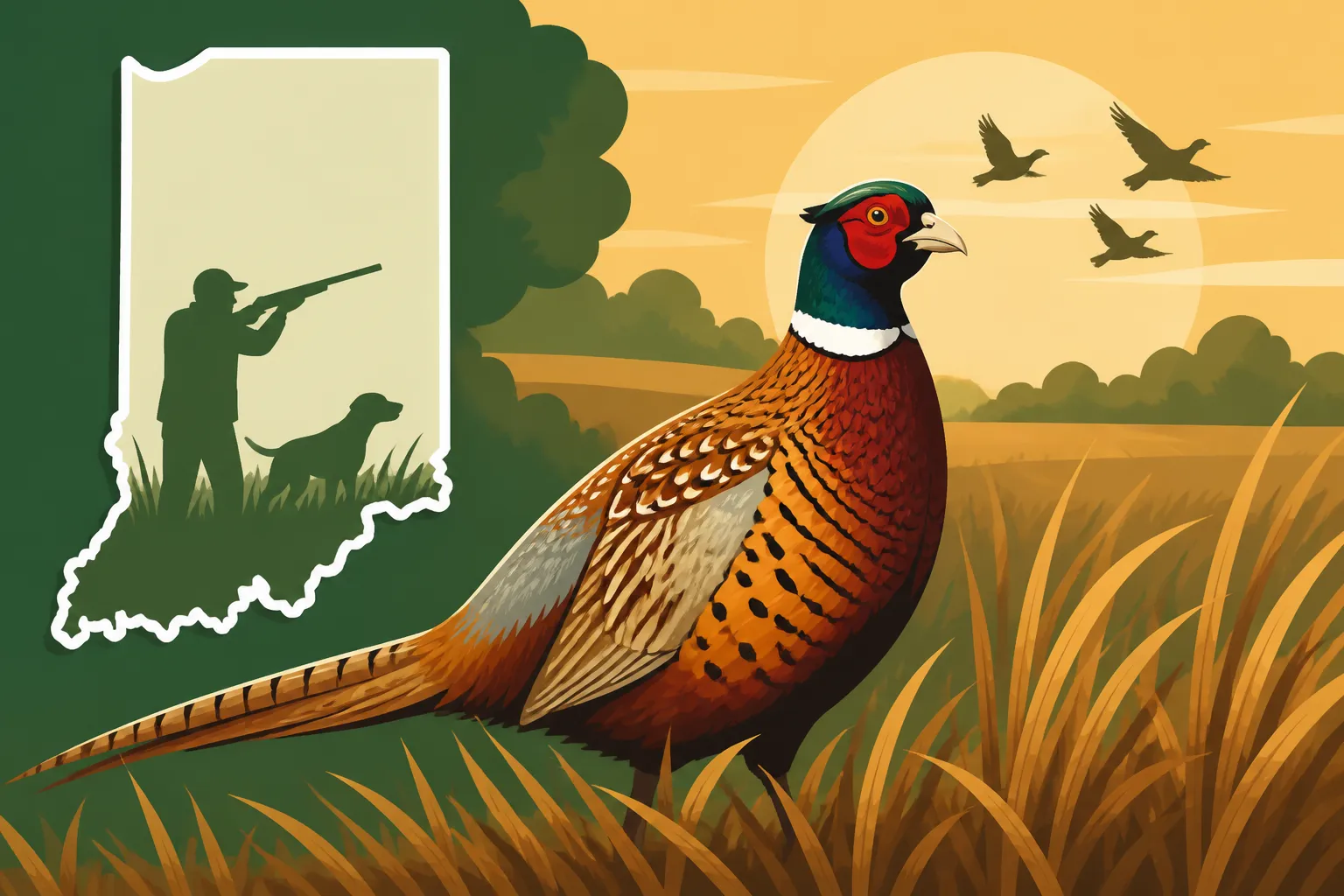
The daily bag limit for pheasants in Indiana is typically two (2) birds, and the possession limit is usually four (4) birds. It’s important to note that only male pheasants (roosters) can be harvested. Hen pheasants are protected to allow them to reproduce and sustain the population. You’ll easily distinguish a rooster by its vibrant plumage, long tail feathers, and the distinct white ring around its neck, unlike the more subtly camouflaged hen. On some managed hunts at specific Fish and Wildlife Areas, the bag limit may differ slightly, or additional requirements (like signing out your birds) may apply, so always double-check the FWA-specific rules if you're participating in a put-and-take hunt.
License and Permit Requirements
Before you even step foot in a pheasant field, you'll need the proper licensing. For Indiana residents, this typically means a valid Indiana Resident Hunting License and an Indiana Game Bird Habitat Stamp. Non-residents will need a Nonresident Hunting License and the Game Bird Habitat Stamp. These stamps are vital, as the funds generated directly support habitat improvement projects for upland game birds across the state.
If you plan to hunt pheasants on a put-and-take hunt at a Fish and Wildlife Area, you might also need to apply for a special permit or participate in a drawing, as mentioned earlier. These managed hunts often have specific dates and quotas, and showing up without the proper reservation can leave you disappointed. You can purchase licenses and stamps, and check for FWA drawing details, through the Go Outdoors Indiana website or at authorized license vendors. For a complete breakdown of what you'll need, be sure to check out Indiana Resident License Options or Indiana Hunting Licenses and What They Cost. Always carry proof of your licenses and permits while hunting, whether it’s a physical copy or stored digitally on your phone via the Go Outdoors Indiana mobile app.
Blaze Orange and Safety Considerations
Safety is paramount, especially when hunting upland birds where multiple hunters, and often dogs, are moving through dense cover. In Indiana, all hunters are required to wear hunter orange when hunting pheasants, quail, partridge, grouse, or woodcock. This typically means wearing a solid or mesh hunter orange garment as an outer layer, visible from all directions. The specific requirements can be found in the hunting regulations, but generally, it's a minimum of 500 square inches above the waist, including a head covering. Blaze pink is also an option that meets the requirement.
Beyond the legal requirement, wearing plenty of blaze orange significantly enhances your visibility to other hunters and helps prevent accidents. When hunting with a group, communicate clearly, know where everyone is at all times, and establish safe shooting lanes. Never shoot at sound or movement – always positively identify your target and what's beyond it. Be mindful of your dog's location too. If you're hunting in areas where deer hunting is also occurring (which is common during November and December), be extra vigilant. Carry a fully charged cell phone for emergencies, and consider carrying a basic first-aid kit, especially if you're traversing rough terrain.
Conservation and the Future of Indiana Pheasants
The story of pheasants in Indiana is intrinsically linked to habitat and conservation. It's a tale of decline, but also one of persistent effort and hope. Understanding the work being done and how you, as a hunter, can contribute is vital for securing any future for these beautiful birds in our state.
The Role of IDNR and Conservation Groups
The Indiana Department of Natural Resources (IDNR) plays a pivotal role in pheasant conservation through various strategies. Their most visible effort is the popular put-and-take pheasant stocking program on public Fish and Wildlife Areas, which provides direct hunting opportunities and helps keep interest in upland hunting alive. Beyond that, the IDNR also manages and restores habitat on public lands, creating the dense grasslands, brushy edges, and food plots that pheasants need to survive. They conduct research, monitor populations, and work with private landowners through technical assistance programs to encourage habitat improvements.
However, the IDNR cannot do it alone. Non-profit conservation organizations are absolutely critical to these efforts. Groups like Pheasants Forever (PF) and Quail Forever (QF) are on the front lines, raising funds and implementing habitat projects on the ground. PF often works directly with private landowners, providing seed, equipment, and expertise to establish native grasses and diverse cover. They advocate for policies that support wildlife habitat and engage in educational outreach. When you buy your Indiana Game Bird Habitat Stamp, you're directly contributing to these efforts. Supporting these organizations, whether through membership, donations, or volunteering, amplifies the impact and offers tangible hope for Indiana's pheasants.
How Hunters Can Contribute to Pheasant Recovery
As hunters, we often feel a deep connection to the land and the game we pursue. This connection gives us a unique responsibility and opportunity to contribute to pheasant recovery. One of the most impactful ways is through active participation in habitat work. This could mean volunteering at a local FWA to help with planting, brush clearing, or prescribed burns. Even on a smaller scale, if you own land, planting native grasses, establishing diverse cover crops, or simply leaving field edges un-mowed can create vital mini-sanctuaries for pheasants and other wildlife.
Another significant contribution is supporting conservation organizations directly. Whether it's joining your local Pheasants Forever chapter, making a donation, or attending fundraising events, your financial support directly translates into more acres of restored habitat. Additionally, being an ethical and responsible hunter helps maintain the positive image of our sport. Following all regulations, practicing good sportsmanship, and being an ambassador for conservation can help foster public support for wildlife management initiatives. Hunters are often the first to notice changes in wildlife populations, and by reporting sightings of wild pheasants (or lack thereof) to the IDNR, you provide valuable data that helps biologists track populations and focus conservation efforts.
Challenges and Hopes for Future Generations
The road to widespread pheasant recovery in Indiana is undeniably steep. The economic realities of agriculture often dictate vast fields of monoculture, making it hard to reintegrate the diverse habitat that pheasants thrive in. Climate change introduces new variables, potentially affecting nesting success or increasing extreme weather events. The sheer scale of habitat loss is a monumental challenge that requires sustained, long-term commitment.
However, there is always hope. Increased awareness, evolving agricultural practices that incorporate conservation tillage and buffer strips, and the tireless efforts of conservationists offer glimmers of a brighter future. The success stories of other game species, like the wild turkey in Indiana, show that with dedicated effort and appropriate habitat, wildlife populations can rebound. For future generations to experience the thrill of a wild pheasant flush, it will require continued investment in habitat, smart land management, and a collective commitment from hunters, landowners, and conservation agencies. It's an ongoing journey, but one worth pursuing to ensure the cackle of a wild rooster is not just a fading memory.
Pheasant Cleaning and Cooking
You've put in the miles, navigated the cover, and your dog (or your keen eye) has done its job. Now you've got a beautiful rooster in hand, and the work isn't quite done. Preparing your pheasant for the table is an important part of the hunting experience, ensuring that your hard-earned bird is treated with respect and turned into a delicious meal.
Field Dressing and Transporting Your Bird
Immediately after harvesting your pheasant, the first priority is to cool the bird down. If the weather is cool, simply hanging the bird in a breezy, shaded spot for an hour or two can help. In warmer conditions, you might want to field dress it. Field dressing a pheasant is straightforward: make a small incision in the abdomen, reach in, and remove the internal organs. This helps the bird cool more rapidly, reducing spoilage and preventing the gamey flavor that can sometimes occur if entrails are left in too long in warm weather.
Once field dressed (or simply cooled), transport your pheasant properly. Many upland vests have large game pouches for this purpose. If you're in a vehicle, avoid leaving birds in a hot trunk. Place them in a cooler with ice (keeping them out of direct contact with meltwater, perhaps in a sealed bag or elevated) or at least in a well-ventilated area. The goal is to get the bird chilled as quickly as possible and keep it clean until you can fully process it.
Plucking vs. Skinning
When it comes to preparing a pheasant for cooking, you essentially have two main options: plucking or skinning. Each has its pros and cons, and your choice often comes down to personal preference and how you plan to cook the bird.
Plucking: This method preserves the skin, which many chefs argue is crucial for flavor and moisture, especially when roasting or grilling. The skin, with its thin layer of fat, helps keep the meat tender and prevents it from drying out. Plucking can be done dry or wet (scalding the bird briefly in hot water to loosen feathers). It's more time-consuming and can be a bit messy, but the reward is a whole bird with skin intact, perfect for a classic roast pheasant. If you want to maximize flavor and presentation, plucking is the way to go.
Skinning: This is a much faster and easier method, especially if you're new to processing birds. Simply cut the skin around the legs and neck, and then peel it away, often taking most of the feathers with it. The downside is you lose the skin and the fat layer beneath it, which can make the meat drier if not cooked carefully. Many hunters who skin their pheasants opt to breast out the bird and remove the leg and thigh meat, discarding the rest of the carcass. This method is great if you plan to use the meat in stir-fries, stews, or recipes where the skin isn't critical. It also makes for easier storage.
Simple and Delicious Pheasant Recipes
Pheasant meat is lean, flavorful, and incredibly versatile in the kitchen. If you've plucked your bird, roasting is a fantastic option. A whole roasted pheasant with herbs, garlic, and a splash of white wine or chicken broth can be a showstopper. Brining the bird beforehand can help ensure moisture and tenderness, especially if you're worried about it drying out.
For skinned birds or just the breast meat, there are countless possibilities. Pheasant breasts can be pan-fried, grilled, or sautéed. They cook quickly, so be careful not to overcook them. Think pheasant marsala, pheasant schnitzel, or even simple grilled pheasant with your favorite marinade. The leg and thigh meat, which can be a bit tougher, is excellent for slow-cooking methods. Consider braising pheasant legs in a rich sauce or using them in a hearty pheasant stew or chili. Don't be afraid to experiment! Wild game often shines with rustic, comforting preparations that highlight its natural flavors.
Table: Indiana Fish and Wildlife Areas with Pheasant Stocking
To help you plan your next hunt, here's a table outlining some of the key Indiana Fish and Wildlife Areas that participate in the pheasant stocking program, along with a brief note on what to expect. Always consult the current IDNR regulations and specific FWA websites for the most up-to-date information on drawing periods, hunt dates, and special rules.
| FWA Name | Location (General Region) | Typical Stocking Program | Key Features / Notes |
|---|---|---|---|
| Willow Slough FWA | Northwest Indiana | Yes, drawing required | Known for diverse upland habitat; requires application for drawn hunts, especially popular for opening weekends. Specific hunt units are designated. |
| Tri-County FWA | Northeast Indiana | Yes, drawing required | Offers a mix of wetlands and upland habitat; popular for both pheasant and waterfowl. Draws are competitive. |
| Winamac FWA | North-Central Indiana | Yes, drawing required | Features extensive grassland and agricultural fields, ideal for pheasant release. Good potential for dog work. |
| Glendale FWA | Southwest Indiana | Yes, drawing required | Offers good habitat variety, including grassland and brushy areas. Part of a larger complex, popular among southern Indiana hunters. |
| Atterbury FWA | Central Indiana | Yes, drawing required | Managed for various game species; pheasant stocking provides additional upland opportunities. Located relatively close to Indianapolis, increasing accessibility. |
| J.E. Roush FWA | Northeast Indiana | Yes, drawing required | Combines wooded areas with open fields; pheasant hunts are focused on suitable upland sections. Check for specific hunt zone details. |
| Pigeon River FWA | Northeast Indiana | Yes, drawing required | While known for other game, it also hosts pheasant stocking. Diverse habitat including wetlands, forests, and fields. |
| Kingsbury FWA | Northwest Indiana | Yes, drawing required | Another strong contender in NW Indiana with good upland cover. Be prepared for potentially crowded conditions on popular hunt dates. |
| Crosley FWA | Southeast Indiana | Yes, drawing required | Features rolling hills and varied habitat, offering a different landscape experience for pheasant hunters compared to the northern FWAs. |
Please note: The availability and specific rules for pheasant stocking programs at these FWAs can change annually. Always verify the most current information directly from the Indiana Department of Natural Resources or the Go Outdoors Indiana website before making your plans.
Disclaimer
Hunting laws and regulations, season dates, and specific public land rules in Indiana are subject to change. While every effort has been made to provide accurate and up-to-date information in this guide, it is the hunter's sole responsibility to consult the most current Indiana Department of Natural Resources (IDNR) hunting regulations and any specific property rules before engaging in any hunting activity. This content is for informational purposes only and does not constitute legal advice. Always prioritize safety, ethical hunting practices, and compliance with all applicable laws.