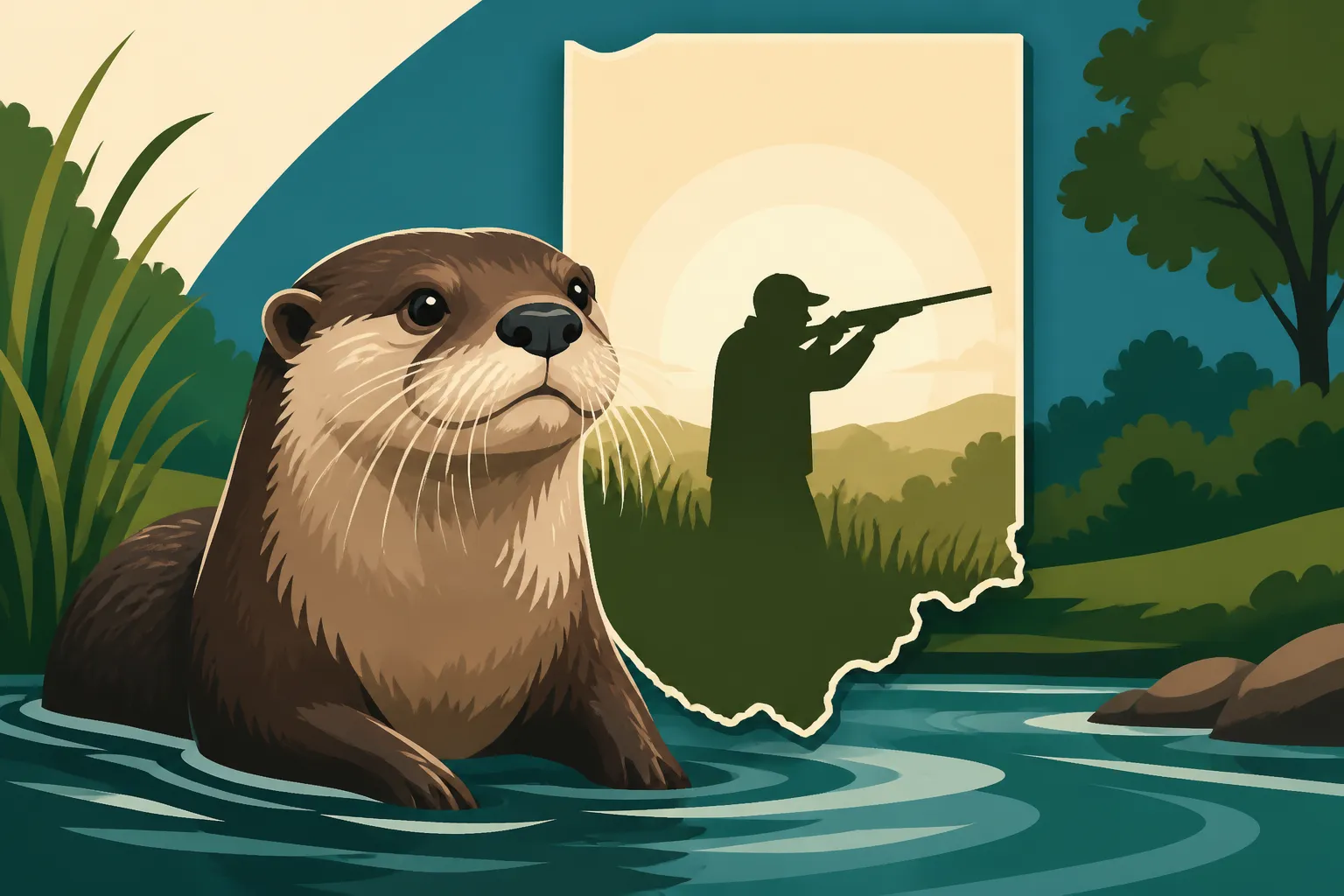
Indiana River Otter Recovery
It's heartbreaking to imagine a time when Indiana's rivers and wetlands, teeming with life, lacked one of their most charismatic residents: the river otter. For decades, these playful, sleek furbearers were a ghost in the Hoosier State, a casualty of habitat destruction and unchecked exploitation. But thanks to dedicated conservation efforts, our state has witnessed one of the most remarkable wildlife recovery stories, bringing these incredible animals back to their rightful place in our ecosystems.
The Silent Disappearance: Tracing Indiana's Otter Decline
For generations, river otters were a natural, vibrant part of Indiana's waterways. They were here, living their lives, fishing in our creeks and playing along our banks. But the relentless march of human development, coupled with unsustainable practices, pushed them to the brink. It wasn't a sudden, dramatic event, but a slow, creeping loss that saw them vanish from our landscape.
Historical Presence and Early Decline
Think back to what Indiana looked like before extensive farming and industrialization. Our state was a mosaic of vast forests, sprawling wetlands, and meandering rivers. This was prime habitat for river otters, which thrive in healthy aquatic environments. They were here, flourishing, for thousands of years. Early records from settlers and trappers confirm their widespread presence across the state. They were a valued furbearer, yes, but also a common sight. However, as the 19th century gave way to the 20th, the pressure on their populations began to mount, quietly at first, then with increasing intensity.
Habitat Loss and Water Quality Challenges
The biggest blow to Indiana's otters came from the radical transformation of their homes. Wetlands were drained to make way for agriculture, forests were cleared, and rivers were channelized. This didn't just reduce the amount of available space; it fragmented what remained, isolating populations. On top of that, water quality took a nosedive. Industrial pollution, agricultural runoff, and untreated sewage turned once-pristine streams into toxic environments where fish couldn't survive, and otters, being apex predators, suffered from the accumulation of these toxins in their diet. It's tough to thrive when your home is gone and your food is poisoned.
Over-Trapping and Market Pressures
While habitat loss was the primary driver, over-trapping certainly sealed the otters' fate. Before strong wildlife management and conservation ethics took hold, furbearers were harvested with little regard for sustainable numbers. Otter pelts were highly prized, and trappers, trying to make a living, took what they could. Without regulations or population monitoring, there was no way to halt the decline. By the early 1900s, river otters were extirpated from Indiana—gone, completely. It was a stark reminder of what happens when we don't manage our natural resources wisely.
A Comeback Story: The River Otter Reintroduction Project
The absence of otters was deeply felt, a silent testament to a lost piece of Indiana's wild heritage. But thankfully, the story didn't end there. Recognizing the ecological void and the potential for restoration, the Indiana Department of Natural Resources (DNR), along with countless partners and dedicated individuals, embarked on an ambitious reintroduction program. It was a true labor of love, a testament to what's possible when conservation becomes a priority.
The Reintroduction Program: A Bold Vision
The vision to bring river otters back wasn't just a hopeful wish; it was a scientifically planned, multi-year undertaking. Beginning in 1986, the Indiana DNR initiated a program to reintroduce otters into suitable habitats across the state. The idea was simple but profound: take otters from healthy, thriving populations elsewhere and release them into carefully chosen Indiana waterways, hoping they would establish new breeding populations. This wasn't a cheap or easy task, requiring careful planning, significant funding, and precise execution. Each otter represented an investment in the future of Indiana's wildlife.
Sources of New Populations: A Collaborative Effort
Where do you find otters when your own state has none? This reintroduction was a collaborative interstate effort. The first otters released in Indiana came primarily from Louisiana and Arkansas, states with robust, healthy river otter populations. Over several years, more than 300 river otters were captured, carefully examined, and then transported to Indiana. They were released at various sites, including areas along the Blue River, Patoka River, and the Wabash River. Imagine the sight: these wild, energetic creatures being released into a new home, carrying the hopes of a state on their sleek shoulders. It was a beautiful moment, symbolizing a new chapter for Indiana's natural landscape.
Monitoring and Early Successes
Releasing animals is only the first step. The real work then shifts to monitoring their progress. DNR biologists and volunteers worked tirelessly to track the reintroduced otters, using radio telemetry and looking for signs like scat, tracks, and slides on riverbanks. The early signs were incredibly promising. Otters began to establish territories, and, crucially, they started to reproduce. Young kits, a sure sign of success, were observed in multiple locations. These early victories fueled further efforts and demonstrated that the reintroduction was working, slowly but surely spreading across the state. While it took time, the commitment to monitoring provided invaluable data, helping to ensure the program's long-term success.
Thriving Again: Where Indiana's Otters Call Home Today
Today, if you're out scouting for deer in a river bottom, or perhaps Hunting the Wabash River Valley, you might just catch a glimpse of a river otter. Their presence is no longer a historical footnote but a living, breathing reality, a testament to effective conservation. They've found their footing again, and are actively enriching our state's diverse ecosystems.
Population Growth and Distribution Map
From those initial releases, Indiana's river otter population has grown exponentially. They’ve expanded their range far beyond the original release sites. You can now find them in nearly every county in the state, particularly in areas with good water quality and suitable habitat. It's not just a handful of isolated populations; it's a spreading, interconnected network of otters. This growth indicates a healthy, self-sustaining population, a major win for wildlife conservation in Indiana. They've recolonized habitats that were once barren of their presence, from the northern glacial lakes to the southern hill country rivers.
Key River Systems and Wetland Strongholds
While otters are widespread, certain areas are truly strongholds for them. Major river systems like the Wabash River, White River, and Kankakee River provide extensive habitat and abundant food sources. The expansive wetlands associated with these rivers, often found within Indiana's Fish and Wildlife Areas or State Forests, are also crucial. For example, areas around the Kankakee River Marshes or the Patoka River National Wildlife Refuge offer ideal conditions with plentiful fish and secure denning sites. These areas, rich in biodiversity, are perfect for otters, demonstrating the importance of protecting and restoring these vital aquatic ecosystems. If you're using a mapping tool like GoHunt to scout public land, look for those expansive riparian corridors and wetland complexes; they're prime otter territory.
Ecological Benefits of Otter Presence
The return of the river otter is more than just a feel-good story; it brings tangible ecological benefits. As a top predator in aquatic systems, otters play a crucial role in maintaining ecosystem health. They help control fish populations, keeping them balanced and preventing overpopulation of certain species. Their presence is also an indicator of good water quality; if otters are thriving, it's a strong sign that the aquatic environment is healthy for many other species, from fish to amphibians and even waterfowl. It’s a cascading effect, where the health of one species contributes to the well-being of the entire ecosystem. It's a clear demonstration of why biodiversity matters so much.
Coexisting with Our Aquatic Neighbors: Hunter and Landowner Insights
With the successful return of river otters, it’s natural for hunters, trappers, and landowners to have questions about how these animals fit into the broader landscape. Understanding their habits, their legal status, and potential interactions is key to harmonious coexistence. We all share this land and its resources, and knowing your neighbors – wild or otherwise – is always a good practice.
Identification: Telling Them Apart from Other Furbearers
River otters are quite distinct, but sometimes in a quick glance, especially at a distance, they can be confused with other furbearers like muskrats or mink. Otters are much larger, typically weighing 10-30 pounds, with a long, muscular body, a thick, tapered tail, and short, powerful legs. They have a distinct "loping" gait on land and are incredibly graceful swimmers. Muskrats are smaller, semi-aquatic rodents with a thinner, flattened tail, while mink are long, slender carnivores but significantly smaller than an adult otter. Their playful antics, often sliding down muddy banks, are another dead giveaway. If you see something large and torpedo-shaped zipping through the water or sliding on the bank, chances are it's an otter.
Here’s a quick comparison to help you tell them apart:
| Feature | River Otter | Muskrat | Mink |
|---|---|---|---|
| Size (Adult) | 10-30 lbs, 3-4.5 ft long (incl. tail) | 1.5-4 lbs, 1.5-2 ft long (incl. tail) | 1.5-3.5 lbs, 1.5-2.5 ft long (incl. tail) |
| Tail | Thick, muscular, tapered, furred | Thin, flattened, rudder-like, scaly | Bushy, cylindrical, often tipped with black |
| Body Shape | Long, sleek, torpedo-like, robust | Stocky, rounded, rat-like | Long, slender, flexible |
| Movement | Graceful swimmer, loping run on land, slides | Awkward on land, strong swimmer | Agile and quick on land, good swimmer |
| Habitat | Rivers, lakes, large wetlands, streams | Marshes, ponds, slow-moving water, small creeks | Streams, rivers, lakes, often near dens |
| Diet | Fish, crayfish, frogs, turtles | Aquatic vegetation, mussels, some small fish | Small mammals, birds, fish, frogs |
Impact on Fish and Waterfowl Populations
A common question is whether a robust otter population impacts other game species like fish or waterfowl. Otters do eat fish, and they are very efficient predators. However, they typically target smaller, slower-moving fish, which can actually help maintain a healthier, more balanced fish population by thinning out abundant species. As for waterfowl, while an otter might occasionally take a duckling or a nesting bird, this impact is generally minimal and localized. Waterfowl populations face far greater threats from habitat loss and predation by more common species like raccoons or coyotes. Otters are a natural part of the ecosystem, and their predation is a natural force that has coexisted with fish and waterfowl for millennia. They are not typically a significant threat to overall game populations.
Legal Protections and Trapping Regulations
It's absolutely critical to understand the legal status of river otters in Indiana. While they have made a fantastic comeback, they are still a protected furbearer. This means there is no open hunting season for river otters. However, the Indiana DNR does manage a highly regulated trapping season for otters, typically as part of the broader Indiana River Otter Trapping Season. This season is carefully set each year based on population surveys and is designed to ensure sustainable harvest levels. Trappers must possess the appropriate licenses and adhere to strict rules, including bag limits and reporting requirements. Accidental capture must also be reported. Always check the current Indiana Furbearer Regulations, available on the Indiana DNR website or through resources like GoHunt, to stay informed. Mistakenly taking an otter outside of the regulated trapping season can lead to significant penalties.
Looking Ahead: Protecting Indiana's River Otter Legacy
The river otter's journey from extirpation to widespread presence in Indiana is a conservation success story we can all be proud of. But the work isn't over. Ensuring these amazing animals continue to thrive for generations to come requires ongoing commitment, vigilance, and adaptation. We can't afford to be complacent.
Continued Habitat Protection and Restoration
The single most important factor for the long-term health of Indiana's river otter population is, and always will be, healthy habitat. This means protecting our existing wetlands and riparian corridors, and actively working to restore degraded areas. Efforts to improve water quality, control pollution, and manage stream banks benefit not only otters but countless other species, including many of Indiana's prized game animals. Projects that restore natural river flow, plant native vegetation along waterways, or protect critical wetland areas are investments in the future of our wildlife, including the majestic White-Tailed Deer Across Indiana and various waterfowl.
Understanding Population Dynamics
The DNR continually monitors the river otter population through various methods, including harvest data from trappers, public sightings, and specific surveys. This allows biologists to understand population trends, distribution changes, and overall health. Understanding these population dynamics is crucial for setting sustainable trapping seasons and identifying any potential issues, such as disease outbreaks, that might affect the otters. Just as we monitor for Chronic Wasting Disease in Indiana Deer, careful watch over our furbearer populations helps us respond quickly to challenges. This scientific approach ensures that management decisions are based on the best available data, safeguarding the otters' future. If you happen to spot an otter, you can often report your sighting to the DNR, contributing to this valuable data.
Community Engagement and Education
Finally, ongoing success hinges on community engagement and education. The more Hoosiers understand and appreciate the role of river otters in our ecosystems, the more likely they are to support conservation efforts. Educating landowners about best management practices for riparian zones, teaching anglers about respectful coexistence, and informing hunters and trappers about regulations are all vital components. When everyone is on board, working together, we create a more resilient and vibrant natural environment for all. It's about fostering a sense of stewardship, recognizing that these wild places and the creatures within them are a shared heritage that deserves our respect and protection. It's a journey we're all on together, ensuring Indiana's otters continue their playful lives for many years to come.
Disclaimer
This article is for general informational purposes only and does not constitute professional advice. Laws, prices and regulations vary by location and change over time. Consult a qualified professional for guidance on your specific situation.