Why Noble County’s Case Expanded the Positive Area
For Indiana hunters, the news of Chronic Wasting Disease (CWD) is always a heavy cloud on the horizon. When a positive case turns up, especially in a new county, it can feel like a setback for all the hard work we put into managing our deer herd. The recent situation in Noble County, leading to an expansion of Indiana's CWD positive area, has certainly raised questions and concerns for many of us who love chasing whitetails in the Hoosier State. This guide is here to break down exactly what happened in Noble County, why it led to a larger CWD management zone, and what this means for you as a hunter.
Understanding Indiana's CWD Challenge Before Noble County
Before we dive into the specifics of Noble County, it's really important to grasp the bigger picture of CWD in Indiana. It’s a disease that brings a lot of anxiety, and for good reason. No one wants to see our deer struggling, and we all want to ensure the health of the game we pursue.
What is Chronic Wasting Disease and Why It Matters for Indiana Hunters
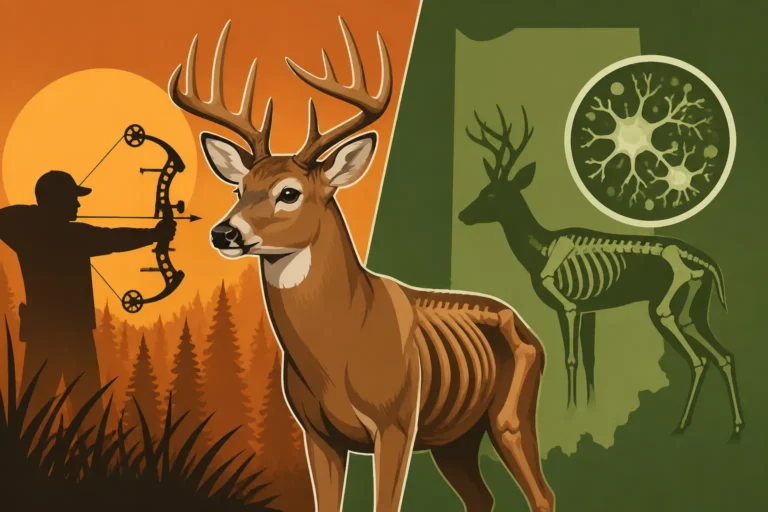
Chronic Wasting Disease is a truly insidious neurological disease that affects deer, elk, moose, and caribou. It's caused by abnormal proteins called prions, and once an animal contracts it, there's no cure. The disease slowly degrades the animal's brain, leading to symptoms like drastic weight loss (hence "wasting"), behavioral changes, excessive salivation, and a lack of coordination. Eventually, it's always fatal. From a hunter's perspective, this isn't just about losing a deer; it's about the potential long-term impact on the entire herd and the future of hunting. We pride ourselves on the health and abundance of our deer, and CWD threatens that on a fundamental level.
The Indiana Department of Natural Resources (DNR) takes CWD very seriously because it's so contagious and persistent in the environment. Prions can remain viable in soil for years, making eradication incredibly difficult once established. This is why when the first case was detected in Indiana, it immediately triggered a robust response. The frustration for hunters is palpable – we put in the time, money, and effort, and a disease like this feels like an invisible enemy. The initial establishment of the CWD positive area was a necessary but unfortunate step to try and contain this threat, primarily focusing on a handful of counties in the northeastern part of the state where the first cases were found.
Initial CWD Surveillance and Management Strategies
When CWD was first detected in Indiana, the DNR didn't waste any time establishing a focused surveillance and management plan. This initial strategy involved extensive testing of harvested deer within the identified risk zones, alongside efforts to educate hunters and the public about the disease. They set up specific check stations and encouraged voluntary submissions of deer heads for testing, all with the goal of understanding the prevalence and spread of the disease. It was a learning curve for everyone, including the DNR, as they worked to get a handle on this new challenge.
For hunters in those initial counties that comprised Indiana's Chronic Wasting Disease Positive Area, it meant adapting to new realities. There were conversations around herd reduction in specific areas, and certainly, a heightened awareness about any deer exhibiting unusual behavior. Hunters became the frontline defense, not just for harvesting deer, but for observing and reporting anything suspicious. The DNR also implemented carcass movement restrictions to try and prevent hunters from inadvertently spreading the disease to new areas if they harvested a CWD-positive deer. These rules, while sometimes inconvenient, were designed with the long-term health of the entire state's deer population in mind.
The Impact of the Noble County Case: A Closer Look at the Expansion
The discovery of CWD in Noble County was a significant moment in Indiana's fight against this disease. It represented a new geographical hot spot and, as a result, necessitated a reevaluation of the existing CWD management boundaries. This isn't just a lines-on-a-map exercise; it has real implications for hunters, landowners, and the deer themselves.
The Discovery in Noble County and its Immediate Implications
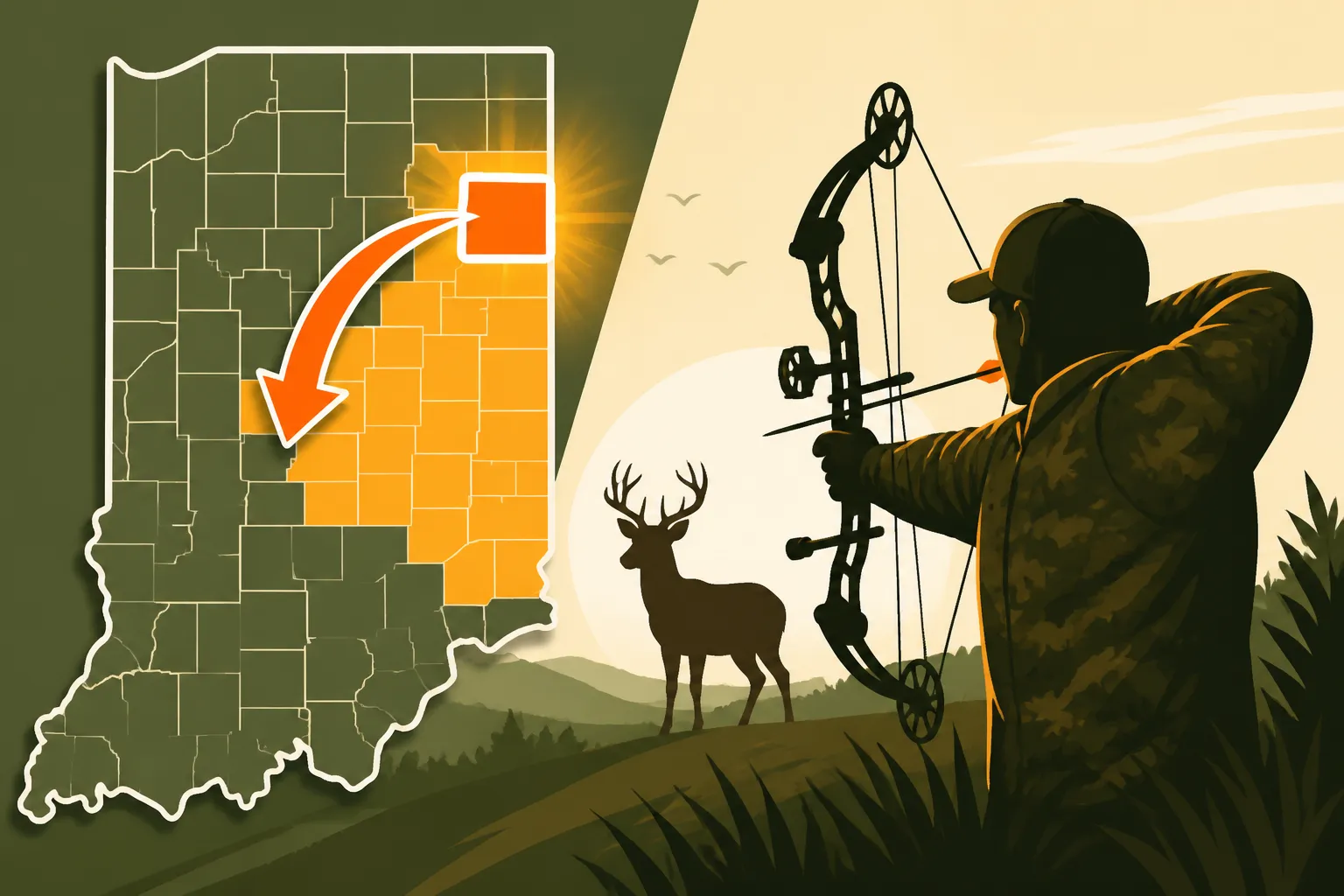
The confirmed case of CWD in a deer harvested in Noble County was, frankly, unwelcome news. Each new positive test is a stark reminder of the challenge CWD poses. When the Indiana DNR announced this detection, it wasn't just another statistic; it was a signal that the disease had popped up in a new location, specifically outside the previously established positive area. This single confirmed case immediately raised flags because it indicated potential localized spread beyond the original containment zone, which had primarily been centered around LaGrange and Steuben counties.
For the hunters in Noble County, this discovery instantly changed the landscape. Suddenly, their familiar hunting grounds were thrust into the spotlight of CWD management. The immediate implications included the potential for new regulations, increased scrutiny of harvested deer, and a general sense of unease about the local herd. The DNR's rapid response underscored the seriousness of the situation, recognizing that early action is crucial in slowing the progression of this stubborn disease. It's a tough pill to swallow when you’re used to certain freedoms and suddenly face new layers of bureaucracy, but it's all part of the necessary fight.
Why a Single County Triggered a Broader "Positive Area" Expansion
This is often where hunters get understandably frustrated and confused: why does one case in one county lead to a multi-county expansion? It seems disproportionate, right? The answer lies in the biology of CWD and how wildlife disease experts approach containment. Deer don't respect county lines. A single positive detection isn't an isolated incident; it’s an indicator of likely, even if undetected, presence in the surrounding area due to natural deer movement. The goal of the Indiana DNR is to establish a perimeter large enough to encompass the probable range of infected deer, giving them the best chance to monitor and manage the disease effectively.
The decision to expand Which Six Counties Sit in Indiana's CWD Positive Area, effectively adding more counties to the existing zone, is based on scientific modeling of deer movement patterns and the proximity of the new positive case. It’s not about punishing hunters in those counties, but about creating a buffer and ensuring comprehensive surveillance. Deer can travel, especially during the rut or in search of food, potentially carrying the prions with them. Therefore, a contiguous zone, even if not every square mile has a confirmed case, becomes vital. Think of it like a wildfire: you don't just fight the flames you see; you also set up containment lines far beyond them to stop the spread. The expanded zone is a containment line. To stay on top of these expanding zones and ensure you're hunting legally, I always recommend checking resources like the Indiana DNR website or a reliable mapping platform like GoHunt, which often integrates these regulatory boundaries right into their maps. It's an invaluable tool for any hunter trying to navigate these dynamic changes.
New Regulations and Hunter Responsibilities in the Expanded Zone
With the expansion of the CWD positive area, hunters in these newly designated counties, including Noble, face some updated regulations and increased responsibilities. The primary change often revolves around Mandatory Testing Inside Indiana's Positive Area. This means that if you harvest a deer within the expanded CWD zone, your deer might be subject to mandatory testing, or at the very least, you'll be strongly encouraged to submit samples for testing. This is a critical step for the DNR to gather more data and track the disease's prevalence.
Beyond testing, hunters will also need to be acutely aware of Indiana Carcass Movement Restrictions. These rules are designed to prevent the physical transport of deer parts that could potentially harbor CWD prions from a positive area to an unaffected area. Generally, this means you can't take certain parts of a deer—like the brain, spinal cord, or certain bones—out of the CWD positive area. You might be allowed to transport deboned meat, antlers (without brain matter), hides (without the head), or clean skulls. These regulations are sometimes cumbersome, requiring hunters to process their deer differently or at specific locations, but they are a cornerstone of preventing wider CWD spread. As hunters, it’s our responsibility to understand and adhere to these rules, not just for legal compliance but for the health of our shared deer resource. Ignoring them could have serious consequences for the future of hunting in Indiana.
Navigating Hunting in the New CWD Positive Area
Adapting to new CWD regulations can feel like moving the goalposts, especially when you're just trying to enjoy a passion that's been passed down for generations. But by staying informed and taking proactive steps, we can all contribute to managing this challenge and continue to enjoy Indiana's abundant wildlife.
Practical Advice for Hunters in Affected Regions
For those of us hunting in or near the expanded CWD positive area, being prepared and informed is more important than ever. First and foremost, before you even step foot in the woods, make sure you know the most current regulations for your specific hunting unit. The Indiana DNR website is your absolute best source for official information. You can also utilize apps like GoHunt that often have layers showing CWD management zones, allowing you to quickly visualize where you are in relation to these crucial boundaries. This kind of technology can be incredibly helpful when you're Scouting Indiana Public Land Before Season or even out in the field.
When you do harvest a deer in one of these affected counties, immediately familiarize yourself with the process for Finding an Indiana CWD Sampling Location. This might be a self-serve kiosk, a staffed check station, or a cooperating taxidermist or meat processor. It’s a good idea to have a plan for how you’ll handle your deer carcass before you even pull the trigger. Consider processing your deer yourself on-site if possible, removing all high-risk materials before transporting the allowed parts out of the zone. This preemptive planning can save you a lot of headache and ensure you're in full compliance with the Indiana Carcass Movement Restrictions. And always, always, report any deer you see that appears sick or emaciated. Contacting the DNR about a deer exhibiting symptoms is an important part of our collective responsibility as stewards of the herd.
The Future of CWD Management and Hunter Involvement
The fight against CWD is not a sprint; it's a marathon, and it's one that will require ongoing vigilance and adaptation from both the Indiana DNR and the hunting community. We can expect CWD management strategies to continue evolving as scientists learn more about the disease and as its prevalence changes across the landscape. This could mean adjustments to surveillance efforts, further refinements to carcass disposal regulations, or even changes in harvest strategies in certain areas. For example, if data indicates higher prevalence, there might be increased encouragement for hunters to fill antlerless tags in those specific zones to help manage herd density.
Hunter involvement remains absolutely critical to the success of CWD management. We are the eyes and ears in the woods, often the first to notice changes in deer behavior or herd health. Continuing to participate in CWD testing programs, adhering to all regulations, and staying informed through resources like the DNR's official communications are paramount. Our collective effort helps the DNR collect vital data, which in turn informs their management decisions. The long-term health of White-Tailed Deer Across Indiana depends heavily on how we, as hunters, partner with wildlife managers to face this challenge head-on. It's not always easy or convenient, but it's an essential part of being responsible conservationists.
Disclaimer
This article is for general informational purposes only and does not constitute professional advice. Laws, prices and regulations vary by location and change over time. Consult a qualified professional for guidance on your specific situation.