Duck Migration Timing Through Indiana
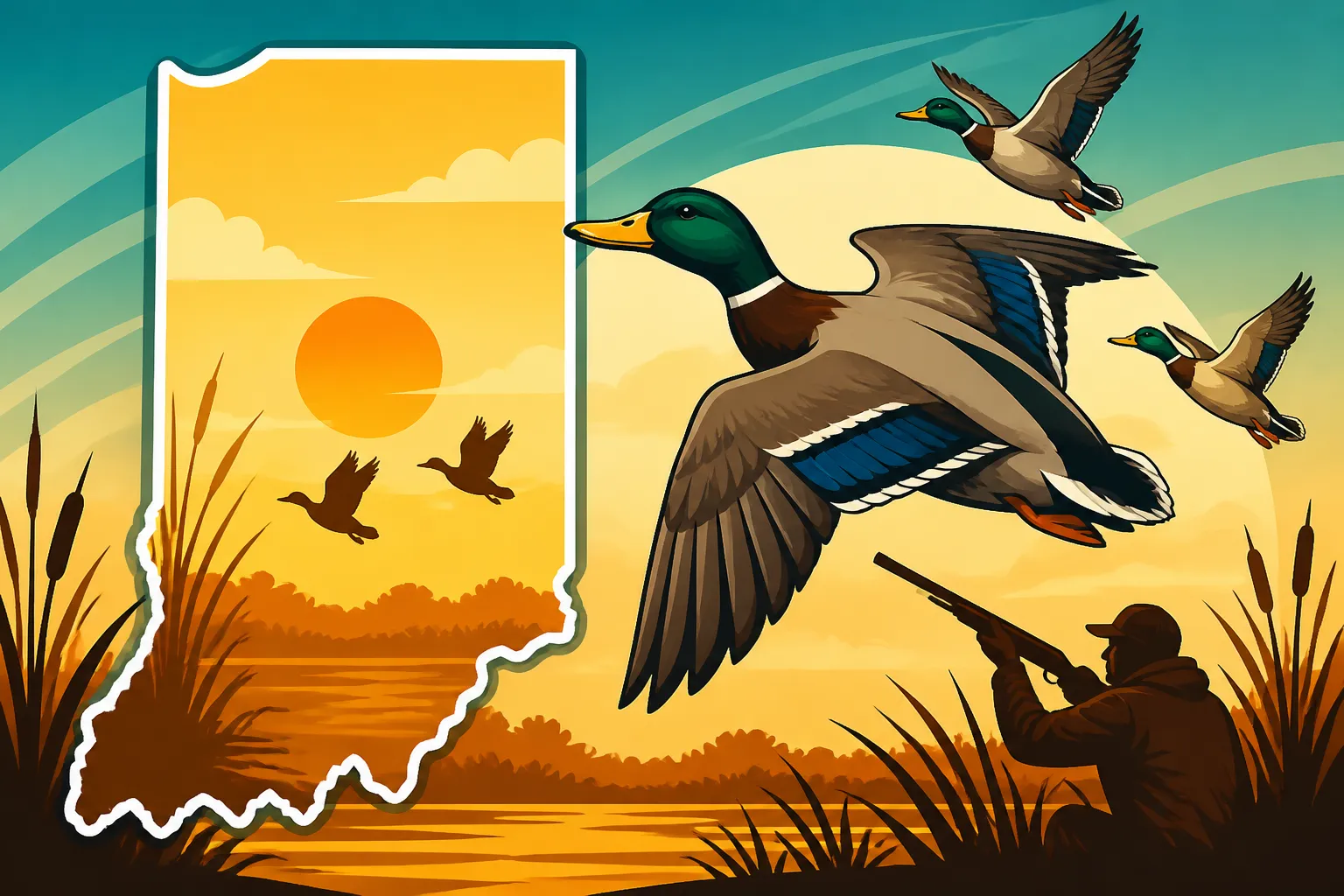
Trying to figure out when those ducks are going to show up in Indiana can feel like trying to predict the weather – sometimes you're spot on, and other times, well, you're left staring at an empty sky. It’s a common frustration for Hoosier waterfowl hunters, whether you're after those early teal or hoping for a late-season mallard push. This guide is here to shed some light on the general duck migration timing through Indiana, helping you understand the patterns, the species involved, and the factors that influence when those birds decide to drop into our state.
Understanding the Great Flyways and Indiana's Place
Indiana isn't just a place; it's a critical stopover on one of the continent's most important avian highways. For waterfowl hunters, understanding this larger picture is key to predicting when ducks might start showing up in your neck of the woods. It's more than just a calendar date; it's about continental weather patterns and instinctual drives.
The Mississippi Flyway: Indiana's Waterfowl Highway
Our state sits squarely within the Mississippi Flyway, a massive migratory corridor stretching from the Arctic tundra all the way down to the Gulf of Mexico. This flyway acts like a funnel, guiding millions of ducks and geese through Indiana twice a year – once in the fall as they head south, and again in the spring as they return to their breeding grounds. This strategic location means that while some birds are just passing through, many others consider our lakes, rivers, and flooded fields vital refueling stations. The sheer volume of birds that pass through here makes Indiana a prime destination for waterfowlers, if you can hit the timing right.
Being part of such a vital flyway means we're constantly seeing new birds moving in and out, especially as weather fronts push them south. It's not a static population; it's a dynamic, ever-changing landscape where yesterday's birds might be hundreds of miles south today. This constant flux is what makes waterfowl hunting so exciting, but also so challenging. Keeping an eye on regional weather reports and even reports from states north of us can give you a leg up, helping you anticipate those big pushes. You might find a mapping tool like GoHunt helpful for tracking weather systems and even looking at public land access points along typical migration routes.
Factors Influencing Migration Timing
Ducks don't consult a human calendar; their movements are dictated by a complex interplay of natural factors. Understanding these elements is crucial for anticipating when different species will arrive. The primary drivers are photoperiod (the length of daylight), temperature, and food availability. As days shorten and temperatures drop up north, it signals to ducks that it's time to head south. Early cold snaps can trigger earlier movements, while a prolonged warm fall can delay things considerably, much to the chagrin of eager hunters.
Another huge factor is water. Specifically, freezing water. Once ponds, marshes, and even larger lakes start to ice over in the northern breeding grounds and staging areas, ducks are forced to move. They need open water for resting and foraging, so a hard freeze north of Indiana will almost inevitably push birds into our state, looking for more hospitable conditions. Conversely, if our local waters freeze solid, they'll just keep moving south, which can be incredibly frustrating after days of scouting. Food availability also plays a big role. If a particular area has abundant waste grain or aquatic vegetation, ducks may linger longer, provided the water remains open. This is why agricultural fields, especially those near wetlands, are so important to late-season birds.
Early Season Ducks: Teal and Wood Ducks Leading the Charge
The first real wave of migratory ducks that Indiana hunters typically encounter are the early arrivals, primarily different species of teal and our beloved wood ducks. These birds have different habits and preferred habitats than the later-season ducks, and understanding their timing is crucial for a successful early hunt.
Early Teal Season: A Sprint to the Finish
Indiana's special early teal season, usually in September, is a fantastic opportunity to kick off the waterfowl season. These small, fast-flying ducks, mainly blue-winged teal, are among the first to feel the urge to migrate. They've typically finished breeding up in the northern prairies and begin their southward journey well before the major cold fronts hit. When Indiana's Early Goose Season Tactics in Indiana are in full swing, so too are the teal starting to filter in. You'll often see the biggest pushes of blue-winged teal during the first two weeks of September, particularly after a cool front pushes through the northern states.
Green-winged teal will also start showing up during this period, though their peak migration tends to be a bit later, often overlapping with the regular duck season opener in October. The early teal season is a sprint because these birds don't tend to linger. They are strong migrants, often pushing through Indiana quickly on their way to the Gulf Coast or even further south. Scouting shallow wetlands, flooded agricultural fields, and small ponds is key to finding them. A good mapping app like the one offered by GoHunt can help identify potential shallow water habitats that might hold early teal. Look for areas with dense emergent vegetation or newly flooded sections of fields, as these offer both food and cover.
Wood Ducks: Forested Creek Bottom Jewels
Ah, the wood duck – arguably one of Indiana's most beautiful waterfowl, and often one of the first to offer consistent hunting opportunities. Unlike the teal, many wood ducks are actually locally raised birds, having nested in tree cavities along our river bottoms and wooded swamps. However, by late September and early October, they are joined by migrant wood ducks from further north. These birds are less influenced by hard freezes than divers or mallards, but they will still move south as food sources diminish and daylight hours shorten.
You'll find wood ducks favoring wooded waterways, flooded timber, and secluded backwaters. They love acorns and other mast crops found in bottomland hardwoods. Their migration timing often peaks in mid to late October, before the severe cold sets in, but you can find resident wood ducks almost until the first hard, widespread freeze of winter. Hunting Wood Ducks in Indiana River Bottoms requires a different approach than open-water hunting, often focusing on jump-shooting or setting up small spreads in tight cover. It’s a truly classic Indiana waterfowl experience.
The Main Event: Mallards, Divers, and the Mid-Fall Push
When most Hoosier hunters think of "duck season," their minds usually go straight to the mallard, and for good reason. These birds, along with various species of divers, make up the bulk of the mid-to-late fall migration. This is when the action really picks up, and consistent cold weather starts to play a dominant role.
Mallards and Other Dabblers: The Bread and Butter
Mallards are the quintessential duck for many Indiana hunters, and their migration timing is heavily tied to the progression of fall. While some mallards are resident birds, the vast majority we hunt in Indiana are migrants from the prairie potholes and boreal forests to our north. Their main push usually begins in earnest in late October and continues through November. This aligns perfectly with The Indiana Rut in Early November, often making it a tricky decision for hunters who love both deer and ducks!
The big mallard flights are often triggered by significant cold fronts or snow events in states like Wisconsin, Michigan, Minnesota, and the Dakotas. As those northern waters lock up, mallards move south in large numbers, seeking open water and food. They are incredibly adaptable and will readily utilize large reservoirs, smaller wetlands, and especially flooded crop fields. Hunters scouting for Layout Blind Hunting Indiana Farm Fields will often find success during these periods. Other dabblers like pintails, gadwalls, and wigeon also move through during this time, often mingling with mallards. Expect good numbers of these species from late October through mid-November, with stragglers remaining into the colder months if conditions allow.
Diver Ducks: Deep Water Specialists
Diver ducks, such as canvasbacks, redheads, scaup (bluebills), and ring-necked ducks, have slightly different migration patterns and habitat preferences than dabblers. While dabblers can feed in shallow water by tipping up, divers need deeper water to forage, often diving to retrieve aquatic vegetation and invertebrates. You'll find them on larger bodies of water – big lakes, reservoirs, and wide rivers. Our famous Hunting the Kankakee River Marshes is a prime example where divers can often be found.
The main diver push typically arrives in November, often a bit later than the first big wave of mallards. They are generally more tolerant of cold than dabblers, but they too will be forced south as large bodies of water begin to freeze. Look for them on the deeper sections of lakes like Monroe, Patoka, and Wawasee. Diver Hunting on Northern Indiana Lakes can be incredible, but it requires specialized tactics, often involving large spreads of decoys and sometimes even marsh boats or layout blinds to conceal hunters on open water. A major cold blast from the north that starts to skim ice on bigger waters will bring these birds in.
Late Season Strategy: Battling the Cold and Ice
As December rolls into January, duck hunting in Indiana transitions into a true test of grit and determination. The migration isn't over, but the remaining birds are hardy, and hunting them requires adapting to increasingly harsh conditions. This is when understanding where to find open water and consistent food sources becomes paramount.
Freezing Temps and Final Flights
By mid-December, many of the less cold-tolerant ducks have moved further south. The birds that remain in Indiana, or those that continue to trickle in from still-freezing regions to our north, are typically the toughest of the tough. These are often large numbers of mallards, hardy diver species like goldeneyes and buffleheads, and various species of geese. The key trigger for these late-season movements is prolonged, severe cold that locks up even large bodies of water. When you see temperatures consistently below freezing, and ice starts forming, that's your cue.
This late push might not bring the sheer variety of species, but it can bring incredible numbers of birds. If a substantial portion of the Ohio River or the larger reservoirs begin to freeze, those displaced birds will concentrate on any remaining open water. This might be tailwaters below dams, spring-fed ponds that resist freezing, or even small flowing creeks. Hunters targeting these last flights need to be prepared for truly frigid conditions. Heavy layering, insulated waders, and reliable hot drinks are not luxuries; they're necessities for staying in the blind long enough to connect.
Finding Remaining Open Water
The biggest challenge for late-season waterfowl hunters in Indiana is simply finding open water where ducks can rest and feed. As temperatures plummet, sheet ice can quickly cover vast areas. Savvy hunters will focus their efforts on specific types of habitats that resist freezing or are quickly re-opened. River systems, especially those with strong currents like the Wabash or White River, will often be the last to freeze and the first to open up after a slight warm-up. Look for bends, oxbows, and small sloughs that retain some flow.
Spring-fed ponds and shallow impoundments with aeration systems can also be magnets for ducks when everything else is locked up. These small pockets of open water can hold surprisingly large numbers of birds. Furthermore, agricultural fields, especially those near consistent water sources, remain critical. Ducks will often loaf on open water during the day, then fly out to waste grain in nearby fields during the evening to feed under the cover of darkness. This pattern holds true even when many Mallards and Geese on Kankakee Marshes have pushed through. A dedicated search using mapping tools and on-the-ground scouting is essential to identify these crucial late-season refuges. Remember to consult your Indiana Duck and Goose Bag Limits as you strategize for these final pushes.
Table: General Duck Migration Timing in Indiana
| Migration Phase | Typical Timing | Primary Species | Key Influences | Preferred Habitat |
|---|---|---|---|---|
| Early Season | Early – Mid-Sept | Blue-winged Teal, Wood Ducks | Photoperiod, light northern cold fronts, food | Shallow wetlands, flooded fields, wooded creek bottoms |
| Mid-Fall Peak | Late Oct – Mid-Nov | Mallards, Pintails, Gadwalls, Wigeon, Ring-necks, Redheads, Scaup | Significant northern cold fronts, regional freezes, crop harvest | Large wetlands, reservoirs, flooded timber, agricultural fields |
| Late Season | Mid-Dec – Early Jan | Mallards, Black Ducks, Goldeneyes, Buffleheads | Widespread northern freezes, prolonged sub-freezing temps | Large rivers, spring-fed ponds, open holes in iced-over water |
Ultimately, duck migration through Indiana is a constantly moving target. While these general timings provide a solid framework, the best way to consistently find birds is to combine this knowledge with daily scouting, staying updated on weather patterns both north and south, and adapting your tactics to the conditions at hand. Good luck out there, and stay warm!
Disclaimer
This article is for general informational purposes only and does not constitute professional advice. Laws, prices and regulations vary by location and change over time. Consult a qualified professional for guidance on your specific situation.