How Indiana Tracks Wandering Bear Sightings
For Hoosier hunters and outdoor enthusiasts, the rare sighting of a black bear can be an awe-inspiring moment, but it also raises questions about their presence and how the state monitors these elusive animals. It’s natural to wonder if these bears are establishing a new population or just passing through. This guide will delve into how Indiana meticulously tracks wandering bear sightings, helping us understand these magnificent creatures better and ensuring public safety alongside their occasional visits.
The Rarity of Indiana Black Bears and Why Tracking Matters
While Indiana might not be widely known for its bear population, black bears do occasionally venture into the state. These aren't resident bears in the same way you find deer or turkeys; rather, they are typically transient individuals, often young males, dispersing from established populations in neighboring states. Their presence, though rare, is a significant event for Indiana's wildlife management, and understanding their movements is crucial for both conservation and public awareness. It’s easy to dismiss a quick glimpse as a one-off, but each sighting is a piece of a larger puzzle.
Historical Context and Extirpation
It’s important to remember that black bears are not entirely foreign to Indiana's history. Historically, they were a part of the state's natural landscape, roaming the vast forests before European settlement. However, habitat loss and unregulated hunting led to their complete extirpation from Indiana by the mid-19th century. For generations, the idea of seeing a wild bear in Indiana was a story from a bygone era, a notion that has only begun to change in recent decades. The land has healed in many places, and with that, the potential for these wanderers returns. If you're interested in similar historical wildlife changes, you might find reading about Indiana Elk History and Extirpation fascinating.
The absence of bears for so long means that there is no ingrained "bear culture" or public understanding of living with bears in most of Indiana. This lack of familiarity underscores why every confirmed sighting is so important. It helps wildlife officials educate the public on appropriate responses and how to avoid potential conflicts, even as the animals themselves remain exceedingly rare. Without this historical context, one might assume bears are simply "new," rather than a potential re-establishment of a native species.
Modern Wanderers and Their Origins
Today's bear sightings in Indiana almost exclusively involve black bears, and these animals are typically dispersing individuals from thriving populations in states like Michigan, Wisconsin, Ohio, and Kentucky. Young males, in particular, are known to travel vast distances in search of new territories and mates, often covering hundreds of miles. They are following natural instincts, driven by genetics and a biological imperative to expand their range. It’s not uncommon for these ambitious animals to swim rivers or cross open landscapes as they push into new areas.
These pioneering bears are often just passing through, making brief stops before continuing their journey. However, occasionally one might linger for weeks or even months if they find abundant food sources and suitable habitat, particularly in the forested southern hills or along major river corridors. Understanding their likely origin helps wildlife officials predict potential routes and offers insight into the broader health of black bear populations in the Midwest. The very rarity of their presence, as discussed in Why Black Bear Sightings Are So Rare in Indiana, makes each report valuable.
Indiana's Official Reporting System
When a black bear is sighted in Indiana, the Indiana Department of Natural Resources (DNR) becomes the central hub for collecting and verifying that information. This isn't just a casual "saw a bear" phone call; it's a structured process designed to gather specific details that are vital for accurate tracking and management. This official system ensures that information is vetted, analyzed, and used effectively, rather than just becoming hearsay. It's a critical component of how the state monitors these occasional visitors.
The Role of the DNR and Public Involvement
The Indiana DNR encourages the public to report any suspected black bear sightings immediately. This direct line of communication is the backbone of their tracking efforts. When you report a sighting, you're not just sharing an anecdote; you're providing crucial data points for wildlife biologists. The DNR will typically ask for specific information to confirm the sighting and assess the situation. This could involve questions about the bear's size, direction of travel, any distinct markings, and what it was doing. They might even ask for photographs or videos, which are incredibly helpful for verification.
The DNR's response often involves sending a wildlife biologist or conservation officer to investigate the area. This professional assessment helps distinguish actual bear signs—like scat, tracks, or claw marks on trees—from other large animals or mistaken identities. It's a careful, methodical approach because false reports can divert resources and skew data. Your cooperation and accurate reporting are indispensable to this process. For general wildlife concerns, knowing how to use resources like Scouting With the Indiana DNR App can be beneficial.
What Information is Collected During a Sighting
When you report a bear sighting to the Indiana DNR, they aren't just looking for confirmation. They want a detailed picture of the encounter. This typically includes:
- Date and Time of Sighting: Pinpointing when the bear was seen helps establish a timeline of its movements.
- Exact Location: Specifics like GPS coordinates, nearest intersection, or distinguishing landmarks are critical for tracking.
- Description of the Bear: Size (cub, juvenile, adult), color (usually black, but variations exist), and any unique identifiers.
- Behavior of the Bear: Was it foraging, running, crossing a road, showing any aggression (which is extremely rare for black bears)?
- Evidence: Did you see tracks, scat, tree claw marks, or any damage? Photos or videos are highly valued.
- Direction of Travel: Which way was the bear heading when last seen? This helps predict its likely path.
This detailed data collection allows DNR officials to map movements, identify potential habitat use, and issue public advisories if necessary. For instance, if multiple sightings occur along a particular river corridor, it might indicate a preferred travel route. This comprehensive data is what enables the DNR to effectively monitor these rare visitors to the state. The information collected is similar in principle to how other animal movements are monitored, for example, How Many Feral Hogs Indiana Has and their movements.
Here's a quick overview of what to report:
| Information Type | Key Details Required | Importance |
|---|---|---|
| Date/Time | Specific day and time | Establishes timeline, helps track movement progression |
| Location | GPS, road names, nearest town, specific landmarks | Crucial for plotting on maps, understanding travel routes |
| Bear Description | Size, color, distinguishing features | Helps identify individual bears (if possible), age class |
| Bear Behavior | Foraging, running, defensive, docile | Assesses potential public safety risk, habitat use |
| Evidence | Photos, videos, tracks, scat, claw marks | Verifies sighting, aids in identification |
| Direction of Travel | Cardinal direction (N, S, E, W) last seen heading | Helps predict next likely location, informs potential advisories |
How Data Informs Wildlife Management
The data collected from bear sightings isn't just logged away; it's actively used to inform wildlife management strategies and public safety initiatives. Each confirmed report contributes to a growing body of knowledge about these animals' presence in the state. This helps the DNR make informed decisions and prepare for future encounters, which are slowly becoming more frequent, even if still uncommon. This proactive approach is vital for any state bordering areas with established bear populations.
Understanding Movement Patterns
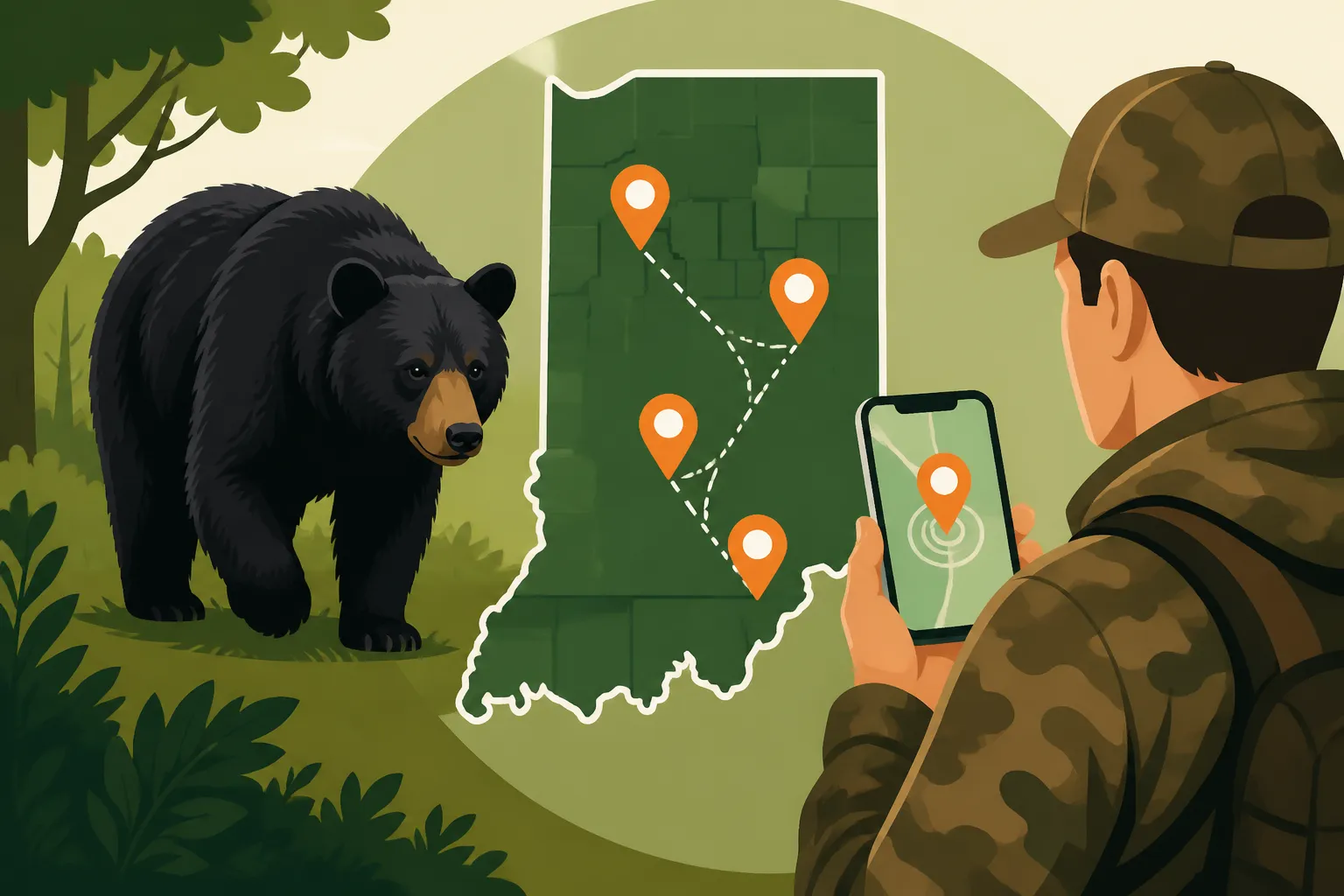
By meticulously tracking each reported sighting, the Indiana DNR can begin to piece together the movement patterns of these wandering bears. Are they following specific river systems, traversing large tracts of state forests, or sticking to certain types of habitat? For example, a young male bear dispersing from Michigan might follow the Kankakee River south, or a bear from Kentucky might hug the Ohio River corridor. Knowing these general pathways can help wildlife managers anticipate where a bear might go next and focus public outreach efforts in those areas.
This data helps answer critical questions: Are bears lingering in certain areas, suggesting potential suitable habitat? Or are they simply moving through, indicating a transient presence? The more data points gathered over time, the clearer the picture becomes. This information is key to understanding whether Indiana might one day support a small resident population, or if its role will remain primarily as a dispersal corridor. Understanding these nuances is crucial for developing appropriate management plans.
Public Safety and Education
One of the most immediate and critical uses of bear sighting data is informing public safety and education. When a bear is confirmed in an area, the DNR can issue public advisories, letting local residents and outdoor recreationists know that a bear is in the vicinity. This isn't meant to cause panic, but rather to encourage vigilance and promote "bear-aware" practices, such as securing garbage, cleaning grills, and removing bird feeders, which can inadvertently attract bears. Knowing What to Do If You See an Indiana Black Bear is paramount.
Education is paramount because most Hoosiers have no experience living near bears. The DNR uses this data to emphasize that black bears are generally shy and avoid human contact. Most encounters are brief and harmless, but understanding how to react appropriately, such as making noise and appearing large, can prevent rare negative interactions. The goal is to foster coexistence, even if it's with infrequent visitors. Similarly, the DNR provides information on various wildlife and disease monitoring, such as Indiana Wildlife Disease Monitoring, to keep the public informed.
The Impact of Citizen Science and Technology
The process of tracking wandering bears in Indiana isn't solely reliant on official DNR personnel. Citizen science plays an increasingly vital role, and modern technology provides powerful tools to aid in both reporting and monitoring. This collaborative effort amplifies the DNR's capacity to keep tabs on these rare visitors, turning every observant resident into a potential data collector. It's a testament to how engaged communities can contribute to wildlife conservation.
Citizen Reporting Platforms
Beyond direct calls to the DNR, various platforms and tools empower citizens to report wildlife sightings, effectively acting as "citizen scientists." Apps and online portals, sometimes integrated with hunting resources, can streamline the reporting process. For instance, platforms like GoHunt might offer features for logging game sightings or scouting, and while not specifically a bear reporting tool for the state, the general principle of digital mapping and data collection is similar. If you're out scouting with a tool like GoHunt and come across bear sign, being able to quickly pinpoint your location and log the details can be incredibly valuable when you then contact the DNR.
These digital tools can encourage more timely and accurate reporting by making it easy to share GPS coordinates and attach photos or videos directly from a smartphone. While the official channel for bear reporting should always be the DNR, the convenience offered by such platforms for general wildlife observation means more eyes on the ground, potentially leading to more initial sightings that can then be passed to the authorities. The ease of access to mapping and logging features, which GoHunt exemplifies for hunters, certainly aids in providing precise details for any wildlife encounter.
Camera Traps and Other Monitoring Tools
Modern technology also extends to remote monitoring. Trail cameras, widely used by hunters to scout deer and other game, have become invaluable tools for confirming bear presence and behavior. A bear might pass through an area at night, unseen by human eyes, but a trail camera will capture its image, providing concrete evidence of its visit. This can be especially useful in remote areas of the Hoosier National Forest or large state forests, where direct human observation is less frequent.
Beyond citizen-owned trail cameras, the DNR itself might deploy specialized camera traps in areas with recent sightings or suitable habitat. These scientific-grade cameras, along with other tools like hair snares or scat analysis, help biologists gather more detailed information, including genetic samples. These samples can help determine the bear's origin, gender, and even individual identity if it's been sampled before. This blend of traditional field biology and cutting-edge technology allows Indiana to develop a remarkably thorough understanding of Indiana's Occasional Black Bear Wanderers.
What Happens After a Sighting?
Once a bear sighting is reported and verified, the Indiana DNR takes a multi-faceted approach to manage the situation. It’s not simply about logging a data point and moving on; it’s about responsible wildlife management, public safety, and understanding the long-term implications for the state’s ecosystem. The actions taken depend heavily on the bear's behavior and location.
Assessing the Situation and Bear Behavior
Upon confirmation, the DNR's primary concern is to assess the bear's behavior. A bear that is merely passing through a remote, unpopulated area and showing no interest in human structures will be managed differently than one that is lingering near a residential neighborhood or showing signs of habituation to human food sources. Wildlife biologists will evaluate if the bear is exhibiting natural foraging behavior or if it's becoming comfortable around people, which can lead to conflict. This is often the case when people inadvertently leave out attractants like pet food or trash.
In most cases, the DNR's strategy is to allow the bear to move on naturally. Black bears are wild animals, and given space, they will typically avoid human interaction. Intervention, such as hazing (using noise or other deterrents to scare the bear away) or trapping and relocating, is usually reserved for situations where the bear poses a direct threat to public safety, has caused significant property damage, or is becoming habituated. Each decision is carefully weighed, prioritizing both human safety and the bear's well-being. For example, if you encounter a bear while hunting, your actions should align with the advice found in What to Do If You See an Indiana Black Bear.
Long-Term Monitoring and Habitat Suitability
Every bear sighting contributes to a broader, long-term monitoring effort. Over time, this data helps the DNR identify patterns, such as potential dispersal corridors or areas that might offer suitable temporary habitat. While Indiana currently has Why Indiana Has No Bear Season, meaning there is no established resident population to hunt, tracking these wanderers is still vital. It helps scientists understand if habitat changes, perhaps from forest regeneration or conservation efforts, are making the state more hospitable to bears.
This ongoing data collection could eventually inform future wildlife management decisions, should black bears ever begin to establish a persistent presence in Indiana. It allows the state to be prepared rather than reactive. By understanding where bears are coming from, where they travel, and why they might choose certain areas, the DNR can proactively engage with landowners and communities about best practices for living in potential bear country, even if it's just for a transient visitor. This kind of ecological monitoring is a continuous process, similar to the broader Indiana Wildlife Disease Monitoring efforts.
Disclaimer
This article is for general informational purposes only and does not constitute professional advice. Laws, prices and regulations vary by location and change over time. Consult a qualified professional for guidance on your specific situation.