Game You Cannot Hunt in Indiana
Protected Indiana wildlife species like the endangered Indiana bat, songbirds, and raptors cannot be hunted under state laws.
Know what you’re after.
Big game, small game, upland birds, and waterfowl — identification, behavior, rut and migration timing, and how each species moves through the season.
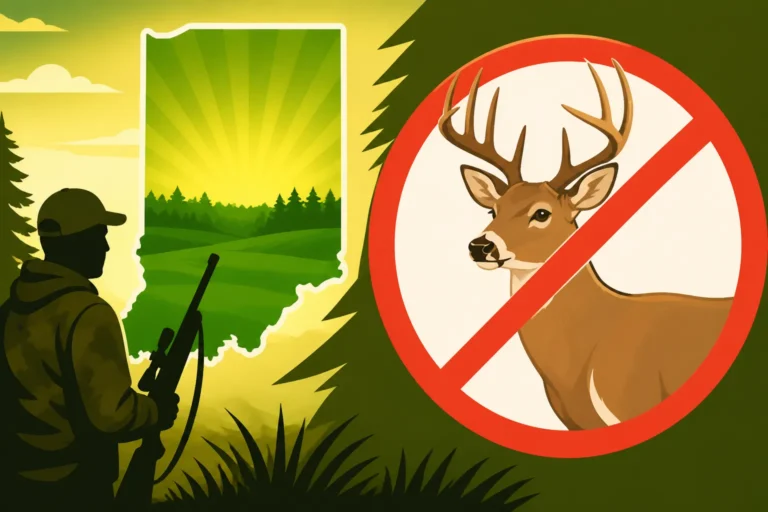
Protected Indiana wildlife species like the endangered Indiana bat, songbirds, and raptors cannot be hunted under state laws.
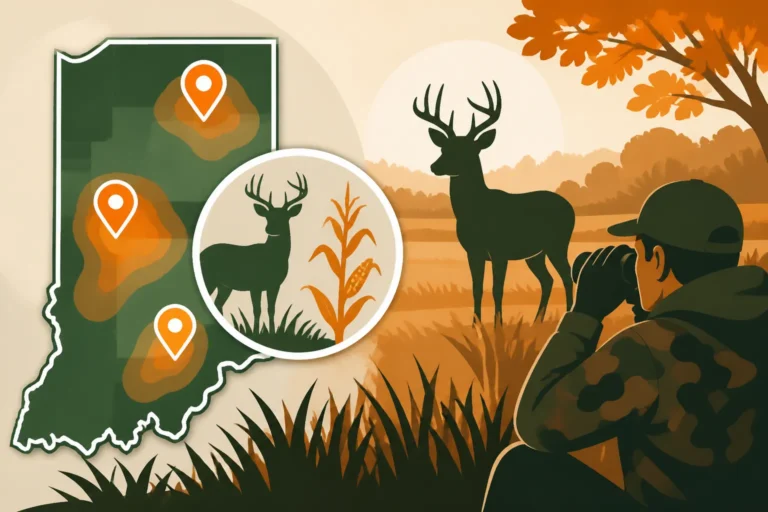
Indiana harvest reports provide deer population data and county breakdowns, helping Hoosier hunters interpret numbers and plan effective strategies.
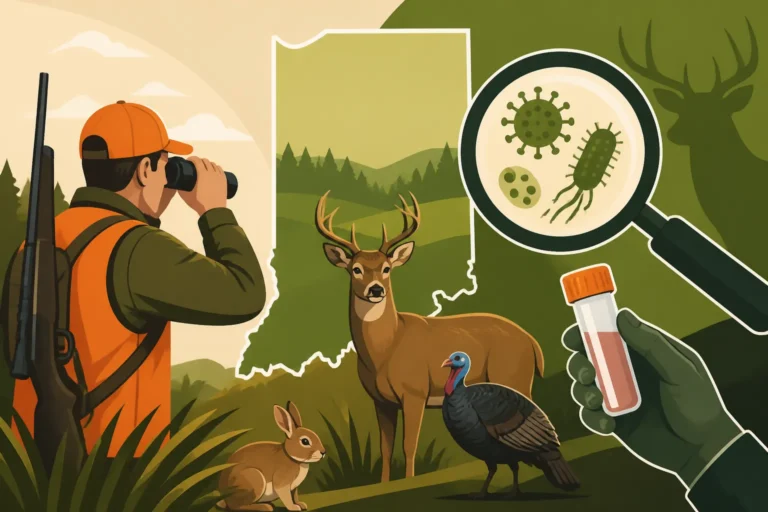
Indiana wildlife disease monitoring protects deer herds and hunter safety, explaining how hunters help track chronic wasting disease.
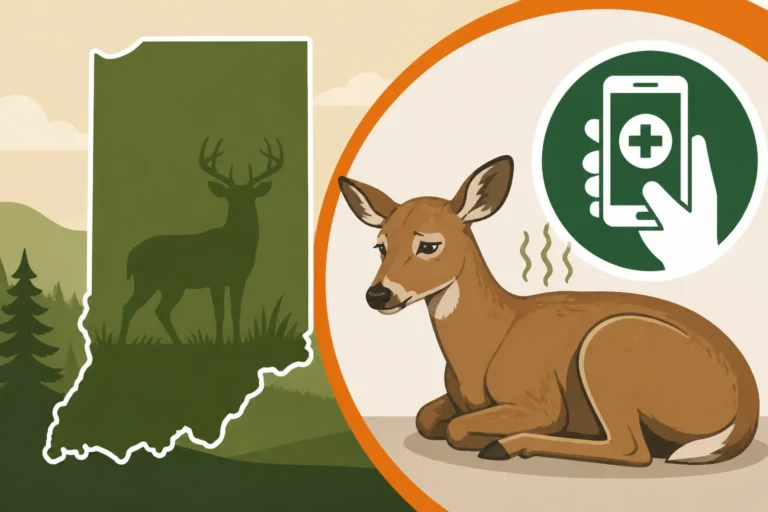
Reporting a sick animal in Indiana helps protect public health, prevent dangerous encounters, and monitor wildlife health.
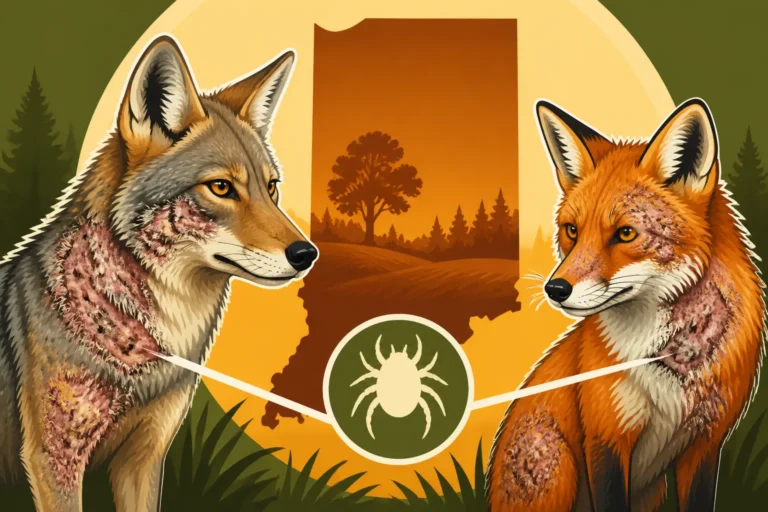
Sarcoptic mange mites burrow into Indiana coyotes and foxes, causing severe hair loss, crusty skin, infections, and hypothermia.
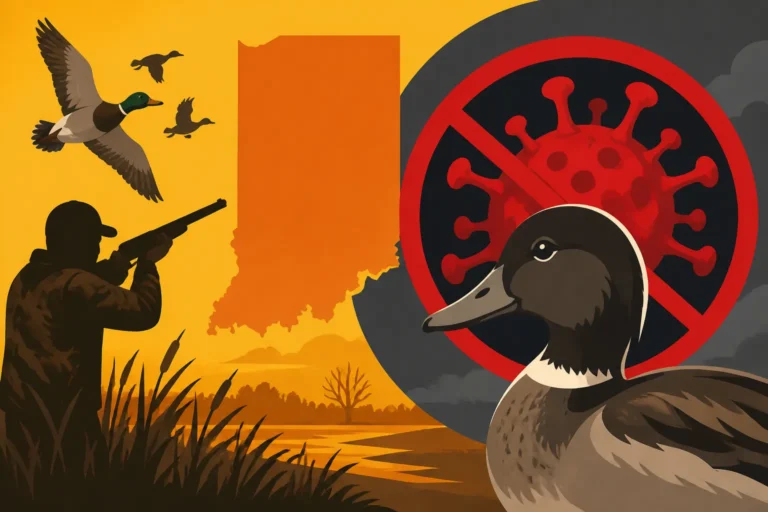
Avian influenza in Indiana birds explains virus transmission, wild bird symptoms, and biosecurity risks for local hunters.
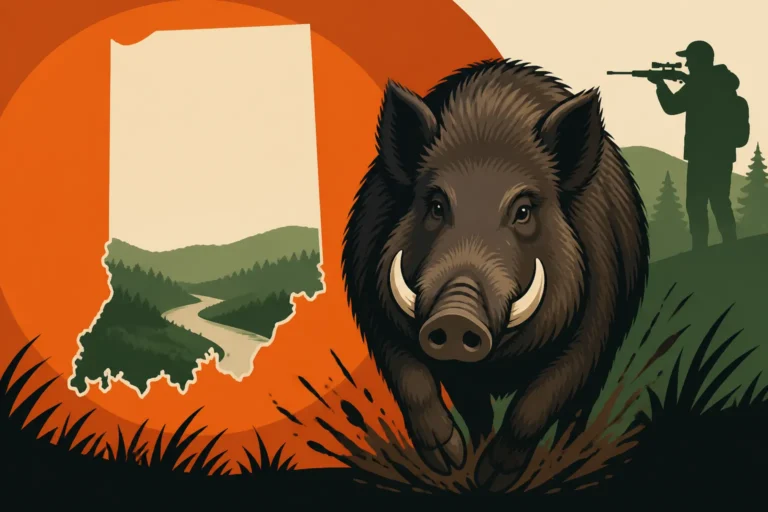
Feral swine sightings in Southern Indiana explain habitat preferences, rooting damage, and reporting steps for landowners.
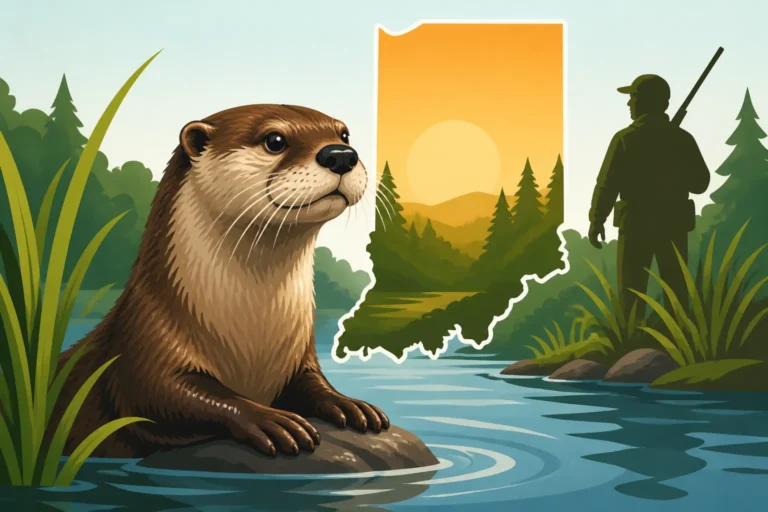
River otters returned to Indiana through conservation efforts by the Department of Natural Resources in the late twentieth century.
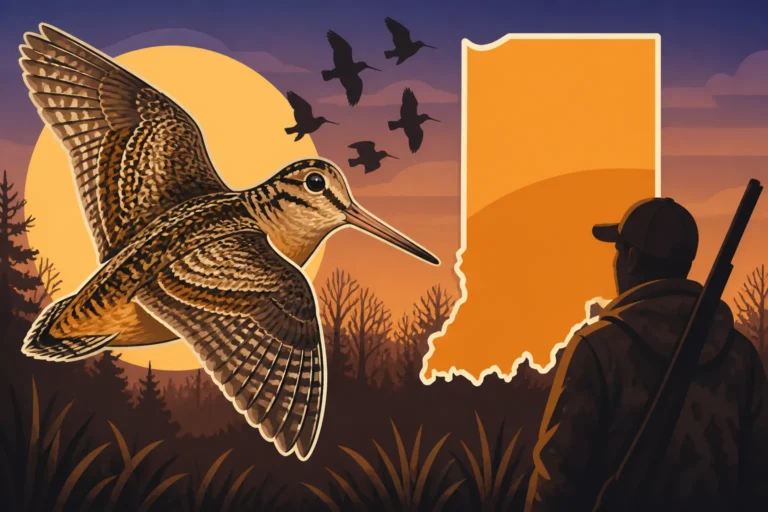
American woodcock migration through Indiana occurs during October and November, driven by northern frost lines and freezing ground conditions.
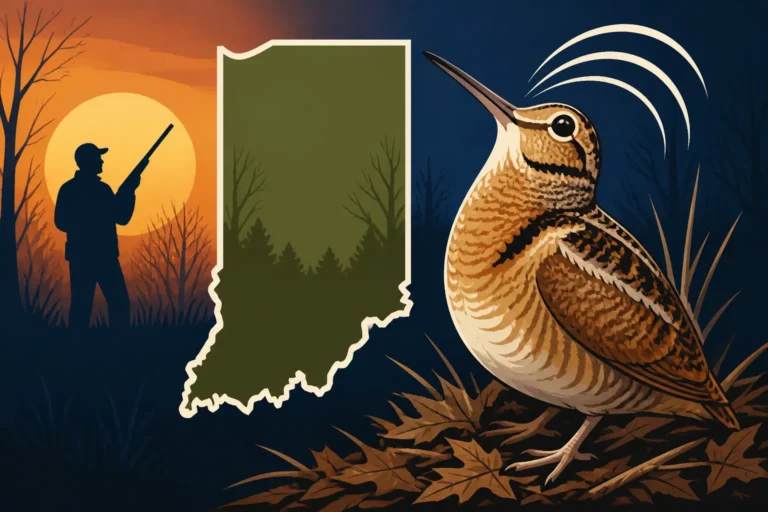
Indiana woodcock singing ground surveys track male breeding populations through evening calls to inform state conservation and hunting seasons.