Indiana Buck-to-Doe Ratio by Region
Indiana deer buck-to-doe ratios vary by region, affecting rut intensity and herd health using harvest reports and spotlight counts.
Know what you’re after.
Big game, small game, upland birds, and waterfowl — identification, behavior, rut and migration timing, and how each species moves through the season.
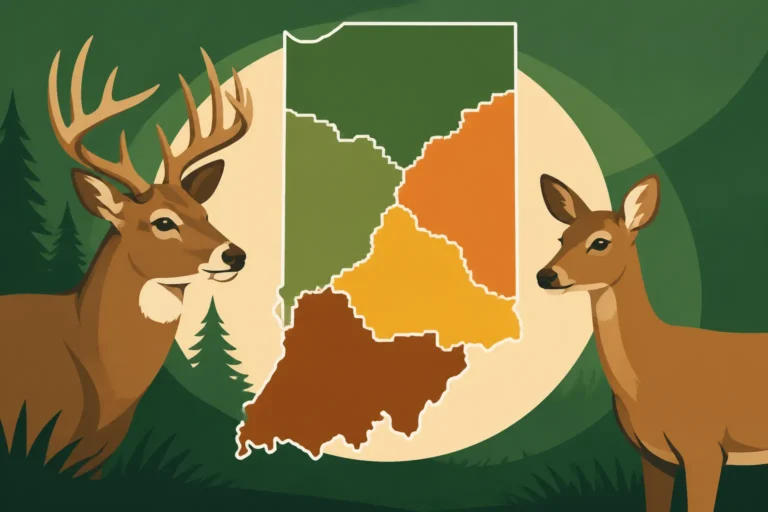
Indiana deer buck-to-doe ratios vary by region, affecting rut intensity and herd health using harvest reports and spotlight counts.
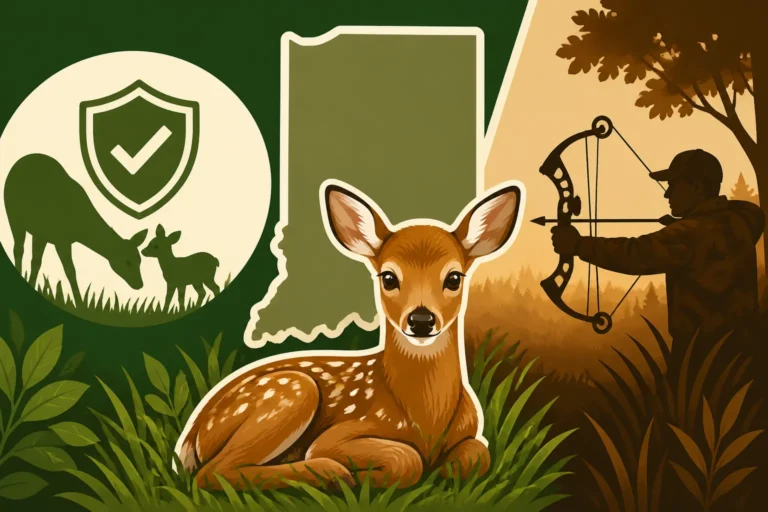
Indiana fawn survival rates depend heavily on coyote predation, bobcats, habitat quality, and dense cover for newborn deer.
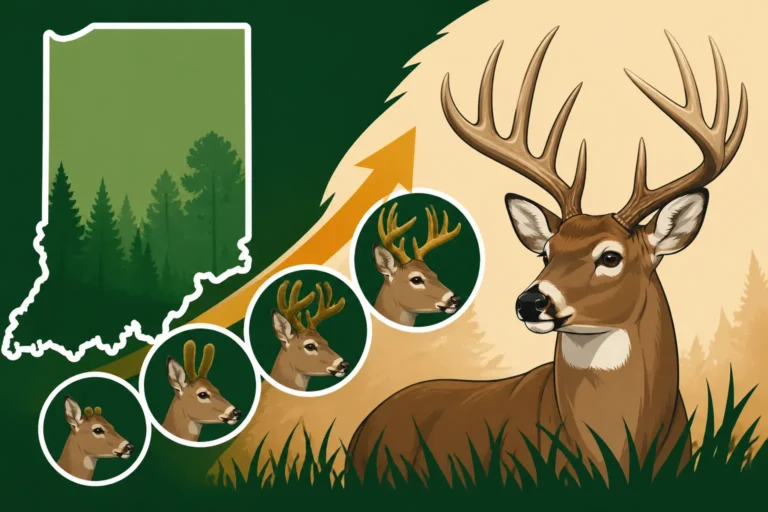
The Indiana deer antler growth timeline explains the annual shedding cycle and rapid velvet development from late winter through July.
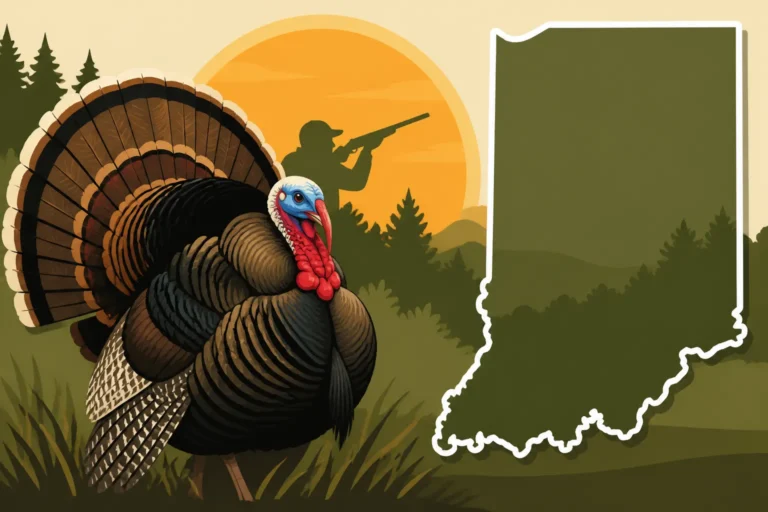
Indiana wild turkey subspecies identification helps hunters understand native eastern birds, distinct physical characteristics, and woodland habitats.
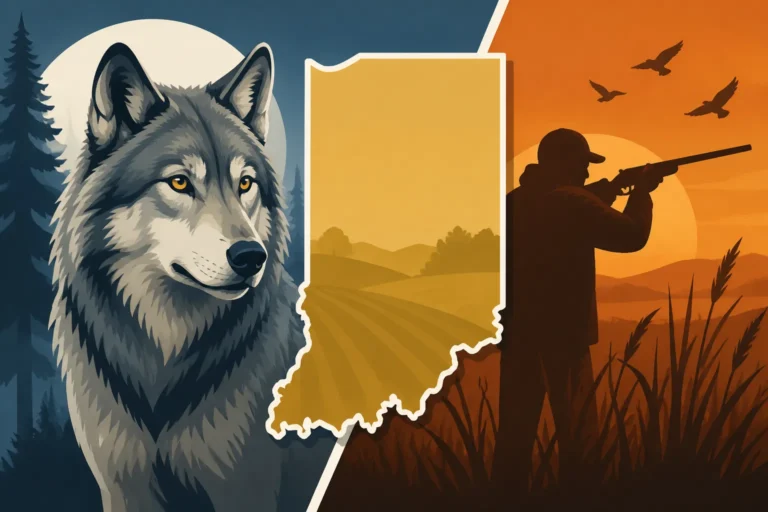
Gray wolf history in Indiana explains original apex predator roles, ungulate regulation, and their eventual extirpation.
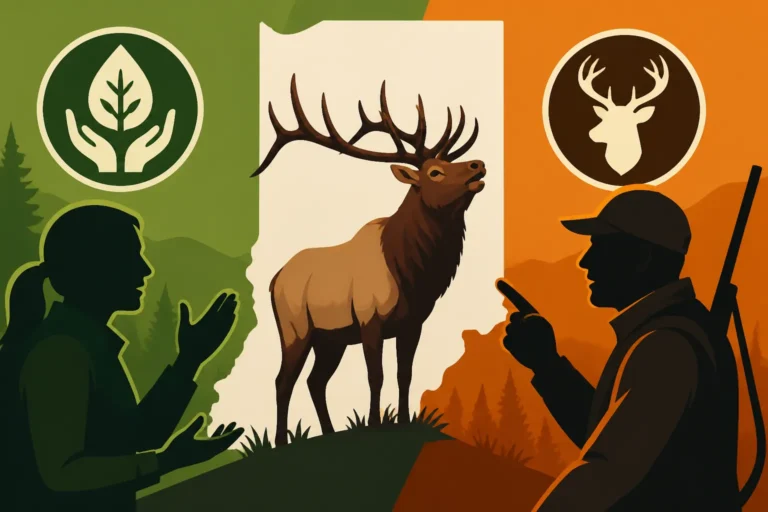
Indiana elk restoration history, historical presence, and modern reintroduction debates across the state are examined here.
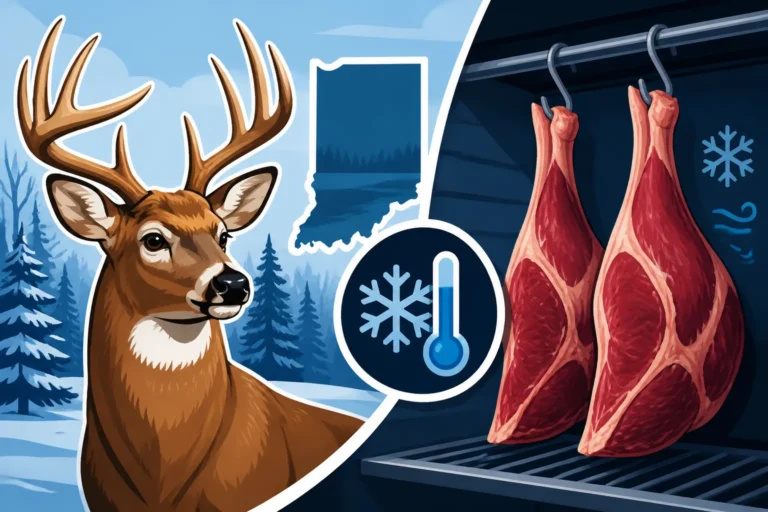
Aging venison in cold weather uses natural enzymes to tenderize meat while improving flavor and moisture retention between 34 and 40 degrees.
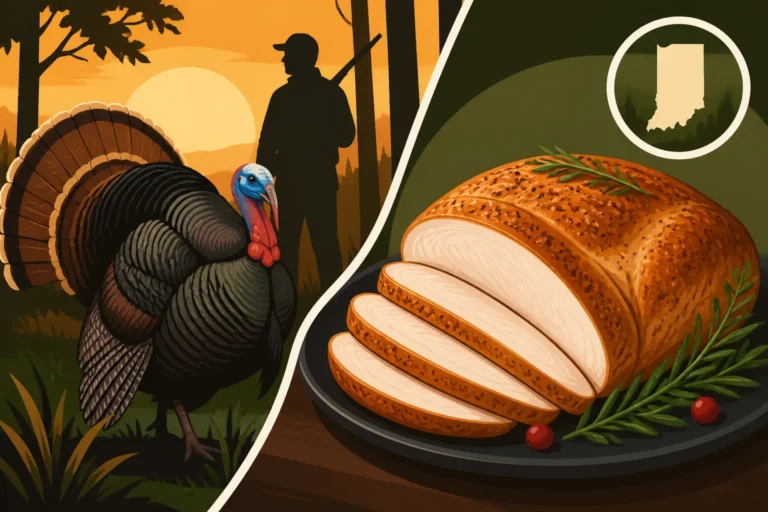
Cooling wild turkey meat quickly and brining it for four to twelve hours in salt and sugar prevents dryness during cooking.
Indiana white-tailed deer venison provides lean, savory protein with flavor influenced by the animal’s diet and proper aging.
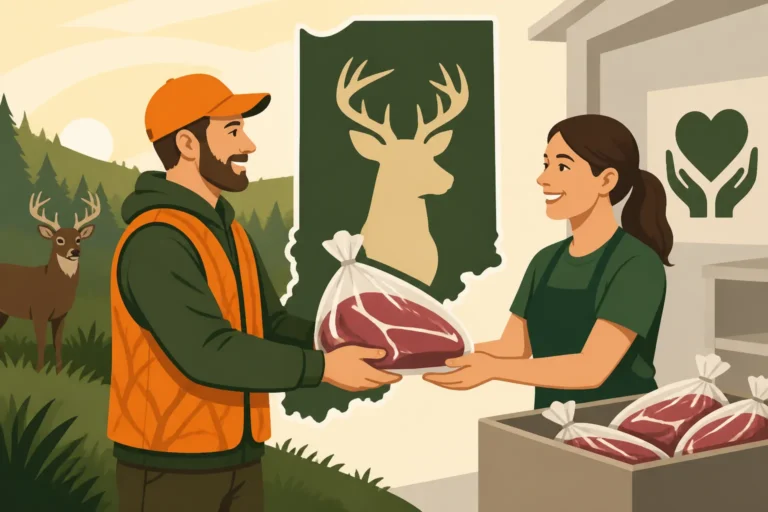
Donating venison in Indiana helps hunters provide fifty pounds of lean protein per deer to local food pantries fighting hunger.