Decoy Placement for Pressured Indiana Birds
Strategic decoy placement helps turkey hunters outsmart cautious Indiana gobblers that stop at seventy yards without committing closer.
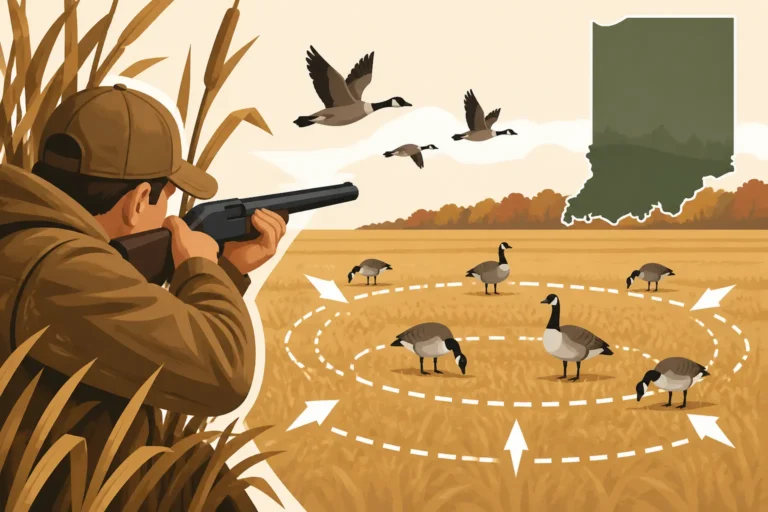
Strategic decoy placement helps turkey hunters outsmart cautious Indiana gobblers that stop at seventy yards without committing closer.
Indiana wild turkey behavior in late May, including post-breeding shifts and hunting pressure, explains quiet woods and silent gobblers.
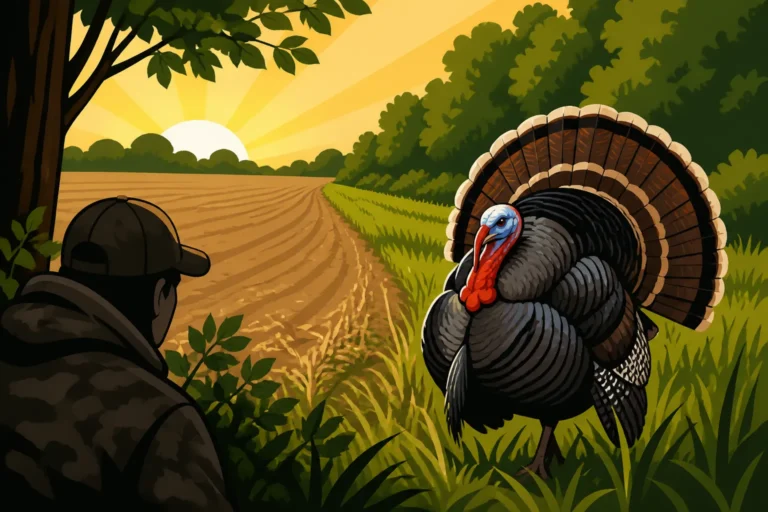
Wild turkey hunting tactics along Indiana farmland field edges help hunters outsmart wary gobblers and succeed in open landscapes.
The run-and-gun strategy helps deer hunters overcome high pressure on Indiana public lands by tracking fresh sign and staying mobile.
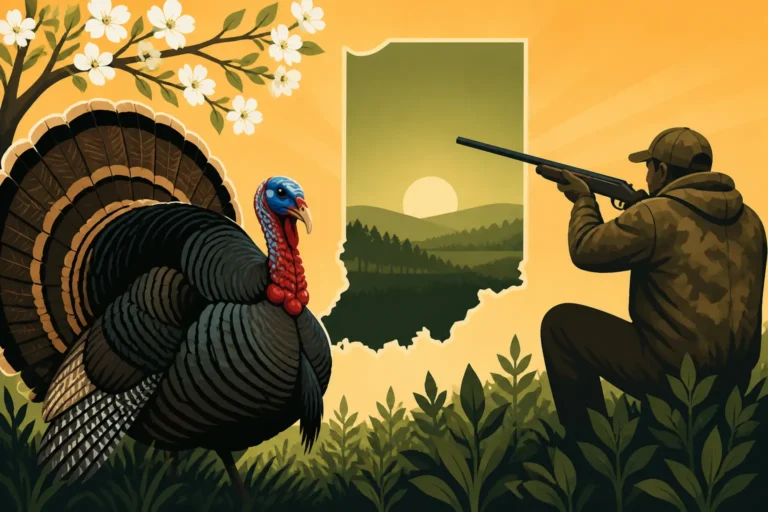
Indiana spring turkey hunting strategies and April gobbler behavior help hunters navigate opening day pressure on public land.
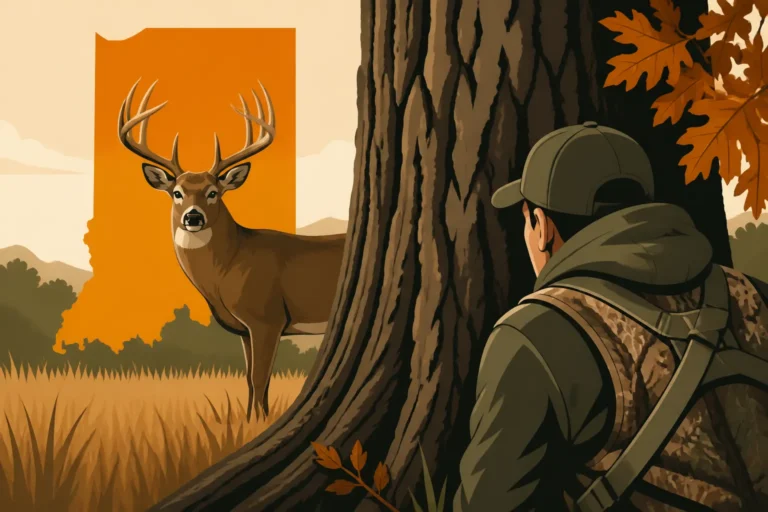
Deer hunting near mature oak trees in Indiana requires scouting fresh deer sign, white and red acorns, and local topography.
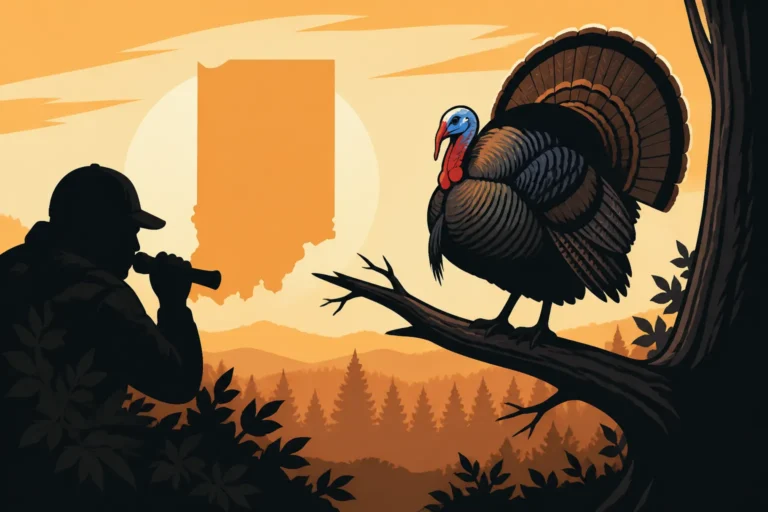
Strategies for calling Indiana gobblers off roost trees, locating safety areas, and interpreting pre-dawn sounds during hunts.

Indiana deer camp traditions include rustic cabins, shared meals, and storytelling that connect hunters across generations.
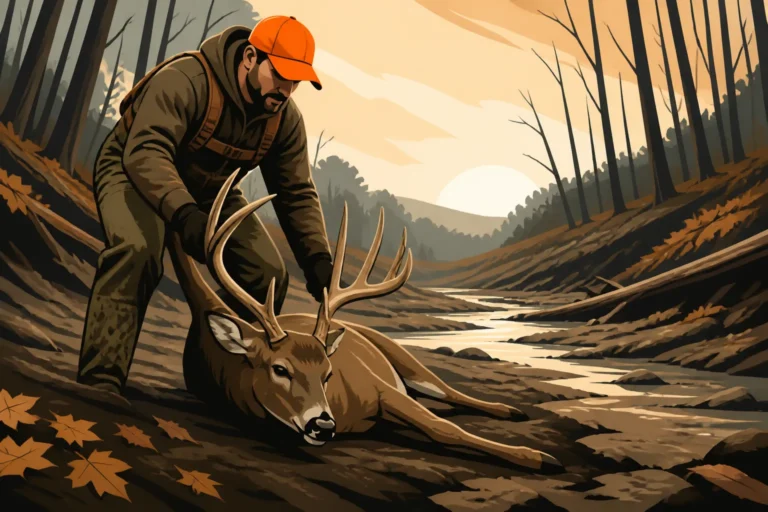
Indiana river bottom deer recovery requires practical strategies to navigate treacherous mud, dense vegetation, and deep water.
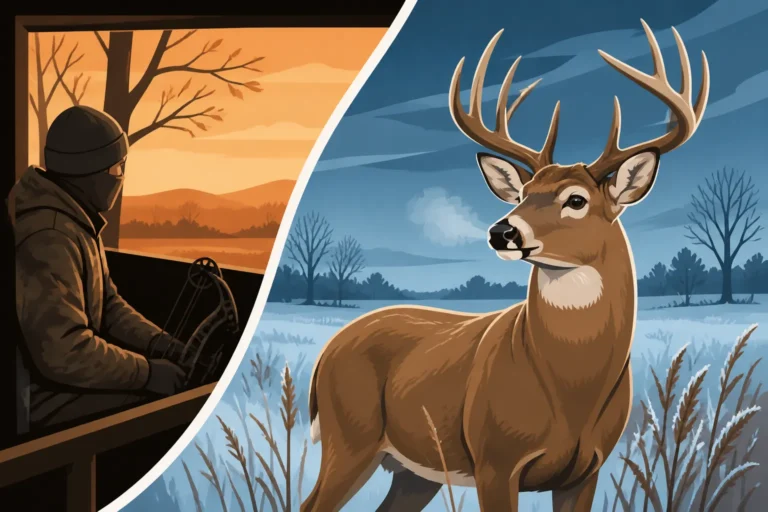
Late-season Indiana deer behavior changes during January cold fronts, forcing exhausted bucks to seek food and thermal cover.