Slings for a Long Hoosier Forest Walk
You’ve just gotten to your truck after a long, grueling day of walking the hills of the Hoosier National Forest, pack heavy, and maybe, just maybe, you’re dragging a deer. As you lean your rifle against the tailgate, you notice the ache in your shoulder, the faint bruising on your hand from gripping the forend, and the sheer exhaustion from carrying your firearm for miles. Many Indiana hunters know this feeling all too well. The right rifle sling isn't just an accessory; it's a critical piece of gear that can dramatically improve your comfort, safety, and effectiveness in the field. This guide will walk you through choosing and using the perfect sling for those long Hoosier hunting adventures.
Why a Good Sling is Non-Negotiable for Hoosier Forest Walks
Hunting in Indiana, especially on expansive public lands like the Hoosier National Forest, isn't a stroll through the park. It often involves covering miles of rugged terrain, climbing steep ridges, navigating dense thickets, and crossing creeks. Trying to do all of that with a rifle clutched in your hand is not only tiring but can also be outright dangerous.
The Reality of Miles on Public Land
Think about your last long hike in the woods. Maybe you were scouting new ground, checking out a new section of Hoosier National Forest Hunting, or perhaps you were deep into a day of still-hunting. Every step you take, your rifle, which can weigh anywhere from 7 to 10 pounds, adds to the burden. If you're gripping it by the forend, your arm muscles are constantly engaged, leading to rapid fatigue in your shoulders, forearms, and hands. This fatigue doesn't just make you tired; it impacts your ability to hold steady for a shot, to safely climb over a fallen log, or even to focus on subtle deer sign.
Uneven terrain is another huge factor. Southern Indiana’s hills, ravines, and creek bottoms require constant balance and often the use of both hands to scramble up a bank or push through heavy undergrowth. With a rifle in your hand, you're constantly shifting its weight, finding precarious ways to hold it, or even leaning it against a tree, risking a fall or a noise that spooks game. It’s an exhausting and inefficient way to hunt when you’re covering significant ground, especially when you consider how many deer hunters are now exploring Hunting Southern Indiana Hill Country.
Safety and Readiness Benefits
Beyond sheer comfort, a proper sling significantly enhances your safety and readiness. When your rifle is securely slung, your hands are free. This might seem obvious, but it makes a world of difference. You can use your trekking poles for stability on a steep incline, climb into a treestand more safely, or simply use both hands to part thick brush without your rifle snagging or getting tangled. Having free hands also means you can consult your GoHunt app for navigation, use your binoculars to glass a distant ridge, or carry a shed antler you just found.
Furthermore, a well-adjusted sling keeps your rifle in a consistent, accessible position. This means you can transition from carrying to shooting much faster and smoother. Imagine a buck suddenly appears on a ridge while you’re scrambling up a ravine. If your rifle is slung properly, a quick, fluid motion can bring it to your shoulder. If you're carrying it by hand, you might be fumbling, dropping your other gear, or trying to find a stable grip, potentially missing a fleeting opportunity. It also prevents accidental drops, which can damage your firearm or, worse, lead to an accidental discharge. A rifle that’s falling from your hand is far more dangerous than one securely attached to your body.
Understanding Different Sling Types for Indiana Hunting
Not all slings are created equal, and what works for a tactical competition might be completely impractical for chasing whitetails through the thickets of Indiana. Let’s break down the common types and what they offer (or don't) for the everyday Hoosier hunter.
Basic Two-Point Slings: The Tried and True
The two-point sling is probably what most people picture when they think of a rifle sling. It attaches to the rifle at two points: usually one near the buttstock and one near the forend or barrel. These slings are simple, traditional, and effective for many hunting scenarios. They allow you to carry the rifle over one shoulder or across your back, distributing some of the weight.
The main advantages of a basic two-point sling are its simplicity and familiarity. There’s not much to go wrong, and they’re easy to attach and remove. For hunters who aren’t covering extreme distances or who prefer to carry their rifle in their hands for much of the hunt, only using the sling for brief rests, they work perfectly well. However, for those long walks through varied terrain, a basic two-point sling can have its drawbacks. The rifle can still swing quite a bit, especially if it’s just over one shoulder, which means it might constantly be bumping your leg or swinging forward when you bend over. This makes it less ideal for dynamic movement or when you need to keep the rifle snug against your body.
Advanced Two-Point Slings: Comfort and Stability
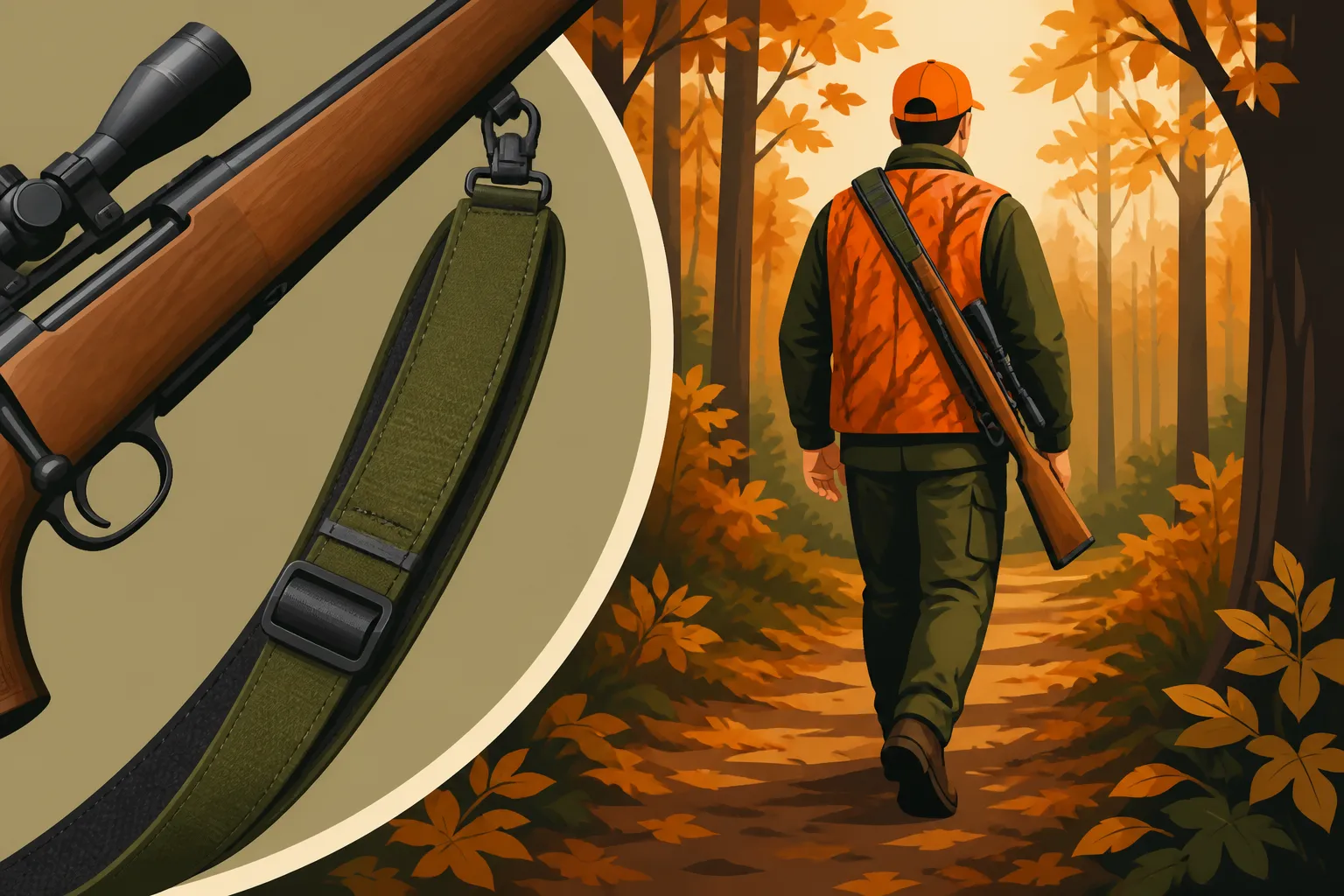
This is where the two-point sling truly shines for serious hunters. Advanced two-point slings build upon the basic design by adding features that dramatically increase comfort and stability, making them perfect for those long days in the field. The key improvements typically include wider, often padded, shoulder straps. This padding spreads the weight over a larger area of your shoulder, preventing that digging-in feeling that can cause significant discomfort after a few miles.
Many advanced two-point slings also feature materials that grip your shoulder better, like neoprene or textured nylon, reducing slippage. Crucially, they often incorporate quick-adjust mechanisms. These allow you to rapidly lengthen or shorten the sling with a single pull or click, meaning you can snug the rifle tight to your back for a climb or a crawl, then quickly loosen it for an immediate shot. This versatility is a game-changer when you’re traversing varied terrain, from dense woods to open fields. Brands like Butler Creek and Vero Vellini are known for offering these types of slings that prioritize comfort and quiet operation, which is essential for deer hunting. You can find some excellent options to complement your Rifle Setups for Indiana Deer Hunting.
One-Point and Three-Point Slings: Niche Uses
While popular in tactical or military applications, one-point and three-point slings are generally less suitable for the typical Indiana deer hunter, especially for long walks. A one-point sling attaches to the rifle at a single point, usually near the receiver or pistol grip. This allows for extremely rapid transitions between shooting positions and makes it easy to switch shoulders. However, the downside for hunting is that the rifle hangs freely, swinging around, and offering no stability against your body. For a long trek, this means the rifle is constantly bouncing and potentially hitting your legs or getting tangled in brush. It also means you’re still carrying the full weight of the rifle, just from your neck or shoulder, which quickly becomes tiresome.
Three-point slings use a loop system to secure the rifle more firmly to the body, offering a good balance of security and quick deployment. They attach at three points, typically forming a continuous loop that goes over your body and secures the rifle. While they offer good retention, they can be complex to adjust and are prone to getting snagged on brush due to the extra webbing. In the dense woods of Indiana, where you might be pushing through thorny greenbriers or thick honeysuckle, a three-point sling can quickly become a liability, catching on every branch and making noise. For these reasons, most Hoosier hunters stick to variations of the two-point sling for their general hunting needs.
What to Look for in a Sling for Indiana's Diverse Terrain
Choosing the right sling means considering several factors that directly impact its performance in the field. From the materials it’s made from to how it adjusts, each element plays a role in your overall hunting experience. You want something that will stand up to the elements and won't betray you at a critical moment.
Material Matters: Durability and Quietness
The material of your sling is paramount. It needs to be durable enough to withstand the abuse of the elements – rain, mud, briars, and abrasive tree bark – while also being quiet. A noisy sling can easily spook game.
- Nylon/Synthetic Webbing: Extremely durable, weather-resistant, and often more affordable. High-quality nylon slings are strong and can be padded for comfort. The key is to choose webbing that is tightly woven to minimize noise from rubbing against clothing or other gear. Some synthetics can be a bit slick, so look for a textured finish or a padded section for better shoulder retention.
- Neoprene: Often found in the padded sections of slings, neoprene offers excellent shock absorption and a good grip on your shoulder. It’s somewhat water-resistant and remains flexible in cold weather. The downside can be that it’s not quite as tough against snags as thick nylon, and cheaper versions can degrade over time, but for comfort, it’s hard to beat.
- Leather: A classic choice, leather slings offer timeless aesthetics and incredible durability if properly cared for. They can be very quiet, especially broken-in leather, and conform to your body over time. However, leather can be heavier, less water-resistant (requiring more maintenance), and stiffer in extreme cold. It’s also generally more expensive. For hunters who value tradition and long-term investment, a good leather sling can be a fantastic choice, assuming you're okay with the care it requires.
For hunting, prioritize materials that won't absorb too much water (which adds weight and can freeze), won't stiffen up in the cold, and won't make a "swish-swish" sound with every step.
Adjustability and Fit for Layering
A sling that can’t be easily adjusted in the field is almost as bad as no sling at all. Indiana weather can be wildly unpredictable. You might start your archery season hunt in September wearing just a t-shirt, but by late December during muzzleloader season, you could be bundled in multiple heavy layers, including a thick parka. Your sling needs to accommodate this range of clothing without feeling too loose or too tight.
Look for slings with intuitive quick-adjust buckles or sliders. The ability to shorten the sling quickly to snug your rifle tight to your back when crawling through a cedar thicket, and then just as swiftly lengthen it when you need to bring it up for a shot, is invaluable. A proper fit means the rifle can ride comfortably without constantly sliding off your shoulder, but also allows for full range of motion without restricting your arms or body. When trying out a sling, wear the kind of outerwear you’d typically hunt in, and practice adjusting it. This also applies when considering different Clothing for an Indiana Late Season.
Hardware and Attachment Points
The hardware on your sling – the swivels, buckles, and loops – are critical points of failure. Cheap, flimsy hardware can break at the worst possible moment, or worse, be noisy enough to give away your position.
- Swivels: Most slings attach to swivel studs on your rifle. Invest in high-quality, metal swivels. They should be robust, operate smoothly, and securely lock into place. Avoid plastic swivels if possible, as they can become brittle in the cold or break under stress. Quick-detach (QD) swivels are a popular choice for their ease of use, allowing you to remove the sling quickly when you’re in a stand or blind. Just ensure they are from a reputable brand and have a strong, positive lock.
- Buckles and Adjusters: These should be made of durable, quiet materials. Metal buckles are strong but can clang if not properly covered or secured. High-quality polymer buckles can be quieter and lighter, but ensure they are sturdy and won't become brittle in cold temperatures. Test them for ease of adjustment and secure locking. Avoid anything that feels loose or rattly.
- Attachment to Rifle: Ensure the attachment points on your rifle (swivel studs or QD sockets) are also robust. Sometimes, the weakest link isn't the sling itself, but the rifle's attachment point. If your rifle doesn’t have sling studs, you might need to have them professionally installed or consider a sling system that attaches via clamping or other methods, though these are less common for traditional hunting rifles.
Ultimately, your sling and its hardware are supporting the weight of your rifle – don’t skimp here. It’s not just about comfort; it's about the security of your firearm and your peace of mind in the field.
Best Practices for Using Your Sling in the Woods
Having the best sling in the world won’t do you much good if you don’t know how to use it effectively. Proper technique can minimize fatigue, keep your rifle at the ready, and ensure you move quietly and efficiently through Indiana’s diverse hunting grounds.
Proper Carry Techniques for Long Hikes
When you're covering miles of ground, especially deep in the Hoosier National Forest, how you carry your rifle makes a huge difference.
- Shoulder Carry (Strong Side): This is the most common method. The rifle hangs over one shoulder, muzzle generally pointed up or down (depending on preference and safety considerations). For long walks, especially through open timber, this is comfortable. However, it’s prone to slipping and bouncing. To minimize this, adjust the sling so the rifle hangs snugly and doesn't swing wildly. For safety, always be mindful of where the muzzle is pointing, particularly if hunting with others. This carry is great for quick access if you need to bring the rifle to bear.
- Cross-Body or African Carry: This method involves carrying the rifle diagonally across your back, with the sling over one shoulder and under the opposite arm. The rifle’s buttstock often rests on your opposite hip, with the muzzle generally pointing down and away from your head. This is incredibly stable and ideal for covering long distances or navigating thick brush, as the rifle is held tight against your body, minimizing snagging and swinging. It frees up both hands completely. The drawback is slightly slower access to the rifle, but for covering significant distance, it's hard to beat. Consider this when you're making a long trek to a remote stand location, or when you’re trying to move far from a How Far to Walk From a Forest Road.
- Backpack Carry: Some slings are designed to integrate with or mimic backpack straps, allowing you to carry the rifle almost like a second small pack on your back. This can be great for weight distribution over very long distances, especially if your primary pack isn't too bulky. It’s less common for dedicated hunting slings but is worth considering if you primarily backpack hunt or have exceptionally long approaches.
No matter the carry, practice drawing your rifle from the slung position. Smooth, quiet movement is key in the woods. Pay attention to how your rifle feels after an hour of walking, then two, then three. Adjust the sling length and carry position as needed to distribute the weight and reduce fatigue.
Field Adjustments and Obstacle Navigation
The beauty of a good, adjustable sling is its adaptability. You won't always be walking on flat, open ground. When the terrain changes, your sling use should too.
- Tightening for Obstacles: If you encounter a steep bank, a patch of dense briars, or need to crawl under a blowdown, shorten your sling to pull the rifle tight against your body. This prevents it from snagging, swinging, or getting in your way. A rifle that’s tucked in close is less likely to scrape against brush, making less noise and reducing the chance of your barrel getting plugged with mud or snow. Many hunters find using the quick-adjust feature on their sling invaluable for these moments.
- Loosening for Quick Shots: Conversely, if you’re moving into an area where a shot might present itself quickly, you might want to slightly loosen the sling. This allows for faster deployment to the shoulder. Some hunters prefer to carry their rifle off the shoulder entirely in prime areas, ready to shoot, using the sling only as a safety catch or for temporary rests.
- Using the Sling as a Shooting Aid: A sling isn't just for carrying; it can also be a surprisingly effective shooting aid. By wrapping your support arm through the sling and creating tension against your body, you can stabilize your rifle for off-hand or kneeling shots. This creates a much steadier shooting platform than simply holding the rifle unsupported. Practice this technique at the range when you're Sighting In a Centerfire Rifle for Indiana Woods; it can significantly improve accuracy, especially at longer distances or when you're breathing heavy after a climb.
Maintenance and Longevity
Your sling is a tool, and like any other tool, it needs care to perform reliably year after year. Neglecting it can lead to premature failure, noise, or discomfort.
- Regular Inspection: Before and after each season, thoroughly inspect your sling. Look for frayed webbing, cracks in leather, worn-out padding, or loose stitching. Check all buckles, swivels, and attachment points for signs of wear, rust, or damage. Replace any components that look compromised. A worn swivel could fail and send your rifle crashing to the ground.
- Cleaning: After a muddy or rainy hunt, clean your sling. For synthetic slings, a damp cloth and mild soap are usually sufficient. Let it air dry completely. For leather slings, wipe off dirt and moisture, then treat it with a quality leather conditioner to keep it supple and prevent cracking. Never machine wash a leather sling.
- Proper Storage: When not in use, store your sling in a cool, dry place. Avoid leaving it exposed to direct sunlight for extended periods, as UV rays can degrade synthetic materials. If you remove your sling from your rifle, make sure to keep the swivels or attachment hardware with it so you don’t lose any critical pieces. Consider keeping it in your Packs for a Hoosier Forest Day Hunt or with your other essential gear.
- Avoiding Overloading: While slings are designed to carry your rifle, avoid using them to drag heavy game or for other unintended purposes that could exceed their design limits. This can cause undue stress on the materials and hardware, shortening its lifespan.
By understanding the different types of slings, knowing what features to look for, and practicing proper use and maintenance, you can transform those grueling walks through the Indiana woods into far more comfortable and effective hunting experiences. A good sling frees your hands, protects your firearm, and keeps you ready for whatever the Hoosier wilderness throws your way. Remember, a tool like the GoHunt app helps you plan your routes, but a good sling helps you execute them.
Disclaimer
This article is for general informational purposes only and does not constitute professional advice. Laws, prices and regulations vary by location and change over time. Consult a qualified professional for guidance on your specific situation.