Best Public Ground for Kankakee Waterfowl
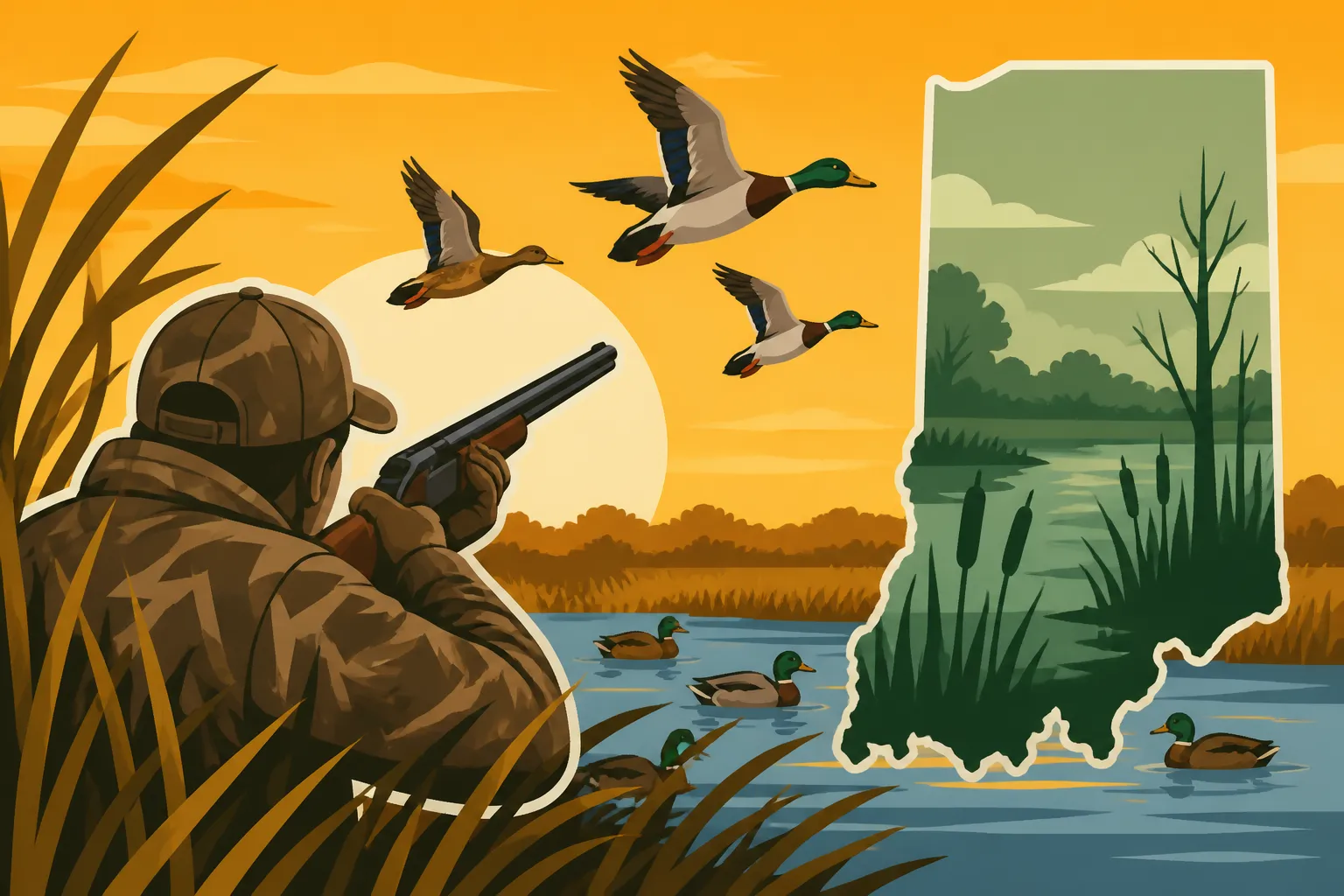
For many waterfowlers in Indiana, the dream of calling ducks and geese into a pristine marsh is often complicated by the reality of finding accessible land. While the Kankakee River region is legendary for its waterfowl hunting, much of that prime real estate is private. This guide is here to cut through that frustration, highlighting the best public hunting grounds within the Kankakee River system that offer excellent opportunities for Hoosier waterfowl enthusiasts. We'll explore where to go, what to expect, and how to maximize your chances on these often-pressured but highly productive areas.
The Kankakee River Marsh System: A Waterfowler's Paradise
The Kankakee River system, especially the "Grand Kankakee Marsh" as it was once known, holds a special place in the history of North American waterfowl. Before extensive drainage projects in the late 19th and early 20th centuries, this vast wetland covered hundreds of thousands of acres, acting as a crucial stopover and breeding ground for millions of migratory birds. While the landscape has been drastically altered, ongoing conservation efforts are working to restore portions of this incredible natural resource, making it once again a magnet for ducks and geese.
Historical Significance and Restoration
Imagine a time when the Kankakee River meandered for over 200 miles through a massive, interconnected wetland, barely dropping 100 feet in elevation from its source to its mouth. This slow-moving, shallow river created a mosaic of emergent vegetation, open water, and wet prairie that supported an astonishing abundance of wildlife. Market hunters once shipped train carloads of ducks and geese from the Kankakee to Chicago markets, a testament to the sheer numbers of birds that congregated here. Unfortunately, this incredible natural wealth also sealed its fate, as fertile soils beneath the marsh made it a prime target for agricultural development. The river was straightened, ditched, and drained, transforming much of the marsh into productive farmland.
However, the story doesn't end there. Recognizing the ecological and historical value of the Kankakee, a concerted effort began decades ago to restore what could be saved. Agencies like the Indiana Department of Natural Resources (DNR) and various conservation organizations have acquired large tracts of land, implementing projects to restore wetland hydrology, plant native vegetation, and create diverse habitats. These restored areas, often managed as Fish and Wildlife Areas, are now the bedrock of public waterfowl hunting in the region. They are vital staging grounds and feeding areas for birds making their journey along the Mississippi Flyway. It’s a powerful reminder that even in areas significantly impacted by human development, dedicated conservation can bring back vital natural processes and incredible hunting opportunities.
Why the Kankakee Attracts Waterfowl
Despite the historical changes, the Kankakee region retains fundamental characteristics that make it irresistible to migrating waterfowl. Primarily, it's about water and food. The relatively flat topography means that restored wetlands, even those artificially managed, can hold water efficiently. This creates the shallow-water environments that ducks, especially dabblers like mallards, wood ducks, and teal, absolutely thrive in. These areas provide emergent vegetation for cover, invertebrates for protein, and often, adjacent agricultural fields that offer abundant waste grain—a high-energy food source critical for migratory birds.
The Kankakee also sits squarely within the Mississippi Flyway, a major migratory route that birds follow from their northern breeding grounds to southern wintering areas. As cold fronts push south, bringing freezing temperatures to Canada and the northern states, ducks and geese are funneled through key corridors. The Kankakee, with its network of rivers, marshes, and agricultural lands, acts as a major staging area, offering respite and refueling opportunities. Early in the season, you'll see a lot of local birds and early migrants like teal and wood ducks. As the season progresses and colder weather settles in up north, you'll see waves of mallards, gadwall, wigeon, and various diving ducks, along with increasing numbers of Canada geese. The consistent availability of food and protected resting areas is what ultimately keeps these birds coming back year after year. For more on the timing of these movements, check out Duck Migration Timing Through Indiana.
Premier Public Hunting Opportunities in the Kankakee Region
When we talk about public ground for waterfowl hunting in the Kankakee, we're primarily looking at Indiana's Fish and Wildlife Areas (FWAs). These managed properties are specifically designed to provide wildlife habitat and public recreation, including hunting. Each FWA has its own character, management strategies, and draw systems, so understanding the nuances of each is crucial for planning your hunt. While many FWAs offer general hunting, some truly stand out for their dedicated waterfowl management. If you're looking for prime public access, you'll want to focus your attention on places like Winamac, Willow Slough, and Tri-County.
Winamac Fish and Wildlife Area
Located primarily in Pulaski County, Winamac Fish and Wildlife Area is a jewel for northern Indiana waterfowlers. Spanning thousands of acres, Winamac offers a diverse landscape including wetlands, upland forests, and reclaimed agricultural fields. What makes Winamac particularly attractive for waterfowl is its extensive system of managed impoundments, sloughs, and ditches that mimic the historic Kankakee marsh. The DNR actively manages water levels to create optimal feeding and resting areas for ducks and geese.
Hunting at Winamac typically involves a daily draw system for designated waterfowl pools or blinds, especially during the peak season. Hunters gather early in the morning, and spots are allocated through a lottery. This system, while requiring an early start and a bit of luck, ensures fair access and helps manage hunter pressure. Beyond the managed pools, there are also areas accessible on a first-come, first-served basis, often requiring more scouting and walking to find less pressured spots. You can expect to see abundant mallards, wood ducks, and various other dabblers, with geese frequently utilizing the agricultural fields. Success here often depends on understanding the specific pool conditions, monitoring recent aerial surveys, and adapting to the birds' movements. For a good overview of the FWA system, look at How Many Acres Indiana Fish and Wildlife Areas Cover.
Willow Slough Fish and Wildlife Area
Further west, in Newton County, Willow Slough Fish and Wildlife Area is another premier public waterfowl destination in the Kankakee region. This FWA is well-known for its large, open water impoundments, expansive marshes, and adjacent croplands. Willow Slough manages its water levels carefully to provide diverse habitats throughout the waterfowl season. The area's large size means there are many different zones, some focused on shallow marsh, others on larger open water, and still others emphasizing flooded timber or agricultural fields.
Like Winamac, Willow Slough operates on a daily draw system for many of its prime waterfowl units. Hunters need to check in at the property office well before legal shooting hours to participate in the draw. This can be a competitive process, especially on weekends and during prime migration. However, for those who draw a good spot, the hunting can be exceptional. You'll primarily target mallards, green-winged teal, and gadwall in the shallower areas, with Canada geese being a major draw in the surrounding fields. The sheer scale of Willow Slough means that even without drawing a designated blind, a hunter with a good map and a willingness to walk can often find unpressured pockets of birds. It's a great place to put into practice the principles of Scouting Indiana Public Land Before Season.
Tri-County Fish and Wildlife Area
Nestled in Noble, Kosciusko, and Whitley counties, Tri-County Fish and Wildlife Area, while slightly to the east of the main Kankakee River channel, is still deeply influenced by the same migratory patterns and offers excellent marsh hunting within the broader northern Indiana wetland complex. This FWA is characterized by numerous small lakes, potholes, and managed wetlands, providing a more intimate hunting experience compared to the vast expanses of Willow Slough. Its network of interconnected water bodies makes it attractive to both dabbling ducks and occasional divers.
Tri-County typically utilizes a similar draw system for its prime waterfowl areas, often for specific blind locations on some of its more popular lakes and impoundments. It's imperative to arrive early, register, and understand the rules for the day's hunt. Beyond the draw units, there are often walk-in opportunities into smaller marshes and potholes, which can be fantastic for those who prefer to be mobile and jump-shoot or set up a small spread in less accessible areas. The diverse habitat here means you might encounter a wider variety of duck species, including ring-necked ducks and other divers, alongside the ubiquitous mallards and wood ducks. Geese also frequent the area, especially in adjacent agricultural fields. For a deeper dive into the specific procedures, look into Indiana Property Access Sign-In Process.
| FWA Name | Primary Location | Typical Waterfowl Species Targeted | Main Access Method (Peak Season) | Key Features for Waterfowl |
|---|---|---|---|---|
| Winamac FWA | Pulaski County | Mallard, Wood Duck, Green-winged Teal, Canada Goose | Daily Draw for Pools/Blinds | Managed impoundments, sloughs, reclaimed fields, shallow water |
| Willow Slough FWA | Newton County | Mallard, Green-winged Teal, Gadwall, Canada Goose, diving ducks | Daily Draw for Pools/Blinds | Large impoundments, expansive marshes, adjacent croplands, open water |
| Tri-County FWA | Noble, Kosciusko, Whitley | Mallard, Wood Duck, Ring-necked Duck, Teal, Canada Goose | Daily Draw for Blinds/Units | Numerous small lakes, potholes, managed wetlands, diverse habitats |
Navigating Public Land Logistics and Hunter Pressure
Hunting public waterfowl ground, especially in a popular region like the Kankakee, comes with its own set of challenges that go beyond just finding the birds. Hunter pressure, complex draw systems, and the need for thorough scouting are all part of the equation. Being prepared for these logistical hurdles is just as important as knowing how to call a duck.
Understanding Draw Systems and Sign-In Processes
Almost all premier public waterfowl hunting areas in Indiana, including the Kankakee FWAs, employ some form of draw or sign-in system during peak season. This isn't designed to make things difficult; rather, it's a necessary tool to manage hunter numbers, distribute pressure, and ensure a fair allocation of the best hunting spots. Typically, you'll need to arrive at the FWA office well before legal shooting light—sometimes an hour or two before—to register for the draw. The specific times and procedures vary by property and can even change year to year, so always check the latest regulations on the Indiana DNR website or call the FWA office directly before your hunt.
During the draw, successful hunters will be assigned a specific blind, unit, or hunting area. These spots are often strategically located near active flyways or feeding areas. If you don't draw a prime spot, don't despair! Many FWAs also offer "self-serve" or "idle" areas that don't require a draw, or become available after the main draw is complete. These often require more legwork and scouting, but can sometimes yield surprising results for those willing to put in the effort. The key is patience, flexibility, and a thorough understanding of the specific FWA's rules. Services like onX Hunt can be invaluable in understanding property boundaries and identifying potential walk-in areas, even when a daily draw is involved.
Scouting Smart on Public Waterfowl Ground
Scouting for waterfowl on public land is a continuous process that begins long before opening day and continues right up until your hunt. Unlike private land where you might have established blinds, public areas demand flexibility. Start by studying aerial maps. Websites like the Indiana DNR's mapping tool or apps like onX Hunt allow you to pinpoint potential roosting areas, feeding zones (especially adjacent crop fields), and the flight paths that connect them. Look for changes in topography, areas with emergent vegetation, and patterns of water flow.
However, aerial views only tell part of the story. Boots on the ground (or waders in the water) are essential. Drive or walk the perimeter of the FWA, observing bird activity from a distance. Pay attention to where birds are feeding, where they're resting, and their flight lines. Look for fresh sign like droppings and plucked feathers. If the FWA allows pre-season access, walk into potential hunting spots to check water depth, assess cover, and identify good locations for a portable blind or decoy spread. Remember that birds will react to hunting pressure; a spot that was hot on Monday might be empty by Wednesday. Staying dynamic in your scouting, even during the hunt, is crucial. This constant observation and adaptation will give you a significant edge on pressured public ground, helping you find those overlooked pockets of birds.
Dealing with Crowds and Finding Seclusion
Let's be realistic: if you're hunting prime public waterfowl ground, you're not going to be alone. Hunting Pressure on Indiana Public Land is a real factor, and it's especially noticeable in popular waterfowl areas. The key to success often lies in mitigating the impact of other hunters and finding those less-pressured areas. First, embrace the early bird philosophy. Arriving before dawn for a draw not only increases your chances of getting a better spot but also helps you settle in before other hunters arrive.
Second, don't be afraid to walk further or hunt less conventional spots. While everyone might be vying for the managed pools, there are often smaller sloughs, creek bends, or overlooked pockets of marsh that hold birds. These spots might require more effort to access, potentially a longer hike with a decoy bag and waders, but the reward can be a quieter hunt and less wary birds. Using aerial maps from services like GoHunt can help you identify these harder-to-reach areas where others might not venture. Sometimes, simply being a few hundred yards off the beaten path can make all the difference. Also, consider hunting during the week rather than on weekends if your schedule allows, as hunter numbers tend to be lower. Remember, respect other hunters, give them space, and practice ethical hunting to ensure a positive experience for everyone.
Essential Gear and Tactics for Kankakee Success
Successful waterfowl hunting in the Kankakee region requires more than just a shotgun and a handful of shells. The right gear, combined with effective tactics adapted to the specific conditions, can dramatically improve your chances of success. From your decoy spread to your choice of waders, every detail plays a role in luring those wary birds into range.
Decoy Spreads and Calling Strategies
Decoys are your visual invitation to passing birds, and an effective spread can make all the difference. For public marshes in the Kankakee, a mix of mallard and pintail decoys is a good starting point, as these are common species. Consider adding a few gadwall, wigeon, or even diver decoys if those species are prevalent in the area. Motion decoys, such as spinning wing or flapping wing models, can be incredibly effective at grabbing attention from a distance, especially on calm days. Position your spread to create a natural landing zone into the wind, leaving an open "kill hole" for birds to commit to. Think about what natural ducks would do – feed, rest, and socialize – and try to replicate that. For larger geese, you'll need larger Canada goose decoys, often in separate, smaller family groups within eyesight of your duck spread, or in nearby fields.
Calling, when done correctly, is the auditory invitation. A good duck call, particularly a mallard call, is essential. Learn the basic quack, feed call, and greeting call. More importantly, learn when to call and when to be quiet. Overcalling can be just as detrimental as not calling at all, especially on pressured birds. On public land, it's often more effective to call sparingly and realistically, mimicking contented feeding birds, rather than blowing a cacophony of loud calls. When birds are circling, watch their reaction – if they're looking, give them a soft chuckle; if they're committed, ease off the call and get ready. Similarly, for geese, a short burst of clucks and honks can bring them in, but less is often more. Understanding the subtle nuances of calling is key. For more on specific techniques, consider posts like Rattling Volume in Thick Cover (though for deer, the principle of sound control applies here too).
Waders, Blinds, and Staying Comfortable
Comfort and concealment are paramount in waterfowl hunting. Given the marshy, wet environment of the Kankakee, a good pair of waders is non-negotiable. Chest waders, preferably insulated, will keep you dry and warm through cold mornings and unexpected deep spots. Opt for durable, puncture-resistant material, as you'll be trudging through brush and potentially sharp submerged obstacles. Your boots within the waders should be comfortable for walking, as you might cover a good bit of ground to reach your spot or retrieve birds. For detailed advice, see Waders for Marsh Hunting.
Blinds on public land often need to be portable and adaptable. Many FWAs don't allow permanent structures, so you'll rely on natural cover or a portable blind. A simple layout blind can be excellent in cut fields or sparse cover, allowing you to disappear into the landscape. For marsh hunting, a panel blind or even just carefully brushed-in natural cover (cattails, reeds, fallen logs) can provide ample concealment. The key is to break up your outline and blend in perfectly with your surroundings. Remember, ducks and geese have incredible eyesight, and even a slight glare or an unnatural shape can flare them. Dress in layers with good waterproof outerwear; an Indiana morning in the marsh can go from freezing cold to surprisingly warm, or a sudden rain shower can soak you to the bone. Having good rain gear and extra layers ensures you stay comfortable and focused, even during a long, cold wait.
Adapting to Weather and Water Conditions
Waterfowl hunting is inherently tied to the weather. Cold fronts, high winds, and precipitation all influence bird behavior and your hunting strategy. A strong cold front pushing south can bring in fresh waves of migratory birds, leading to some of the best hunting days. Conversely, warm spells can stall migration, making birds lethargic and less responsive to calls and decoys. Wind is your friend in waterfowl hunting; it creates natural movement in your decoys and dictates the birds' landing patterns. Always set up with the wind at your back, forcing birds to land into the wind, directly in front of your spread.
Water levels are another critical factor. In managed impoundments, the FWA staff control water levels, often lowering them to expose mud flats for feeding or raising them to flood vegetation. In natural sloughs and rivers, water levels are dictated by rainfall and river flow. High water might spread birds out, making them harder to find, while low water can concentrate them in remaining pools. Always check recent conditions. If water is exceptionally low, you might need to hunt smaller puddles or focus on field hunting. If water is high, identify bottleneck areas or newly flooded timber. Flexibility and reconnaissance are vital. You might plan for one type of hunt, only to arrive and find conditions demand an entirely different approach. Being adaptable and observing what the birds are doing on that particular day, under those specific conditions, will set you apart. For more on waterfowl-specific gear, check out Waterfowl Gear for Kankakee Marshes.
Disclaimer
This article is for general informational purposes only and does not constitute professional advice. Laws, prices and regulations vary by location and change over time. Consult a qualified professional for guidance on your specific situation.