Big Oaks National Wildlife Refuge Hunting
Hunting at Big Oaks National Wildlife Refuge isn't like heading to your local state forest or FWA. It’s a completely unique experience, steeped in history and governed by specific rules that can feel overwhelming if you don't know where to start. Many Indiana hunters feel intimidated by the permit process and the sheer scale of the place, wondering if it's even worth the hassle. This guide will walk you through everything you need to know about navigating the Big Oaks National Wildlife Refuge, from understanding its special nature to securing your spot and making the most of your hunt.
Understanding Big Oaks National Wildlife Refuge's Unique Nature
Big Oaks National Wildlife Refuge is unlike almost any other public land you’ll encounter in Indiana, or even the broader Midwest. Its very existence is tied to a fascinating, if sometimes challenging, history that directly impacts how hunters can access and utilize the property today. You can't just roll up and start hunting; there's a unique system in place for a reason.
History and Restricted Access
Before it became a national wildlife refuge, Big Oaks was known as the Jefferson Proving Ground, an active military ordnance testing facility for decades. What this means for hunters is simple: the land still holds unexploded ordnance (UXO) in certain areas, and safety is paramount. The military's presence left behind a landscape that, while wild and beautiful, is also dotted with strict boundaries and areas permanently off-limits. This history dictates the refuge's highly regulated access system. You're not just dealing with wildlife management; you're operating within a legacy of military use, which translates to a profound commitment to safety and conservation. It's a trade-off: unparalleled hunting opportunities in a vast, relatively untouched landscape, but with rules that require diligent adherence.
Navigating this history means understanding that every trail marker, every sign, and every designated zone has a purpose tied to public safety. This isn't arbitrary bureaucracy; it's a necessary framework to allow public access to a place that would otherwise be entirely closed off. For a hunter, it’s about appreciating the privilege of access and respecting the unique conditions that come with it. You'll find yourself needing to be more aware of your surroundings than on typical public land, always mindful of where you are and what the signs are telling you.
What Makes It Different for Hunters
Beyond the UXO, Big Oaks offers a diverse habitat that supports a robust wildlife population, particularly white-tailed deer and wild turkeys. However, the hunting experience itself is curated. You'll notice immediately that designated hunting areas are specific, often requiring sign-in and sign-out procedures that aren't common elsewhere. The sheer size of the refuge, spanning tens of thousands of acres, means that while competition can exist, there's also ample room to find solitude if you're willing to walk. Unlike a smaller state forest, you might not bump into another hunter every hundred yards.
Furthermore, because of its history, some areas within Big Oaks are exceptionally remote and undisturbed. This can lead to different animal behaviors, as deer and turkeys might not be as pressured as those on smaller, more easily accessed public lands. For the diligent hunter willing to do their homework and follow the system, this often translates into higher quality hunting. It’s a place where dedicated scouting, a good understanding of maps like those found on onX Hunt, and patience can really pay off in ways that might be harder to achieve on more heavily trafficked public grounds. The refuge aims to provide a high-quality experience, and that often means limiting hunter numbers in specific zones, fostering a more natural hunting environment.
Accessing Big Oaks: Permits, Rules, and Logistics
The idea of a "permit application process" can send shivers down many a hunter's spine. It conjures images of endless forms, impossible deadlines, and fierce competition. While Big Oaks does have a specific system, it’s designed to manage access safely and effectively, not to exclude you. Think of it as earning your ticket to a truly special hunting ground.
The Permit Application Process
The first and most crucial step for hunting Big Oaks is obtaining the necessary permits. This isn't a simple over-the-counter license purchase; it involves an application process managed by the refuge itself. Typically, this process kicks off well in advance of the hunting seasons, often during late summer or early fall for big game like deer and turkey. You'll need to pay close attention to announcements from the refuge or the Indiana Department of Natural Resources (DNR) to know when the application windows open and close. Missing a deadline here means missing your chance for the season.
The application usually requires you to specify the type of hunt you're interested in (deer, turkey, etc.) and may involve a lottery or draw system for certain high-demand periods or zones. It's not uncommon to choose your preferred dates or zones during this phase. This structured approach helps ensure that hunting pressure is distributed appropriately and that the refuge doesn't become overcrowded. Patience is a virtue here, both in filling out the application accurately and waiting for the draw results. Don't assume you'll get your first choice, but always apply for what you truly want!
Entry and Exit Procedures
Once you've secured a permit, the logistics of actually hunting Big Oaks come into play. This isn't a "park and walk in" scenario. Due to the unexploded ordnance, access is strictly controlled. You'll likely need to check in at a designated gate or visitor center on the morning of your hunt. This involves presenting your permit, possibly your hunting license, and receiving a safety briefing. These briefings are not just formalities; they often cover critical information about current conditions, specific areas to avoid, and emergency procedures. Listen carefully.
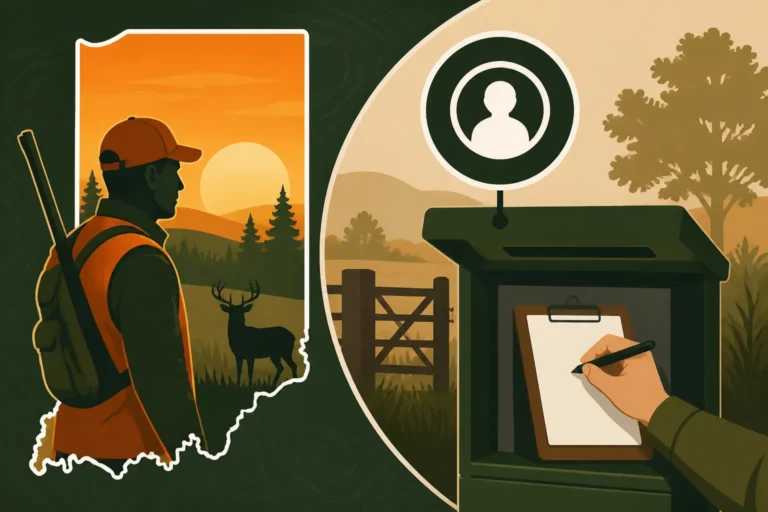
Upon entering, you'll be assigned a specific hunting zone or area. This is where your pre-scouting and map reading skills become invaluable. Digital mapping tools, like those offered by onX Hunt or even the refuge's own maps, are essential for staying within your assigned boundaries. Deviating from your assigned area is a serious offense, not only for safety reasons but also for maintaining the integrity of the managed hunt system. At the end of your hunt, you'll need to check out, often reporting any harvest. This meticulous entry and exit protocol might seem cumbersome at first, but it’s crucial for hunter safety and effective refuge management. Always factor in extra time for these procedures at the beginning and end of your day.
Hunting Opportunities and Game Species at Big Oaks
Big Oaks isn't just a place with strict rules; it's a genuine hunting destination. The unique management approach and the refuge's history have created an environment that supports impressive populations of target species, offering a quality experience for those who navigate the system.
Deer Hunting at Big Oaks
Deer hunting is perhaps the most popular pursuit at Big Oaks. The refuge's vast, relatively undisturbed woodlands, combined with limited pressure in specific zones, can lead to encounters with mature bucks. The habitat mix, ranging from dense timber to old fields and brushy draws, provides excellent cover and food sources. Hunters often describe Big Oaks deer as less wary than those on other public lands, though this is by no means a guarantee. The sheer size of the property allows deer to establish large home ranges and often reach older age classes.
Hunts are typically archery, muzzleloader, or firearms, depending on the specific permit and time of year. Given the potential for longer shots in open areas or thick timber, knowing your weapon's capabilities and practicing shot placement is critical. Sighting In a Centerfire Rifle for Indiana Woods or understanding your effective range with a bow is crucial. Many hunters plan multi-day trips to maximize their chances, especially for firearms hunts which might be limited in duration. Success here often comes down to scouting diligently, understanding deer movement patterns within your assigned zone, and being patient. The absence of intense pressure means deer may stick to more predictable patterns if you can locate their bedding and feeding areas.
Turkey Hunting Opportunities
Spring turkey hunting at Big Oaks is another highly sought-after opportunity. The refuge boasts a healthy turkey population, and the diverse terrain—from mature hardwoods on ridges to creek bottoms with roost trees—provides ideal turkey habitat. Just like deer, turkey hunting here is permit-based, and success in the lottery system can be challenging. However, if you draw a tag, you're in for a treat. The chances of encountering gobblers that haven't been relentlessly pressured since the season opener are significantly higher than on many other public lands.
Tactics here often involve a mix of traditional calling and strategic movement. Roost Hunting Indiana Gobblers can be particularly effective, given the refuge's expanse and the likelihood of finding undisturbed birds. The "run-and-gun" approach can also work well, allowing you to cover ground and locate responsive birds without bumping into other hunters every few minutes. However, always be mindful of your zone boundaries. The rich habitat, with plenty of acorns, insects, and open areas for strutting, means turkeys thrive, offering a truly immersive spring experience. Carrying a variety of calls and being adaptable to their mood is key.
Other Game Species and Opportunities
While deer and turkey dominate, Big Oaks may offer limited opportunities for other game, depending on current management objectives and specific permits. Small game hunting, for example, might be available in certain designated areas, though these opportunities are generally less frequent and more restricted than big game. Hunters looking for species like squirrels or rabbits should check the refuge's specific regulations and permit requirements well in advance, as seasons and zones can vary considerably.
It’s crucial to understand that Big Oaks is primarily managed for conservation and military clean-up, with hunting being a complementary activity. This means the focus is often on controlling populations of species like deer to maintain ecological balance and ensure public safety regarding ordnance. Always consult the official Big Oaks National Wildlife Refuge website or contact the refuge directly for the most current information on all hunting opportunities, season dates, and specific permit requirements, as these can change annually.
Strategic Planning and Scouting for Success
Hunting a place like Big Oaks, with its vastness and unique rules, requires more than just showing up on opening morning. It demands meticulous planning and smart scouting, both from your desk and with boots on the ground. This forethought is often the difference between a frustrating day and a successful hunt.
Pre-Season Scouting and Maps
Given the permit-based access and often limited time you might have on your assigned zone, pre-season scouting is paramount. This starts long before you ever set foot on the refuge. Aerial maps and satellite imagery are your best friends here. Tools like onX Hunt can be invaluable for identifying potential bedding areas, travel corridors, food sources (both natural and planted), and especially those critical refuge boundaries. Look for terrain features that naturally funnel deer, such as saddles on ridges, creek crossings, or changes in vegetation density. Reading a Ridge for Hoosier Forest Deer principles apply here just as much as in other big timber settings.
Beyond terrain, try to identify water sources, especially during dry periods, as these can be magnets for deer and turkey. Look for old logging roads or clear-cuts that create edge habitat. Remember that some areas are permanently restricted, so integrate that knowledge into your e-scouting. Mark potential stand sites, entry and exit routes, and points of interest. Even without physically walking the ground, a thorough digital scout can give you a massive advantage when your permit day finally arrives, allowing you to prioritize areas to check in person.
On-The-Ground Tactics
Once you've secured your permit and have done your digital reconnaissance, getting boots on the ground, if allowed, is the next step. However, access might be limited to your hunt days, making the need for efficient scouting even greater. When you are on the ground, pay close attention to fresh sign: tracks, rubs, scrapes, and scat. These tell you where the animals are currently moving and feeding. Look for specific food preferences—acorns, persimmons, browse—and locate the heaviest concentrations.
When you're hunting, approach your chosen area slowly and quietly. Given the size of Big Oaks, deer may not be accustomed to constant human intrusion in all areas, so a stealthy approach can increase your odds. Consider using a ground blind if the cover allows and you've scouted a good ambush point, especially on field edges. Using a Ground Blind on Indiana Public Land can provide excellent concealment without the need to hang a stand in unfamiliar trees. If using a treestand, choose a location that offers good visibility and a clear shot lane, but also provides good cover for yourself. Remember, the goal is to integrate seamlessly into the environment, not to disrupt it.
Gear and Safety Considerations for Big Oaks
Hunting at Big Oaks isn't just about strategy; it's also about being prepared with the right gear and an unwavering commitment to safety. The unique environment of the refuge demands a bit more forethought than your average hunting trip.
Essential Gear for the Refuge
Your gear choices at Big Oaks should prioritize safety, comfort, and adaptability. Given the large acreage and potential for extensive walking, comfortable and supportive boots are non-negotiable. Boots for Indiana Mud and Snow will serve you well, offering traction and protection from the elements. A quality backpack, like those designed for a Packs for a Hoosier Forest Day Hunt, is essential to carry all your necessities: water, snacks, first-aid kit, game processing tools, and extra layers. Weather in Indiana can change on a dime, so layering your clothing is crucial.
For navigation, a reliable GPS unit or a smartphone app like onX Hunt with downloaded maps is absolutely critical. Cell service can be spotty in remote parts of the refuge, so don't rely solely on streaming maps. Ensure your device is fully charged or carry a portable power bank. A headlamp with extra batteries is also a must, as you'll likely be walking in and out in low light. For deer hunters, consider a quality set of binoculars to glass large areas, especially in more open sections. Binocular Choice for Indiana Whitetails is about finding that perfect balance of power and portability.
Safety Protocols and Best Practices
Safety at Big Oaks is paramount, primarily due to its history as a military testing ground. Adhering to all refuge rules and regulations is not just good practice; it's vital for your well-being. This includes staying strictly within your assigned hunting zones and respecting any marked off-limits areas. These boundaries are there for your safety, as they indicate areas that have not been cleared of UXO. Treat every sign and boundary marker as if your life depends on it – because it might.
Always wear the required blaze orange or blaze pink during applicable seasons. How Much Blaze Orange Indiana Requires is generally higher visibility than you might think, and it's there to protect you. Inform someone of your hunting plans, including your specific zone and expected return time. Carrying a whistle can be useful for emergencies, and a basic first-aid kit is essential. Remember, you're often in remote areas where help might not be immediately available. Being self-sufficient and prepared for unexpected situations, from a sprained ankle to a sudden change in weather, is crucial when hunting Big Oaks National Wildlife Refuge.
| Aspect of Hunting | Typical Indiana Public Land (e.g., FWA) | Big Oaks National Wildlife Refuge |
|---|---|---|
| Access | Open to public with valid license | Permit required, often draw-based |
| Boundaries | Clearly marked, generally open traversal | Strict zone adherence, UXO areas off-limits |
| Crowd Levels | Can be heavy, especially opening weekend | Managed to limit pressure per zone |
| Scouting | Open year-round for scouting | Often restricted to hunt days or specific dates |
| Safety Briefing | Generally not required | Mandatory for most hunts |
| Habitat | Varies, often more fragmented | Large, contiguous, undisturbed areas |
| Game Pressure | Can be very high | Lower, managed pressure |
| Navigation | Maps helpful, less critical | Digital maps (e.g., onX Hunt) crucial |
Disclaimer
This article is for general informational purposes only and does not constitute professional advice. Laws, prices and regulations vary by location and change over time. Consult a qualified professional for guidance on your specific situation.