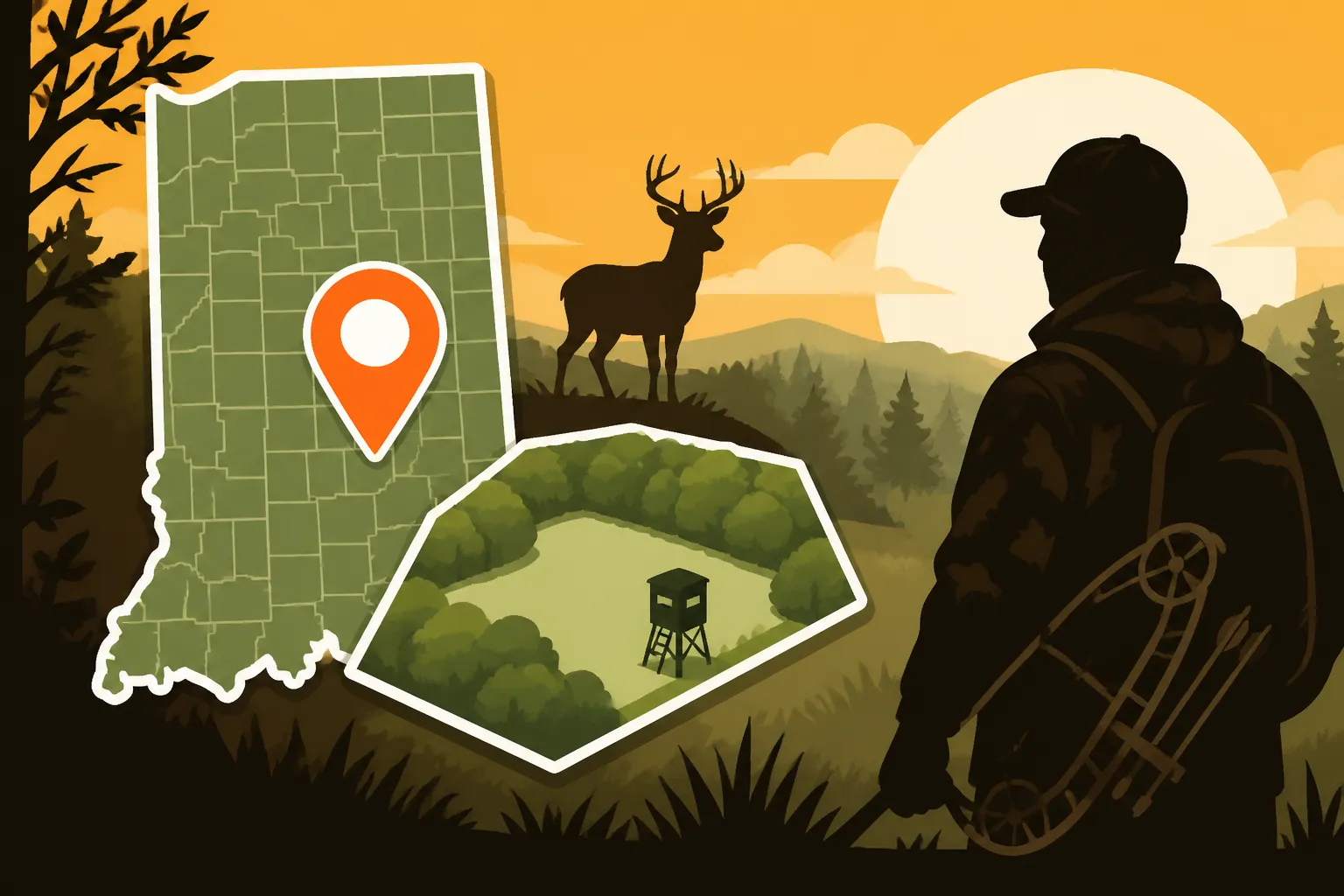
Finding an Indiana Hunting Lease
For many Indiana hunters, the dream of having dedicated, private hunting ground feels like the ultimate prize. Tired of navigating crowded public land or the yearly scramble to secure a small sliver of permission, the idea of a hunting lease offers exclusive access and the potential to truly manage a property for consistent success. This guide is here to demystify the process of finding an Indiana hunting lease, offering practical advice and setting realistic expectations for securing your own piece of hunting heaven.
The Appeal and Reality of Hunting Leases in Indiana
Let's be honest, the lure of a private hunting lease in Indiana is powerful. You envision quiet mornings, unpressured deer, and the ability to implement habitat improvements without worrying about other hunters. But while leases offer incredible advantages, it's also important to understand the landscape and the challenges involved in securing one.
Why Leases Attract Indiana Hunters
The primary draw of a hunting lease is, without a doubt, exclusive access. Imagine being the only person, or group, allowed to hunt a particular tract of land. That means no more showing up at the public land parking lot at 4 AM only to find half a dozen other trucks already there. It means less pressure on the deer, giving you a better chance to observe patterns, implement strategies, and hopefully, encounter mature animals.
Beyond simply having a place to hunt, a lease allows for a deeper connection with the land. You can scout thoroughly without fear of someone else moving in on your intel. You can hang stands, place ground blinds, and even put in food plots (with landowner permission, of course) knowing that your efforts will directly benefit your hunting experience. This long-term commitment allows for strategic deer management, whether it's passing on younger bucks to improve the herd's age structure or focusing on antlerless harvest to balance populations. It's a chance to build a true hunting legacy on a piece of ground you've come to know intimately. Many hunters find that a lease also fosters a stronger sense of community, as groups of friends or family often pool resources to secure a larger, more desirable tract.
The Challenges of Securing a Good Lease
Now, let's get real for a moment. Finding a good hunting lease in Indiana isn't always easy, and it often comes with a significant investment. Prime properties, especially those known for holding quality deer, are highly sought after. Competition can be stiff, and many landowners already have long-standing relationships with hunters, making it difficult for new individuals or groups to break in.
The cost is another major factor. While Indiana Hunting Lease Costs can vary wildly based on location, acreage, deer quality, and amenities, expect to pay a premium for exclusive access. This isn't just about the initial lease fee; you'll also need to consider liability insurance, potential costs for habitat improvements, fuel for scouting trips, and all your regular hunting expenses. It's a serious financial commitment, and it's crucial to have a clear budget in mind before you even start looking.
Furthermore, not all leases are created equal. Some properties might be smaller, have limited access, or border heavily pressured areas. You might encounter landowners with very specific rules, or properties that are leased for other activities (like farming or timber harvesting) that could conflict with your hunting plans. It's a negotiation, and you need to be prepared to ask a lot of questions and do your homework to ensure the lease truly meets your expectations and hunting goals.
Where to Start Your Indiana Lease Search
Finding an Indiana hunting lease often feels like a treasure hunt, but with the right tools and approach, you can significantly improve your odds. It's usually a combination of online research, old-fashioned networking, and a bit of boots-on-the-ground effort.
Online Platforms and Digital Tools
In today's digital age, online platforms are often the first stop for hunters seeking a lease. Websites dedicated to hunting land sales and leases are a good starting point. These platforms often list properties with detailed descriptions, photos, and sometimes even aerial maps. While they might include properties beyond Indiana, a quick search filter can narrow down your options.
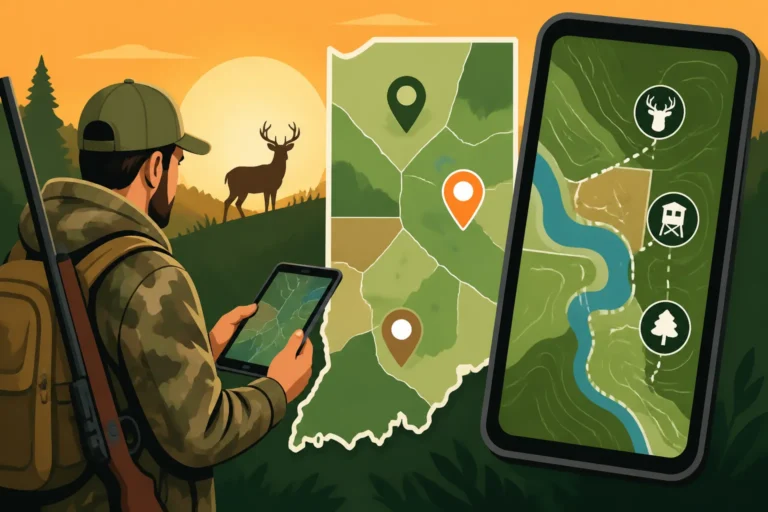
However, don't just rely on general classifieds. Utilize mapping software like onX Hunt, which can be invaluable for identifying potential properties. While onX is primarily known for its public land boundaries and property ownership layers, you can use it to scout private parcels from afar. Look for properties with ideal habitat—thick cover, water sources, natural funnels, and proximity to agricultural fields. If you identify a promising private parcel near existing public land, you can use the ownership data to find the landowner's information and potentially reach out directly. This kind of proactive scouting, detailed in articles like Reading Aerial Photos for Southern Indiana Deer, can give you a significant edge. Even if a property isn't listed, being able to identify a landowner of a promising parcel opens the door to a direct inquiry, which is often how the best leases are secured. GoHunt, another valuable resource, often features articles and insights that can help refine your search strategy, even if it's not a direct lease listing platform.
Networking and Local Connections
While the internet is great, sometimes the best leases are found through word-of-mouth. Start by spreading the word within your hunting circles. Talk to friends, family, co-workers, and even acquaintances at your local sporting goods store or archery shop. You never know who might know someone who knows someone looking to lease their land. Often, landowners prefer to lease to someone they trust or someone recommended by a mutual contact, rather than a complete stranger from an online ad.
Local connections extend to farmers, foresters, and other rural residents. These individuals are often the first to know when a piece of ground might be coming available for lease. Attending local community events, patronizing small-town businesses, or joining local conservation groups can help you build these valuable relationships. It takes time and effort to build trust, but a good reputation can open doors that no website ever could. Remember, even if someone doesn't have land to lease directly, they might point you to a neighbor or another contact who does. This type of grassroots effort can be particularly effective for finding those smaller, overlooked parcels that might be perfect for Hunting Small Private Tracts in Indiana.
Driving the Backroads and Knocking on Doors
This might sound old-fashioned, but it's still one of the most effective ways to find an unlisted hunting lease. Dedicate some time to simply driving rural roads in areas of Indiana that hold good deer populations. When you see a promising looking timber block, a large CRP field, or an unmanaged woodlot that looks like prime habitat, take note.
Using a mapping app like onX Hunt, you can instantly pull up the landowner's information for that specific parcel. While some might prefer sending a letter, a polite knock on the door (during reasonable hours, of course) can sometimes be the most direct route. Be prepared with a clear, concise pitch. Introduce yourself, explain that you're an ethical hunter looking for a place to lease, and express your respect for their property. Emphasize that you're looking for a long-term relationship, not just a seasonal free-for-all. Bringing references from previous landowners or a brief resume of your hunting ethics can also go a long way. This direct approach, similar to the advice in Knocking on Doors in Indiana Farm Country, shows initiative and seriousness, which many landowners appreciate. Remember, even a "no" today doesn't mean a "no" forever. A positive, respectful interaction can leave the door open for future opportunities.
What to Look for in an Indiana Hunting Lease
Once you've found a few potential lease properties, the real work of evaluation begins. It's not just about the acreage; it's about the quality of the land, the terms of the agreement, and the overall value for your hunting goals.
Assessing the Property's Potential
Before signing anything, thoroughly scout the property. This means walking every corner, looking for deer sign, bedding areas, travel corridors, and potential food sources. Pay attention to how the property lays out in relation to neighboring properties—are there large agricultural fields nearby? Is there dense cover that offers sanctuary? Understanding the surrounding landscape is crucial, as deer rarely stay within one property's boundaries. Consider articles like Reading a Ridge for Hoosier Forest Deer for tips on how to identify key features, even if it's a private, not public, tract.
Look for key features that influence deer movement and health.
- Water Sources: Creeks, ponds, or even reliable seasonal puddles are vital, especially during dry spells.
- Cover: Dense thickets, standing timber, or heavy brush provide security and bedding areas.
- Food Sources: Are there mast trees (oaks, hickory), natural browse, or agricultural fields on or adjacent to the property?
- Topography: Ridges, saddles, creek bottoms, and funnels can dictate deer movement.
- Access: Can you get in and out discreetly without disturbing deer or neighboring properties? What are the road conditions?
Also, consider the presence of other game. While deer might be your primary target, a diverse property offering opportunities for Squirrel and Small Game Hunting in Indiana or even Spring Turkey Hunting in Indiana can add significant value to your lease.
Understanding Lease Agreements and Expectations
Never, ever enter into a hunting lease without a clear, written agreement. This document protects both you and the landowner and outlines all the terms and conditions. A good lease agreement should cover:
- Duration: How long is the lease valid? Is it renewable?
- Cost and Payment Schedule: The total fee, when it's due, and acceptable payment methods.
- Allowed Activities: What can you hunt? Are there limits on species or harvest numbers beyond state regulations? Can you bring guests?
- Prohibited Activities: Are there limits on cutting trees, building permanent structures, or using ATVs?
- Liability: Who is responsible in case of an accident? Most landowners will require you to carry liability insurance.
- Access: Where can you enter and exit? Are there specific parking areas?
- Improvements: What types of habitat improvements (food plots, stands) are allowed, and who is responsible for their installation and removal?
- Termination Clause: Under what circumstances can either party terminate the agreement?
It's also crucial to discuss expectations with the landowner face-to-face. What are their goals for the land? Do they want deer numbers reduced? Are they simply looking for some extra income? Clarity on these points upfront can prevent misunderstandings down the road. For example, understanding Indiana Deer Season Structure Explained is important, but how the landowner wants you to manage their herd within those parameters is equally vital.
The Financial Side: Costs and Value
As mentioned earlier, the cost of an Indiana hunting lease can vary dramatically. It's often calculated per acre, but don't let a low per-acre price blind you to a property's actual value. A smaller, well-managed property with excellent habitat might be a better value than a large, open tract with little cover and high hunting pressure.
When considering the financial aspect, create a comprehensive budget.
| Item | Description |
|---|---|
| Lease Fee | Annual or multi-year cost for exclusive hunting rights. |
| Liability Insurance | Essential to protect yourself and the landowner. |
| Habitat Improvements | Seeds for food plots, lime, fertilizer, equipment rental. |
| Fuel & Travel | Costs for scouting trips, stand hanging, hunting days. |
| Stand & Blind Costs | Purchase and maintenance of treestands, ground blinds. |
| Game Cameras | Scouting tools for monitoring deer movement. |
| Deer Processing | If not doing it yourself, butcher costs. |
| Licenses & Tags | State-mandated hunting permits and tags. |
| Incidentals | Unexpected repairs, supplies, etc. |
Always compare the cost to the potential benefits. If a lease is prohibitively expensive, it might be better to refine your Scouting Indiana Public Land Before Season skills and focus on maximizing opportunities there. However, if the lease provides exclusive access to high-quality habitat, significantly reduces hunting pressure, and aligns with your long-term hunting goals, the investment can be well worth it. Just make sure to factor in all the costs, not just the sticker price of the lease itself.
Remember, a hunting lease is more than just a place to hunt; it's a commitment to a piece of land and a relationship with its owner. Approach the search with respect, thoroughness, and realistic expectations, and you'll be well on your way to securing your private hunting haven in Indiana.
Disclaimer
This article is for general informational purposes only and does not constitute professional advice. Laws, prices and regulations vary by location and change over time. Consult a qualified professional for guidance on your specific situation.