Perry County Public Hunting Ground
It can be tough for Indiana hunters to pinpoint reliable public ground, especially when you're looking for an area that offers diverse opportunities and a real challenge. Many folks get frustrated by crowded spots or land that just doesn't live up to its promise. This guide is all about shedding light on Perry County's public hunting grounds, giving you the detailed scoop on what to expect, where to go, and how to make the most of your time in this rugged, beautiful part of Southern Indiana.
Why Perry County Stands Out for Public Land Hunters
Perry County, nestled in the heart of Southern Indiana's stunning hill country, often gets overlooked by hunters who stick to more advertised spots. But let me tell you, this county holds some serious potential for those willing to put in the work. It’s part of the larger landscape that makes Hunting Southern Indiana Hill Country such a unique and rewarding experience. What makes Perry County particularly special is its blend of challenging topography, mature timber, and river bottom access, creating a diverse habitat that supports a robust population of game.
The terrain here is no joke; expect steep ridges, deep hollows, and winding creeks. This isn't your flat farmland hunting, and that's precisely why many dedicated hunters are drawn to it. The elevation changes create natural funnels and bedding areas that, once you learn to read them, can be incredibly productive. Plus, the sheer ruggedness means that many areas see less pressure, especially if you're willing to hike a bit deeper than the average hunter. It’s a place where physical fitness truly pays off.
Beyond the deer, which we'll dive into more later, Perry County's diverse habitat also makes it a strong contender for turkey hunters, small game enthusiasts, and even predator callers. The extensive forested tracts, coupled with pockets of agricultural land along the Ohio River, provide everything from mast crops to thick thermal cover, ensuring a healthy ecosystem for a variety of species.
The Unique Topography and Its Hunting Implications
If you've ever scouted a map of Perry County, you'll immediately notice the intricate network of ridges and drainages. These aren't gentle rolling hills; these are steep, often rocky, climbs that demand respect. However, this very ruggedness is a hunter's friend. Deer and turkeys often use these natural contours to travel, feed, and bed, making them predictable if you understand their patterns. For instance, saddles between ridges become prime crossing points, especially during the rut.
Thermal currents play a huge role in these hills, influencing how game moves at different times of the day. In the mornings, cold air sinks into the hollows, pushing deer up onto benches and ridge tops. In the evenings, the opposite happens, and deer might filter back down into the bottoms to feed. Understanding these subtle shifts can dramatically impact your stand placement or still-hunting strategy. It’s a dynamic environment that forces you to think beyond static locations.
Furthermore, the dense timber, often a mix of mature hardwoods like oak and hickory, provides abundant mast crops that are critical food sources for deer and turkeys. A good acorn crop in a particular hollow can hold deer for weeks, while a poor one might force them to seek out other food sources, making your Scouting Indiana Public Land Before Season even more crucial. Learning to identify these mast-producing trees and understanding the annual variations is key to consistent success in Perry County.
The Influence of the Ohio River
Perry County's southern border is defined by the majestic Ohio River, and its presence profoundly impacts the local ecosystem and hunting opportunities. The river creates fertile bottomland areas that are quite different from the upland ridges, offering a completely different set of hunting conditions. These river bottoms are often characterized by dense cover, sloughs, and secondary creeks, providing excellent sanctuary for deer.
During periods of high water, deer may be pushed up onto higher ground, concentrating them in specific areas along the fringes of the flood plain. Conversely, when water levels are low, new travel corridors and food sources can emerge. Hunting these fluctuating conditions requires adaptability and a keen understanding of the terrain. The river also serves as a natural migration route for various waterfowl, making select areas along its banks potential hotspots for duck and goose hunting, though public access for waterfowl can be more challenging to find and often requires specialized gear.
The river bottom areas also tend to hold different types of vegetation, like thick tangles of briars and honeysuckle, which provide incredible security cover. While tough to navigate, these areas can be absolute sanctuaries for mature bucks, especially once hunting pressure starts to build on the ridge tops. Don't overlook the edges of these dense thickets; deer will often stage there before moving into more open feeding areas.
Key Public Hunting Areas Within Perry County
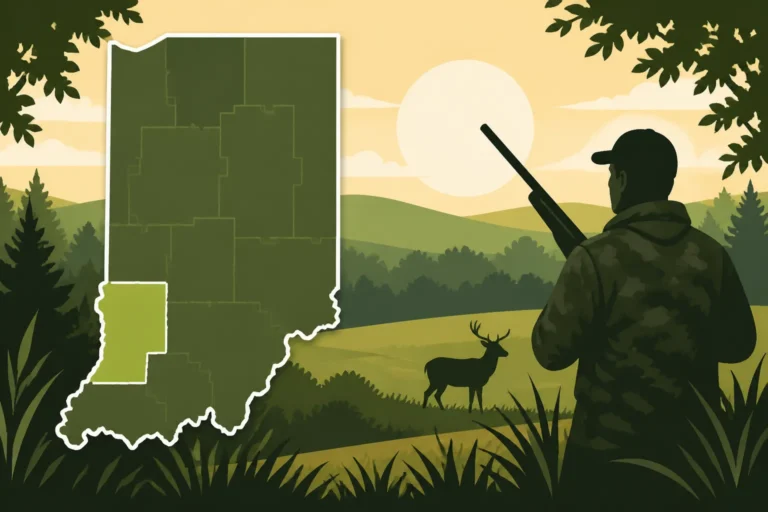
Perry County is primarily dominated by a significant portion of the Hoosier National Forest Hunting, which provides vast stretches of accessible public land. This federal land is the bread and butter for many hunters looking for room to roam. In addition to the National Forest, there are often smaller, less formal access points or even private parcels enrolled in public access programs. Knowing where to focus your efforts is half the battle.
The Hoosier National Forest offers thousands of acres for hunting, encompassing the rugged terrain we just discussed. It's truly a wilderness experience in many parts, requiring good navigation skills and a willingness to hike. You won't find manicured trails or neatly mowed shooting lanes here; it's raw, wild Indiana. This is where tools like onX Hunt really shine, helping you identify public boundaries, topo features, and potential access points even in the deepest woods.
While specific Fish and Wildlife Areas (FWAs) might be just outside Perry County's direct borders, the sheer size and connectivity of the Hoosier National Forest mean that the general hunting pressure and game populations within its boundaries are relatively consistent across its range, including the Perry County sections. Always double-check the latest Indiana DNR hunting guide for any specific regulations pertaining to National Forest land versus other public access sites, as rules can sometimes vary.
Hoosier National Forest Portions
The Hoosier National Forest sections in Perry County are truly sprawling, offering incredible opportunities for deer, turkey, and small game. These areas are characterized by mature timber, steep ravines, and extensive ridge systems. When you're looking at a map, zoom in on the large contiguous blocks of green land—that's your target. These vast tracts allow deer to feel secure, fostering larger home ranges and the potential for older, bigger bucks.
One of the biggest advantages of hunting the National Forest is the sheer acreage. If you find an area that's getting too much pressure, you can always move deeper, finding untouched pockets. However, this also means you need to be prepared for longer walks and the challenge of dragging out a deer from remote locations. Planning your extraction route is just as important as planning your approach. Consider investing in a good game cart or a sled if snow is on the ground.
It's also important to be aware of the rules regarding camping and trail cameras on National Forest land. While primitive camping is generally allowed, check the specifics for the exact district you're in. For trail cameras, generally they are permitted, but they must not damage trees and should be removed after the season. Always verify the latest regulations directly with the Forest Service or the Indiana DNR.
Navigating Public and Private Boundaries
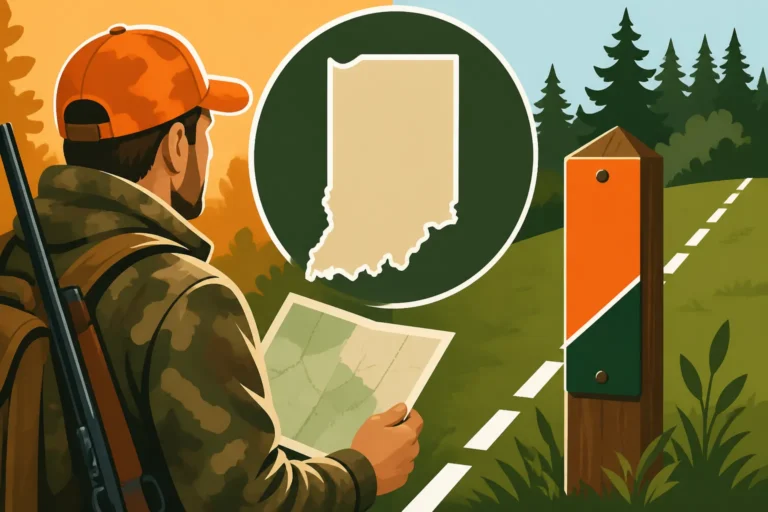
One common challenge, especially in counties with a mix of public and private land, is ensuring you're always on legal hunting ground. Perry County is no exception. While the Hoosier National Forest provides large public blocks, there are also interspersed private parcels. This is where digital mapping tools become indispensable. An app like onX Hunt allows you to clearly see property lines, land ownership, and public land boundaries in real-time on your phone, even without cell service if you download maps beforehand.
Before heading out, it's wise to spend some time digitally scouting. Identify access roads, parking areas, and potential ingress points into public land. Pay close attention to any "islands" of private land surrounded by public ground, or vice versa. These boundary areas can often be transition zones for deer, but you must respect private property. Trespassing, even accidentally, can lead to serious consequences and damage the reputation of all hunters.
If you happen to find an interesting-looking parcel of private land adjacent to public ground, don't be afraid to try to Getting Private Land Permission in Indiana. A respectful knock on a landowner's door, offering to help with a task or share some venison, can sometimes open up new opportunities. Just remember that no means no, and always carry written permission if you gain access.
Navigating and Preparing for Your Perry County Hunt
Hunting Perry County's public ground isn't just about showing up with a rifle or bow; it's about preparation, smart planning, and a deep respect for the challenging landscape. The difference between a frustrating trip and a successful one often boils down to how well you've prepared for the unique demands of this region. From pre-season scouting to physical conditioning, every detail counts when you're tackling these hills.
One of the most critical aspects of preparation is understanding the regulations. Indiana's deer seasons are structured to offer various opportunities, and knowing the specifics of Indiana Deer Season Structure Explained is paramount. This includes understanding bag limits, legal weapons for different seasons, and reporting requirements. It's also vital to ensure you have all the necessary Indiana Hunting Licenses and What They Cost well in advance of your hunt, as you don't want to be scrambling on opening morning.
Another key component is physical conditioning. Hiking these steep hills with a pack, a rifle, and potentially a harvested deer is strenuous. Start a walking or hiking regimen months before the season to build up your endurance. The better shape you're in, the further you can go, and the more ground you can cover, giving you an advantage over less-prepared hunters and access to areas that see minimal pressure.
Pre-Season Scouting Strategies
Effective pre-season scouting is absolutely non-negotiable for success in Perry County. Because the terrain is so vast and rugged, you can't just wander in on opening day and expect to find deer. Start with aerial maps, readily available through apps like GoHunt or onX Hunt. Look for natural funnels, pinch points, benches along ridges, creek crossings, and areas with differing timber types that might indicate bedding or feeding zones. Identifying potential Hunting the Hoosier Forest's Deer-Heavy Coves can be a game-changer.
Once you've identified promising areas on the map, it's time for boots on the ground. Hike these areas during the off-season, long before deer season opens. Look for old rub lines, historical scrape locations, well-used trails, and natural features like downed trees or rock outcroppings that might funnel deer. Pay attention to water sources and potential food sources, especially mast crops. This is also a great time to locate suitable trees for a treestand or identify natural ground blind locations.
Don't forget the power of trail cameras, even for public land. While rules vary by specific public property, in many sections of the Hoosier National Forest, they are permitted. Deploying a few cameras on promising trails or near known food sources can provide invaluable intelligence on deer movement patterns, especially during low-light hours. Just remember to secure them well and check them discreetly to avoid alerting game or other hunters.
Essential Gear for the Terrain
Your gear list for Perry County hunting will look a bit different than for a flatland hunt. First and foremost, sturdy, comfortable hiking boots with good ankle support are a must. You'll be traversing uneven, often steep, and potentially slick terrain. Wet leaves on steep hillsides are notorious for causing slips and falls. Prioritize waterproof boots that can handle mud and occasional creek crossings.
A reliable backpack is also essential. You'll need to carry water, snacks, extra layers, navigation tools, a first-aid kit, and any field dressing supplies. If you're planning on a deep woods hunt, a pack with a frame for hauling out meat can be a wise investment. Don't forget your navigation tools—whether it's a dedicated GPS unit or a fully charged smartphone with offline maps downloaded on an app like onX Hunt. Losing your way in these hills is a real possibility if you're not prepared.
For your treestand setup, consider a lightweight, portable stand or even a saddle hunting system. You’ll likely be hiking a considerable distance, and a heavy, cumbersome stand will quickly wear you out. Look for Portable Treestands Worth Packing In that are quick to set up and take down, allowing you to be mobile and adapt to changing deer patterns. And, of course, always wear your safety harness—the rugged terrain makes a fall even more dangerous.
Indiana Hunting License and Regulations Overview
Before stepping foot onto public hunting ground in Perry County, you absolutely must be properly licensed and understand all current regulations. Indiana has specific requirements for residents and non-residents alike, covering everything from base hunting licenses to species-specific permits like deer and turkey tags. It's not uncommon for regulations to see minor updates from year to year, so always check the latest Indiana DNR hunting and trapping guide, typically released annually.
For deer hunting, you'll need an Indiana hunting license and deer tags that match the weapon you're using (e.g., archery, firearms, muzzleloader). There are options like the "deer bundle" which can be a cost-effective way to get multiple tags. If you're a non-resident, the costs are higher, but permits are readily available. You can purchase licenses online via the Go Outdoors Indiana website, at authorized retailers, or by phone. Always carry proof of your license while afield, either a physical copy or an electronic version on your phone.
Beyond licenses, pay close attention to harvest reporting requirements. All deer harvested in Indiana must be reported within 48 hours. This can typically be done online, by phone, or through the Go Outdoors Indiana mobile app. Understanding season dates, legal shooting hours, and bag limits (including antlered vs. antlerless deer) is crucial. Finally, remember Indiana's Indiana Blaze Orange Requirements during firearms seasons—a significant safety measure for all hunters.
Here's a quick overview of some key considerations:
| Category | Key Point |
|---|---|
| Licenses & Permits | Base hunting license + specific tags (deer, turkey). Residents & non-residents have different costs. Available online (Go Outdoors Indiana), retailers, or phone. |
| Season Dates | Vary by weapon type (archery, firearms, muzzleloader). Always check current Indiana DNR guide. |
| Bag Limits | Specific limits for antlered and antlerless deer, often with bonus tags or reduction zone opportunities. Turkey limits usually one bearded bird in spring, one either sex in fall (county-restricted). |
| Harvest Reporting | All deer must be reported within 48 hours via online, phone, or Go Outdoors Indiana app. |
| Blaze Orange | Mandatory during firearms seasons, typically 500 sq. inches visible from all directions. Exemptions for archery-only periods, but still recommended for safety. |
| Public Land Rules | Specific rules for treestands (no permanent stands), baiting (illegal), trail cameras (check specifics for FWA vs. HNF), and vehicle access (limited to designated roads). |
| Weapons | Legal firearms for deer have specific cartridge requirements (check latest rules, as straight-wall restrictions have changed). Bows, crossbows, and muzzleloaders also have regulations. |
Species You Can Expect to Hunt in Perry County
Perry County is a sportsman's paradise when it comes to the diversity of game species available. While deer hunting certainly takes center stage for many, the rugged landscapes and riverine habitats support a healthy population of other sought-after game. Understanding what's available and where to find it will help you broaden your horizons and enjoy more time in the woods.
The whitetail deer population in Perry County is robust, thanks to the ample cover and food sources found throughout the Hoosier National Forest and surrounding private lands. You'll find deer that are typically a bit smaller in body size compared to their Northern Indiana farmland counterparts, but the hills can produce some impressive antlers if you put in the time and effort to find older age class bucks. The challenging terrain naturally protects some of these deer from high hunting pressure.
Wild turkeys are also plentiful, particularly in the spring. The same oak-hickory forests that provide mast for deer also offer excellent roosting and foraging habitat for turkeys. Small game, like squirrels and rabbits, thrives in various parts of the county, offering year-round hunting opportunities. Even predators like coyotes are common, providing an exciting challenge for those looking to call them in.
Whitetail Deer Hunting Opportunities
Perry County is renowned for its whitetail deer hunting, especially for those who appreciate a more rugged, less-pressured experience. The deer here are masters of their environment, using the steep terrain to their advantage. Scouting for benches, saddles, and creek bottoms that serve as travel corridors is essential. During the rut, bucks will often cruise these ridge systems, actively searching for does, making these natural funnels incredibly productive.
While the overall deer density might not feel as high as in some agricultural areas, the potential for encountering older, wiser bucks is significant. These deer learn quickly to avoid easy access points and heavy pressure, often retreating to the deepest hollows and steepest slopes. Successful deer hunters in Perry County are those who are willing to hike a mile or more from the nearest road, quietly still-hunting or setting up stands in remote areas. Consider Treestand Setups in Hoosier National Forest that offer wide visibility down into hollows and across ridge tops.
Food sources are diverse, ranging from acorns and other mast crops to browse found in clear-cuts and regenerated areas. Pay attention to hard mast production each year; a good acorn crop will congregate deer in certain areas, while a poor one will scatter them as they seek out other browse and soft mast. This adaptability in food sources means deer aren't always in the same place year after year, requiring consistent scouting efforts.
Wild Turkey Prospects
If you're a turkey hunter, Perry County should definitely be on your radar, particularly for spring gobbler season. The expansive hardwood forests provide ideal habitat for wild turkeys, with plenty of mature trees for roosting and abundant food sources like acorns, insects, and lush greens. The sound of a gobbler echoing through the hollows on a crisp spring morning is an experience hard to beat.
Successful turkey hunting in these hills often involves a lot of walking and listening. Turkeys will frequently roost on ridge tops and fly down into the hollows or onto benches to feed. Being able to get ahead of them, or set up quietly on a ridge before they fly down, can be a winning strategy. Calling is crucial, but knowing when to be aggressive and when to be subtle is key to coaxing a wary gobbler in. Remember, these birds are also quite adept at using the terrain to their advantage, often circling hunters or popping up unexpectedly.
Fall turkey hunting is also an option in Perry County, but it's a very different ball game than spring. During the fall, turkeys are often in larger flocks, and tactics shift from calling in lovesick gobblers to breaking up flocks and calling individuals back together. Always check the current Indiana DNR regulations for fall turkey season, as specific rules for archery versus firearms and county restrictions apply.
Small Game and Other Opportunities
Beyond deer and turkey, Perry County offers great opportunities for small game hunters. Squirrels, both fox and gray, are abundant throughout the hardwood forests. A leisurely walk through an oak or hickory stand in the early season, listening for cutting sounds, can yield a delicious meal of squirrel. Rabbit hunting is also popular, especially along brushy field edges, fencerows, and creek bottoms. Running beagles through these thickets can be an exciting way to hunt cottontails.
Predator hunting, primarily for coyotes, is a year-round pursuit in Indiana and Perry County provides excellent habitat. The mix of dense timber and open areas makes for prime coyote territory. Calling them in can be an adrenaline-pumping experience, particularly during the colder months when pelts are at their prime. Always check specific regulations for night hunting or the use of electronic calls, as rules can vary.
Other furbearers like raccoons, opossums, and even bobcats (though bobcat hunting is not permitted, seeing one is a rare treat) also call Perry County home. While primarily pursued by trappers, an occasional encounter while deer hunting isn't uncommon. For those interested in trapping, the creek systems and river bottoms offer potential for muskrats and beaver.
Disclaimer
This article is for general informational purposes only and does not constitute professional advice. Laws, prices and regulations vary by location and change over time. Consult a qualified professional for guidance on your specific situation.