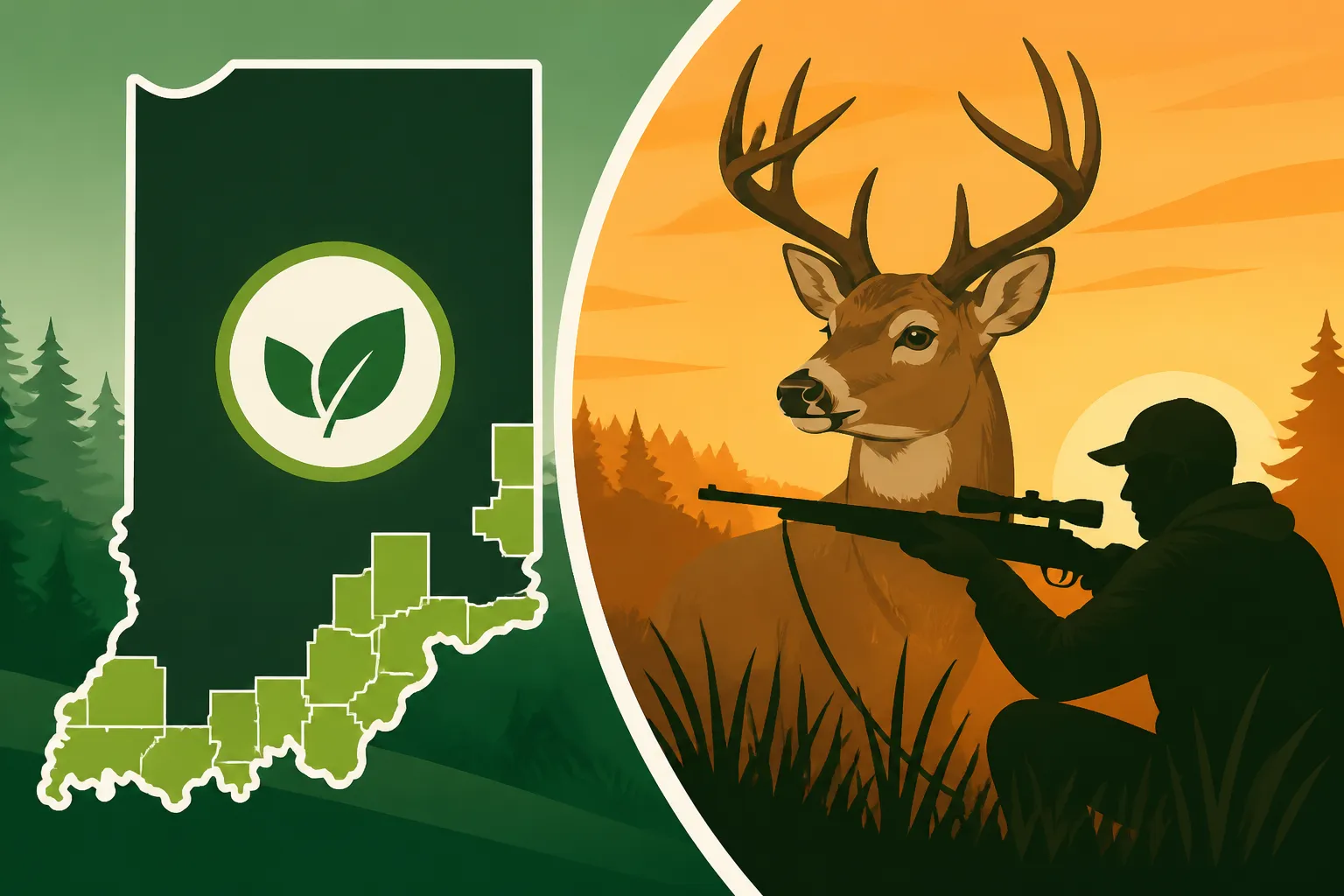
Where Nontoxic Shot Is Required in Indiana
There's nothing quite like the feeling of anticipation as hunting season approaches in Indiana. We spend hours scouting, patterning our guns, and tuning our bows, all in preparation for those precious days afield. But let's be honest, keeping up with all the regulations can sometimes feel like a hunt in itself, especially when it comes to specific gear requirements. One area that causes a lot of head-scratching is nontoxic shot: figuring out where it's actually required, and why those rules are in place, can be a real challenge for even seasoned Hoosier hunters. This guide is here to clear up that confusion, ensuring you're legal and ready for your next hunt.
Navigating Indiana's Nontoxic Shot Requirements
It’s easy to feel a bit overwhelmed when you’re trying to make sure you’re following every rule and regulation, especially when it comes to ammunition. You might be standing in the sporting goods aisle, looking at boxes of steel shot, bismuth, or tungsten, and wondering if you really need to shell out extra for it. It's a common dilemma, and one I've faced myself many times. The reality is, for some hunts and some locations in Indiana, nontoxic shot isn't just an option—it's an absolute requirement. Understanding these rules is crucial, not only to avoid a costly fine but also to contribute to the health of our natural environment and the game we pursue. It's all about responsible stewardship, which is something we all value as hunters.
What Exactly is Nontoxic Shot?
At its core, nontoxic shot refers to any shotgun pellet material that is considered environmentally safe, meaning it doesn't pose a significant health risk to wildlife if ingested. The traditional lead shot, while effective, has been identified as a source of lead poisoning in waterfowl and other birds, particularly scavengers that feed on carcasses or grit. When birds ingest spent lead pellets, the lead can leach into their systems, causing illness and even death. This is why the push for alternatives has become so strong in certain hunting scenarios.
Think about it: a duck might pick up spent shot from the bottom of a marsh, mistaking it for grit needed to aid digestion. Or an eagle might scavenge a deer gut pile left by a hunter using lead rifle bullets, ingesting fragments. While this article focuses on shotgun pellets, the underlying environmental concern is the same. Recognizing these risks, wildlife agencies, including the Indiana Department of Natural Resources (DNR), have implemented regulations to transition certain hunting practices away from lead.
The Evolution of Shot Regulations
The move to nontoxic shot didn't happen overnight; it was a gradual process driven by scientific research and a growing understanding of environmental impacts. Initially, the focus was almost exclusively on waterfowl hunting, as ducks, geese, and other marsh birds were directly consuming lead shot from wetlands. Over time, the scope of concern broadened, leading to discussions about lead use in other hunting applications and in specific sensitive habitats. For Hoosier hunters, this means staying informed isn't a one-time thing; it's an ongoing commitment to being responsible participants in wildlife management. It means checking the regulations every season, because things can and do change.
The Specifics: Where Lead Shot is Banned in Indiana
Alright, let's get down to brass tacks. You need to know exactly where you absolutely cannot use lead shot in Indiana. There are two primary categories where nontoxic shot is mandatory: for all waterfowl hunting, and on specific parcels of public land for all hunting. Missing these details can quickly turn a great day afield into a disappointing, and expensive, experience.
Waterfowl Hunting: A Statewide Rule
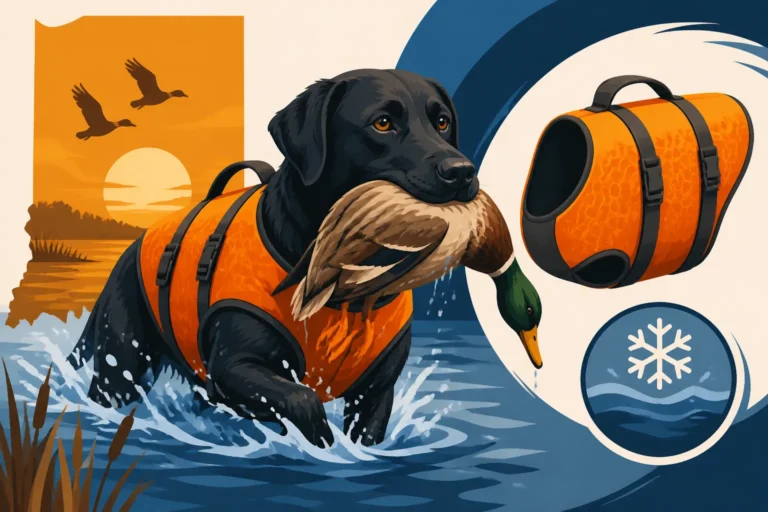
This is the big one, and it's straightforward: If you are hunting ducks, geese, coots, or any other migratory game birds in Indiana, you must use nontoxic shot. This regulation applies statewide, regardless of whether you are hunting on public or private land. This isn't unique to Indiana; it's a federal mandate across the entire United States, primarily enforced to protect waterfowl that are especially susceptible to lead poisoning from ingesting spent shot found in wetlands.
Imagine you're out in a layout blind in a cut cornfield near the Wabash River, calling in a flock of Canada geese. Or maybe you're nestled in a marsh blind on the Kankakee River Marshes, hoping for some mallards. In both scenarios, the federal law, enforced by Indiana, requires you to be shooting nontoxic shot. This includes steel, bismuth, tungsten alloy, or other approved materials. No lead allowed, plain and simple.
- Why it Matters: Waterfowl feed by dabbling and diving in shallow water and muddy bottoms, where lead shot often settles. They pick up grit from these areas to help grind food in their gizzards. If lead shot is present, they ingest it, leading to lead poisoning. This can weaken birds, make them more vulnerable to predators or disease, and ultimately cause death. It's a significant ecological concern, and as waterfowl hunters, we're on the front lines of protecting these resources.
- Checking Your Ammo: Before you even leave the house for a waterfowl hunt, double-check your shells. The box will explicitly state if it contains steel, bismuth, or other nontoxic materials. Never assume.
Specific Public Hunting Areas: Beyond Waterfowl
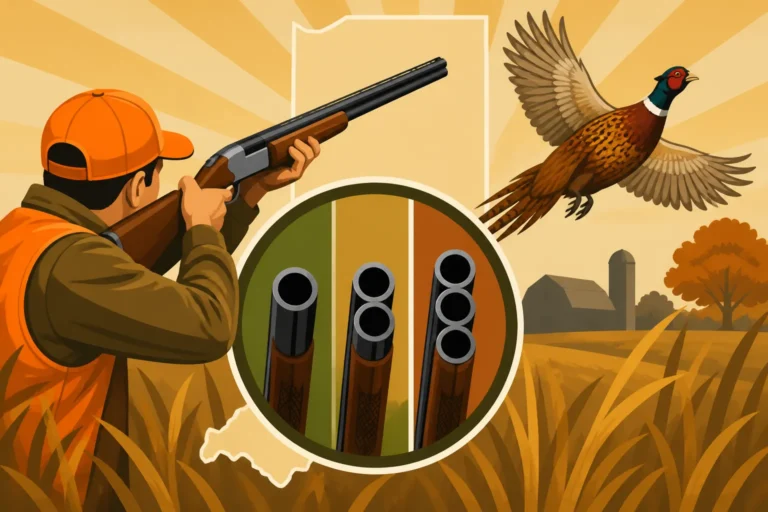
This is where things can get a little more nuanced and where hunters often get caught off guard. While the waterfowl rule is statewide, some specific public hunting areas in Indiana have stricter regulations, requiring nontoxic shot for all hunting, including upland game like pheasant or small game like rabbit and squirrel. These regulations are typically implemented to protect sensitive environments or to prevent the buildup of lead in areas with high hunting pressure.
It's absolutely critical to check the specific rules for any public property you plan to hunt. These regulations are usually posted at entry points, on the Indiana DNR's website, and often in their annual hunting and trapping guide. Ignorance of the law is not an excuse, and game wardens are well within their rights to check your ammunition.
Here's a general breakdown of where you're most likely to encounter these "nontoxic shot for all hunting" rules:
- State Fish and Wildlife Areas (FWAs): Many of Indiana's Fish and Wildlife Areas have specific regulations regarding shot type. While some might allow lead shot for upland game on certain portions, others may require nontoxic shot throughout. These areas are often intensively managed for various wildlife species and can experience substantial hunting pressure, leading to specific rules designed to minimize environmental impact.
- For example, you might be heading to a specific FWA for some Pheasant Hunting Indiana Grassland or Rabbit Hunting Indiana Fencerows. It's entirely possible that the FWA requires nontoxic shot even for these upland pursuits. Always confirm beforehand. If you're a regular user of a mapping app like GoHunt, you might even find specific unit regulations highlighted there, which can be a real time-saver.
- National Wildlife Refuges (NWRs): Areas managed by the U.S. Fish and Wildlife Service, like Big Oaks National Wildlife Refuge or Muscatatuck National Wildlife Refuge, often have stringent rules regarding lead shot. It's almost a given that you'll need nontoxic shot for all hunting activities on these federal lands, not just waterfowl. These refuges are established for wildlife conservation, and minimizing lead contamination is a key part of their management strategy.
- Other Federally Managed Lands: Less common for general hunting, but any other federally managed lands where hunting is permitted could also have similar restrictions. Always verify.
To help visualize this, here's a quick reference table:
| Hunting Scenario | Location | Lead Shot Allowed? | Required Shot Type |
|---|---|---|---|
| Waterfowl (Ducks, Geese, Coots) | Statewide (Public & Private Land) | No | Nontoxic |
| Upland Game (Pheasant, Quail, Grouse) | Most Private Land / Unrestricted Public | Yes | Lead (or Nontoxic) |
| Small Game (Rabbit, Squirrel) | Most Private Land / Unrestricted Public | Yes | Lead (or Nontoxic) |
| Deer Hunting (Shotgun Slugs) | Statewide (Public & Private Land) | Yes | Lead (or Nontoxic) |
| Furbearer Hunting (Shotgun) | Statewide (Public & Private Land) | Yes | Lead (or Nontoxic) |
| All Hunting (Shotgun) | Select State Fish & Wildlife Areas | No (Often) | Nontoxic (Often) |
| All Hunting (Shotgun) | National Wildlife Refuges | No | Nontoxic |
Note: Always check specific property regulations as these can vary and change. Before heading out to any public land, whether it’s a State FWA or Hoosier National Forest, I always cross-reference the area's specific rules, sometimes with resources like GoHunt, to ensure I'm using the right ammunition for that particular spot. The Indiana DNR website is your primary source for up-to-date regulations. Don't be shy about calling the property manager if you're truly unsure.
Why Nontoxic? The Environmental Imperative
When these rules first came out, I remember a lot of grumbling. "More expense, more hassle!" was the common refrain. And yes, it can be a little more expensive, and the ballistics can be different. But when you take a step back and understand the why behind these regulations, it truly makes sense. It's not about making hunting harder; it's about protecting the very resources that make our sport possible for generations to come.
The Problem with Lead Shot
Lead is a heavy metal, and it doesn't break down in the environment. When hunters fire lead shot, especially over wetlands or areas where birds feed, those pellets accumulate in the soil and water. As I mentioned earlier, migratory birds, particularly waterfowl, routinely ingest grit to help them digest food. If lead pellets are present in that grit, they ingest the lead.
- Impact on Waterfowl: Once ingested, lead can dissolve in the acidic environment of a bird's gizzard, entering its bloodstream. This leads to lead poisoning, which can cause lethargy, loss of appetite, muscle weakness, impaired organ function, and eventually death. It's a slow, agonizing process for the birds, and it can affect entire populations.
- Impact on Scavengers: It's not just the primary ingestors. Birds of prey, like bald eagles and hawks, and other scavengers, like coyotes or even some furbearers, can suffer from secondary lead poisoning. They might eat a lead-poisoned duck or goose, or they might consume gut piles or unrecovered game that contain lead fragments from shotgun slugs or rifle bullets. While the focus here is on shotgun pellets, it highlights the broader ecological web. Our collective actions have ripple effects. Why Indiana Has No Bear Season is an example of careful management around sensitive wildlife, and avoiding lead shot plays into that same conservation ethic.
Conservation Benefits of Nontoxic Alternatives
Switching to nontoxic shot is a direct action we can take as hunters to mitigate these environmental impacts. By using materials like steel, bismuth, or tungsten, we ensure that any spent shot that remains in the environment is inert and poses no threat to wildlife. This is particularly important in areas like Waterfowl Hunting the Kankakee Marshes or Hunting the Wabash River Bottoms, where concentrations of spent shot could quickly build up due to consistent hunting pressure.
Consider the longevity of these areas. Many of Indiana's Fish and Wildlife Areas are critical habitats for a huge variety of species, not just the ones we hunt. The decision to require nontoxic shot on certain public lands, even for upland game, is often a proactive measure to prevent lead accumulation in these vital ecosystems. It's a testament to the DNR's commitment to ensuring healthy wildlife populations and pristine hunting grounds for everyone. It's about preserving the natural heritage of Indiana, something every hunter should feel proud to contribute to.
Making the Switch: Practicalities of Nontoxic Ammunition
So, you've accepted the reality, and you know you need to buy some nontoxic shot. Great! But what does that really mean for your hunting experience? Let's talk about the practical side of making the switch, because it's not just about grabbing a different box of shells. There are considerations for your gear, your shooting, and your wallet.
Types of Nontoxic Shot and Their Characteristics
The world of nontoxic shot has come a long way since early steel loads. Today, hunters have several excellent options, each with its own advantages and disadvantages.
- Steel Shot: This is the most common and generally most affordable nontoxic option. Steel is lighter than lead, which means a steel pellet of the same size as a lead pellet will have less mass and thus less energy. To compensate, hunters often need to use larger steel shot sizes (e.g., #2 steel instead of #4 lead) to achieve comparable knockdown power. Steel is also harder than lead, which can be tough on older barrels not rated for steel shot, so always check your shotgun's manufacturer guidelines.
- Pros: Most affordable, widely available, good velocity.
- Cons: Lighter density means larger shot size needed, harder on barrels and chokes (can't use full choke in many shotguns), can produce tighter patterns.
- Bismuth Shot: Bismuth is a softer, denser alternative to steel, performing much closer to lead in terms of density and malleability. This means you can often use the same shot size as you would with lead, and it's safe for older shotguns and tighter chokes. It's a fantastic all-around option.
- Pros: Close to lead in density and performance, soft enough for older guns and all choke types, excellent energy transfer.
- Cons: More expensive than steel.
- Tungsten-Based Alloys (e.g., Tungsten Super Shot – TSS): These are the densest and most expensive options. Tungsten is significantly denser than lead, meaning very small tungsten pellets retain incredible energy and penetration. This allows hunters to use much smaller shot sizes (like #9 TSS for turkey) to achieve superior performance, especially at longer ranges.
- Pros: Extremely dense, superior knockdown power and range, allows for very small shot sizes, safe for all shotguns/chokes.
- Cons: Very expensive. Often used for specialized hunting like turkey due to cost. Tungsten Turkey Loads Worth the Price is a topic many turkey hunters debate for good reason.
When choosing your ammunition, consider the game you're after and the distances you expect to shoot. For general waterfowl and upland game where nontoxic is required, steel is usually the go-to, but bismuth offers a performance upgrade.
Ballistics and Shotgun Performance
Switching from lead to nontoxic, especially steel, requires some adjustments in how you think about your shotgun's performance.
- Choke Selection: Because steel shot is harder than lead, it doesn't deform as much when passing through the choke. This can result in tighter patterns. Many manufacturers recommend opening up your choke selection when shooting steel (e.g., using a Modified choke where you might have used a Full with lead). Avoid extremely tight chokes with steel unless your barrel is explicitly rated for it, as it can damage your barrel.
- Shot Size and Velocity: Since steel is lighter, you'll need to go up a size or two to get similar pellet energy. For example, if you shoot #4 lead for ducks, you might consider #2 or BB steel. Also, steel often starts with higher muzzle velocities, but its lighter weight means it loses energy and velocity faster than lead. This affects trajectory and knockdown power at longer ranges.
- Patterning Your Shotgun: This is probably the single most important step when switching to any new ammunition, especially nontoxic. Every shotgun is unique, and it will pattern differently with various loads and choke combinations. Get out to the range and Patterning a Turkey Gun at 40 Yards, or for waterfowl, at typical ranges you'd expect. Shoot several different brands, shot sizes, and chokes to see what performs best in your gun. You might be surprised by the results!
Cost and Availability
Let's address the elephant in the room: cost. Nontoxic shot, especially bismuth and tungsten, is almost universally more expensive than lead shot. This is simply due to the raw materials and manufacturing processes involved. Steel shot is the most economical nontoxic option, but it still typically costs more than comparable lead loads.
- Budgeting: Factor this into your hunting budget. If you're planning a waterfowl hunt or a hunt on a specific FWA where nontoxic is mandatory, allocate more for your ammunition. It's just part of the cost of admission to hunt those areas responsibly.
- Availability: Most major ammunition manufacturers offer a wide range of nontoxic options. During peak hunting seasons, certain popular loads might become scarce, so it's always a good idea to buy your ammunition well in advance. Check your local sporting goods store or order online to ensure you have what you need. For those using online tools like GoHunt for planning, sometimes they'll even have forums or communities where hunters discuss ammo availability.
Making the switch to nontoxic shot is a responsible and necessary part of modern hunting in many parts of Indiana. While it requires a bit of research and perhaps some adjustments to your gear and shooting habits, the long-term benefits to wildlife and our hunting heritage are immeasurable. Do your homework, check your regulations, and hit the field with confidence, knowing you're doing your part for conservation.
Disclaimer
This article is for general informational purposes only and does not constitute professional advice. Laws, prices and regulations vary by location and change over time. Consult a qualified professional for guidance on your specific situation.