Base Layers for an Indiana December
There’s nothing quite like the crisp air of a December morning in Indiana, but let's be honest, that crispness can turn into a bone-chilling freeze faster than a whitetail can disappear into the thicket. Many of us have endured countless hours shivering on a stand, or cutting a still-hunt short because the cold seeped into our very core. This guide is all about tackling that exact problem: choosing and using the right base layers to keep you warm, dry, and focused during Indiana's late-season hunts.
Why Base Layers are the Unsung Hero of December Hunting in Indiana
When you're out there in the woods, trying to outsmart a wary buck or locate a late-season turkey, the last thing you want to be thinking about is how cold or damp you feel. We've all been there – bundled up in a heavy coat, only to realize the clammy feeling underneath is actually making us colder, not warmer. That's where quality base layers come into play. They're not just another piece of clothing; they're the foundation of your entire warmth and comfort system.
The Battle Against Indiana's Late-Season Chill
December in Indiana can be a real mixed bag. One day you might have a relatively mild, rainy morning, and the next could be bright and sunny but with a bitter wind that cuts right through you. Then there are those days when the snow starts to fall, wet and heavy, or you find yourself slogging through slushy mud. These are precisely the conditions where traditional clothing fails spectacularly. Cotton, for instance, absorbs moisture and holds it against your skin, actively working to pull heat away from your body. You end up feeling clammy, then cold, then downright miserable.
The frustration is real. You've scouted, you've practiced, you've invested in good outer gear, but if the layer closest to your skin isn't doing its job, none of that matters. A bad layering decision can mean the difference between a productive, enjoyable day afield and one cut short by an uncontrollable shiver. It can even become a safety concern if you're deep in the Hoosier National Forest Hunting and far from warmth.
Understanding the "Base Layer" Concept
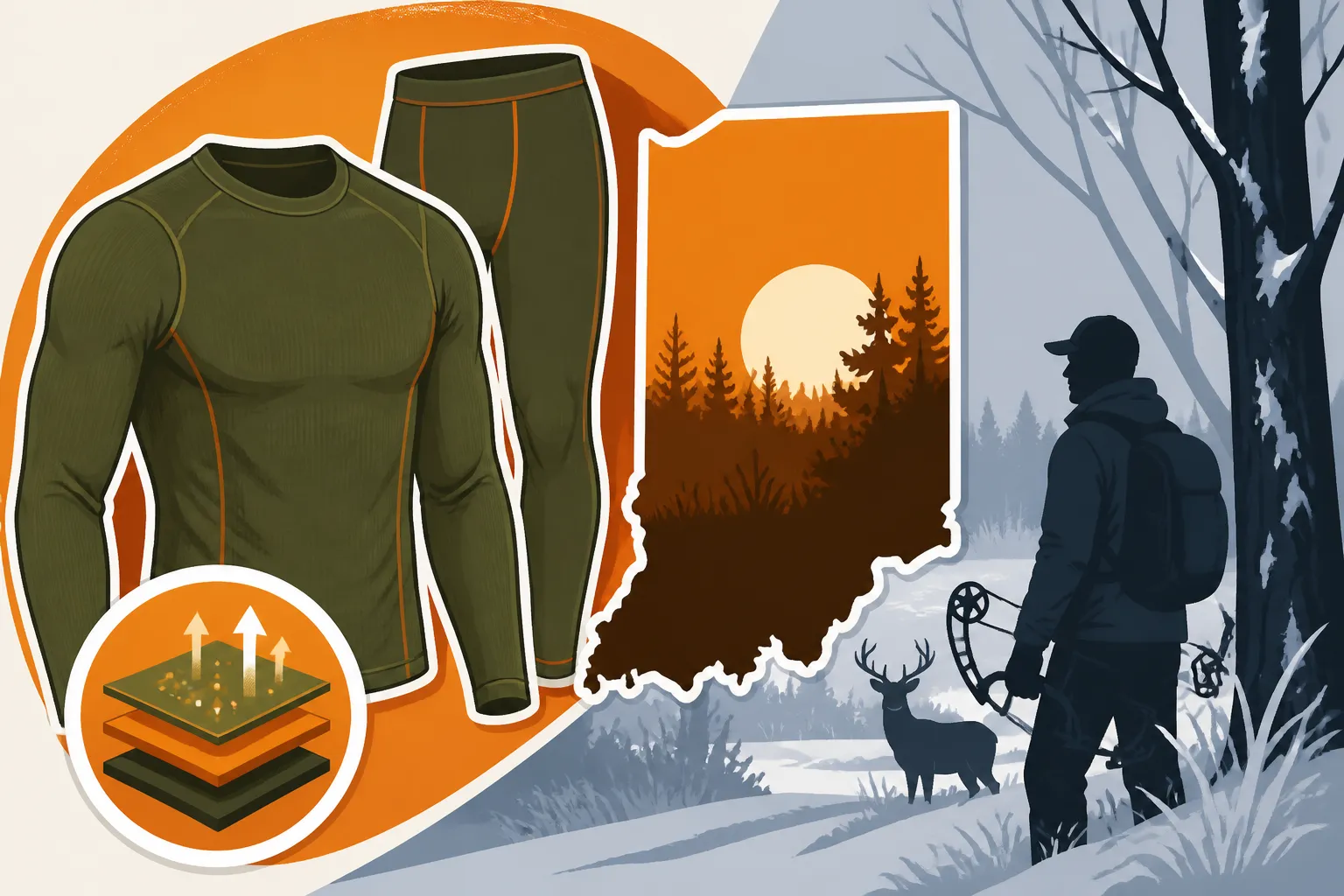
So, what exactly is a base layer? Simply put, it's the layer of clothing worn directly against your skin. Its primary job isn't to be bulky and warm like a heavy fleece, but to manage moisture and provide a foundational layer of insulation. When you sweat, whether from a strenuous hike to your stand or just from over-exertion, your base layer needs to pull that moisture away from your skin and transfer it to the outer layers where it can evaporate. This process, known as "wicking," is absolutely critical for staying warm in cold weather.
Think of it like this: your skin produces moisture. If that moisture stays on your skin, it cools rapidly when exposed to colder air or if your activity level drops. This evaporative cooling effect is what makes you feel cold even when you're wearing plenty of layers. A good base layer acts as a one-way street, pushing that moisture outwards. It also provides a thin, insulating barrier, trapping a layer of warm air next to your body. Without this crucial first step, every other layer you put on is fighting an uphill battle against dampness and cold.
Deciphering Base Layer Materials: What Works (and What Doesn't)
Choosing the right material for your base layer is arguably the most important decision you'll make for your cold-weather comfort. There are two main contenders that consistently perform well in Indiana's variable late-season conditions, and one absolute no-go.
Merino Wool: The Gold Standard for Indiana's Winters
If you ask seasoned hunters what they swear by for cold-weather base layers, merino wool will come up again and again. It's a natural fiber known for its incredible warmth-to-weight ratio, exceptional moisture-wicking properties, and perhaps most importantly for multi-day hunts or long sits, its natural odor resistance. Unlike traditional, scratchy wool, merino is superfine and feels soft against the skin, making it comfortable for all-day wear.
When you're Hunting the Late-Season January Lull or facing a brutal December cold front, merino wool excels because it retains much of its insulating properties even when wet. This is a huge advantage when you're exerting yourself hiking to a stand, breaking a sweat, and then settling in for hours in freezing temperatures. The wool fibers draw moisture away from your skin, and the natural crimp in the fibers creates tiny air pockets that trap heat. Plus, those long natural fibers resist the growth of odor-causing bacteria, meaning you can wear your base layers for multiple days without smelling like a wet dog, a significant benefit when you're trying to remain scent-free for deer.
Merino wool comes in different "weights," usually measured in grams per square meter (gsm). A 150-200 gsm layer is great for active hunts or milder cold, while a 250+ gsm layer is perfect for extreme cold or prolonged sitting. The main downsides? It can be more expensive than synthetics, and some hunters find that very fine merino can be less durable than synthetic options over many seasons, though quality brands have significantly improved this.
Synthetics: Performance on a Budget or for High Activity
Synthetic base layers, typically made from polyester or polypropylene blends, are another excellent choice, especially if you're on a budget or anticipate a high level of activity. These materials are engineered specifically for moisture-wicking and quick-drying capabilities. They pull sweat away from your skin efficiently and release it quickly into the air, helping to keep you dry.
Synthetics shine when you're on the move, like during a Still-Hunting Southern Indiana Ridges expedition or a pheasant hunt where you're covering a lot of ground. Their durability is often superior to merino, and they tend to be more abrasion-resistant, which is a plus if you're busting through brush. Many modern synthetics also incorporate antimicrobial treatments to help combat odor, though they generally don't match merino's natural odor resistance over extended wear.
The primary advantages of synthetics are their lower cost, greater durability, and superior quick-drying capabilities. However, if you're primarily sitting for long periods in extreme cold, especially after a period of high activity where you've built up a sweat, merino might offer a slight edge in retaining warmth when damp. The key with synthetics is ensuring they are specifically designed for moisture-wicking; a cheap athletic t-shirt won't cut it.
The Cotton Catastrophe: Why You Must Avoid It
Let's be unequivocally clear: never, ever wear cotton as a base layer for hunting in cold weather. This isn't just a suggestion; it's a critical safety warning. Cotton, while comfortable for everyday wear, is hydrophilic, meaning it loves to absorb and hold onto moisture. Once cotton gets wet – whether from sweat, rain, or snow – it loses all its insulating properties. Instead of keeping you warm, it acts like a cold, wet sponge directly against your skin, pulling heat away from your body at an alarming rate.
This phenomenon is often summed up with the phrase "cotton kills." While it might sound dramatic, it’s a stark reality for anyone caught in cold, wet conditions wearing cotton. Imagine hiking into your stand on a chilly December morning, working up a sweat, and then sitting motionless for hours. That sweat-soaked cotton shirt will rapidly cool, giving you chills that can progress to hypothermia in severe cases. This is especially dangerous when Cold-Weather Sitting Strategy in Indiana is key to success. Don't risk it. Save your cotton for campfire lounging after the hunt, not for the field.
Here's a quick comparison of base layer materials:
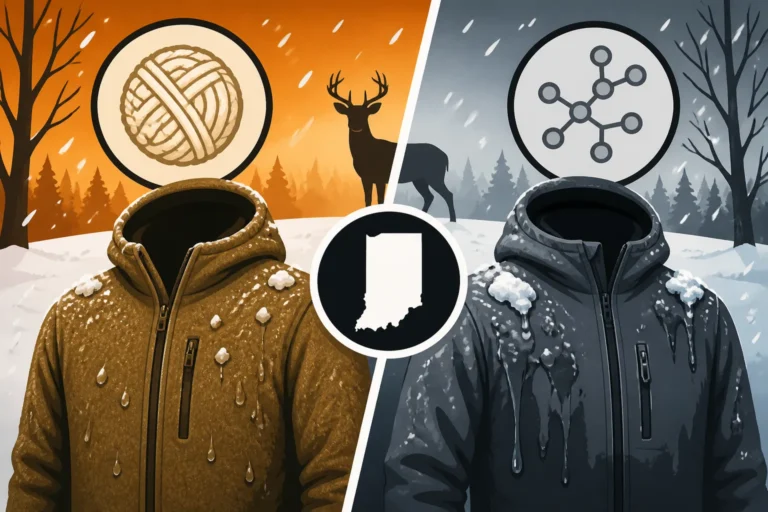
| Feature | Merino Wool | Synthetics (Polyester/Polypropylene) | Cotton |
|---|---|---|---|
| Warmth (Wet) | Excellent (retains insulation when damp) | Good (dries fast, less insulating when soaked) | Poor (loses all insulation when wet) |
| Moisture Wicking | Very Good (pulls moisture away effectively) | Excellent (engineered for rapid wicking) | Poor (absorbs and holds moisture) |
| Drying Time | Moderate (slower than synthetics, faster than cotton) | Fast (dries very quickly) | Very Slow (takes a long time to dry) |
| Odor Resistance | Excellent (natural antimicrobial properties) | Moderate (often treated, but can still accumulate odor) | Poor (quickly develops body odor) |
| Comfort | Excellent (soft, non-itchy against skin) | Good (smooth, can feel cool) | Excellent (soft when dry) |
| Durability | Good (can be prone to holes in finer weaves) | Excellent (very robust and abrasion-resistant) | Moderate (can stretch out, tears) |
| Cost | Higher | Moderate to Low | Low |
Layering Strategies for Variable Indiana December Weather
Selecting the right base layer material is a critical first step, but it’s only one part of the equation. To truly stay comfortable and adaptable in Indiana’s unpredictable December weather, you need to understand how your base layer fits into a complete layering system.
The Three-Layer System: Base, Mid, Outer
The classic "three-layer system" is a proven method for staying warm and dry in the outdoors, and it's particularly effective for hunting.
- Base Layer (Wicking): This is what we've been talking about. Its job is to manage moisture by moving sweat away from your skin. Without this, your other layers can become compromised.
- Mid-Layer (Insulation): This layer provides the bulk of your warmth. Materials like fleece, down, or synthetic insulation (e.g., PrimaLoft, Thinsulate) trap air to create a thermal barrier. You might have one heavy mid-layer or multiple lighter ones, depending on the temperature and your activity level.
- Outer Layer (Protection): This is your shell layer, designed to protect you from the elements – wind, rain, and snow. It should be waterproof or highly water-resistant and windproof, but crucially, it also needs to be breathable enough to allow moisture (wicked by your base layer and passed through your mid-layer) to escape.
The beauty of this system is its versatility. You can add or subtract mid-layers as conditions change, or as your activity level fluctuates. For instance, when hiking to your stand, you might shed your mid-layer to prevent sweating out your base layer. Once you reach your spot and cool down, you can quickly put it back on. This adaptability is key for a successful hunt, whether you're out in the Hunting the Indiana Rut in Early November or facing the deep cold of late season.
Adapting to Stand Hunting vs. Still-Hunting
Your chosen hunting method in December will heavily influence the thickness and type of base layer you need.
-
Stand Hunting: When you're sitting stationary for hours, especially for Hunting a Green Field Planted for Deer or waiting on a ridge, your body generates very little heat. In these scenarios, you'll want a warmer, heavier base layer – think 250 gsm merino wool or a heavy synthetic. The goal here is maximum insulation right against your skin to minimize heat loss. Even if you sweat a little on the walk in, a good base layer will manage it, and you'll want that extra warmth during the long sit. This is where a robust base layer makes a huge difference in your Cold-Weather Sitting Strategy in Indiana.
-
Still-Hunting/Active Hunting: If your plan involves a lot of movement, like Still-Hunting Southern Indiana Ridges or tracking deer after a fresh snow, you'll be generating a lot of body heat. For these activities, a lighter base layer (150-200 gsm merino or a lighter synthetic) is often more appropriate. The focus shifts slightly from pure insulation to efficient moisture management and breathability. You still need warmth, but you need to prevent overheating and excessive sweating, which can lead to a chill once you slow down or stop. You might even opt for a synthetic in this scenario due to its faster drying time.
Considering Activity Level and Personal Tolerance
No two hunters are exactly alike. Some people naturally run hotter, while others get cold easily. Your personal metabolism and how much you plan to move during the hunt should be major factors in your base layer choice.
-
High Activity: If you know you'll be doing a lot of walking, climbing, or dragging game, prioritize a base layer that excels at wicking and breathing, even if it's a bit lighter. You can always add more insulation with your mid-layers. The brand GoHunt, for example, often features articles and reviews on gear optimized for active hunting styles, highlighting how different base layers perform under exertion. Keeping your core temperature regulated is vital; getting overheated and sweaty early in the hunt can ruin the rest of your day once you stop moving.
-
Low Activity: For long, static sits, lean towards the warmer, more insulating base layers. You'll thank yourself when the wind picks up or the mercury drops. Remember, it's easier to shed a mid-layer than to add insulation directly to your skin if your base layer isn't warm enough.
It’s about finding that sweet spot. Too warm of a base layer for high activity, and you'll soak yourself. Too light for low activity, and you'll shiver uncontrollably. Experience and paying attention to how your body reacts to different conditions are your best teachers. When you're Hunting Deer After a January Cold Front, a static approach usually calls for the heaviest base layers you can comfortably wear.
Practical Tips for Choosing and Caring for Your Base Layers
Investing in good base layers is investing in your comfort and success as a hunter. Here are some practical considerations to help you make the best choices and ensure your gear lasts.
Fit, Weight, and Features to Look For
The fit of your base layer is crucial for its performance. It should be snug against your skin but not restrictive. If it's too loose, it won't wick moisture efficiently, and if it's too tight, it can hinder movement and circulation. You want full range of motion, especially for drawing a bow or shouldering a rifle.
Consider the weight (thickness) of the fabric based on your typical December hunting conditions and activity level, as discussed earlier. Many hunters find a mid-weight (around 200-250 gsm for merino, or equivalent for synthetics) to be a good all-around choice for Indiana's deer season, allowing for adaptability with other layers. For extreme cold, don't be afraid to go heavier. You might even consider different weights for your top and bottom – perhaps a heavier top for sitting and a slightly lighter bottom for easier movement.
Look for thoughtful features that enhance comfort and performance:
- Flat seams: These prevent chafing, which can become incredibly irritating over a long day.
- Zip necks: A quarter-zip or half-zip neck allows for quick ventilation when you start to warm up, and can be zipped up for extra warmth when needed. This small feature can make a big difference in regulating your temperature.
- Thumb loops: These keep sleeves from riding up, ensuring your wrists stay covered and preventing cold air from entering.
- Extended back hems: Keeps your lower back covered when bending, sitting, or moving.
Extending the Life of Your Investment
Quality base layers, especially merino wool, can be an investment. Proper care will ensure they last for many seasons.
- Washing: Always follow the manufacturer's instructions. Generally, both merino and synthetics benefit from washing in cold water on a gentle cycle. Using a mild detergent designed for technical fabrics or wool (for merino) can help preserve their properties. Avoid harsh detergents and bleach.
- Drying: Avoid high heat in a dryer. High heat can damage merino wool fibers, causing shrinking or weakening. For synthetics, it can degrade the fabric and its wicking properties. Air drying or tumble drying on low heat is usually best. Hanging them to dry is often the safest bet.
- Fabric Softeners: Steer clear of fabric softeners. They can clog the pores of both merino and synthetic fibers, impairing their ability to wick moisture effectively.
- Storage: Store your base layers cleanly and dry. For merino, consider using moth repellents if you store them for extended periods, as moths love wool.
By taking these simple steps, your base layers will continue to perform season after season, keeping you comfortable during those critical moments when you're Hunting a Funnel Between Two Woodlots or waiting for the perfect shot.
Where to Find Quality Base Layers
You don't have to break the bank to get good base layers, but it's worth investing in reputable brands known for their outdoor performance gear. Many hunting-specific brands offer excellent base layers tailored to the demands of the field. You can find these at dedicated outdoor retailers, larger sporting goods stores, and of course, online. Resources like GoHunt are great for checking out user reviews and detailed specifications before you buy, helping you compare different options and understand what real hunters are saying about their performance in the field. They often have comprehensive guides that review various brands and materials, which can be invaluable when making your selection.
Before opening day of Indiana's Firearms Deer Season or even getting into the late archery season, make sure your base layers are ready. A little planning now will pay dividends in warmth and comfort when it truly matters.
Disclaimer
This article is for general informational purposes only and does not constitute professional advice. Laws, prices and regulations vary by location and change over time. Consult a qualified professional for guidance on your specific situation.