Game Bags for Warm September Days
There's nothing quite like that crisp Indiana autumn air, even when it's still clinging to the tail end of summer in September. For many of us, that means the start of archery season, a time filled with anticipation, the rustle of leaves underfoot, and the hope of bringing home some delicious venison. But let's be honest, those early season days often feel more like summer than fall, and the heat and humidity can turn your triumphant harvest into a race against the clock. When you’ve finally got that beautiful deer on the ground, the very next challenge isn't the drag out, it's preserving that hard-earned meat from spoiling. This guide is all about tackling that exact problem: how to use game bags effectively to protect your venison during those surprisingly warm September days here in Indiana.
The Real Challenge of Warm September Deer
You’ve put in the work, honed your skills, and made a clean shot. The animal is down, and you feel that rush of accomplishment. But then the sun beats down, or the air feels heavy with humidity, and a new kind of stress sets in. Early archery season in Indiana is beautiful, but it comes with a significant challenge: keeping your meat fresh.
Why Indiana's Early Season is a Race Against Time
September in Indiana can be a real mixed bag. One day it's cool and breezy, the next it's pushing 80 degrees with high humidity. This warm, moist environment is the perfect breeding ground for bacteria. When an animal is alive, its immune system and circulatory system work to keep bacteria in check. Once it's down, that system stops, and bacteria begin to multiply rapidly on and within the meat. Heat accelerates this process exponentially. If you don't get that internal body temperature down quickly, and protect the meat from external contamination, you risk spoilage. This is particularly true for that first day of Bowhunting Indiana's Long Archery Season, when temperatures can still be quite summer-like.
Think about it: you might be an hour's walk into the Hoosier National Forest, a triumphant buck on the ground. You field dress it, but now what? Just laying it on the ground or dragging it uncovered can lead to quick degradation. The meat's internal temperature, which started around 100 degrees Fahrenheit, needs to drop to below 40 degrees as quickly as possible. Without proper protection and cooling, that September warmth will make your venison tough, gamey, and potentially unsafe to eat before you even get it home.
The Bug Battle: Protecting Your Harvest from Pests
Beyond bacterial growth, there's another insidious enemy during warm weather: insects. Flies, especially blowflies, are incredibly attracted to fresh meat and can lay eggs almost instantly. These eggs hatch into maggots with astonishing speed, particularly in warm conditions. It's a truly disheartening experience to discover your hard-earned venison crawling with maggots after a successful hunt. Wasps and other stinging insects can also be a nuisance, making the field dressing and quartering process even more challenging.
Even if you’re quartering your deer and packing it out in pieces, those exposed meat surfaces are like an open invitation to every fly in the woods. This isn't just about aesthetics; flies can carry bacteria and other contaminants, further increasing the risk of spoilage. A good game bag acts as a critical barrier, keeping those pesky insects away from your meat while still allowing it to breathe and cool. You've spent so much time preparing for Scouting Indiana Public Land Before Season and honing your shot, don't let a few flies ruin the reward.
What Makes a Great Game Bag for Warm Weather?
Choosing the right game bag isn't just grabbing the cheapest option off the shelf. For warm September days, specific features become incredibly important. You need a bag that works with you, not against you, in the battle to preserve your meat.
Breathability is Key: Airflow and Cooling
When you put your meat into a bag, the first instinct might be to seal it up tight. However, that's precisely what you don't want for warm weather preservation. Trapping heat and moisture inside a non-breathable bag creates a miniature oven, accelerating bacterial growth. The best game bags for warm conditions are made from breathable, synthetic fabrics. These materials allow air to circulate around the meat, helping to dissipate heat and moisture.
Imagine a quarter of venison, still warm from the animal, wrapped in plastic. The moisture can't escape, the heat is trapped, and you've essentially created a perfect environment for bacteria. Now, picture that same quarter in a fine-mesh, breathable game bag. Air flows over the surface, helping to form a dry "pellicle" or crust on the meat, which further protects it and slows bacterial action. This is crucial for cooling down those large muscle groups, especially if you're a long hike from your vehicle or camp.
Insect Protection Without Compromise: Fine Mesh and Repellency
The second critical feature, intertwined with breathability, is insect protection. This means a tight weave or very fine mesh that physically prevents flies, wasps, and other bugs from reaching the meat. You want a material that's fine enough to stop even the smallest gnat from landing and laying eggs, but still open enough to allow maximum airflow. There's a delicate balance here. Some premium bags might even feature treatments to deter insects, though the physical barrier is always the primary defense.
Think of it as a mosquito net for your meat. It needs to be impenetrable to pests but permeable to air. I've seen too many hunters try to use pillowcases or cheesecloth, only to find flies have laid eggs right through the weave. Dedicated game bags are designed with this specific challenge in mind, offering a much more reliable barrier. Brands like GoHunt often emphasize these features in their game bag offerings, understanding the need for dual protection.
Durability for the Backcountry Haul: Material Strength and Reusability
You're going to be stuffing these bags with heavy, potentially bone-in quarters of meat, throwing them over your shoulder, or packing them into a frame pack. They'll rub against bark, get dragged through brush, and likely endure a bit of rough handling. So, durability is paramount. You need a material that won't rip or tear under the strain of a heavy load or a snag on a branch. Rip-stop nylon or similar heavy-duty synthetic blends are excellent choices, offering strength without excessive weight.
Beyond just surviving the initial pack-out, many hunters prefer reusable game bags. This means they need to withstand washing and still maintain their integrity for seasons to come. Investing in a good set of durable, reusable bags is often more cost-effective in the long run than repeatedly buying flimsy, single-use options. You want bags that you can trust season after season, whether you're hunting in Southern Indiana Hill Country or the flatter Northern Indiana Farmland.
Types of Game Bags and When to Use Them
Not all game bags are created equal, and understanding the different types can help you make the best choice for your hunting style and the specific conditions you face. What works for a boned-out deer might not be ideal for a bone-in quarter, and vice-versa.
Light Duty Bags for Quick Trips: Boned-Out Meat and Small Game
For hunters who practice the "gutless method" or plan to bone out their deer in the field, lighter-duty game bags are often sufficient. These are typically smaller, sometimes made of a finer, lighter mesh, and are designed to hold boned-out muscle groups. They're excellent for packing out prime cuts like backstraps, tenderloins, and deboned quarters when weight and space are at a premium. They still offer great breathability and insect protection but aren't built to handle the sharp edges of bone or the sheer bulk of a full quarter.
These bags are also fantastic for smaller game like wild turkeys in the fall, or even squirrels and rabbits if you’re processing them whole in the field. They keep the meat clean and bug-free until you can get back to camp or home. If you're planning a quick hunt on a small woodlot and know you'll be deboning, these lighter options from brands like GoHunt can be a great choice for efficiency and minimal bulk in your pack.
Heavy Duty Bags for Bone-In Quarters: The Workhorses of Warm Weather Hunting
When you're packing out bone-in quarters, especially from a larger deer, you need serious durability. Heavy-duty game bags are constructed from tougher, often thicker, synthetic materials that can withstand the sharp points of bone without tearing. They are typically larger, designed to accommodate a full hindquarter or front shoulder, and feature robust drawstrings or closures to keep the meat secure. These are the bags you rely on when you're deep in the Hoosier National Forest Hunting and facing a long, arduous pack-out.
Even with heavy-duty bags, it's wise to wrap particularly sharp bone ends in a piece of plastic or cloth before bagging to prevent punctures. These bags are the true workhorses for early season deer, providing that critical barrier and breathability for larger cuts that will take longer to cool down. They're an investment, but one that pays dividends by safeguarding your meat.
Specialty Bags and Systems: Integrated Solutions
Beyond individual bags, some manufacturers offer integrated game bag systems. These often include multiple bags of varying sizes (for quarters, backstraps, tenderloins, and trim), sometimes with dedicated stuff sacks or even scent-eliminating properties for transport. Some systems might come with meat handling gloves, zip ties, or other accessories to aid in field processing. These complete kits can be incredibly convenient, ensuring you have the right size bag for every piece of meat, streamlining your field care process.
Another specialty option includes bags with reflective properties designed to deflect sunlight and help keep meat cooler. While these can certainly aid, remember that direct contact with ice and airflow are still your best friends for temperature reduction. Regardless of the system, the core principles of breathability, insect protection, and durability remain paramount for those warm Indiana September days.
Here’s a quick comparison of general game bag types:
| Feature | Light Duty Game Bags | Heavy Duty Game Bags | Specialty Systems |
|---|---|---|---|
| Intended Use | Boned-out meat, small game | Bone-in quarters, large game | Complete field processing |
| Material | Lighter mesh/fabric, synthetic | Thicker rip-stop synthetic | Varied, sometimes reflective |
| Durability | Good for deboned meat | Excellent, resists punctures | Varies, designed for specific uses |
| Insect Protection | High | High | High |
| Breathability | Excellent | Excellent | Excellent |
| Weight/Bulk | Low | Moderate | Can be higher due to accessories |
| Cost | Lower | Moderate to Higher | Higher |
Beyond the Bag: Essential Warm Weather Meat Care Strategies
Game bags are a crucial tool, but they're part of a larger strategy. In warm weather, every minute counts, and a holistic approach to meat care is essential from the moment your animal hits the ground.
Rapid Field Dressing and Quartering: Time is Your Enemy
This cannot be stressed enough: speed and efficiency are your absolute best friends in warm weather. As soon as that deer is down, you need to be thinking about field dressing. Removing the entrails immediately helps to dissipate internal heat and eliminate a major source of bacteria. Don't linger for hero shots while the sun bakes your trophy. Get to work. If you're proficient, consider quartering the animal in the field. This breaks the large carcass into smaller, more manageable pieces that cool down much faster. The gutless method is particularly effective for this, allowing you to remove all the meat without even rolling the animal.
Even if you're not quartering, getting the hide off can help cool the carcass more quickly, though this also exposes more meat to potential contamination if not immediately protected by a bag. The faster you can get that core temperature down, the better your venison will taste and the safer it will be. Every second matters when you’re dealing with Indiana Archery Season Dates where temperatures can soar.
Cooling Down Your Meat Immediately: Airflow and Shade
Once field dressed or quartered, the goal is rapid cooling. Find a shady spot immediately. Hang the carcass or quarters if possible, allowing air to circulate on all sides. Propping the chest cavity open with a stick also helps immensely. If you've quartered the meat, place the game-bagged pieces on a log or rock, anything to get them off the warm ground. The air circulation allowed by your breathable game bags is doing its job here, but you need to maximize that airflow.
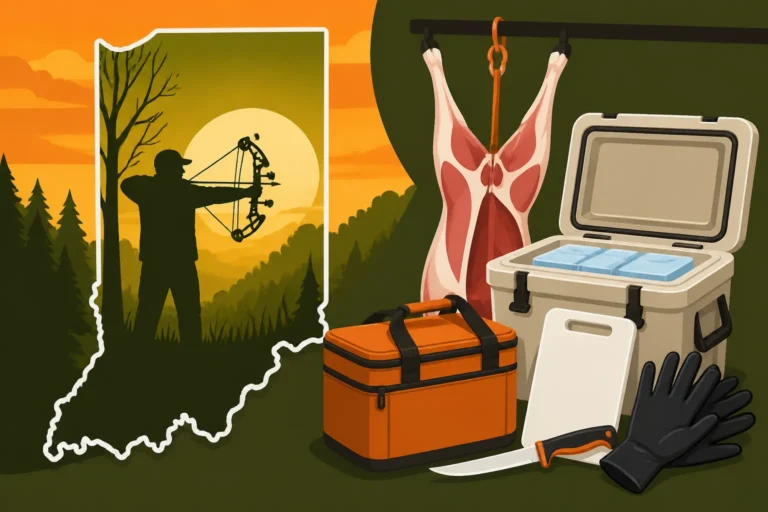
Some hunters even pack a few frozen water bottles or gel packs into their hunting packs during early season. These can be placed inside the body cavity of a field-dressed deer or laid between bagged quarters to provide an immediate localized cooling effect. While not always feasible for a deep backcountry hunt, it's a fantastic option for a quick jaunt to a Hunting a Funnel Between Two Woodlots or a stand closer to the truck. This initial rapid cooling is critical before transport.
Transporting Your Harvest Safely: Getting it to the Cooler or Processor
The journey from the field to your cooler or processor is the final critical leg of warm weather meat care. Once the meat is bagged and has had a chance to air-cool, it needs to be protected from heat during transport. If you're driving home, do not just throw bagged meat in the bed of your truck exposed to the sun or hot air. Place it in large coolers packed with ice. Ensure there's plenty of ice, not just a few cubes. Drain melted water periodically, but keep the meat on top of or surrounded by ice.
If you’re packing quarters out on foot, especially on a warm day, you need a good frame pack that allows some airflow or has space for extra cooling elements. Some hunters even use specialized insulated game bags for this final haul. Remember, your destination is either a walk-in cooler, a freezer, or a reputable processor. The quicker you can get the meat to its final cool destination, the higher the quality of your venison will be. This careful attention to detail will ensure that the venison from your Deer Meat Yield From an Indiana Buck is top-notch.
Conclusion
Those warm September days in Indiana can be a bit of a curveball for early season hunters. The excitement of a successful harvest can quickly turn to anxiety when you realize how fast meat can spoil in the heat. But with the right strategy, starting with high-quality, breathable game bags and paired with meticulous field care, you can ensure that your venison makes it from the field to your freezer in pristine condition. Don't underestimate the power of rapid field dressing, quick cooling, and proper transport. Investing in good game bags and understanding how to use them is an investment in your harvest, guaranteeing that delicious, hard-earned meat for your family and friends. So, get out there, enjoy Indiana's Archery Season Dates, and happy hunting!
Disclaimer
This article is for general informational purposes only and does not constitute professional advice. Laws, prices and regulations vary by location and change over time. Consult a qualified professional for guidance on your specific situation.