Running Pointing Dogs on Indiana Pheasants
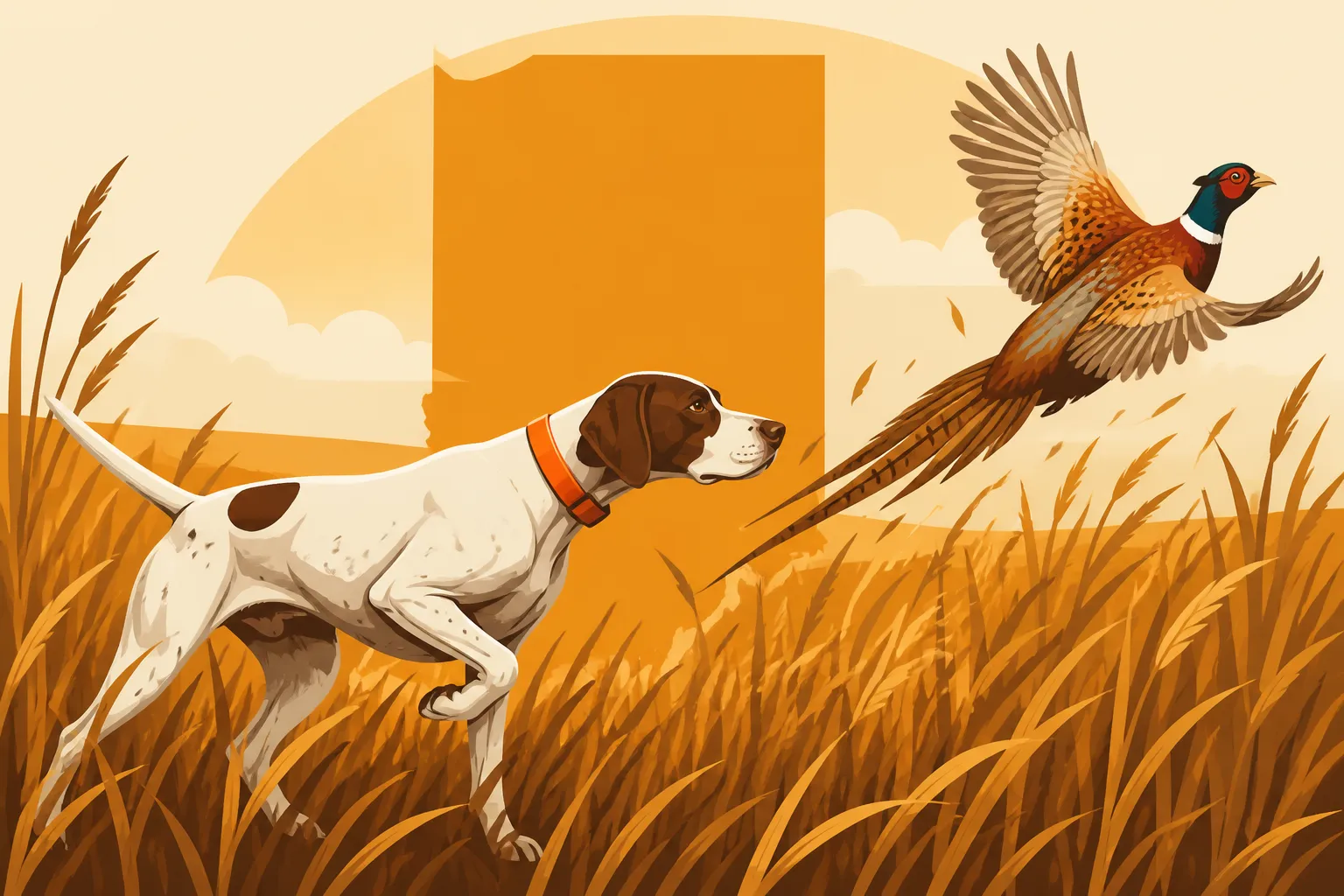
If you've ever spent a crisp fall morning walking miles of prime-looking pheasant cover in Indiana, only to jump a single bird or none at all, you know the frustration. Unlike some of the western states with vast, unbroken prairies, Indiana's pheasant hunting often requires more finesse, more persistence, and crucially, the right partner. This guide is all about unleashing the power of a well-trained pointing dog to transform your Indiana pheasant hunts from hopeful walks into successful and incredibly rewarding experiences.
Understanding Indiana's Pheasant Landscape
Hunting pheasants in Indiana can be a unique challenge, primarily because our state doesn't boast the sprawling wild pheasant populations found in the Dakotas or Nebraska. Here, you're often dealing with a mix of elusive wild birds and state-stocked releases, each requiring a slightly different approach. Understanding where these birds are likely to be, and what kind of cover they prefer, is your first step toward success with a pointing dog.
Where Wild Pheasants Persist and Stocked Birds Roam
Let's be real: genuine wild pheasants in Indiana are like gold — incredibly precious and often hard to find. They tend to cling to the last vestiges of quality habitat, often in the northern half of the state where some agricultural practices still favor their survival, or in meticulously managed private lands. These wild birds are typically tougher, smarter, and run like the wind, testing even the most seasoned pointing dogs. When your dog locks up on a wild bird, you know you've found something special. The pursuit becomes a chess match of scent, wind, and strategy, demanding unwavering focus from both you and your canine partner.
On the other hand, a significant portion of Indiana's pheasant hunting opportunities come from the birds released by the Indiana Department of Natural Resources (DNR) on various Fish & Wildlife Areas (FWAs). These stocked pheasants provide accessible hunting for many, but they come with their own quirks. They might not hold as tightly as wild birds, or they might run more often initially, having less ingrained fear of predators. Knowing the typical release schedules and focusing your efforts on these areas can significantly increase your chances. It’s a different kind of hunt, but still incredibly fun, especially for working your dog and getting them on birds. Familiarizing yourself with these key locations is crucial. For more details on where these opportunities exist, check out Indiana's Stocked Versus Wild Pheasants.
Navigating Indiana's Typical Pheasant Cover
Indiana’s pheasant habitat is a patchwork, demanding versatility from your pointing dog. You're not just walking endless cornfields here. Expect to encounter everything from dense, shoulder-high switchgrass and established CRP (Conservation Reserve Program) fields to thick multiflora rose patches, tangled fencerows, and brushy ditch banks. Each cover type presents its own set of challenges for your dog.
In dense grass or standing switchgrass, your dog needs to be methodical, working through the cover without getting bogged down, diligently sniffing out every potential pocket a bird might be hiding in. Fencerows, often choked with briars and saplings, act as natural travel corridors and escape routes for pheasants. Your dog must be brave enough to penetrate this thick stuff, yet careful enough to avoid injury. These areas are excellent for a dog that truly understands how to pinpoint scent in challenging conditions. Sometimes, you’ll even find birds tucked into the edges of standing corn or soybean fields, especially later in the season after harvest. A successful hunt often depends on how well your dog can adjust its range and intensity to suit the specific cover it's working. For an in-depth look at hunting these specific areas, consider reading Pheasant Hunting a Fencerow Edge.
Training Your Pointing Dog for Indiana Cover
Having a pointing dog is one thing; having one that performs consistently and effectively in Indiana's varied pheasant cover is another entirely. Proper training isn't just about teaching basic commands; it's about conditioning your dog to handle pressure, work scent intelligently, and stay safe in challenging environments.
Fundamental Commands and Steadiness
The bedrock of any successful pointing dog operation lies in a few fundamental commands: "whoa," "heel," and "come." "Whoa" is arguably the most critical for a pointing dog. It means stopping dead in their tracks, no matter what, and holding that position until released. This command allows you, the hunter, to get into position for the flush, ensuring a safe and ethical shot. Training steadiness to wing and shot is paramount. You want a dog that will remain locked on point, even when the pheasant flushes explosively from the cover, and will stay put when the shot breaks. A dog that busts birds or chases after the shot creates chaos, makes for unsafe shooting conditions, and significantly reduces your chances of a clean retrieve.
Bird exposure is also vital. Your dog needs to encounter live pheasants in controlled settings early on to understand their scent, how they run, and how to effectively pinpoint and hold them. Many hunters use pigeons or pen-raised quail initially before graduating to pheasants. Gradually introduce them to heavier cover, simulating the conditions they'll face in a real Indiana field. This builds their confidence and teaches them to work through resistance. Remember, consistency in training is key. A few short, focused sessions each week are far more effective than sporadic, long ones.
Handling Pressure and Working Tough Birds
Indiana pheasants, whether wild or stocked, can be notoriously tough. Wild birds are survivors, often running long distances before flushing, if they flush at all. Stocked birds, especially those recently released, might be prone to running or simply holding tight in unpredictable ways due to their lack of experience. Your pointing dog needs to be trained to handle this pressure. This means teaching them to "creep" on a running bird, to follow the scent trail deliberately, or to "re-point" if a bird moves after the initial lock-up. A dog that gives up too easily on a runner will cost you birds.
Developing a "soft mouth" is another non-negotiable trait. When a bird is shot, your dog needs to retrieve it gently, bringing it back undamaged. This requires specific training with dummies and gradually introducing real birds. For dealing with heavy cover, your dog needs to be physically conditioned and mentally tough. Regular exercise and exposure to various terrain will build their stamina. They must also learn to maintain contact with you, whether through audible commands, hand signals, or the sound of a bell. Relying on good Bird Dog Gear for Indiana Cover like a quality e-collar for communication can be a game-changer, especially in thick stuff where verbal commands are muffled or your dog is out of sight.
Tactics for Hunting Pheasants with a Pointing Dog
The true artistry of pheasant hunting with a pointing dog lies in the seamless coordination between hunter and dog. It’s a dance where each partner anticipates the other’s moves, maximizing the chances of success. It's not just about letting the dog run; it's about intelligently working the cover, reading your dog's signals, and positioning yourself for the shot.
Reading the Dog and the Cover
Your dog is your best pheasant locator, but you have to learn to speak their language. Pay close attention to their body language. A tail that starts to wag faster, a nose that suddenly elevates and twitches, or a change in their pace from a casual trot to a deliberate, high-headed walk all signal that they're getting "birdy." When they lock on point, observe the direction of their nose and the intensity of their stance. This tells you where the bird is likely located and how tightly it's holding.
Once your dog is on point, your role is critical. Assess the wind direction – pheasants typically flush into the wind. Walk in slowly, approaching from a direction that allows you the best shot angle, usually from the side or slightly behind the dog, so you're not shooting over their head. Be ready for the explosive flush. In dense cover, the bird might pop up quickly, giving you only a split second. In lighter cover, it might run a bit before taking flight. Learning to read both your dog and the cover simultaneously is a skill that comes with experience, but it’s what turns a good dog into a great hunting partner. When it comes to shotguns, having the right choke for quick shots is important; read up on Choke Choice for Fast Flushes to ensure you're ready.
Working Public Land and Stocked Areas
Hunting public land in Indiana, especially Fish and Wildlife Areas (FWAs) where pheasants are stocked, requires strategic planning. These areas can see significant hunting pressure, particularly on opening weekends and after fresh stockings. Before you head out, utilizing mapping tools is invaluable. Applications like GoHunt provide detailed satellite imagery, property boundaries, and often highlight habitat features that might attract pheasants. I always use GoHunt to scout areas virtually, looking for less obvious cover or pockets that might be overlooked by other hunters. This can help you find those quieter spots, even on pressured public ground.
When hunting stocked areas, try to be there early on release days, or conversely, hit less popular areas later in the week after the initial rush has died down. Focus on edges, corners, and thicker patches of cover that other hunters might avoid. Pheasants, even stocked ones, quickly learn to use the densest cover for security. Don't be afraid to work those briar patches or the middle of that thick switchgrass field. Coordinate with your dog, having them systematically grid the cover to ensure no birds are missed. For example, Winamac Fish and Wildlife Area is a well-known spot, and understanding specific tactics for it can pay off, as explored in Willow Slough FWA Pheasant Hunting.
Solo Hunter vs. Team Hunting with Dogs
Pheasant hunting with a pointing dog can be a fantastic solo pursuit. It allows for a deep connection with your dog, and you can move at your own pace, focusing entirely on their work. As a solo hunter, you'll need to be extra vigilant, ready to move quickly to the flush and be prepared for shots in any direction. This also means you'll do all the walking and dog handling.
However, hunting with a team of hunters and dogs can be incredibly effective, particularly for running pheasants. With multiple hunters, you can set up blockers at the end of a long strip of cover, preventing birds from simply running out of the field. A hunter can walk on each side of the dog, ensuring all angles are covered when a bird flushes. The key to team hunting is communication and safety. Everyone needs to know where others are at all times, and shot zones must be clearly established. Ensure all hunters are wearing sufficient blaze orange or pink for visibility. This teamwork can significantly increase your bird count and provide a memorable social hunting experience.
Essential Gear for You and Your Dog
Successful pheasant hunting with a pointing dog isn't just about training and tactics; it's also about having the right gear. This means equipping both yourself and your canine companion for comfort, safety, and effectiveness in the diverse and often challenging Indiana environment.
Shotgun and Ammunition Considerations
When it comes to shotguns for pheasants, many hunters opt for a 12 or 20 gauge. A 20 gauge, being lighter, is often preferred for long walks through heavy cover, while still delivering plenty of punch for pheasants. Whatever gauge you choose, ensure it fits you well and you can mount it quickly and smoothly. For more on this, check out Best Shotgun Gauge for Indiana Pheasant. As for chokes, an improved cylinder or modified choke is generally a good choice, offering a decent spread for flushing birds at typical pheasant ranges (20-40 yards).
Ammunition choice is also critical. For pheasants, 4, 5, or 6 shot is common, with 5 being a good all-around choice. It provides a good balance of pellet count and energy. However, it's crucial to remember that some public lands, particularly specific waterfowl production areas or certain sections of FWAs, may require the use of non-toxic shot. Always check the specific regulations for the area you plan to hunt to ensure compliance. You certainly don't want to show up on opening day only to find your lead shot isn't legal. For details on these regulations, refer to Where Nontoxic Shot Is Required in Indiana.
Dog Vests, Bells, and E-Collars
Your dog is working hard, and they need protection and communication tools. A good dog vest is invaluable, especially in Indiana's thick, thorny cover. Vests made from durable cordura or similar materials protect your dog's chest and belly from briars, sticks, and sharp stubble. Brightly colored vests also increase visibility, making it easier to keep track of your dog, especially in dense vegetation or when other hunters are nearby.
Bells are a simple, yet effective tool. Attached to your dog's collar, the constant jingle lets you know where they are, even when out of sight. The silence of the bell is the universal signal that your dog has gone on point, sending a jolt of anticipation through every pheasant hunter. E-collars, as mentioned earlier, are fantastic for long-range communication and reinforcing commands. Modern e-collars offer various settings, from tone and vibration to adjustable stimulation levels, allowing you to tailor the feedback to your dog's temperament and the situation. However, proper training with an e-collar is paramount; it's a communication tool, not a punishment device. Make sure you understand E-Collar Use on Public Ground before using one in the field.
Hunter Apparel for Indiana Pheasant Fields
Your comfort and safety are just as important as your dog's. Indiana fall weather can be unpredictable, swinging from mild and sunny to cold, wet, and windy in a single day. Layering is key. Start with a moisture-wicking base layer, add an insulating mid-layer, and top it with a durable, briar-resistant outer shell.
Briar pants or chaps are an absolute must. Walking through multiflora rose, hawthorns, and thick switchgrass will shred regular pants in no time and leave your legs scratched and uncomfortable. Look for pants with reinforced fronts or full chap coverage. Check out options like Brush Pants for Indiana Fencerows for effective protection. Good waterproof, comfortable boots are another essential, providing support for miles of walking and keeping your feet dry in dew-soaked grass or marshy areas. For more details on this, look up Boots for Walking Indiana Farm Country. And of course, blaze orange is legally required for small game hunting in Indiana, ensuring you're highly visible to other hunters. Don't forget water for both yourself and your dog; they'll be working much harder than you are. GoHunt can even help you plan by providing detailed weather forecasts, ensuring you're dressed appropriately for whatever Indiana throws at you.
Summary Table: Popular Indiana FWAs for Pheasant Hunting
To help you get started, here's a quick overview of some Indiana Fish and Wildlife Areas known for pheasant hunting. Always check the current Indiana DNR website for the most up-to-date regulations, stocking schedules, and any specific FWA rules before heading out.
| FWA Name | Region of Indiana | Primary Cover Types | Stocking Program | Typical Hunting Pressure | Notes |
|---|---|---|---|---|---|
| Atterbury FWA | Central/Southern | Grassland, Food Plots, Woodlots | Yes (Managed Hunts) | Moderate to High | Known for diverse habitat; requires sign-in. |
| Glendale FWA | Southern | Grassland, CRP, Woodlots, Wetlands | Yes (Season Long) | Moderate to High | Excellent bird habitat; good for dog work. |
| Willow Slough FWA | Northwest | Grassland, Cattails, Wetlands, Cropland Edges | Yes (Season Long) | High | Popular for pheasants; often busy on release days. |
| Winamac FWA | North Central | Extensive Grassland, Cropland, Shrubby Areas | Yes (Season Long) | High | Very popular, especially early season; great dog ground. |
| Tri-County FWA | Northeast | Grassland, Crop Fields, Woodlots | Yes (Season Long) | Moderate to High | Diverse habitat; good for working varied cover. |
| J.E. Roush FWA | Northeast | Grassland, Riparian Areas, Woodlots | Yes (Season Long) | Moderate | Offers good blend of cover; can hold birds. |
| Sugar Ridge FWA | Southern | Reclaimed Strip Mine, Grassland, Forest Edges | Yes (Managed Hunts) | Moderate | Unique terrain; good for dogs that can handle hills. |
Disclaimer
Hunting is an inherently dangerous activity. Always prioritize safety, including proper firearm handling, knowing your target and what is beyond it, and being aware of other hunters in the field. Always consult the most current Indiana Department of Natural Resources (DNR) hunting regulations before any outing, as rules and seasons can change. This guide is for informational purposes only and does not supersede official DNR regulations.