Indiana’s Ten-Cartridge Possession Limit
It's no secret that Indiana's deer hunting regulations, especially concerning firearms, have felt like a bit of a moving target over the years. Many of us remember the days of being restricted to shotgun slugs, muzzleloaders, and a very specific list of straight-wall pistol cartridges for rifle hunting. Just when you thought you had it figured out, the rules would shift again, leaving seasoned hunters scratching their heads and newcomers feeling overwhelmed. This guide is here to untangle one of those persistent nuances: the ten-cartridge possession limit that still applies to rifle hunting for deer in our Hoosier state. We'll dive deep into what this means for your hunt and how to stay on the right side of the law.
Understanding Indiana's Evolving Rifle Regulations
For what felt like an eternity, Indiana hunters faced some of the most restrictive firearm regulations for deer hunting in the country. It was a common source of frustration, limiting our choices and, in many cases, making us feel like we were stuck in the past while other states enjoyed more modern hunting opportunities.
A Look Back at Straight-Wall Cartridges
Remember the days when your only "rifle" option for deer, outside of muzzleloaders, was a handgun cartridge in a rifle platform, or one of the very specific straight-wall rifle cartridges like a .45-70 Government? This rule, which often caused confusion, stemmed from a long-standing concern about projectile travel distance in our relatively flat, populated state. The idea was that straight-wall cartridges, with their generally lower velocities and faster energy dissipation, would be safer in areas with more homes and roads.
For many of us, it meant investing in specific firearms and ammunition that might not have been our first choice or adapting our hunting style significantly. You couldn't just grab your trusty .30-06 and head to the woods like hunters in many other states. This led to a lot of conversations around deer camp about ballistic tables for obscure cartridges and the best performing slug guns. It was a unique challenge, for sure, but also a source of pride for those who mastered the art of hunting with the permitted firearms. It certainly added another layer to the already complex world of Indiana's Firearms Deer Season.
Senate Bill 280 and the Statewide Rifle Rule
Then came Senate Bill 280, a game-changer that many of us had been advocating for over years. This legislation effectively eliminated the straight-wall cartridge requirement statewide, opening the door for hunters to use a much wider array of centerfire rifle cartridges, including popular calibers like .30-06, .270, and 6.5 Creedmoor. It was a breath of fresh air, finally aligning Indiana with many of its neighboring states and giving hunters more flexibility in their equipment choices.
The change, which went into effect recently, means that if you've always dreamed of hunting the thick timber of southern Indiana with a precision rifle chambered in something like a .308, you can now do so legally. This has completely transformed the conversation around Choosing a Rifle Now That Cartridge Limits Are Gone (referring to case length limits) and what constitutes the "best" deer rifle for our state. However, as with any legislative change, not all of the old rules vanished. While the cartridge type restrictions were lifted, some other nuances remained, leading us directly to the ten-cartridge possession limit. It’s important to understand that while your options for rifles expanded greatly, you still need to be mindful of how much ammunition you have with you when you're actually out in the field. This distinction is crucial for staying legal and enjoying your hunt without any unexpected surprises.
The Ten-Cartridge Possession Limit Explained
Even with the exciting changes brought by Senate Bill 280, there's a specific rule that often catches hunters off guard or leads to confusion: the ten-cartridge possession limit. It's one of those holdover regulations that, while perhaps not as restrictive as the old straight-wall rule, still requires attention and adherence.
What the Law Actually States
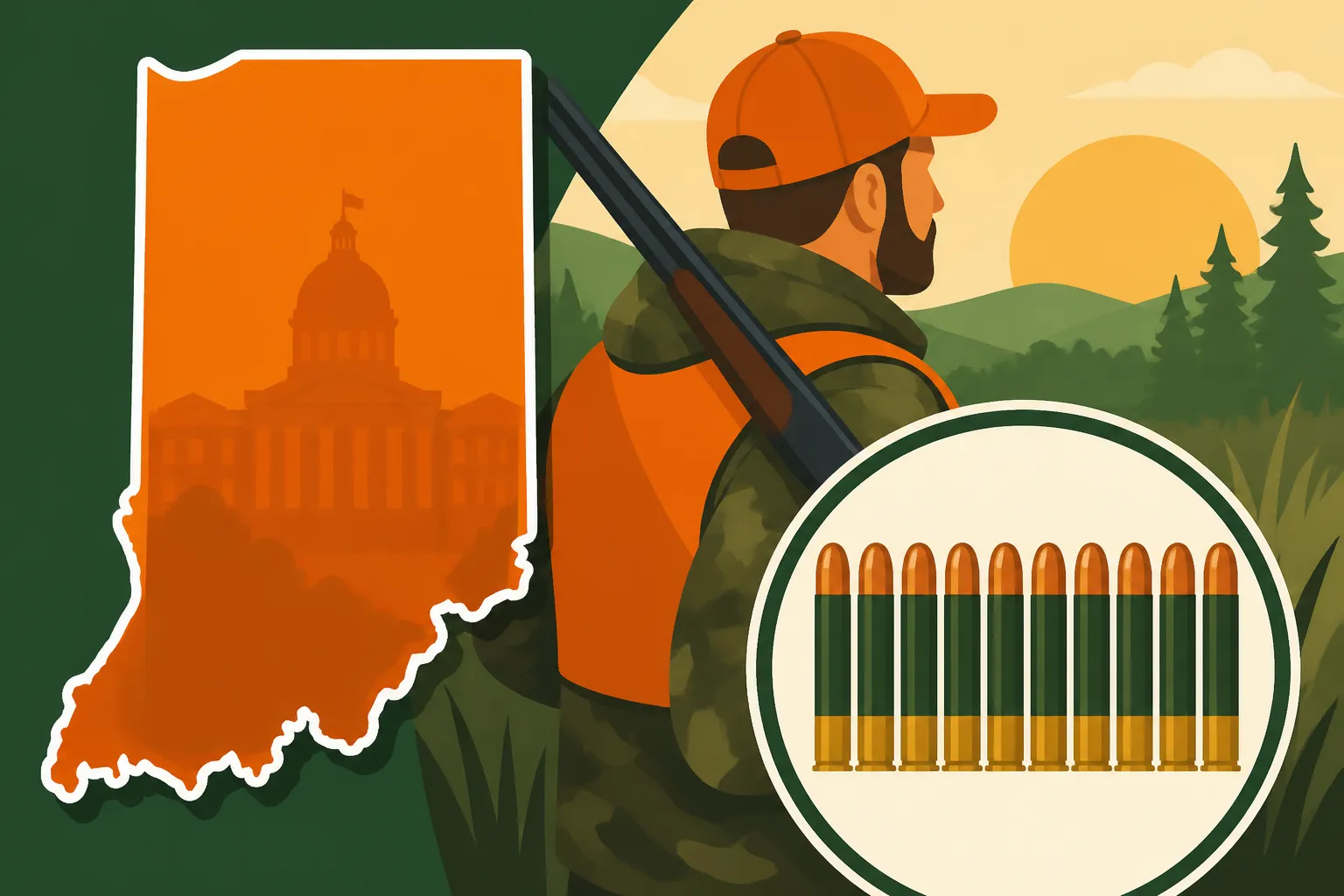
Indiana law, specifically related to the deer firearms season, states that a person may not possess more than ten rounds of ammunition at any one time while hunting deer with a rifle. This isn't about how many boxes you can buy at your local Scheels or Academy Sports + Outdoors, or how much ammo you can store in your truck. It's strictly about the number of rounds you have on your person or readily accessible in the field while actively engaged in deer hunting.
This means if you're carrying a rifle, you need to ensure that the total number of live rounds in your magazine, chamber, and any other pockets, pouches, or slings you're wearing or carrying doesn't exceed ten. The intent behind this law, much like the rationale for the older straight-wall rule, likely stems from a desire for safety and to promote ethical hunting practices. It discourages what might be perceived as indiscriminate shooting or attempting to "spray and pray," encouraging hunters to make each shot count. While modern sporting rifles often have high-capacity magazines available, those are not permissible for deer hunting in Indiana during the firearms season. This rule forces a more deliberate approach, often leading to better shot placement and more responsible hunting.
Practical Implications for Hunters
So, what does this look like when you're actually out in the field? Let's break it down. Imagine you're heading out for a cold morning hunt in the Hoosier National Forest during Indiana's Firearms Deer Season. You've got your new rifle, maybe a 6.5 Creedmoor, and you're excited to put it to use.
- Magazine Capacity: If your rifle uses a detachable magazine, you can load it with no more than ten rounds. Even if your magazine can hold 20 or 30 rounds, you cannot fill it beyond ten while afield for deer. Many hunters opt for 5-round or 10-round magazines to avoid any ambiguity.
- Loose Rounds: This is where many people get tripped up. It's not just about what's in your magazine. If you have five rounds in your rifle's magazine and another six loose rounds rattling around in your jacket pocket or in a small pouch on your belt, you are technically in violation. The total count must be ten or fewer.
- Multiple Magazines: You might carry multiple magazines, which is perfectly fine. However, the combined total of live rounds in all magazines and the chamber must not exceed ten. So, you could carry two 5-round magazines, or one 10-round magazine, or even a 5-round magazine in the rifle and five loose rounds in a dedicated cartridge carrier. But you couldn't carry two 10-round magazines, even if only one is in the rifle, because your total possession would be twenty rounds. This is a key distinction addressed in rules like Carrying More Than Ten Rifle Cartridges Afield.
This rule requires a bit of pre-hunt planning and discipline. It means you can't just toss a half-box of ammo into your pack and head out. You need to be deliberate about how many rounds you're bringing with you to the stand or on your still-hunt. It forces a mindset where every round counts, which arguably, is a good thing for responsible hunting.
Navigating the Rule: Tips and Best Practices
Dealing with specific regulations like the ten-cartridge limit can feel like an extra layer of complexity, but with a bit of planning, it's easy to stay compliant. The key is to be proactive and understand the nuances before you step into the woods.
Checking Your Gear Before Heading Out
The simplest way to avoid an accidental violation is to establish a routine for checking your gear before every hunt. This might sound basic, but it's surprising how often small oversights can occur, especially when you're focused on so many other aspects of the hunt, like the weather, wind direction, or your Treestand Setups in Hoosier National Forest.
Before you leave your vehicle or camp to enter the hunting area, physically count your ammunition. Take every round out of your rifle, magazines, pockets, and any accessory pouches. Lay them out, count them, and then only load the permissible ten or fewer back into your system. If you use a rifle with a fixed magazine, like many lever-actions, make sure you don't load more than its capacity up to ten rounds. For hunters carrying a pack specifically designed for a day in the woods, such as those recommended in Packs for a Hoosier Forest Day Hunt, dedicating a small, separate pocket just for your ten rounds can be a great way to keep track and avoid accidental over-possession. It's all about creating habits that ensure compliance, making it second nature so you can focus on the hunt itself.
Storage and Transport Considerations
While the ten-cartridge limit applies when you're afield, it doesn't mean you can't own more than ten rounds, or transport more than ten rounds to and from your hunting destination. The distinction is crucial.
- At Camp or Vehicle: You can absolutely have additional ammunition stored securely in your vehicle or at your hunting camp. The law pertains to your possession afield. So, if you're staying at a cabin near a Fish and Wildlife Area, you can have a full box of ammunition there. Just make sure when you pack your daypack and load your rifle to head into the timber, you adhere to the ten-round limit. Many hunters keep a separate, small ammo wallet or box with only the legal number of rounds, leaving the bulk ammunition locked in their vehicle or secure at camp.
- Transit: When you are simply driving to your hunting spot, or from one hunting area to another, the ten-cartridge limit for hunting deer is generally not applicable in the same way. However, it's always wise to transport firearms unloaded and secured, and ammunition stored separately. While the specific deer hunting possession limit isn't in effect during travel, responsible firearm transport practices should always be followed to prevent any misinterpretation of your intentions. Always be aware of local ordinances if you're passing through towns, but for state hunting regulations, the focus is truly on while actively engaged in hunting.
Understanding Enforcement and Avoiding Issues
Indiana Conservation Officers (COs) are highly trained professionals who know the hunting laws inside and out. Their job is to ensure everyone is hunting safely and legally, and they're usually quite reasonable if you're making a good-faith effort. However, they are also bound by the law.
If a CO checks your license and gear, they will expect you to be compliant with the ten-cartridge limit. Being cooperative and transparent is always the best approach. If you've accidentally slipped up, it's better to admit the mistake than to try and conceal it. Most COs appreciate honesty. The best way to avoid any issues is simply to follow the rule diligently. Double-checking your ammo count before you leave the truck takes only a minute or two, but it can save you a lot of hassle, potential fines, or even a confiscated firearm. Staying informed about all regulations, not just this one, is key. Using resources like the official Indiana DNR website or the GoHunt app can help you keep up to date on all the intricate rules that govern Indiana Deer Season Structure Explained and other hunting opportunities.
The Debate Around Cartridge Limits
It's safe to say that very few hunting regulations are universally loved, and the ten-cartridge possession limit is no exception. While some see it as a sensible safety measure, others view it as an outdated and unnecessary restriction. Understanding both sides of the argument can help hunters appreciate the thought process behind such laws, even if they don't always agree.
Arguments for Retaining the Limit
The primary arguments in favor of keeping the ten-cartridge limit often revolve around safety, tradition, and potentially environmental concerns.
- Safety and Responsible Hunting: Proponents suggest that limiting the number of rounds a hunter can carry encourages more deliberate and ethical shooting. With fewer rounds, a hunter might take more time to ensure a clean, humane shot, rather than potentially emptying a high-capacity magazine at a deer. In a state like Indiana, with a mix of dense timber, open fields, and proximity to suburban areas, this can be seen as a way to reduce the risk of stray bullets, especially when you consider Sighting In a Centerfire Rifle for Indiana Woods where shots are often closer range. It's about promoting a "one shot, one kill" mentality, even if it's not always achievable.
- Minimizing Environmental Impact: While not often explicitly stated, some argue that fewer rounds carried means fewer spent casings left in the woods. This is a minor point, but for public land managers, every little bit helps in maintaining clean and pristine hunting areas. Think about the amount of brass that could accumulate if everyone was carrying 20 or 30 rounds and not diligently picking up their spent casings.
- Historical Context and Tradition: For many longtime Indiana hunters, the concept of limited rounds isn't new. For decades, when shotguns or muzzleloaders were the primary tools, the number of shots available was inherently limited. The ten-cartridge rule, to some, maintains a degree of that traditional self-imposed restraint, even as firearm technology advances.
Arguments Against the Limit
On the flip side, many hunters feel that the ten-cartridge limit is an anachronism, a rule that made more sense in a different era or for different types of firearms.
- Outdated and Ineffective: Critics argue that the rule doesn't truly prevent unethical shooting. A hunter intent on reckless behavior can do so with ten rounds just as easily as with twenty. Modern hunting rifles are designed for precision, not volume. The skill and ethical judgment of the hunter, not the number of rounds in their pocket, are what truly determine responsible behavior. Furthermore, the argument about projectile travel distance, which once underpinned the straight-wall laws, has largely been addressed by the statewide rifle legalization.
- Unnecessary Burden: For some, it adds an unnecessary layer of complication and worry to the hunting experience. Having to meticulously count rounds and manage multiple magazines feels like an arbitrary restriction when they could be focusing on Hunting the Rut in Early November or other critical aspects of the hunt. In an emergency situation, having additional ammunition could even be seen as a safety benefit, although this is a less common argument.
- Discrepancy with Other States: When comparing Indiana's regulations to those of neighboring states or other popular hunting destinations, the ten-cartridge limit often stands out. Many states have no such restriction, leading Indiana hunters to question its necessity and effectiveness. It can feel like an arbitrary rule that puts Indiana hunters at a disadvantage or simply complicates things more than needed. It also seems contradictory to the spirit of What Senate Bill 280 Changed for Rifle Hunters, which aimed to modernize Indiana's deer hunting laws.
Ultimately, the debate highlights the ongoing tension between preserving tradition and adapting to modern hunting practices and equipment. While the rule remains in place, understanding these differing perspectives helps to contextualize it within the broader landscape of Indiana hunting.
Modern Ammunition Management for Indiana Hunters
With the lifting of straight-wall rifle restrictions, Indiana hunters now have a fantastic array of calibers to choose from. But this newfound freedom comes with the continued need to manage your ammunition supply in the field to comply with the ten-cartridge limit. Smart ammunition management isn't just about following the law; it's about optimizing your gear and ensuring you're always prepared for the hunt.
Choosing Appropriate Magazine Capacity
Now that you can use a wider range of rifle calibers for deer in Indiana, you'll find that many modern sporting rifles (MSRs) and even some bolt-action rifles come standard with magazines that hold more than ten rounds. While these high-capacity magazines are perfectly legal to own, they are not legal to use for deer hunting if loaded beyond the ten-round limit.
To simplify compliance, many hunters proactively opt for magazines specifically designed for 5 or 10 rounds. For example, if you're using an AR-15 platform rifle chambered in .223 Wylde or 6.5 Grendel (which are now legal for deer in Indiana), you might choose a 10-round P-MAG over a standard 30-round magazine. This eliminates any doubt about exceeding the limit while the magazine is inserted into your rifle or carried on your person. Even for traditional bolt-action rifles, many manufacturers offer smaller capacity magazines that sit flush with the stock, which can be more comfortable for carrying and prevent over-loading. This forethought simplifies your pre-hunt routine and ensures you're always within legal limits. When considering your overall Rifle Setups for Indiana Deer Hunting, thinking about magazine capacity from the start can save you a headache later.
Utilizing Digital Tools for Compliance
In today's connected world, staying informed about hunting regulations is easier than ever, especially with the help of digital tools. While the official Indiana Department of Natural Resources (DNR) website is always your primary source, other platforms can offer convenient access and organization of this information.
One such tool is GoHunt, which can be a valuable resource for tracking hunting regulations, season dates, and even specific nuances like ammunition limits in various states. While it may not specifically detail every single Indiana nuance, platforms like GoHunt provide a centralized place to keep up with general regulatory changes and can prompt you to dig deeper into local state laws. Beyond that, the Indiana DNR's own mobile app is incredibly powerful. It allows you to access regulations on the go, often even in areas with spotty cell service if you've downloaded the information beforehand. It's an indispensable tool for checking everything from season dates to understanding the rules around Using the Indiana OnX and DNR Map Tools to confirm property boundaries. Having these resources at your fingertips means you can quickly verify rules like the ten-cartridge limit if you ever have a moment of doubt, ensuring you maintain compliance without having to trek back to your vehicle for a rulebook.
What's Next for Indiana Rifle Regulations?
Indiana's hunting regulations are not static; they evolve over time, often in response to hunter feedback, conservation needs, and legislative changes. While the statewide rifle rule was a major step forward, the ten-cartridge possession limit remains a point of discussion for many hunters.
Ongoing Discussions and Potential Changes
It's fair to say that the conversation around the ten-cartridge possession limit is likely to continue. Many hunters feel that with the removal of the straight-wall cartridge restriction and the adoption of more modern rifle calibers, this particular limit has become somewhat antiquated. The arguments against it, as discussed earlier, often center on its perceived ineffectiveness in promoting safety or ethics, and the practical inconvenience it presents.
The Indiana DNR and state legislators regularly review and update hunting laws. Hunter opinions and experiences play a significant role in this process. Groups representing sportsmen and conservationists often lobby for changes they believe will benefit the hunting community while still upholding responsible practices. It's not uncommon for rules like this to be revisited years after a major legislative change, as the full impact and any unforeseen issues become clearer. If you feel strongly about this regulation, engaging with local hunting organizations and providing constructive feedback to your state representatives or the DNR is how change happens. The landscape of Indiana's New Statewide Rifle Rules is still relatively new, and further refinements are always possible as everyone adjusts.
Staying Informed with the DNR and GoHunt
Given the dynamic nature of hunting regulations, staying informed is absolutely crucial for every Indiana hunter. The last thing you want is to be caught off guard by a rule change or misunderstanding an existing one.
The absolute best resource for up-to-date and accurate information is always the official Indiana Department of Natural Resources (DNR) website. They publish the official hunting and trapping guide annually, which details every regulation, season date, and legal requirement. It's available online and at many license vendors. Make it a habit to review this guide before each hunting season, as even small details can change.
Beyond the DNR, digital platforms like GoHunt can serve as excellent supplementary resources. While not an official legal source, GoHunt often aggregates information, provides analyses of rule changes, and can help you track discussions within the hunting community. It can be a great way to stay tuned into broader trends and discussions that might influence future changes to Indiana hunting laws. Combining the official DNR resources with reliable third-party platforms like GoHunt ensures you're getting a comprehensive view and staying ahead of any potential regulatory shifts.
| Aspect | Do's | Don'ts |
|---|---|---|
| Ammunition Count | Count all rounds (chamber, magazine, pockets) to ensure ≤ 10. | Carry more than 10 live rounds total on your person or in your immediate gear. |
| Magazine Use | Use 5-round or 10-round magazines, or load larger magazines to 10. | Use high-capacity magazines loaded beyond 10 rounds for deer hunting. |
| Storage in Field | Keep all excess ammunition securely in your vehicle or at camp. | Have loose rounds exceeding the limit scattered in your pack or pockets afield. |
| Pre-Hunt Routine | Verify ammunition count before leaving your vehicle/camp for the hunt. | Assume you're compliant without a physical check. |
| Information Source | Consult the official Indiana DNR website for current regulations. | Rely solely on hearsay or outdated information for legal compliance. |
Disclaimer
The information provided in this guide is for general informational purposes only and is based on current Indiana hunting regulations at the time of writing. Hunting laws and regulations can change frequently. It is the individual hunter's responsibility to consult the most current Indiana Department of Natural Resources (DNR) official hunting and trapping guide or their website to ensure full compliance with all applicable laws and regulations before participating in any hunting activity. Failure to do so may result in legal penalties.