Finding an Indiana CWD Sampling Location
The discovery of Chronic Wasting Disease (CWD) in Indiana has undoubtedly added another layer of complexity and concern for many deer hunters, transforming what used to be a straightforward post-harvest routine into a process that now requires vigilance and adherence to new regulations. It can feel like a burden, a confusing extra step, especially after the excitement of a successful hunt. This guide aims to clear up the confusion surrounding CWD sampling, helping you understand why it's important and, most critically, how to easily locate an Indiana CWD sampling location when you need it.
Understanding Indiana's CWD Challenge
Chronic Wasting Disease is a serious, fatal neurological disease affecting deer, elk, moose, and caribou. It's caused by an abnormal protein called a prion, which slowly damages the animal's brain. For Indiana hunters, the detection of CWD is a game-changer, bringing new responsibilities and a heightened awareness to keep our deer herd healthy.
Why CWD Matters to Indiana Hunters
When CWD shows up in an area, it's not just a scientific curiosity; it’s a real threat to the future of deer hunting. The disease is always fatal to infected animals, and while it doesn't currently appear to be transmissible to humans, health agencies still recommend against consuming meat from CWD-positive animals. This means if a deer you harvest tests positive, that venison is off-limits. Beyond that, a widespread outbreak could devastate local deer populations, leading to fewer deer, changes in herd dynamics, and potentially impacting hunting opportunities for generations. Nobody wants to see our whitetail population suffer, and that's why the Indiana Department of Natural Resources (DNR) takes this threat so seriously.
The impact isn't just biological; it's also social and economic. Deer hunting is a cherished tradition for countless Hoosiers, and it supports local businesses, from small-town diners to gear shops. The thought of CWD disrupting these traditions and local economies is a significant concern. Hunters are often the first line of defense in monitoring wildlife health, and our participation in CWD surveillance is absolutely crucial for early detection and management. Without hunters actively participating in testing, the DNR would have a much harder time understanding the true scope of the disease in Indiana.
The Current CWD Positive Area in Indiana
The reality of CWD hit Indiana in 2021 when the first positive case was confirmed in LaGrange County. Since then, additional cases have been found, leading to the establishment of an official CWD Positive Area. This zone currently encompasses several counties in northeast Indiana: LaGrange, Steuben, Noble, DeKalb, Allen, and Whitley. If you're hunting in any of these counties, particularly within the designated CWD Positive Area, you're now operating under specific CWD regulations that differ from the rest of the state.
The expansion of this positive area, such as when Why Noble County Expanded the CWD Positive Area was announced, is a stark reminder that CWD is a dynamic issue. It highlights the importance of staying informed about the latest updates from the Indiana DNR. These boundaries aren't arbitrary; they're determined by scientific monitoring and risk assessments to contain the spread as much as possible. Knowing the specific counties within Which Six Counties Sit in Indiana's CWD Positive Area is vital for any hunter planning to pursue deer in that region.
Navigating CWD Testing Requirements and Recommendations
Understanding when and where CWD testing is required, and when it's just a good idea, can be a little confusing. The Indiana DNR has implemented specific rules to address the threat, and knowing these rules is part of being a responsible hunter.
Mandatory Testing Versus Voluntary Submission
For hunters successful in the designated CWD Positive Area counties (LaGrange, Steuben, Noble, DeKalb, Allen, and Whitley), there's a mandatory requirement to submit a sample from any deer harvested. This isn't just a suggestion; it's law. The DNR needs as much data as possible from these high-risk areas to track the disease's prevalence and distribution. This can feel like an inconvenience after a long day afield, especially if you're not used to it, but it's an essential step in protecting Indiana's deer herd. The rules for Mandatory Testing Inside Indiana's Positive Area are clear and designed to give biologists the critical information they need to manage the disease.
Outside of the CWD Positive Area, testing is currently voluntary but highly encouraged. If you hunt in a county bordering the positive zone, or simply want the peace of mind that comes from knowing your venison is CWD-free, you can still submit a sample. The Indiana DNR is actively seeking samples from all over the state to conduct surveillance and ensure early detection if the disease spreads. This is where hunters can truly make a difference, even without a mandate. You can often get Getting Free CWD Testing for Your Deer if you opt for voluntary submission, which is a great incentive to participate.
What Happens After a Sample is Submitted
Once you drop off your deer's head, or the specific lymph node sample, at an official CWD sampling location, the work for you is mostly done. The sample is then sent to a diagnostic lab for analysis. This process isn't instantaneous; it typically takes a few weeks to get results back. The DNR understands that waiting can be stressful, especially if you're eager to process your deer, but thorough testing takes time. Hunters usually receive notification via email or mail once their results are available. If, by chance, your deer tests positive, the DNR will contact you directly to provide guidance on proper carcass disposal and discuss any other necessary steps.
It's a good practice to keep detailed records of your hunt, including where and when the deer was harvested, along with any tag numbers, until you receive your CWD test results. This ensures you have all the information handy if any questions arise or if you need to reference your harvest for future reference. While you wait for results, storing your venison properly is crucial. Even though most deer test negative, it’s wise to keep the meat separate until you have a confirmed negative result, especially if you plan to share it with family and friends.
Locating a CWD Sampling Station Near You
Finding an Indiana CWD sampling location might seem like a daunting task, especially if you're unfamiliar with the process or hunting in a new area. Thankfully, the Indiana DNR has made significant efforts to establish a network of accessible locations and provide clear guidance on how to find them.
Using the Indiana DNR Website and Apps
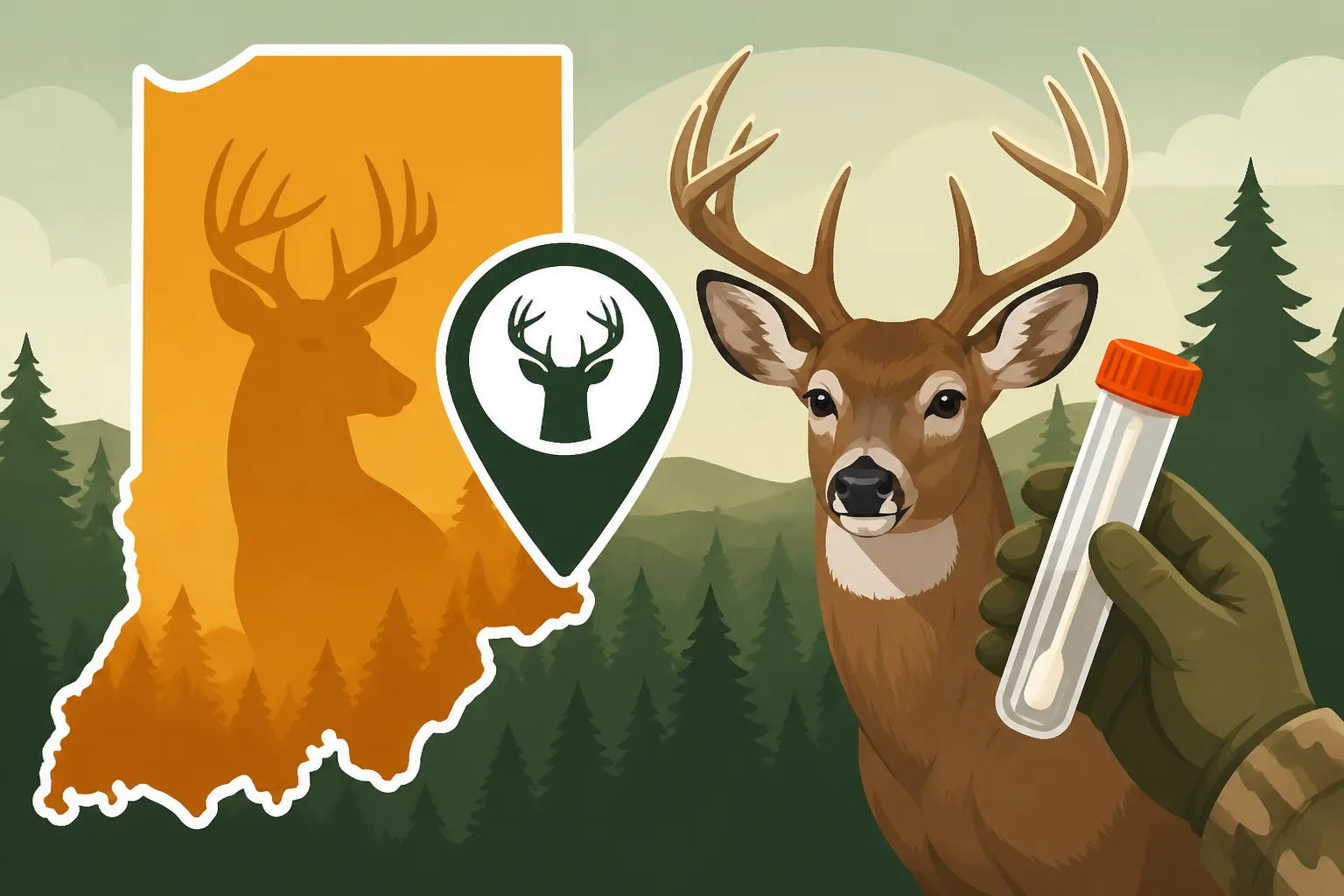
The most reliable and up-to-date resource for finding CWD sampling locations is the official Indiana DNR website. They maintain an interactive map that shows all current CWD surveillance stations, including drop-off sites, staffed check stations, and cooperating taxidermists and processors. This map is usually updated frequently, so it's always worth checking before you head out into the field, especially if you're hunting in the CWD Positive Area or plan to submit a voluntary sample. Looking up the precise location beforehand can save you a lot of time and frustration after a successful hunt.
In addition to the website, the Indiana DNR often integrates this kind of critical information into their mobile applications. Apps like the official DNR hunting app or even third-party mapping solutions like GoHunt can be invaluable. While GoHunt is primarily a mapping and scouting tool, savvy hunters know to cross-reference it with official DNR information. These digital tools can help you identify a convenient sampling location relative to your hunting spot, which is especially helpful when you're deep in the woods or far from home. Remember to scout not just for deer, but for your nearest sampling site, too.
Types of Sampling Locations Available
The Indiana DNR utilizes a variety of locations to collect CWD samples, ensuring convenience for hunters across the state, particularly in the mandatory testing zones. These typically include:
- Self-Serve Drop-Off Stations: These are often unmanned coolers or freezers located at DNR properties (like Fish & Wildlife Areas or State Forests) or even public access points. You'll usually find instructions, sample bags, and tags provided at these sites. You'll need to remove the deer head (or specific lymph nodes if you're comfortable with that) and follow the instructions carefully for proper submission. This option offers 24/7 convenience, which is a huge plus after an evening hunt.
- Staffed Check Stations: During peak hunting seasons, especially firearms season, the DNR may operate staffed check stations at specific times and locations. These are often located at DNR offices, state parks, or fairgrounds. At these stations, trained personnel can assist you with sample collection, answer questions, and ensure your submission is correct. Keep an eye on DNR announcements for dates and hours of operation for these stations. They can be particularly helpful if you're unsure about the process of Indiana CWD Testing for Hunters.
- Cooperating Taxidermists and Processors: Many local taxidermists and meat processors have partnered with the DNR to become official CWD sampling sites. This is a fantastic option because you're likely taking your deer to one of these businesses anyway. They are trained to collect the necessary samples and often handle the submission process on your behalf. Always call ahead to confirm if your preferred taxidermist or processor is a participating CWD sampling location and if they have any specific requirements.
Preparing Your Sample for Submission
Regardless of where you submit your sample, proper preparation is key to ensuring an accurate test. For most hunters, this means taking the entire head of the harvested deer. Here’s a basic guide:
- Field Dress and Tag Your Deer: Complete your normal field dressing routine. Make sure your deer is properly tagged according to Indiana regulations. Remember, Registering an Indiana Deer Online is still a requirement, so ensure you have your confirmation number.
- Remove the Head: Carefully remove the deer's head, leaving approximately 2-4 inches of neck attached. For safety, many hunters prefer to do this at home with appropriate tools rather than in the field. Be mindful of preserving the neck tissue, as this is where the retropharyngeal lymph nodes—the primary tissue needed for testing—are located.
- Keep it Cool: The sample needs to be kept cool, especially if there will be a delay before submission. Place the head in a cooler with ice, or refrigerate it. Do not freeze the head if possible, as freezing and thawing can sometimes degrade the sample, though it's better than letting it spoil.
- Complete Necessary Forms: At drop-off stations, there will typically be forms to fill out, asking for your name, contact information, the date and location of the harvest, and your deer confirmation number. Fill these out completely and legibly. This information is vital for the DNR to track results and contact you if needed.
- Secure Your Sample: Place the head (or lymph nodes if you’ve collected them yourself) in the provided plastic bag or another sturdy, leak-proof bag. Label it clearly with the information from your form. Then, place it in the designated cooler or freezer at the sampling station.
This attention to detail ensures that the biologists receive a viable sample, which in turn helps them accurately monitor the disease. Tools like GoHunt can also help you find public access points or local resources where you might be able to handle this step safely and cleanly.
Important Considerations and Carcass Movement Rules
Beyond simply getting a sample submitted, there are other crucial regulations and best practices hunters need to be aware of when dealing with CWD, particularly concerning how you handle and transport deer carcasses.
Carcass Movement Restrictions from the Positive Area
One of the most critical aspects of CWD management, especially for those hunting in the designated CWD Positive Area, is the strict regulations around Indiana Carcass Movement Restrictions. To prevent the spread of the disease to new areas, hunters are prohibited from moving whole deer carcasses (or certain high-risk parts) out of the CWD Positive Area counties. This means if you harvest a deer in LaGrange or Steuben County, for example, you cannot simply load it into your truck and drive it home to, say, Bloomington or Terre Haute, without proper processing.
Instead, deer harvested in a CWD-positive county must be deboned, skinned, and the head removed before leaving the area. Only certain low-risk parts are allowed to be transported across county lines: deboned meat, antlers (with all brain tissue removed), capes (without brain or spinal column material), and clean skull plates. This rule applies to both resident and nonresident hunters. It's designed to minimize the risk of prions, which are concentrated in the brain, spinal cord, and lymph nodes, from being inadvertently transported and deposited in new, currently CWD-free areas. This can be a hassle, especially for hunters without immediate access to processing facilities, but it's a vital measure to protect the rest of the state's deer population. For more details on this, you'll want to review the DNR's specific guidelines on Handling Venison From a CWD Positive Area.
Best Practices for Hunters in CWD Areas
Even if you're not hunting in a mandatory testing zone, adopting some best practices is a smart move for any Indiana deer hunter. First and foremost, always report any deer you observe acting abnormally, such as appearing emaciated, exhibiting unusual neurological signs, or showing a lack of fear of humans. This could be a sign of CWD or another illness, and the DNR needs to know. You can often use the Scouting With the Indiana DNR App to report unusual observations directly.
When field dressing a deer, especially in a CWD area, consider wearing gloves and using dedicated tools. While there's no evidence of human transmission, general hygiene is always a good idea. Dispose of any carcass waste (entrails, bones, hide) responsibly, ideally by leaving it at the kill site or burying it deeply, rather than tossing it in a roadside ditch. Clean your knives, saws, and other equipment thoroughly with a bleach solution (1 part bleach to 9 parts water) or another disinfectant to prevent potential cross-contamination. These small steps, when adopted by many, can significantly contribute to the overall health and longevity of Indiana's deer herd.
| Sampling Location Type | Best For | Requirements | Notes |
|---|---|---|---|
| Self-Serve Drop-Off | 24/7 convenience, remote areas | Head with 2-4" neck, hunter info, proper tagging | Follow instructions carefully; often unmanned. |
| Staffed Check Station | Assistance with sampling, questions, busy seasons | Deer head, hunter info, proper tagging | Limited hours/dates; check DNR schedule. |
| Taxidermist/Processor | Combining processing/taxidermy with sample drop-off | Varies by facility, call ahead | Confirm participation, may have fees for services. |
| DNR Biologist | Sick/dead deer reports, specific collection events | Usually by appointment or specific events | Contact DNR directly for sick deer; not for routine harvest. |
Disclaimer
The information provided in this guide is for general informational purposes only and is not intended to be legal advice. Hunting regulations, including those related to CWD, can change. Always consult the official Indiana Department of Natural Resources (DNR) website or their current hunting and trapping guide for the most up-to-date and accurate regulations before engaging in any hunting activities.