Indiana Spring Turkey Closing Date
The feeling of watching those last few days of spring turkey season tick away on the calendar can be a real gut-punch, can't it? You spend months anticipating it, put in countless hours scouting, and then suddenly, it's almost over. Missing the closing date means missing out on crucial hunting opportunities or, worse, running afoul of the regulations. This guide is here to clear up any confusion about the Indiana spring turkey closing date and help you make the absolute most of those precious final moments afield.
Understanding Indiana's Spring Turkey Season Structure
Indiana's spring wild turkey season is a highly anticipated event for hunters across the state. It's a time of renewed energy in the woods, the symphony of gobblers sounding off at dawn, and the exhilarating challenge of calling in a wary tom. But just like anything good, it eventually comes to an end. Understanding the precise structure of the season, especially its closing date, is paramount for responsible and successful hunting.
The Statewide General Season Dates
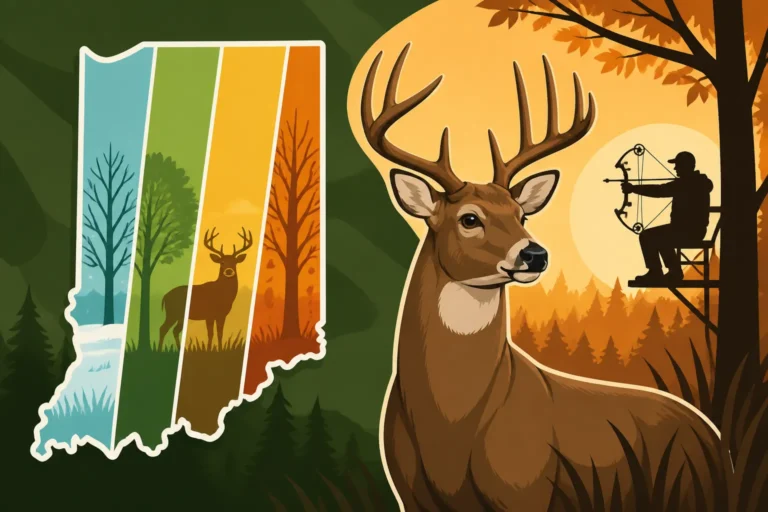
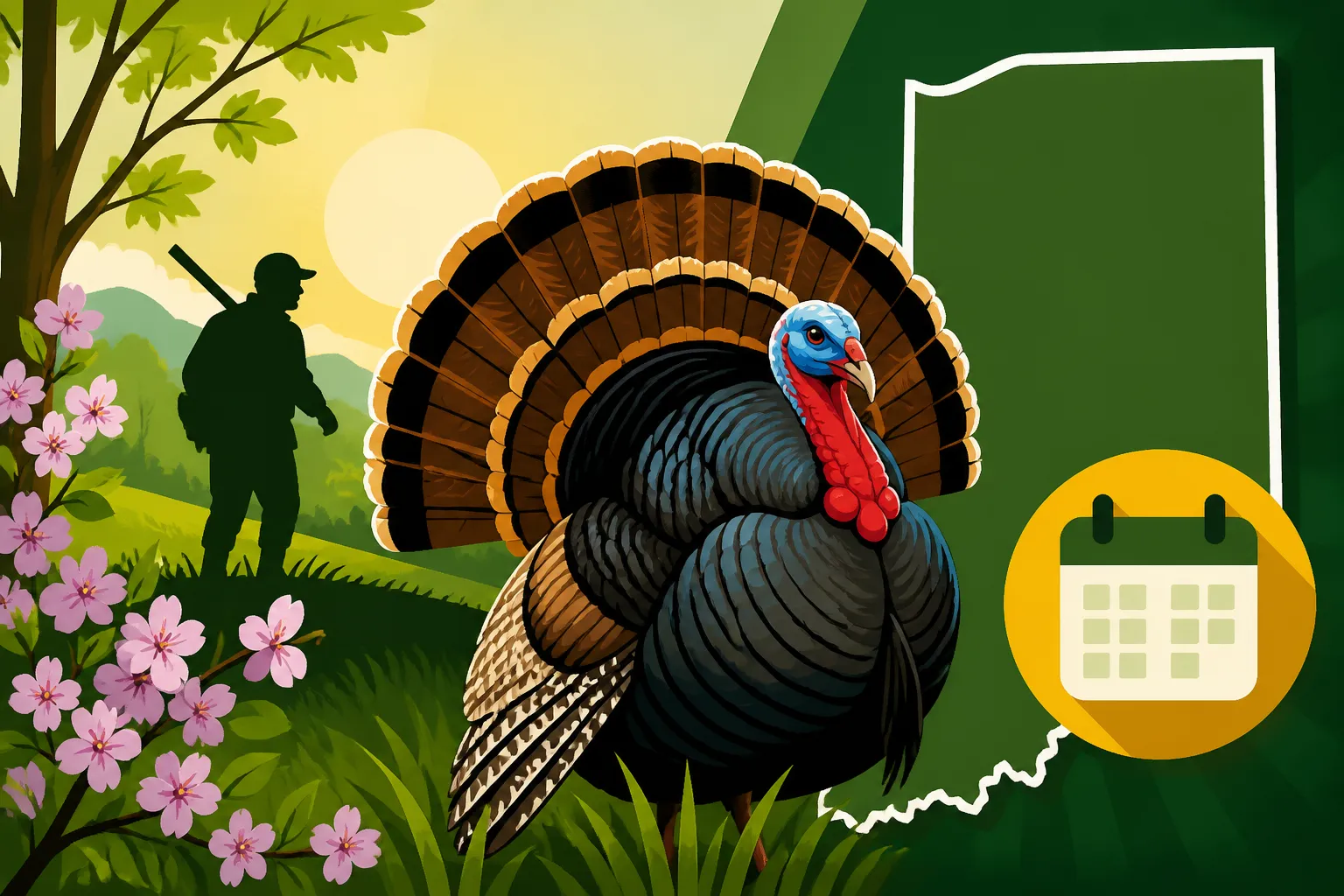
For the general spring wild turkey season in Indiana, the dates typically run from late April through mid-May. It's crucial to consult the Indiana Department of Natural Resources (DNR) official hunting guide each year, as exact dates can sometimes shift slightly. For instance, the 2024 general spring turkey season ran from April 24th through May 15th. This means that after sundown on May 15th, the general spring turkey season was officially closed. Prior to the general season, there's also a youth-only weekend, offering younger hunters a special opportunity. Knowing these dates, especially the final day, helps you plan your hunts strategically and ensures you don't overstay your welcome in the turkey woods.
One common mistake hunters make is assuming the season ends on the last Saturday or Sunday of a month, or simply by feel. With modern technology, there's no excuse. Tools like the Indiana DNR App or services from platforms like GoHunt provide quick access to regulations right on your phone, making it simple to confirm the exact dates, including the closing day. There's nothing worse than thinking you have another day, only to realize you should have been out there!
Why Knowing the End Date is Crucial
Knowing the exact closing date isn't just about avoiding a citation; it's about respecting the game, the regulations, and your fellow hunters. Beyond the legal ramifications, hunting past the season closure can disrupt turkey breeding cycles, especially as hens are on nests or tending to poults. The DNR carefully sets these dates based on biological data to ensure sustainable turkey populations.
From a practical hunting perspective, the late season offers unique challenges and rewards. Gobbling activity often wanes as hens begin to nest, making birds harder to locate. However, it also means fewer hunters in the woods and potentially more receptive longbeards who are still looking for company. If you're planning for those last few hunts, understanding when the curtain officially drops is your first step. It allows you to tailor your Indiana Spring Turkey Season Rules and maximize your final opportunities. It's also important to remember your Indiana Spring Turkey Bag Limit Rules, which generally allow one bearded or gobbler per hunter per spring season.
Here’s a quick overview of a typical Indiana Spring Turkey Season:
| Season Phase | Typical Start Date | Typical End Date | Notes |
|---|---|---|---|
| Youth Season | Third weekend of April | Third weekend of April | Special weekend for hunters under 18. |
| General Spring Season | Late April | Mid-May | Statewide, one bearded or gobbler limit. |
Always double-check the current year's official Indiana DNR regulations for precise dates.
Making the Most of the Late Season Window
The final stretch of Indiana's spring turkey season can be some of the most challenging, yet also incredibly rewarding, days to hunt. Many hunters pack it in after the initial flurry of gobbling subsides, leaving the woods quieter and often less pressured. However, turkeys behave differently as the season winds down, requiring hunters to adapt their strategies.
Adapting Tactics for Pressure and Breeding Changes
As the spring season progresses, gobblers become more educated, and the breeding dynamic shifts significantly. Early in the season, gobblers are often eager to respond to calls, actively seeking hens. By the time the Indiana Spring Turkey Closing Date approaches, many hens are already bred and on their nests, which means gobblers are spending less time with hens and often become more solitary and harder to entice.
This shift means your tactics need to change. Aggressive calling that worked on opening day might now spook a wise old tom. Instead, consider subtler approaches. Locating birds on the roost becomes even more critical. Getting out before dawn to pinpoint where a gobbler flies down can give you a significant advantage. Instead of setting up right under the roost, anticipate their travel routes to fields or strutting zones. You might find success with a "run-and-gun" approach, covering more ground to locate isolated gobblers rather than sitting in one spot waiting for them to come to you. Don't be afraid to utilize different calls; sometimes a sharp gobble will trigger a shock gobble, or a soft cluck and purr will pique the interest of a bird that's heard everything else.
Also, be mindful of hunting pressure. Public lands, especially popular ones, can see a lot of activity during the first few weeks. By late season, the crowds thin, but the remaining birds are often highly educated. This is where scouting, even just a few days before the season closes, really pays off. Look for fresh tracks, strut marks, and droppings. Identify areas that might serve as refuges or travel corridors that other hunters overlook. For those hunting private land, areas like woodlots adjacent to standing crops can be prime locations. Consider Turkey Tactics for Farmland Field Edges as birds often feed in open areas.
Legal Considerations and Ethical Hunting in the Final Days
With the season winding down, it's easy to get caught up in the urgency of tagging a bird. However, maintaining ethical standards and adhering strictly to legal regulations is more important than ever. Always ensure you are within legal shooting hours, which for turkey hunting is generally from one-half hour before sunrise until sunset. Hunting beyond legal hours is a serious offense.
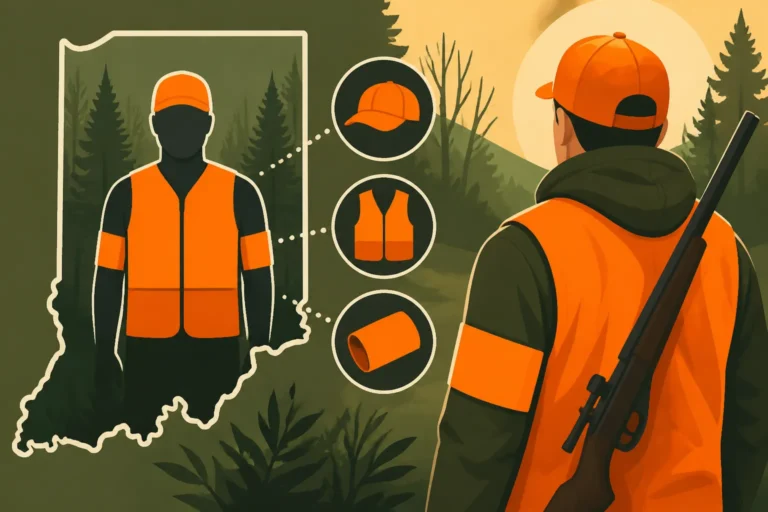
While decoys can be very effective, especially for drawing in a curious gobbler that's heard a lot of calling, be strategic with your Decoy Placement for Pressured Indiana Birds. A full-strut tom decoy might intimidate a satellite gobbler, while a more subtle hen or jake decoy could be just enough to draw him in. Remember that you are legally required to wear hunter orange when moving from your set location if you're hunting during the firearms portion of the deer season, but for spring turkey, it's generally not required while hunting but highly recommended for safety when not actively engaged in the hunt or when walking in/out.
Always confirm the specific regulations in the latest Indiana hunting guide. This includes rules regarding firearms (shotgun gauge, shot size), archery equipment (draw weight, broadhead type), and electronic calls, which are generally prohibited for turkeys in Indiana. Respecting these rules, especially in the waning days, helps preserve the integrity of the hunt and ensures the future of turkey hunting in the state.
Navigating Permits, Reporting, and Carcass Tags
Getting that gobbler on the ground is only half the battle; the administrative side of hunting, particularly with permits, tagging, and reporting, is just as critical. Many hunters dread this part, but it's a non-negotiable step to complete your season legally and responsibly.
Your Tag, Your Responsibility
Every Indiana turkey hunter is required to possess a valid hunting license and a spring turkey tag. If you're a resident, the Indiana Resident Base License Cost along with the turkey stamp covers your legal right to hunt. Non-residents have similar requirements, such as the Indiana Nonresident Turkey License Cost. These are easily acquired through the Go Outdoors Indiana system, whether online or at a licensed vendor. Always carry proof of your license and tag while hunting. Many hunters use the Go Outdoors Indiana app on their phones to display their licenses, which is perfectly acceptable.
Once you harvest a turkey, your first step, after ensuring the bird is deceased and secured, is to validate your tag. This typically means punching out the date and time on your paper tag or validating it electronically via the Go Outdoors Indiana app. This validation must happen immediately at the kill site, before you move the bird from the field. It’s a simple but vital step that too many hunters forget in their excitement. This process links your harvest directly to your license and prevents reuse of the tag.
Post-Hunt Requirements and Best Practices
After validating your tag at the kill site, the next critical step is to report your harvest. In Indiana, all deer and turkey harvests must be reported to the DNR within 48 hours of the kill. This can be done quickly and easily online through the Go Outdoors Indiana website or via the Go Outdoors Indiana mobile app. This online system is incredibly efficient and accessible, even if you’re coming out of a remote area and have to wait until you have service. Reporting your harvest accurately provides the DNR with vital data used to manage turkey populations, set future season dates, and understand harvest trends. Without accurate reporting, wildlife managers are flying blind, which isn't good for anyone.
When reporting, you'll need information like the date of harvest, county of harvest, and the type of turkey (gobbler/bearded hen). Make sure to be accurate. If you’re hunting in a specific area like the Hoosier National Forest, understanding the reporting process is even more critical for the DNR’s localized data collection.
Once reported, you'll receive a confirmation number. It's a good practice to keep this number with your validated tag until the meat is processed and consumed, just in case there are any questions down the line. Finally, once your bird is tagged and reported, focus on proper game care. Especially in the late spring, temperatures can be warm, so field dressing quickly and cooling the bird down is paramount to preserving the quality of your hard-earned meal. Proper care ensures that the delicious wild turkey meat makes it to your dinner table in prime condition, a fitting end to a successful season.
Disclaimer
Please note that hunting regulations, dates, and requirements can change. Always consult the official Indiana Department of Natural Resources (DNR) hunting regulations guide for the current year before planning and participating in any hunting activity. This article is for informational purposes only and should not be considered a substitute for the official DNR regulations.