Indiana Trapping License Requirements
The world of trapping can feel like a maze, full of specific rules and licenses that seem to change or have hidden caveats. It's frustrating to just want to get out there and enjoy a time-honored tradition, only to feel bogged down by bureaucracy. This comprehensive guide is here to untangle the web of Indiana's trapping license requirements, making sure you understand exactly what you need to legally and confidently set your traps in the Hoosier State.
Navigating the Core Indiana Trapping License Requirements
When you're first thinking about setting a trapline, it's easy to assume there's just one "trapping license" you need to buy. But, like many things in the world of outdoor pursuits, Indiana’s system has a couple of layers. Missing one of these can land you in hot water, and nobody wants that when they're trying to enjoy nature. Understanding these foundational requirements is the first, most crucial step for any aspiring or returning trapper in Indiana.
The Essential Base License for Trappers
You might be surprised to learn that Indiana doesn't offer a standalone "trapping only" base license. Instead, trappers are typically covered under the general Hunting License or a Combo Hunting & Fishing License. This is a common point of confusion for folks who are purely interested in trapping and might not plan on carrying a firearm or bow. However, it's the gateway. Think of it as your general admission ticket to participate in Indiana’s regulated outdoor activities. Without this foundational license, any other endorsements you buy won't be valid for trapping.
Imagine you're a seasoned trapper from another state, used to a dedicated trapping license. You move to Indiana, look up "trapping license," and maybe see an option for a "furbearer endorsement." You buy that, thinking you're all set. Then, a conservation officer checks your traps and asks for your base hunting license. Suddenly, you're looking at a citation because you missed this fundamental step. It’s not an intuitive system for everyone, but knowing this upfront saves a lot of headaches. This base license is what grants you the privilege to pursue furbearers in the first place, before you even consider specific methods like trapping. You can find more details on general permits in our guide to Indiana Hunting Licenses and What They Cost.
The Indispensable Furbearer Trapping Endorsement
Once you have your base hunting license, the next, equally crucial piece of the puzzle is the Furbearer Trapping Endorsement. This is the specific add-on that authorizes you to actually set and tend traps for furbearing animals. While your base hunting license lets you pursue game, it doesn’t automatically grant you the right to trap. That’s where this endorsement comes in. It’s what differentiates a hunter from a trapper in the eyes of the Indiana Department of Natural Resources (DNR).
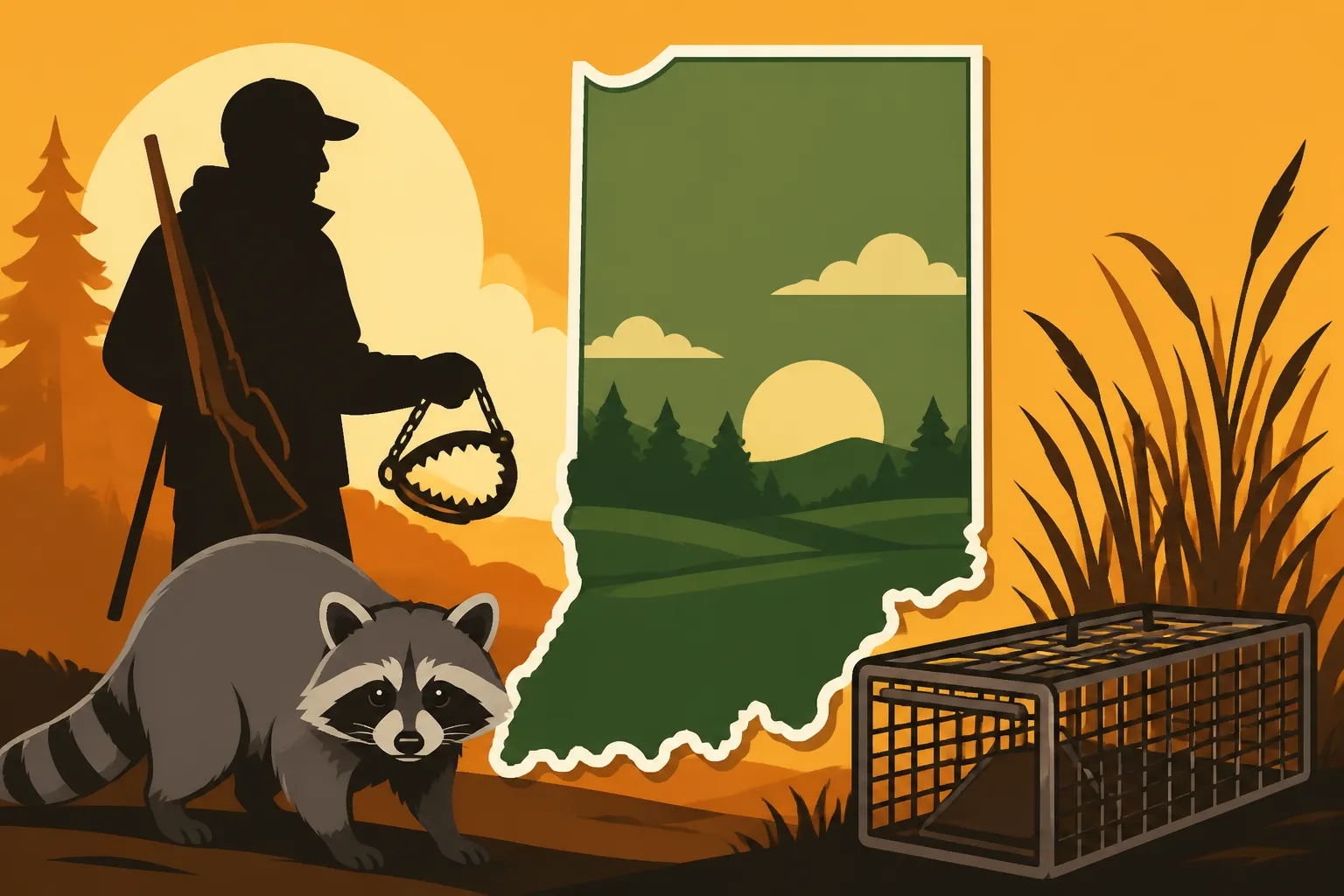
This endorsement specifically covers common furbearers like raccoons, opossums, skunks, red foxes, gray foxes, coyotes, beaver, mink, muskrats, and long-tailed weasels. It's important to remember that this endorsement is in addition to your base license, not a replacement for it. For example, if you wanted to go Trapping Indiana Muskrat and Beaver, you’d need both the base hunting license and the furbearer trapping endorsement. This two-tiered system ensures that trappers are clearly identified and that the state can manage furbearer populations effectively while also generating revenue for conservation efforts through the sale of both licenses. Don’t ever skip this one; it’s the heart of being a legal trapper in Indiana.
Understanding Specific License Options and Costs
Indiana offers a variety of license types tailored to residents, non-residents, and even youth, each with its own cost structure. Knowing these options helps you choose the most economical and appropriate license for your trapping goals, whether you're planning a short trip or a lifetime of activity.
Resident Trapping License Details
For Hoosier residents, the options are generally more affordable and flexible. Most resident trappers will purchase an annual Resident Hunting License or a Resident Hunt/Fish Combo License as their base. On top of that, you'll add the Resident Furbearer Trapping Endorsement. The costs for these change periodically, so it’s always best to check the current rates on the Go Outdoors Indiana website. As of recent updates, a typical annual resident hunting license is quite reasonable, and the furbearer endorsement adds a modest amount to that.
Residents who bought a Lifetime Comprehensive Hunting License or a Lifetime Hunting and Fishing License before July 1, 2005 can keep using them, but Indiana DNR no longer sells lifetime licenses. Everyone else buys annual licenses. You can delve deeper into these options by looking at Indiana Resident License Options and even compare with costs like the Indiana Resident Deer Bundle Cost.
Non-Resident Trapping License Considerations
If you're coming from out of state to enjoy Indiana's furbearer resources, you’ll find the non-resident licenses are, understandably, more expensive. Non-residents will need a Non-Resident Hunting License as their base, along with the Non-Resident Furbearer Trapping Endorsement. There might also be shorter-duration non-resident hunting licenses available, such as a 5-day option, which could be a cost-effective choice if you're only planning a brief trapping trip to the state. Always ensure that the specific non-resident hunting license you choose is valid for the duration of your trapping activities.
Planning is key for non-resident trappers. Before you pack your traps and make the journey, confirm the current non-resident fees and ensure you purchase the correct combination of licenses. Misunderstandings about non-resident requirements are common, so taking the time to review the DNR's official website thoroughly can prevent expensive mistakes. We have more information available on Indiana Nonresident License Options and even the Indiana Five-Day Nonresident License Cost if you're looking for shorter-term solutions.
Youth and Mentored Trapper Requirements
Indiana is keen on fostering the next generation of outdoors enthusiasts, and trapping is no exception. For young trappers, the rules are slightly different, primarily centered around hunter education. If you were born after December 31, 1986, you are required to complete a certified hunter education course before purchasing a trapping license. This applies to both youth and adults in that age bracket. This course instills vital safety knowledge and ethical practices that are crucial for responsible trapping.
For those too young to take hunter education or for newcomers wanting to try it out, the Apprentice Hunter License (often referred to as a Mentored Youth License) is a fantastic option. This license allows individuals, regardless of age, to hunt and trap without first completing hunter education, provided they are accompanied by a licensed adult mentor. The mentor must be at least 18 years old and possess a valid Indiana hunting license. The mentor must remain in close proximity and be able to provide direct supervision. This is an excellent way for younger trappers or those new to the activity to learn the ropes safely and legally under experienced guidance. You can read up on the specifics of Indiana Hunter Education Requirements and Indiana Apprentice Hunter License Rules for more details.
Here's a quick overview of common Indiana trapping licenses and their general purposes:
| License Type | Purpose | Resident Cost (Approx.) | Non-Resident Cost (Approx.) | Notes |
|---|---|---|---|---|
| Annual Hunting License | Base license for all hunting/trapping | $20-30 | $90-110 | Required for trapping. |
| Annual Furbearer Trapping Endorsement | Required to set traps for furbearers | $10-15 | $30-40 | Must be purchased in addition to a base hunting license. |
| Lifetime Comprehensive Hunting (discontinued 2005) | Held only by pre-2005 buyers | No longer sold | N/A | Significant upfront cost, but covers all for life. |
| Apprentice Hunter License | Allows hunting/trapping without hunter ed (with mentor) | $10-12 | N/A | Great for youth or new adults learning the ropes. |
| 5-Day Non-Resident Hunting | Short-term base license for non-residents | N/A | $30-40 | Good for brief visits, still needs furbearer endorsement. |
Note: Prices are approximate and subject to change. Always check the official Indiana DNR Go Outdoors website for current fees.
Beyond the License: Key Regulations for Indiana Trappers
Just having the correct license is a great start, but it's only part of being a responsible and legal trapper in Indiana. There are a host of other regulations covering seasons, legal trap types, and reporting requirements that every trapper must be intimately familiar with. These rules protect wildlife populations and ensure ethical practices across the state.
Furbearer Seasons, Bag Limits, and Special Regulations
Indiana has specific open seasons for different furbearer species, designed to ensure sustainable populations. These seasons generally run from late fall into early spring, coinciding with prime fur quality. Common furbearers like raccoon, opossum, skunk, red fox, gray fox, mink, and muskrat often share similar season dates, but it's crucial to check the current Indiana Hunting & Trapping Guide for exact opening and closing dates each year. These dates can shift slightly, so never rely on memory from previous years.
Beyond the common furbearers, species like river otter and bobcat have much more restrictive regulations. River otters, once extirpated from Indiana, have made a remarkable comeback, and their harvest is carefully managed. Trappers pursuing river otters must apply for and receive a special permit, and harvest quotas are strictly enforced. Similarly, bobcats are still considered a recovering species in parts of Indiana, and their trapping is also highly regulated, often limited to specific counties with special permits and strict reporting. Failing to understand these specific rules for protected or quota species can lead to severe penalties. For a general overview, check out our guide on Trapping Indiana Furbearers, but always refer to the most recent DNR regulations for exact dates and specifics. You might also want to consult resources like Indiana River Otter Recovery to understand the conservation context behind these rules.
Legal Trap Types and Setback Rules
Not just any trap is legal in Indiana. The state regulates the types of traps you can use, primarily to promote humane practices and prevent harm to non-target species. Generally, body-grip traps (like Conibears), foothold traps, and snares are permitted, but there are often size restrictions and specific placement rules. For example, larger body-grip traps usually have restrictions on where they can be set on dry land to minimize the risk to domestic animals. Foothold traps must often have certain jaw spreads or padded jaws, and snares usually require a deer stop to prevent accidental deer capture.
Additionally, setback requirements are critical. You cannot simply set a trap anywhere you please. There are minimum distances traps must be placed from public roads, occupied dwellings, and certain public areas. These rules are in place to ensure public safety and to respect private property. A common frustration for trappers is finding a perfect spot, only to realize it's too close to a road or a home. Always carry a copy of the regulations or have access to the DNR's digital guide (perhaps on an app like GoHunt) to quickly verify these details in the field. Ignoring setback rules isn't just a minor infraction; it can be a serious issue, especially if a non-target animal or a pet is caught.
Tagging and Reporting Your Harvest
Another crucial aspect of legal trapping in Indiana is the proper tagging of your traps and the reporting of certain harvests. Every trap you set in Indiana, whether it's on public or private land, must have a durable tag attached that clearly displays your name and address or your DNR-issued customer identification number. This is vital for identification by conservation officers and serves as proof of ownership and legal operation. It helps distinguish legal traps from abandoned or illegally set devices.
For certain species, like river otter and bobcat, there are mandatory reporting requirements. If you successfully trap one of these animals under a special permit, you are typically required to report it to the DNR within a specific timeframe and often present it for physical inspection or to surrender a canine tooth for biological data collection. This data is essential for wildlife biologists to monitor populations and set future seasons and quotas. Even for more common furbearers, it's good practice to keep a detailed log of your catches. This not only helps you track your success but also contributes to your understanding of furbearer movements and densities in your trapping areas. While not exactly the same, the concept of reporting your take is similar to Registering an Indiana Deer Online, where the state collects vital data for wildlife management.
Practical Steps to Get Your Trapline Rolling in Indiana
Getting all your licenses and understanding the rules can feel like a lot, but putting it all into action is truly rewarding. Here’s a breakdown of the practical steps to help you confidently establish your first legal trapline in Indiana.
Completing Your Trapper Education
As mentioned, if you were born after December 31, 1986, hunter education isn't just recommended, it's a legal requirement to purchase your trapping license. This course covers firearm safety, wildlife identification, conservation principles, and responsible hunting/trapping ethics. While it's called "hunter" education, it’s entirely applicable to trapping and provides a strong foundation for safe and ethical outdoor practices.
You have options for completing this. Indiana offers traditional in-person courses, which are excellent for hands-on learning and direct interaction with experienced instructors. These often include field days where you can learn about trap types and sets. There are also online courses available, which offer flexibility for those with busy schedules. However, even with an online course, there's usually a mandatory in-person field day or test to ensure practical understanding. Don’t view this as just a hurdle to jump; embrace it as an opportunity to learn and connect with the trapping community. It's a key part of responsible outdoor recreation and you can find out more by visiting Indiana Hunter Education Requirements.
Purchasing Your Licenses Online or In-Person
Once you've got your hunter education out of the way (if required), it's time to purchase your licenses. The easiest and most common way to do this is through the Go Outdoors Indiana website. This online portal allows you to select your base hunting license and add the furbearer trapping endorsement, all from the comfort of your home. The process is usually straightforward, and you'll receive a digital copy of your license that you can print or store on your phone.
Many trappers find it incredibly convenient to use a mobile app like GoHunt to manage their licenses digitally. This app can often sync with your Go Outdoors Indiana account, allowing you to carry proof of your license right on your smartphone. This eliminates the worry of forgetting a paper license at home or damaging it in the field. Alternatively, if you prefer an in-person experience, you can purchase licenses at various authorized retailers across the state, such as bait shops, sporting goods stores, or some county clerks' offices. Just ensure they are an official DNR license vendor. Our guide to Buying a License on Go Outdoors Indiana offers more detailed instructions, and you can also learn about Carrying Proof of License on Your Phone.
Scouting and Securing Land for Your Trapline
With your licenses in hand, the next big step is finding where you can actually set your traps. This is where the real work and excitement begin! Indiana offers both public and private land opportunities for trapping, but each comes with its own considerations.
Public Land: Indiana has a decent amount of public land managed by the DNR, including Fish & Wildlife Areas, State Forests, and the Hoosier National Forest. These areas often hold good furbearer populations. However, public land can also see significant hunting and recreational pressure, so finding less-traveled areas is key. Thorough scouting before the season opens is crucial. Look for signs of furbearer activity like tracks, scat, dens, and natural funnels. Using mapping apps like OnX Hunt or even the DNR's own mapping tools (which can be integrated with GoHunt) can help you identify public land boundaries and potential hotspots. Our article on Scouting Indiana Public Land Before Season provides excellent tips for this.
Private Land: Many trappers prefer private land because it often has less pressure and can offer more consistent results. However, you absolutely must obtain permission from the landowner before setting a single trap. Trapping without permission is considered trespassing and can lead to legal trouble and ruin landowner relations for all trappers. A polite knock on the door, a clear explanation of your intentions, and an offer to share any harvested animals (if the landowner is interested) can go a long way. Building a good relationship with landowners is invaluable and often leads to long-term trapping opportunities. We cover more on this vital aspect in Getting Private Land Permission in Indiana. Whether you're planning on Running a Trapline in Rural Indiana or just setting a few traps close to home, securing permission is non-negotiable.
Disclaimer
The information provided in this guide is intended for general informational purposes only and does not constitute legal advice. While we strive to provide accurate and up-to-date information, hunting and trapping regulations in Indiana can change. It is your responsibility to consult the most current Indiana Hunting & Trapping Guide published by the Indiana Department of Natural Resources (DNR) or visit the official Go Outdoors Indiana website before engaging in any hunting or trapping activities. Always prioritize safety, ethical practices, and adherence to all state and federal laws.